Reading › N3 › 噴火で生まれ変わった西之島、今年の調査で分かったこと
噴火で生まれ変わった西之島、今年の調査で分かったこと
Written for learners with AI assistance, based on: 環境省 · original source ↗
In the reader you can tap any word to see its reading, meaning and JLPT level, save the ones you don't know, and quiz yourself on them.
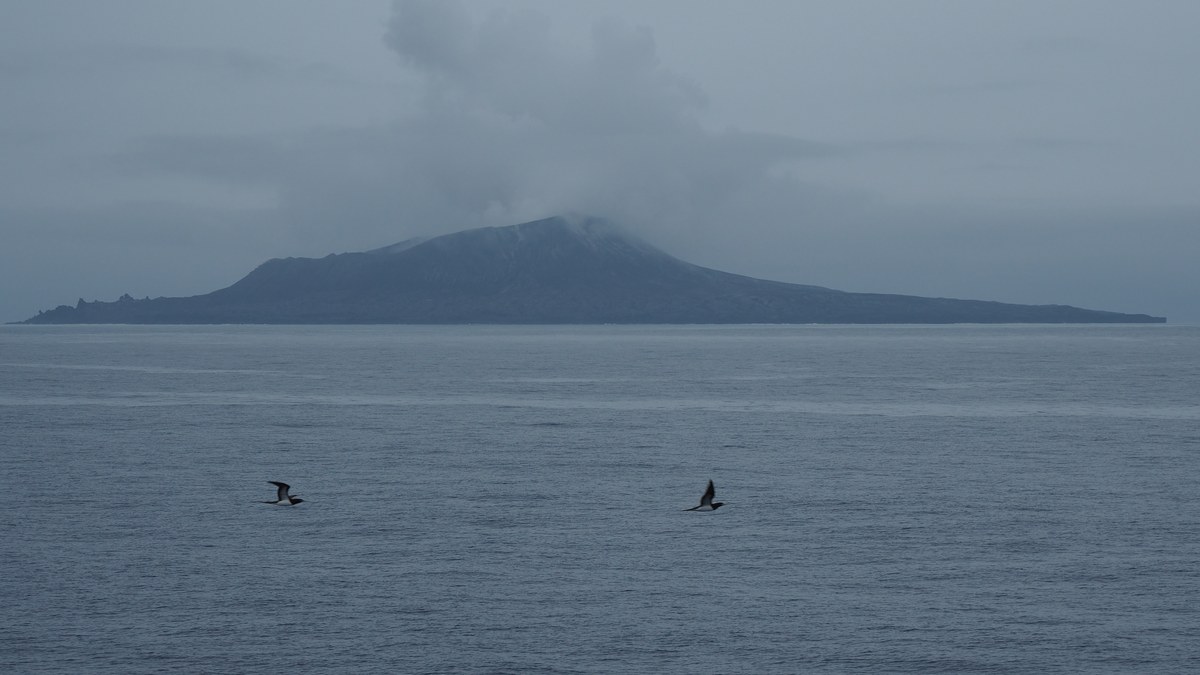
Open in the reader東京から南へ遠く離れた小笠原諸島に、西之島という小さな島がある。環境省は10月2日、この島で7月22日から29日まで行った調査の結果を発表した。調査員が島に上がって調べたのは、2年連続である。
西之島では、平成25年から火山の活動が続いている。特に令和元年12月から始まった大きな噴火で、もとの島はすべて、火山から流れた熱い岩や火山灰におおわれた。そこにあった植物や虫などの生き物も、ほとんど消えてしまった。
つまり、西之島は、生き物の世界がゼロから始まった島なのだ。噴火のあとの島に、生き物がすこしずつやってきている。どんな生き物が、どんな順番で来て、どう増えていくのか。それを実際に観察できる場所は、世界でもほかにない。そのため、環境省は毎年この島の調査を続けている。
今年の調査では、海鳥に大きな変化が見られた。セグロアジサシという鳥は、去年は数が急に減ったが、今年は大きく増加していた。一方、カツオドリなどの数は、ここ数年あまり変わっていない。鳥の数が安定しているかどうかは、これからも調べる必要がある。
虫や植物にも変化があった。ハサミムシという虫は、今回初めて島の南側でも見つかり、島のまわりに広く住んでいることが分かった。コケは、去年とは別の場所で育っていた。しかし、去年確認されたシダは、今年は見つからなかった。生き物は、来たり消えたりを繰り返しながら、少しずつ増えているようだ。
島の外から飛んで来る虫もいる。今年は、去年とは別の種類のガが見つかった。ただ、このガの幼虫が食べる植物は島にないため、たまたま飛んで来ただけだと考えられている。
また、調査チームは、島の北部に地震計やカメラ、遠くから動かせる探査機を置いた。大きな噴火のあと、島に地震計を置いたのは初めてだ。これからは、人が島にいない間も、衛星通信を使って、鳥や火山の様子を見続けることができる。
西之島に上がる人は、服や荷物について来た種や虫を島に持ち込まないよう、島の決まりを守らなければならない。せっかく生まれた新しい自然を、人が変えてしまわないためである。
Words in this article
The 59 words at JLPT N3 or above, and the specialist words that are on no JLPT list.
| Word | Reading | Meaning | JLPT |
|---|---|---|---|
| 離れた | はなれた | distant; separated (from 離れる) | N3 from 離れる |
| 小笠原諸島 | おがさわらしょとう | the Ogasawara (Bonin) Islands | Not on JLPT lists |
| 西之島 | にしのしま | Nishinoshima (volcanic island) | Not on JLPT lists |
| 調査 | ちょうさ | survey; investigation | N3 |
| 結果 | けっか | result | N3 |
| 発表した | はっぴょうした | announced (past of 発表する) | N3 from 発表 |
| 調査員 | ちょうさいん | researcher; survey member | Not on JLPT lists |
| 連続 | れんぞく | in a row; consecutive | N3 |
| 火山 | かざん | volcano | N2 |
| 活動 | かつどう | activity | N3 |
| 令和元年 | れいわがんねん | Reiwa 1 (2019) | Not on JLPT lists |
| 噴火 | ふんか | eruption | N2 |
| 火山灰 | かざんばい | volcanic ash | Not on JLPT lists |
| おおわれた | was covered (from おおう) | Not on JLPT lists | |
| 植物 | しょくぶつ | plant | N3 |
| 生き物 | いきもの | living thing; creature | N3 |
| ゼロ | zero | Not on JLPT lists | |
| 順番 | じゅんばん | order; sequence | N3 |
| 来て | きて | coming (from 来る) | Not on JLPT lists |
| 増えていく | ふえていく | to keep increasing | Not on JLPT lists |
| 実際 | じっさい | actually; in reality (実際に) | N3 |
| 観察できる | かんさつできる | can observe | Not on JLPT lists |
| 海鳥 | うみどり | seabird | Not on JLPT lists |
| 変化 | へんか | change | N3 |
| 数 | かず | number | N3 |
| 急に | きゅうに | suddenly; sharply | N3 |
| 減った | へった | decreased (past of 減る) | N3 from 減る |
| 増加していた | ぞうかしていた | had increased (from 増加する) | N3 from 増加 |
| 一方 | いっぽう | on the other hand | N3 |
| 数年 | すうねん | several years | Not on JLPT lists |
| 安定している | あんていしている | is stable | N3 from 安定 |
| 今回 | こんかい | this time | N3 |
| 南側 | みなみがわ | south side | Not on JLPT lists |
| 見つかり | みつかり | was found, and (from 見つかる) | Not on JLPT lists |
| 育っていた | そだっていた | was growing | N3 from 育つ |
| 確認された | かくにんされた | was confirmed | N3 from 確認 |
| 来たり | きたり | coming, and so on | Not on JLPT lists |
| 繰り返しながら | くりかえしながら | while repeating | N3 from 繰り返す |
| 少しずつ | すこしずつ | little by little | Not on JLPT lists |
| 種類 | しゅるい | kind; type | N3 |
| 幼虫 | ようちゅう | larva | Not on JLPT lists |
| 調査チーム | ちょうさチーム | survey team | Not on JLPT lists |
| 北部 | ほくぶ | northern part | Not on JLPT lists |
| 地震計 | じしんけい | seismometer | Not on JLPT lists |
| 探査機 | たんさき | probe; exploration robot | Not on JLPT lists |
| 衛星 | えいせい | satellite | N3 |
| 通信 | つうしん | communication | N3 |
| 様子 | ようす | state; condition | N3 |
| 見続ける | みつづける | to keep watching | Not on JLPT lists |
| 種 | たね | seed | N3 |
| 持ち込まない | もちこまない | not bring in | Not on JLPT lists |
| 守らなければならない | まもらなければならない | must follow; must keep | Not on JLPT lists |
| せっかく | hard-won; precious | Not on JLPT lists | |
| 生まれた | うまれた | was born; came into being | Not on JLPT lists |
| 自然 | しぜん | nature | N3 |
| 来た | きた | came (past of 来る) | Not on JLPT lists |
| 流れた | ながれた | flowed (from 流れる) | N3 from 流れる |
| 岩 | いわ | rock | N3 |
| 決まり | きまり | rule(s) | N3 |
53 more words from lower levels, plus names, numbers and grammar
| Word | Reading | Meaning | JLPT |
|---|---|---|---|
| 東京 | とうきょう | Tokyo | Name |
| 南 | みなみ | south | N5 |
| 遠く | とおく | far; far away | N4 |
| 小さな | ちいさな | small | N5 |
| 島 | しま | island | N4 |
| 環境省 | かんきょうしょう | Ministry of the Environment | Name |
| 行った | おこなった | carried out (past of 行う) | N4 from 行う |
| 上がって | あがって | going up onto (from 上がる) | N4 from 上がる |
| 調べた | しらべた | investigated (past of 調べる) | N4 from 調べる |
| 平成25年 | へいせいにじゅうごねん | Heisei 25 (2013) | Number |
| 続いている | つづいている | has been continuing (from 続く) | N4 from 続く |
| 特に | とくに | especially | N4 |
| 始まった | はじまった | began (past of 始まる) | N5 from 始まる |
| 大きな | おおきな | big; large | N5 |
| 虫 | むし | insect; bug | N4 |
| 消えて | きえて | disappearing (from 消える) | N5 from 消える |
| 世界 | せかい | world | N4 |
| 場所 | ばしょ | place | N4 |
| 毎年 | まいとし | every year | N5 |
| 続けている | つづけている | is continuing (from 続ける) | N4 from 続ける |
| 今年 | ことし | this year | N5 |
| 見られた | みられた | was seen (from 見る) | N5 from 見る |
| 鳥 | とり | bird | N5 |
| 去年 | きょねん | last year | N5 |
| 大きく | おおきく | greatly | N5 from 大きい |
| 変わっていない | かわっていない | has not changed | N4 from 変わる |
| これから | from now on | N4 | |
| 必要 | ひつよう | necessary | N4 |
| 初めて | はじめて | for the first time | N5 |
| 広く | ひろく | widely | N5 from 広い |
| 住んでいる | すんでいる | lives; is living | N5 from 住む |
| 分かった | わかった | became clear; was found out | N5 from 分かる |
| 別 | べつ | different; another | N4 |
| 見つからなかった | みつからなかった | was not found | N4 from 見つかる |
| 消えたり | きえたり | disappearing, and so on | N5 from 消える |
| 増えている | ふえている | is increasing | N4 from 増える |
| 外 | そと | outside | N5 |
| 飛んで | とんで | flying (from 飛ぶ) | N5 from 飛ぶ |
| 来る | くる | to come | N5 |
| 食べる | たべる | to eat | N5 |
| 考えられている | かんがえられている | is thought; is believed | N4 from 考える |
| 動かせる | うごかせる | can be moved; can be operated | N4 from 動く |
| 置いた | おいた | placed; set up (past of 置く) | N5 from 置く |
| 間 | あいだ | while; during | N4 |
| 使って | つかって | using (from 使う) | N5 from 使う |
| 上がる | あがる | to go up onto; to land | N4 |
| 服 | ふく | clothes | N5 |
| 荷物 | にもつ | luggage; belongings | N5 |
| 新しい | あたらしい | new | N5 |
| 変えて | かえて | changing (from 変える) | N4 from 変える |
| 調べる | しらべる | to investigate; to look into | N4 |
| 見つかった | みつかった | was found (past of 見つかる) | N4 from 見つかる |
| 熱い | あつい | hot | N5 |
Questions
Try answering in Japanese, then open the answer to check yourself. In the reader, your answers and score are saved.
- 環境省は、いつからいつまで西之島で調査を行いましたか。
Show answer
7月22日から29日までです。
From July 22 to July 29.
- 令和元年12月から始まった噴火で、西之島はどうなりましたか。
Show answer
もとの島はすべて、火山から流れた熱い岩や火山灰におおわれて、植物や虫などの生き物もほとんど消えてしまいました。
The old island was completely covered by lava and volcanic ash, and almost all of its plants, insects and other living things disappeared.
- 西之島が、世界でもほかにない場所だと言えるのは、なぜですか。
Show answer
生き物の世界がゼロから始まった島で、どんな生き物がどんな順番で来て、どう増えていくのかを実際に観察できるからです。
Because life on the island started again from zero, so scientists can actually watch which living things arrive, in what order, and how they spread.
- セグロアジサシの数は、どう変わりましたか。
Show answer
去年は数が急に減りましたが、今年は大きく増加していました。
Their numbers dropped sharply last year, but this year they had greatly increased.
- 今年見つかったガは、なぜ島で生きていけないと考えられていますか。
Show answer
このガの幼虫が食べる植物が、島にないからです。
Because the plants that this moth's larvae eat do not grow on the island.
- 島に人がいない間も様子が分かるように、調査チームは何をしましたか。
Show answer
島の北部に地震計やカメラ、遠くから動かせる探査機を置きました。
They placed a seismometer, cameras and remotely operated probes in the north of the island.
- 自然を守るために、島に入る人の決まりを作ることについて、あなたはどう思いますか。
Example answer
いいことだと思います。人が種や虫を持ち込むと、新しい島の自然が変わってしまうからです。
I think it is a good idea, because if people bring in seeds or insects, the nature of the new island will change.
If you're new to Japanese, the Lessons teach it step by step from zero. If you can't read kana yet, start with Starter.
Start from zero Lesson 1 (N5)More N3 reading
- 小学校の子どもは過去最少、通信制の高校生は過去最多 2026年10月8日
- お米の値段、1年で3割下がる 2026年10月7日
- 軽自動車の市場に、中国の会社も 2026年10月6日
- 100歳以上の人、初めて10万人以上に 2026年10月5日
- インフルエンザ、去年より1か月以上早く流行入り 2026年10月4日
- 8月の働く人、女性と、病院や高齢者の世話の仕事で増える 2026年10月2日