Reading › N3 › 小学生は過去最少、通信制の高校生は過去最多
小学生は過去最少、通信制の高校生は過去最多
Written for learners with AI assistance, based on: 文部科学省 · original source ↗
In the reader you can tap any word to see its reading, meaning and JLPT level, save the ones you don't know, and quiz yourself on them.
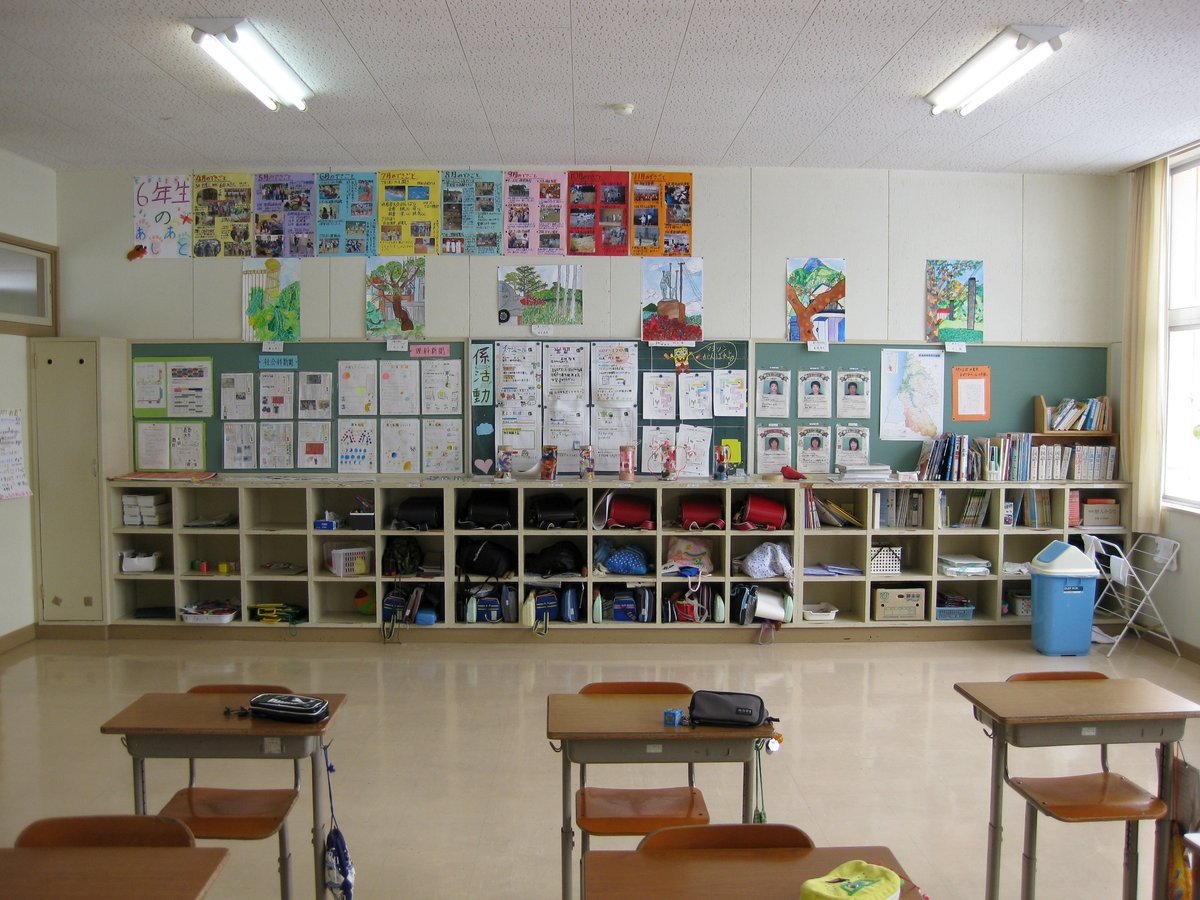
Open in the reader文部科学省が8月に発表した学校基本調査の速報によると、今年5月1日の時点で、全国の小学校に通う子どもは565万4千人だった。前の年より15万8千人少なく、調査を始めてから最も少ない数になった。
中学校の生徒も306万人で、前の年より4万5千人減り、過去最少となった。小学校の数も前の年より224校減って、18,383校になった。子どもが減った地域では、学校の統合が進んでいる。
小学生が最も多かったのは昭和33年度で、1349万2千人いた。今は、そのときの半分以下である。
一方で、増えている学校もある。通信制の高校で学ぶ生徒は31万2千人で、前の年より7千人増え、過去最多になった。自分のペースで学べることや、学校に通うのが難しい生徒も学びやすいことなどが、理由として考えられる。
障害のある子どもが学ぶ特別支援学校も16万3千人で、過去最多だった。また、大学で学ぶ学生は300万1千人で、これも過去最多となった。大学の学部の学生のうち、女子学生の割合は46.4%で、過去最高だった。
子どもの数は減っているが、学び方はさまざまになっている。これからの学校には、一人一人に合った学び方を用意することが求められている。
Words in this article
The 36 words at JLPT N3 or above, and the specialist words that are on no JLPT list.
| Word | Reading | Meaning | JLPT |
|---|---|---|---|
| 発表した | はっぴょうした | announced (past of 発表する) | N3 from 発表 |
| 学校基本調査 | がっこうきほんちょうさ | School Basic Survey | Not on JLPT lists |
| 速報 | そくほう | preliminary report | Not on JLPT lists |
| 時点 | じてん | point in time; as of | Not on JLPT lists |
| 全国 | ぜんこく | nationwide | N3 |
| 子ども | こども | child; children | Not on JLPT lists |
| 調査 | ちょうさ | survey | N3 |
| 数 | かず | number | N3 |
| なった | became | Not on JLPT lists | |
| 減り | へり | decreasing (and ...) (from 減る) | Not on JLPT lists |
| 過去最少 | かこさいしょう | lowest ever; record low | Not on JLPT lists |
| 減って | へって | decreasing (from 減る) | N3 from 減る |
| 減った | へった | decreased | N3 from 減る |
| 地域 | ちいき | area; region | N3 |
| 統合 | とうごう | merging; consolidation | N1 |
| 小学生 | しょうがくせい | elementary school pupil | N2 |
| とき | time | Not on JLPT lists | |
| 一方で | いっぽうで | on the other hand | N3 from 一方 |
| 通信制 | つうしんせい | correspondence (distance-learning) system | Not on JLPT lists |
| 学ぶ | まなぶ | to study; to learn | N3 |
| 増え | ふえ | increasing (and ...) (from 増える) | Not on JLPT lists |
| 過去最多 | かこさいた | highest ever; record high | Not on JLPT lists |
| ペース | pace | Not on JLPT lists | |
| 学べる | まなべる | can learn | Not on JLPT lists |
| 学びやすい | まなびやすい | easy to learn | Not on JLPT lists |
| 障害 | しょうがい | disability | N3 |
| 特別支援学校 | とくべつしえんがっこう | special-needs school | Not on JLPT lists |
| 学部 | がくぶ | undergraduate faculty | N2 |
| 女子学生 | じょしがくせい | female student | Not on JLPT lists |
| 過去最高 | かこさいこう | highest ever | Not on JLPT lists |
| 減っている | へっている | is decreasing | N3 from 減る |
| 学び方 | まなびかた | way of learning | Not on JLPT lists |
| さまざま | various; diverse | N3 | |
| なっている | has become | Not on JLPT lists | |
| 一人一人 | ひとりひとり | each person | N3 |
| 求められている | もとめられている | is called for; is required | N3 from 求める |
43 more words from lower levels, plus names, numbers and grammar
| Word | Reading | Meaning | JLPT |
|---|---|---|---|
| 文部科学省 | もんぶかがくしょう | Ministry of Education, Culture, Sports, Science and Technology | Name |
| によると | according to | Grammar | |
| 今年 | ことし | this year | N5 |
| 小学校 | しょうがっこう | elementary school | N4 |
| 通う | かよう | to attend; to go to (regularly) | N4 |
| だった | was | Grammar | |
| 前 | まえ | previous; before | N5 |
| 少なく | すくなく | fewer (from 少ない) | N5 from 少ない |
| 始めて | はじめて | starting (from 始める) | N4 from 始める |
| 最も | もっとも | the most | N4 |
| 少ない | すくない | few | N5 |
| 中学校 | ちゅうがっこう | junior high school | N4 |
| 生徒 | せいと | student; pupil | N5 |
| となった | became | Grammar | |
| 224校 | にひゃくにじゅうよんこう | 224 schools | Number |
| 18,383校 | いちまんはっせんさんびゃくはちじゅうさんこう | 18,383 schools | Number |
| 学校 | がっこう | school | N5 |
| 進んでいる | すすんでいる | is progressing (from 進む) | N4 from 進む |
| 多かった | おおかった | was many; was the most | N5 from 多い |
| 昭和33年度 | しょうわさんじゅうさんねんど | fiscal year Showa 33 (1958) | Number |
| いた | there were (people) | Grammar | |
| 今 | いま | now | N5 |
| その | that | N5 | |
| 半分 | はんぶん | half | N5 |
| 以下 | いか | or less; below | N4 |
| である | is (written style) | Grammar | |
| 増えている | ふえている | is increasing | N4 from 増える |
| ある | there is | N5 | |
| 高校 | こうこう | high school | N4 |
| 自分 | じぶん | oneself; one's own | N5 |
| 難しい | むずかしい | difficult | N5 |
| 理由 | りゆう | reason | N4 |
| として | as | Grammar | |
| 考えられる | かんがえられる | can be thought of; is considered | N4 from 考える |
| また | also | N5 | |
| 大学 | だいがく | university | N5 |
| 学生 | がくせい | student (university) | N5 |
| これも | this too | N5 from これ | |
| うち | among; of | N4 | |
| 割合 | わりあい | proportion; share | N4 |
| これから | from now on | N4 | |
| 合った | あった | suited (to) (past of 合う) | N4 from 合う |
| 用意する | よういする | to prepare; to provide | N4 from 用意 |
Questions
Try answering in Japanese, then open the answer to check yourself. In the reader, your answers and score are saved.
- 今年5月1日の時点で、小学校に通う子どもは何人でしたか。
Show answer
565万4千人でした。調査を始めてから最も少ない数です。
5,654,000 children: the fewest since the survey began.
- 中学校の生徒の数と、小学校の数は、どうなりましたか。
Show answer
中学校の生徒は306万人で、過去最少になりました。小学校の数は224校減って、18,383校になりました。
Junior high students fell to 3.06 million, a record low. The number of elementary schools fell by 224 to 18,383.
- 小学生が最も多かったのはいつですか。今は、そのときと比べてどうですか。
Show answer
昭和33年度で、1349万2千人いました。今は、そのときの半分以下です。
In fiscal 1958 (Showa 33), with 13,492,000 pupils. Today there are less than half as many.
- 通信制の高校で学ぶ生徒が増えているのは、なぜだと考えられますか。
Show answer
自分のペースで学べることや、学校に通うのが難しい生徒も学びやすいことなどが、理由として考えられます。
Possible reasons are that students can learn at their own pace, and that it is easier for students who find it hard to attend school.
- 過去最多になったのは、どんな学校ですか。
Show answer
通信制の高校、特別支援学校、そして大学です。
Correspondence high schools, special-needs schools and universities.
- 通信制の高校のような学び方について、あなたはどう思いますか。
Example answer
学校に通うのが難しい人も学べるので、いい学び方だと思います。でも、友だちと会う時間が少ないのは、さびしいかもしれません。
I think it is a good way to learn, because people who find it hard to go to school can still study. But having little time with friends might be lonely.
If you're new to Japanese, the Lessons teach it step by step from zero. If you can't read kana yet, start with Starter.
Start from zero Lesson 1 (N5)More N3 reading
- お米の値段、1年で3割下がる 2026年10月7日
- 軽自動車の市場に、中国のメーカーも 2026年10月6日
- 100歳以上の人、初めて10万人をこえる 2026年10月5日
- インフルエンザ、去年より1か月以上早く流行入り 2026年10月4日
- 8月の働く人、女性と「医療、福祉」で増える 2026年10月2日
- 日本人は減り、外国人は増える 最新の人口推計 2026年9月25日