Reading › N2 › 知られていない魚の魅力を広める――水産庁が4種類を選ぶ
知られていない魚の魅力を広める――水産庁が4種類を選ぶ
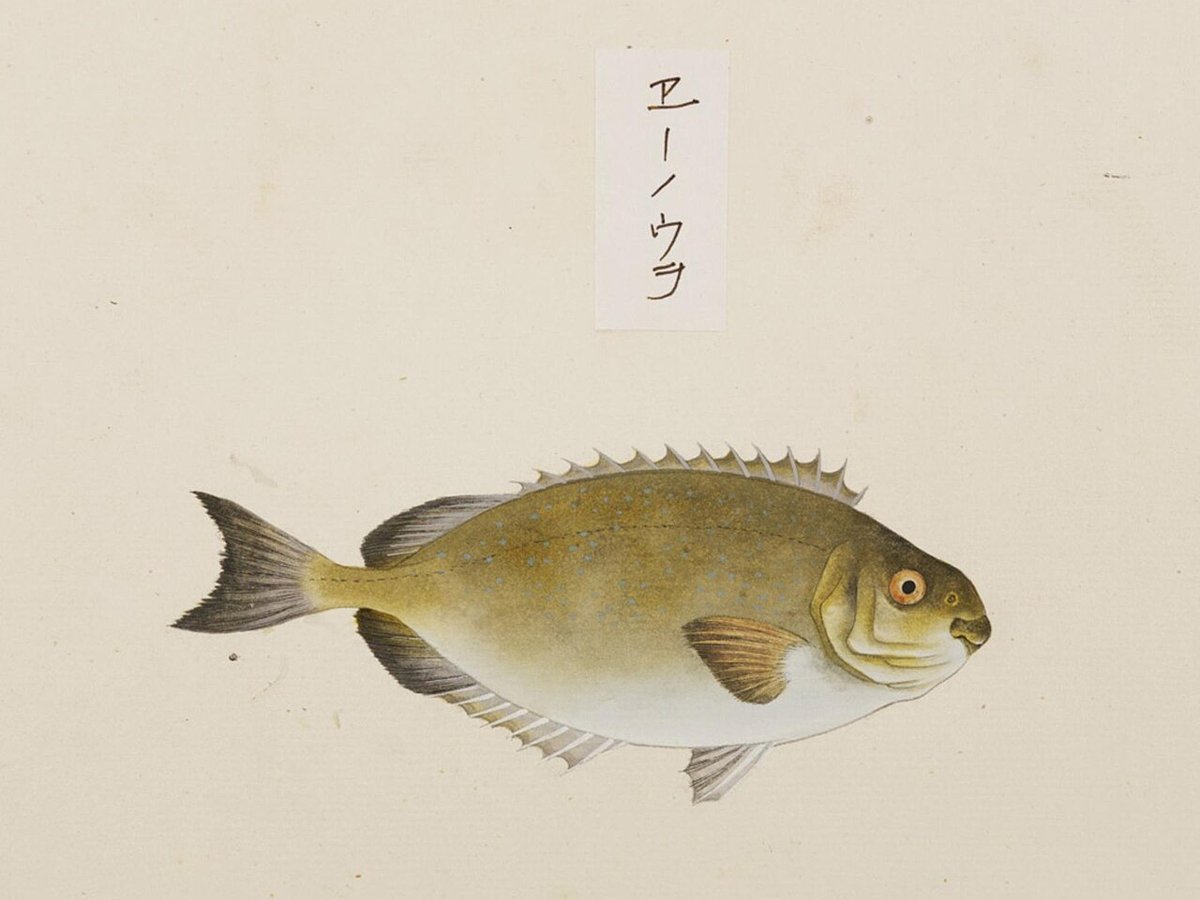
Written for learners with AI assistance, based on: 水産庁 · original source ↗
In the reader you can tap any word to see its reading, meaning and JLPT level, save the ones you don't know, and quiz yourself on them.
Open in the reader日本の海で、とれる魚の種類や時期が変わってきている。海の環境の変化などが理由だ。そうした中で、おいしいのに消費者にあまり知られておらず、利用されていない魚が、各地の産地で増えている。
水産庁は今年7月、こうした魚を紹介する「魅了ギョ・プロジェクト」を始めた。企業や団体と協力して、新しい商品を作ったり、売る場所を広げたり、宣伝したりする。目指すのは、魅力を広めることだ。こうした魚を食べる人を増やし、魚の価値を上げたい考えだ。
選ばれた4種類の魚
プロジェクトでは、特に力を入れる魚として、アイゴ、ボラ、アカエイ、シイラの4種類を選んだ。どれも、今はあまり人気がないが、一定の量がとれ、魅力のある魚だ。
アイゴは、海の中の植物を食べてしまう魚の一つと言われている。とげに毒があるので注意が必要だが、漁師がとったあとすぐに処理すれば、くさみのない、上品な白い身の魚になる。
ボラは、江戸時代には高級な魚だった。しかし、川にもすむため、今では「くさい」という印象を持たれ、評価が低い。アカエイは、アサリなどの貝を食べる魚だ。昔は江戸でも食べられていたが、その食文化は今ではほとんど残っていない。
シイラは、ハワイでは「マヒマヒ」と呼ばれる高級な魚で、くせのない白い身を味わうことができる。最近は、とれる場所が北へ移り、北海道でもたくさんとれるようになった。
11月3日からは「いいさかなの日」
水産庁は、毎月3日から7日までを「さかなの日」と決めている。特に11月3日から7日までは「いいさかなの日」で、今年は各地のイベントで、こうした魚の魅力を伝える。さかなの日に賛成するメンバーは、9月の末の時点で1,172になり、始めたときより544増えた。
また、10月26日から30日までは、東京・霞が関の農林水産省で、実際の魚を見たり触ったりできる催しが開かれる。11月27日には、アイゴを揚げた料理を食べながら、意見を交換する会もある。知らなかった魚を食べてみることが、魚を改めて見直すきっかけになり、海の資源を守ることにもつながるかもしれない。
Words in this article
The 62 words at JLPT N2 or above, and the specialist words that are on no JLPT list.
| Word | Reading | Meaning | JLPT |
|---|---|---|---|
| とれる | to be caught (of fish) | Not on JLPT lists | |
| 変わってきている | かわってきている | has been changing (from 変わる) | Not on JLPT lists |
| 消費者 | しょうひしゃ | consumer | Not on JLPT lists |
| 知られておらず | しられておらず | not being known, and (from 知られる) | Not on JLPT lists |
| 各地 | かくち | various places; every region | N2 |
| 魅了ギョ・プロジェクト | みりょうぎょ・プロジェクト | Miryo-gyo Project (a play on 魅了 "to charm" and ギョ "fish") | Not on JLPT lists |
| 広げたり | ひろげたり | widening, and so on (from 広げる) | N2 from 広げる |
| 目指す | めざす | to aim at | N2 |
| プロジェクト | project | Not on JLPT lists | |
| アイゴ | rabbitfish (aigo) | Not on JLPT lists | |
| ボラ | mullet (bora) | Not on JLPT lists | |
| アカエイ | red stingray (akaei) | Not on JLPT lists | |
| シイラ | mahi-mahi; dolphinfish (shiira) | Not on JLPT lists | |
| ない | there is no; is not | Not on JLPT lists | |
| とげ | spine; thorn | Not on JLPT lists | |
| とった | caught (past of とる) | Not on JLPT lists | |
| 処理すれば | しょりすれば | if (it) is processed (from 処理する) | Not on JLPT lists |
| くさみ | unpleasant smell; fishy smell | Not on JLPT lists | |
| 上品な | じょうひんな | refined; elegant | Not on JLPT lists |
| になる | to become | Not on JLPT lists | |
| には | in (with emphasis) | Not on JLPT lists | |
| 高級な | こうきゅうな | high-class; luxury | N2 from 高級 |
| すむ | to live (of animals) | Not on JLPT lists | |
| 今では | いまでは | now; these days | Not on JLPT lists |
| くさい | smelly | Not on JLPT lists | |
| 持たれ | もたれ | being held, and (passive of 持つ) | Not on JLPT lists |
| アサリ | short-necked clam (asari) | Not on JLPT lists | |
| 貝 | かい | shellfish | N2 |
| 江戸 | えど | Edo (old name for Tokyo) | Not on JLPT lists |
| 食文化 | しょくぶんか | food culture | Not on JLPT lists |
| ハワイ | Hawaii | Not on JLPT lists | |
| マヒマヒ | mahi-mahi | Not on JLPT lists | |
| 移り | うつり | moving, and (from 移る) | Not on JLPT lists |
| とれるようになった | have come to be caught (from とれる) | Not on JLPT lists | |
| さかなの日 | さかなのひ | Fish Days (the 3rd-7th of each month) | Not on JLPT lists |
| イベント | event | Not on JLPT lists | |
| 時点 | じてん | point in time; as of | Not on JLPT lists |
| なり | becoming, and (from なる) | Not on JLPT lists | |
| とき | time; when | Not on JLPT lists | |
| 霞が関 | かすみがせき | Kasumigaseki (government district in Tokyo) | Not on JLPT lists |
| 催し | もよおし | event; exhibition | N2 |
| 食べてみる | たべてみる | to try eating | Not on JLPT lists |
| つながる | to lead to; to be connected | N2 | |
| には | in order to | Not on JLPT lists | |
| すれば | if (one) does (from する) | Not on JLPT lists | |
| 江戸時代 | えどじだい | Edo Period (1603-1868) | Not on JLPT lists |
| 産地 | さんち | production area; fishing area | N2 |
| 一定 | いってい | fixed; certain (amount) | N2 |
| とれ | being caught, and (from とれる) | Not on JLPT lists | |
| 漁師 | りょうし | fisher; fisherman | N2 |
| くせ | peculiar taste or smell | Not on JLPT lists | |
| 味わう | あじわう | to taste; to enjoy (food) | N2 |
| 広める | ひろめる | to spread; to make widely known | N2 |
| 宣伝したり | せんでんしたり | advertising, and so on (from 宣伝する) | N2 from 宣伝 |
| 目指すのは | めざすのは | what (it) aims for (目指す + のは) | Not on JLPT lists |
| 増やし | ふやし | increasing, and (from 増やす) | Not on JLPT lists |
| と決めている | ときめている | has set as; has decided on (from 決める) | Not on JLPT lists |
| 揚げた | あげた | deep-fried (past of 揚げる) | N2 from 揚げる |
| 改めて | あらためて | anew; once again | N2 |
| 見直す | みなおす | to see in a new light; to reconsider | N2 |
| きっかけ | chance; trigger | N2 | |
| になり | becomes, and (from になる) | Not on JLPT lists |
127 more words from lower levels, plus names, numbers and grammar
| Word | Reading | Meaning | JLPT |
|---|---|---|---|
| 日本 | にほん | Japan | Name |
| の | of; 's | Grammar | |
| 海 | うみ | sea; ocean | N5 |
| で | in; at | Grammar | |
| 魚 | さかな | fish | N5 |
| 種類 | しゅるい | kind; type | N3 |
| や | and; or (in a list) | Grammar | |
| 時期 | じき | time; season; period | N3 |
| が | (subject marker) | Grammar | |
| 環境 | かんきょう | environment | N3 |
| 変化 | へんか | change | N3 |
| など | and so on; such as | Grammar | |
| 理由 | りゆう | reason | N4 |
| だ | is (plain) | Grammar | |
| そうした | such; that kind of | N4 from そう | |
| 中 | なか | among; in the middle of | N5 |
| おいしい | delicious; tasty | N5 | |
| のに | even though; although | Grammar | |
| に | to; by; in | Grammar | |
| あまり | (not) very; (not) much | N5 | |
| 利用されていない | りようされていない | is not being used (from 利用する) | N4 from 利用 |
| 水産庁 | すいさんちょう | Fisheries Agency | Name |
| は | (topic marker) | Grammar | |
| 今年 | ことし | this year | N5 |
| こうした | such; this kind of | N4 from こう | |
| 魅力 | みりょく | appeal; charm | N3 |
| を | (object marker) | Grammar | |
| 伝える | つたえる | to convey; to tell | N4 |
| 始めた | はじめた | started (past of 始める) | N4 from 始める |
| 企業 | きぎょう | company; business | N3 |
| 団体 | だんたい | group; organization | N3 |
| と | with; and | Grammar | |
| 新しい | あたらしい | new | N5 |
| 商品 | しょうひん | product; goods | N3 |
| 作ったり | つくったり | making, and so on (from 作る) | N5 from 作る |
| 売る | うる | to sell | N5 |
| 場所 | ばしょ | place | N4 |
| する | to do | N5 | |
| こと | (turns a verb into a noun) | Grammar | |
| 選ばれた | えらばれた | chosen; selected (passive past of 選ぶ) | N4 from 選ぶ |
| では | in (with emphasis) | N5 | |
| 特に | とくに | especially | N4 |
| として | as | Grammar | |
| 選んだ | えらんだ | chose (past of 選ぶ) | N4 from 選ぶ |
| 選ぶ | えらぶ | to choose | N4 |
| どれも | every one; all of them | N5 from どれ | |
| 今 | いま | now | N5 |
| 人気 | にんき | popularity | N3 |
| が | but | Grammar | |
| ある | to have; there is | N5 | |
| 植物 | しょくぶつ | plant | N3 |
| 食べてしまう | たべてしまう | to eat up (食べる + てしまう) | N5 from 食べる |
| 一つ | ひとつ | one | N5 |
| 毒 | どく | poison | N3 |
| ので | because; so | Grammar | |
| 注意 | ちゅうい | caution; care | N4 |
| 必要 | ひつよう | necessary | N4 |
| あと | after | N5 | |
| すぐに | right away; immediately | N5 | |
| 白い | しろい | white | N5 |
| 身 | み | flesh (of a fish) | N3 |
| だった | was (plain past) | Grammar | |
| しかし | however | N5 | |
| 川 | かわ | river | N5 |
| にも | also in | N5 from に | |
| ため | because of | Grammar | |
| という | called; that says | Grammar | |
| 印象 | いんしょう | impression | N3 |
| 評価 | ひょうか | evaluation; reputation | N3 |
| 低い | ひくい | low | N5 |
| 食べる | たべる | to eat | N5 |
| 昔 | むかし | long ago; in the old days | N4 |
| 食べられていた | たべられていた | was eaten (passive of 食べる) | N5 from 食べる |
| その | that | N5 | |
| ほとんど | almost (not); hardly | N4 | |
| 残っていない | のこっていない | does not remain (from 残る) | N4 from 残る |
| 呼ばれる | よばれる | to be called (passive of 呼ぶ) | N5 from 呼ぶ |
| 最近 | さいきん | recently | N4 |
| 北 | きた | north | N5 |
| へ | to; toward | Grammar | |
| 北海道 | ほっかいどう | Hokkaido | Name |
| でも | also in; even in | N5 | |
| たくさん | a lot; many | N5 | |
| から | from | Grammar | |
| 毎月 | まいつき | every month | N5 |
| まで | until; to | Grammar | |
| 賛成する | さんせいする | to support; to agree with | N3 from 賛成 |
| メンバー | member | N3 | |
| 末 | すえ | end (of a period) | N3 |
| 始めた | はじめた | started (past of 始める) | N4 from 始める |
| より | than | Grammar | |
| 増えた | ふえた | increased (past of 増える) | N4 from 増える |
| また | also; in addition | N5 | |
| 東京 | とうきょう | Tokyo | Name |
| 農林水産省 | のうりんすいさんしょう | Ministry of Agriculture, Forestry and Fisheries | Name |
| 実際 | じっさい | actual; real | N3 |
| 見たり | みたり | seeing, and so on (from 見る) | N5 from 見る |
| 触ったり | さわったり | touching, and so on (from 触る) | N4 from 触る |
| できる | can; to be able to | N5 | |
| 開かれる | ひらかれる | to be held (passive of 開く) | N4 from 開く |
| 知らなかった | しらなかった | did not know (past negative of 知る) | N5 from 知る |
| 資源 | しげん | resources | N3 |
| 守る | まもる | to protect | N3 |
| にも | also to | N5 from に | |
| かもしれない | might; may | Grammar | |
| いい | good | N5 | |
| 味 | あじ | taste; flavor | N4 |
| 増えている | ふえている | is increasing (from 増える) | N4 from 増える |
| 量 | りょう | amount; quantity | N3 |
| 言われている | いわれている | is said (to be) (from 言う) | N5 from 言う |
| で | is, and | Grammar | |
| ことができる | can; to be able to | Grammar | |
| 紹介する | しょうかいする | to introduce | N4 from 紹介 |
| 協力して | きょうりょくして | cooperating, and (te-form of 協力する) | N3 from 協力 |
| 価値 | かち | value | N3 |
| 上げたい | あげたい | want to raise (from 上げる) | N5 from 上げる |
| 考え | かんがえ | idea; intention | N3 |
| 料理 | りょうり | dish; cooking | N5 |
| 食べながら | たべながら | while eating (from 食べる) | N5 from 食べる |
| 意見 | いけん | opinion | N4 |
| 交換する | こうかんする | to exchange | N3 from 交換 |
| 会 | かい | meeting; gathering | N3 |
| もある | there is also | Grammar | |
| 力 | ちから | effort; strength | N4 |
| 入れる | いれる | to put in (力を入れる = to put effort into) | N5 |
| いい | good (here also a pun on 11, いい) | N5 | |
| さかな | fish | N5 |
Questions
Try answering in Japanese, then open the answer to check yourself. In the reader, your answers and score are saved.
- 日本の海では、どんな変化が起きていますか。
Show answer
とれる魚の種類や時期が変わってきています。海の環境の変化などが理由です。
The kinds of fish caught and the seasons they are caught in are changing, mainly because the ocean environment is changing.
- 「魅了ギョ・プロジェクト」は、何を目指していますか。
Show answer
魅力を広めることです。こうした魚を食べる人を増やし、魚の価値を上げたい考えです。
It aims to spread the word about the fish's appeal, increasing the number of people who eat them and raising their value.
- プロジェクトで選ばれた魚は、何種類ですか。どんな魚ですか。
Show answer
4種類です。アイゴ、ボラ、アカエイ、シイラです。
Four kinds: rabbitfish (aigo), mullet (bora), red stingray (akaei), and mahi-mahi (shiira).
- アイゴをおいしく食べるには、どうすればいいですか。
Show answer
とったあとすぐに処理すれば、くさみのない、上品な白い身の魚になります。
If it is processed right after it is caught, it becomes a refined white-fleshed fish with no unpleasant smell.
- ボラの評価が低くなったのは、なぜですか。
Show answer
川にもすむため、「くさい」という印象を持たれているからです。
Because it also lives in rivers, people think of it as smelly.
- 「さかなの日」に賛成するメンバーは、どのぐらい増えましたか。
Show answer
9月の末の時点で1,172になり、始めたときより544増えました。
As of the end of September there were 1,172 members, 544 more than at the start.
- あなたは、名前を知らない魚を食べてみたいと思いますか。それはなぜですか。
Example answer
はい、食べてみたいです。知らなかった魚の味を知るのは楽しいと思うからです。
Yes, I would like to try it. I think discovering the taste of a fish I didn't know would be fun.
If you're new to Japanese, the Textbook teaches it step by step from zero. If you can't read kana yet, start with Starter.
Start from zero Lesson 1 (N5)More N2 reading
- 淡水魚の分布が北へ――外国の肉食の魚も、本州の川で初めて確認 2026年10月30日
- 貨物だけを運ぶ道路――つくばで「自動物流道路」の実験 2026年10月29日
- 3年以内の離職率、大学を出た人は31.2%に下がる 2026年10月27日
- 研修医、地方の病院を選ぶ人の割合が60.9%に 2026年10月26日
- 外国からの旅行者、9月は5.0%減の310万人 中国が減り、韓国は増加 2026年10月25日
- 車輪が外れる事故、128件に――冬のタイヤ交換に注意 2026年10月24日