Reading › N2 › 車輪が外れる事故、128件に――冬のタイヤ交換に注意
車輪が外れる事故、128件に――冬のタイヤ交換に注意
Written for learners with AI assistance, based on: 国土交通省 · original source ↗
In the reader you can tap any word to see its reading, meaning and JLPT level, save the ones you don't know, and quiz yourself on them.
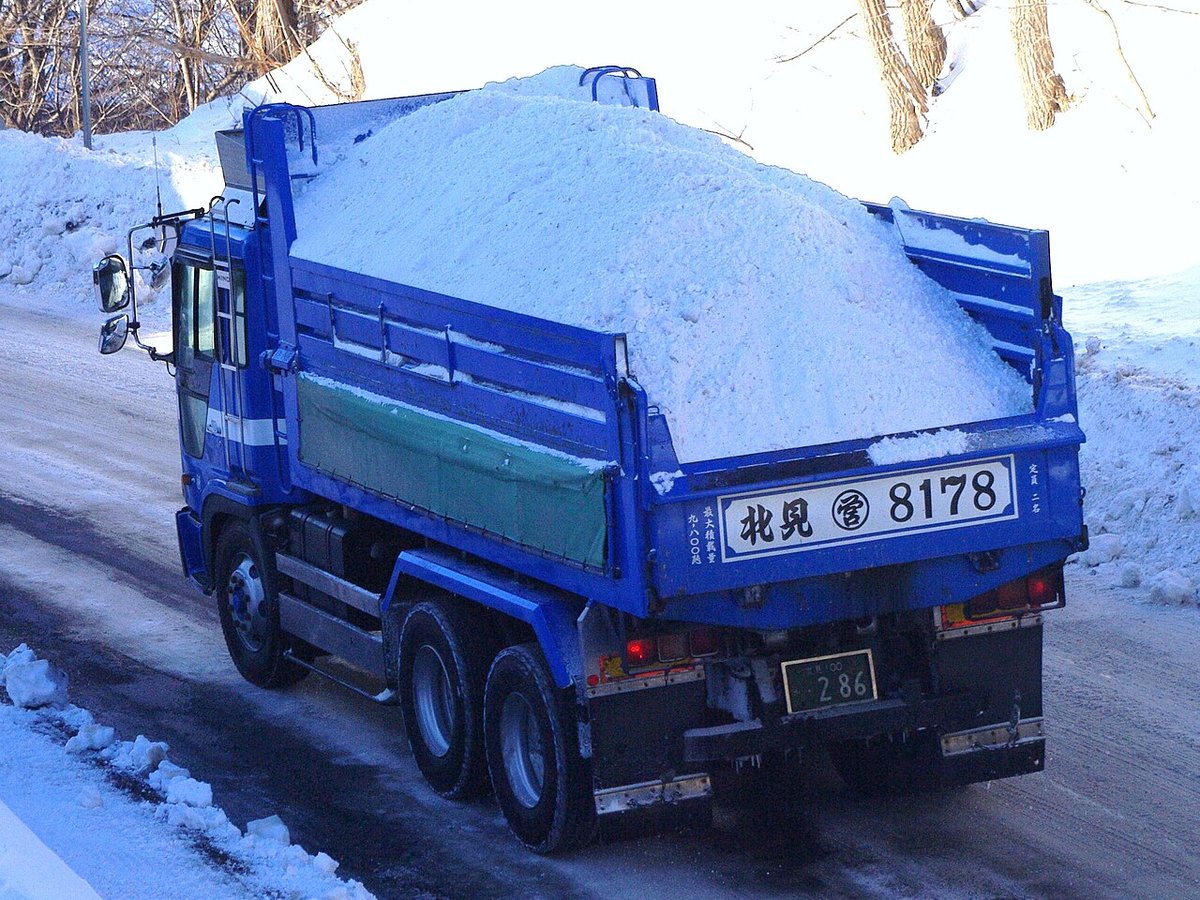
Open in the reader雪の季節を前に、北の地方では、トラックやバスのタイヤを冬用に替える作業が始まっている。国土交通省は10月1日、大型車の車輪が走っている最中に外れる事故が、令和7年度は全国で128件あったと発表した。令和6年度の120件より8件増えた。ここで言う大型車とは、全体の重量が8トン以上のトラックや、定員30人以上のバスのことだ。
冬の3か月に半分が集中
国の資料によると、128件のうち64件、つまり50%が、11月から1月までの3か月に起きていた。冬用タイヤへの交換が多い時期と重なっている。地域別では北海道の33件が最も多く、雪の多い地方で目立つ。さらに、タイヤを付け替えてから1か月以内に起きた事故が69件で、全体の54%を占めた。交換の直後が、特に危ないということだ。
外れた車輪の位置にも、はっきりした特徴がある。95%が左の後ろの車輪だった。令和7年度は、この事故で3人が軽いけがをした。重い車輪が道路を転がれば、歩いている人やほかの車に当たって、命に関わる事故につながりかねない。
原因は作業と手入れの不足
なぜ、車輪が突然外れるのか。事故の85%は、タイヤの交換などの作業をした後に起きていた。その作業をしたのは、56%がトラックやバスを使う会社自身で、タイヤを扱う店が27%、整備の会社が13%だった。
国は、事故を起こした128台のうち89台を詳しく調べた。すると、車輪を留めるナットに油が塗られていなかったり、部品がひどく錆びていたりする車が多く見つかった。作業のときにナットを締める力が足りなかった例が、最も多い問題だった。作業の様子をビデオで記録していた整備の会社では、締める力が足りなかった12件のうち6件が、ナットの締め忘れだった。
国の呼びかけ
国は、令和8年10月から令和9年2月まで、関係する団体と一緒に、事故を防ぐための呼びかけを行う。タイヤを付ける前に錆やごみをきれいに拭き取ること、ナットに油を塗ること、決められた力で締めることを求めている。交換してしばらく走った後にもう一度締め直すことや、毎日の出発の前にナットが緩くなっていないか確かめることも大切だという。車輪が外れそうになると知らせる装置の普及にも努める。
冬の前は、タイヤの交換が多くなる。それでも、うっかり締め忘れた一つのナットが、大きな事故を起こすこともある。国は、トラックの会社の経営者にも、事故の危険を働く人たちに伝えるよう求めている。雪の季節を前に、毎日の手入れを確実に続けることが求められている。
Words in this article
The 38 words at JLPT N2 or above, and the specialist words that are on no JLPT list.
| Word | Reading | Meaning | JLPT |
|---|---|---|---|
| 車輪 | しゃりん | wheel | N2 |
| 外れる | はずれる | to come off; to come loose | N2 |
| タイヤ | tire | N2 | |
| 冬用 | ふゆよう | for winter use | Not on JLPT lists |
| 大型車 | おおがたしゃ | large vehicle (heavy truck or bus) | Not on JLPT lists |
| 令和 | れいわ | Reiwa (Japanese era name, 2019-) | Not on JLPT lists |
| 重量 | じゅうりょう | weight | N2 |
| 定員 | ていいん | capacity (number of seats) | N2 |
| 資料 | しりょう | materials; data | N2 |
| 重なっている | かさなっている | overlaps (from 重なる) | N2 from 重なる |
| 地域別 | ちいきべつ | by region | Not on JLPT lists |
| 目立つ | めだつ | to stand out | N2 |
| 付け替えて | つけかえて | changing (from 付け替える, to replace) | Not on JLPT lists |
| 直後 | ちょくご | right after | N2 |
| 外れた | はずれた | that came off (from 外れる) | N2 from 外れる |
| 転がれば | ころがれば | if (it) rolls (from 転がる) | Not on JLPT lists |
| 関わる | かかわる | to concern; to affect (命に関わる = life-threatening) | N2 |
| つながりかねない | could lead to (from つながる, to lead to) | Not on JLPT lists | |
| 手入れ | ていれ | maintenance; upkeep | N2 |
| 整備 | せいび | maintenance; servicing | N2 |
| ナット | nut (for a bolt) | Not on JLPT lists | |
| 部品 | ぶひん | parts | N2 |
| ひどく | badly; severely (from ひどい) | Not on JLPT lists | |
| 錆びて | さびて | rusting (from 錆びる) | N2 from 錆びる |
| 締め忘れ | しめわすれ | forgetting to tighten | Not on JLPT lists |
| 呼びかけ | よびかけ | appeal; call (to the public) | Not on JLPT lists |
| 錆 | さび | rust | N2 |
| 拭き取る | ふきとる | to wipe off | Not on JLPT lists |
| しばらく | for a while | Not on JLPT lists | |
| 締め直す | しめなおす | to tighten again | Not on JLPT lists |
| 緩く | ゆるく | loose (from 緩い) | N2 from 緩い |
| 外れそう | はずれそう | about to come off (from 外れる) | Not on JLPT lists |
| 普及 | ふきゅう | spread; wider use | N2 |
| 努める | つとめる | to make efforts; to strive | N2 |
| うっかり | carelessly; by mistake | N2 | |
| 締め忘れた | しめわすれた | forgot to tighten (from 締め忘れる) | Not on JLPT lists |
| 経営者 | けいえいしゃ | company managers; owners | Not on JLPT lists |
| 人たち | ひとたち | people | Not on JLPT lists |
112 more words from lower levels, plus names, numbers and grammar
| Word | Reading | Meaning | JLPT |
|---|---|---|---|
| 事故 | じこ | accident | N4 |
| 冬 | ふゆ | winter | N5 |
| 交換 | こうかん | replacement; changing (parts) | N3 |
| 注意 | ちゅうい | caution; care | N4 |
| 雪 | ゆき | snow | N5 |
| 季節 | きせつ | season | N4 |
| 前 | まえ | before; in front of | N5 |
| 北 | きた | north | N5 |
| 地方 | ちほう | region; area | N3 |
| トラック | truck | N3 | |
| バス | bus | N5 | |
| 替える | かえる | to change; to replace | N3 |
| 作業 | さぎょう | work; job (of a task) | N3 |
| 始まっている | はじまっている | has begun (from 始まる) | N5 from 始まる |
| 国土交通省 | こくどこうつうしょう | Ministry of Land, Infrastructure, Transport and Tourism | Name |
| 走っている | はしっている | is running; is moving (from 走る) | N5 from 走る |
| 最中 | さいちゅう | in the middle of; while | N3 |
| 全国 | ぜんこく | the whole country; nationwide | N3 |
| 128件 | ひゃくにじゅうはっけん | 128 cases | Number |
| 発表した | はっぴょうした | announced (from 発表する) | N3 from 発表 |
| 120件 | ひゃくにじゅっけん | 120 cases | Number |
| 8件 | はっけん | 8 cases | Number |
| 増えた | ふえた | increased (from 増える) | N4 from 増える |
| 言う | いう | to say; to call | N5 |
| 全体 | ぜんたい | whole; total | N3 |
| 8トン | はちトン | 8 tons | Number |
| 以上 | いじょう | or more | N4 |
| 半分 | はんぶん | half | N5 |
| 集中 | しゅうちゅう | concentration (in one place or time) | N3 |
| 国 | くに | the national government; country | N5 |
| 64件 | ろくじゅうよんけん | 64 cases | Number |
| 起きていた | おきていた | had happened (from 起きる) | N5 from 起きる |
| 起きた | おきた | happened (from 起きる) | N5 from 起きる |
| 多い | おおい | many; a lot | N5 |
| 時期 | じき | time; period | N3 |
| 北海道 | ほっかいどう | Hokkaido | Name |
| 33件 | さんじゅうさんけん | 33 cases | Number |
| 最も | もっとも | most | N4 |
| 以内 | いない | within | N4 |
| 69件 | ろくじゅうきゅうけん | 69 cases | Number |
| 占めた | しめた | made up; accounted for (from 占める) | N3 from 占める |
| 特に | とくに | especially | N4 |
| 危ない | あぶない | dangerous | N5 |
| 位置 | いち | position | N3 |
| 特徴 | とくちょう | feature; characteristic | N3 |
| 左 | ひだり | left | N5 |
| 後ろ | うしろ | back; rear | N5 |
| 軽い | かるい | light; minor | N5 |
| けが | injury | N4 | |
| 重い | おもい | heavy | N5 |
| 道路 | どうろ | road | N3 |
| 歩いている | あるいている | walking (from 歩く) | N5 from 歩く |
| 車 | くるま | car; vehicle | N5 |
| 当たって | あたって | hitting (from 当たる) | N3 from 当たる |
| 命 | いのち | life | N3 |
| 原因 | げんいん | cause | N4 |
| 不足 | ふそく | lack; shortage | N3 |
| 突然 | とつぜん | suddenly | N3 |
| 後 | あと | after | N5 |
| 使う | つかう | to use | N5 |
| 会社 | かいしゃ | company | N5 |
| 自身 | じしん | oneself; itself | N3 |
| 扱う | あつかう | to deal in; to handle | N3 |
| 店 | みせ | shop | N5 |
| 起こした | おこした | caused (from 起こす) | N4 from 起こす |
| 128台 | ひゃくにじゅうはちだい | 128 vehicles | Number |
| 89台 | はちじゅうきゅうだい | 89 vehicles | Number |
| 詳しく | くわしく | in detail (from 詳しい) | N3 from 詳しい |
| 調べた | しらべた | examined (from 調べる) | N4 from 調べる |
| 留める | とめる | to fasten; to hold in place | N3 |
| 油 | あぶら | oil; grease | N3 |
| 塗られて | ぬられて | being applied; being coated (from 塗る) | N4 from 塗る |
| 見つかった | みつかった | were found (from 見つかる) | N4 from 見つかる |
| 締める | しめる | to tighten | N5 |
| 力 | ちから | force; strength | N4 |
| 足りなかった | たりなかった | was not enough (from 足りる) | N4 from 足りる |
| 例 | れい | example; case | N3 |
| 問題 | もんだい | problem | N5 |
| 様子 | ようす | state; how things are going | N3 |
| ビデオ | video | N3 | |
| 記録して | きろくして | recording (from 記録する) | N3 from 記録 |
| 12件 | じゅうにけん | 12 cases | Number |
| 6件 | ろっけん | 6 cases | Number |
| 関係する | かんけいする | related; concerned | N4 from 関係 |
| 団体 | だんたい | organization; group | N3 |
| 一緒 | いっしょ | together | N5 |
| 防ぐ | ふせぐ | to prevent | N3 |
| 行う | おこなう | to carry out | N4 |
| 付ける | つける | to put on; to attach | N5 |
| ごみ | dirt; rubbish | N4 | |
| 塗る | ぬる | to apply; to coat | N4 |
| 決められた | きめられた | set; fixed (from 決める) | N4 from 決める |
| 求めている | もとめている | is asking for (from 求める) | N3 from 求める |
| 走った | はしった | drove; ran (from 走る) | N5 from 走る |
| もう一度 | もういちど | once more | N5 |
| 毎日 | まいにち | every day | N5 |
| 出発 | しゅっぱつ | departure | N4 |
| 確かめる | たしかめる | to check; to make sure | N3 |
| 大切 | たいせつ | important | N5 |
| 知らせる | しらせる | to notify; to alert | N4 |
| 装置 | そうち | device | N3 |
| 多く | おおく | many (from 多い) | N5 from 多い |
| 多くなる | おおくなる | to increase | N5 from 多い |
| 一つ | ひとつ | one | N5 |
| 大きな | おおきな | big | N5 |
| 起こす | おこす | to cause | N4 |
| 危険 | きけん | danger | N4 |
| 働く | はたらく | to work | N5 |
| 伝える | つたえる | to tell; to pass on | N4 |
| 確実 | かくじつ | reliable; certain | N3 |
| 続ける | つづける | to continue | N4 |
| 求められている | もとめられている | is called for (from 求める) | N3 from 求める |
Questions
Try answering in Japanese, then open the answer to check yourself. In the reader, your answers and score are saved.
- 令和7年度の大型車の車輪が外れる事故は、何件でしたか。前の年度と比べてどうでしたか。
Show answer
128件でした。令和6年度の120件より8件増えました。
There were 128. That was 8 more than the 120 in fiscal 2024.
- この記事で言う「大型車」とは、どんな車のことですか。
Show answer
全体の重量が8トン以上のトラックや、定員30人以上のバスのことです。
Trucks weighing 8 tons or more in total, and buses with 30 or more seats.
- 事故が多く起きているのは、どんな時ですか。二つ答えてください。
Show answer
11月から1月までの3か月と、タイヤを付け替えてから1か月以内です。
In the three months from November to January, and within one month after the tires are changed.
- 外れた車輪の位置には、どんな特徴がありますか。
Show answer
95%が左の後ろの車輪でした。
95% were the left rear wheel.
- 国が事故を起こした車を調べたところ、どんなことが分かりましたか。
Show answer
ナットに油が塗られていなかったり、部品がひどく錆びていたりする車が多く見つかりました。ナットを締める力が足りなかった例が、最も多い問題でした。
Many vehicles had no grease on the nuts or badly rusted parts. Not tightening the nuts with enough force was the most common problem.
- 国は、事故を防ぐために、どんなことを求めていますか。
Show answer
錆やごみを拭き取ること、ナットに油を塗ること、決められた力で締めることです。しばらく走った後にもう一度締め直すことや、毎日の出発の前にナットを確かめることも求めています。
Wiping off rust and dirt, greasing the nuts, and tightening them with the set force. It also asks drivers to retighten them after a while and to check the nuts before setting off each day.
- 車輪が外れる事故を減らすために、あなたはほかにどんなことができると思いますか。
Example answer
(例)タイヤを交換した人と別の人が、もう一度ナットを確かめるようにすればいいと思います。うっかりした締め忘れが減ると思うからです。
(Example) I think a second person, not the one who changed the tires, should check the nuts again, because that would cut down on careless mistakes.
If you're new to Japanese, the Textbook teaches it step by step from zero. If you can't read kana yet, start with Starter.
Start from zero Lesson 1 (N5)More N2 reading
- 淡水魚の分布が北へ――外国の肉食の魚も、本州の川で初めて確認 2026年10月30日
- 貨物だけを運ぶ道路――つくばで「自動物流道路」の実験 2026年10月29日
- 知られていない魚の魅力を広める――水産庁が4種類を選ぶ 2026年10月28日
- 3年以内の離職率、大学を出た人は31.2%に下がる 2026年10月27日
- 研修医、地方の病院を選ぶ人の割合が60.9%に 2026年10月26日
- 外国からの旅行者、9月は5.0%減の310万人 中国が減り、韓国は増加 2026年10月25日