Reading › N2 › 溶岩に覆われた西之島――噴火のあとの自然を調べる
溶岩に覆われた西之島――噴火のあとの自然を調べる
Written for learners with AI assistance, based on: 環境省 · original source ↗
In the reader you can tap any word to see its reading, meaning and JLPT level, save the ones you don't know, and quiz yourself on them.
Open in the reader東京から遠く離れた小笠原諸島の西之島で、環境省と大学などの研究者が、7月22日から7月29日まで調査をし、その結果をまとめて発表した。研究者たちが島に上陸したのは、2年連続だ。
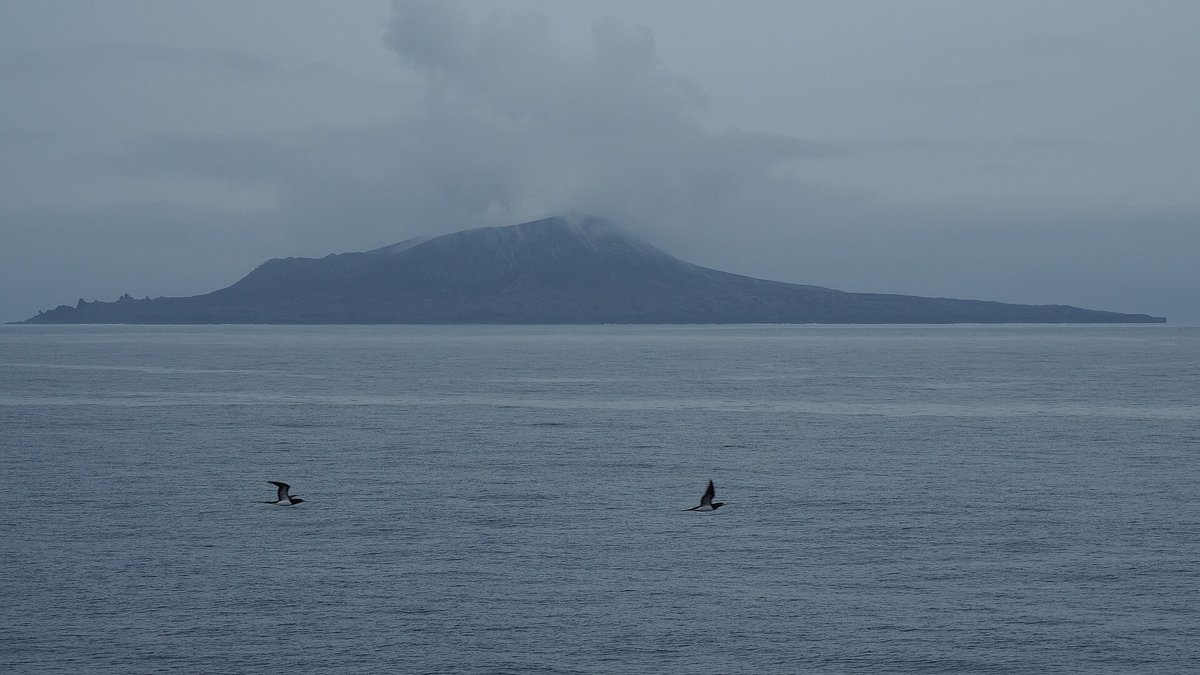
西之島は、平成25年から火山の活動が続いている島だ。その後に始まった大きな噴火で、もとの島はすべて溶岩や火山灰に覆われ、新しい土地ができた。火山の噴火と溶岩が、すべてをゼロにした。何もない土地に、生き物がどんな順番で戻ってくるのか。その過程を観察できる島は世界でもほかに例がなく、大きな価値があると見られている。
鳥は増え、植物も育っている
鳥については、カツオドリなどの海鳥が、これまでと同じように島で子育てをしていた。去年急に数が減ったセグロアジサシは、今年は大きく増えた。ただ、数が安定しない状態が続いている可能性もあるという。
小さな生き物では、ハサミムシが今回初めて島の南の方でも見つかり、島の周りに広く住んでいることが明らかになった。夜間の調査では、死んだ鳥に虫が集まる様子も撮影された。海岸では、貝やカニなど6種が見つかった。植物は、コケが生えているのが確認された。一方で、去年植物が見つかった場所は、削られて消えていた。島の形は、今も少しずつ変わっている。
遠くから島を見守る
調査の時、西之島では火口の周りが危険だとされていて、山頂の火口からおよそ1.5キロが注意の必要な範囲だった。そのため研究者たちは、ドローンで空から撮影したり、範囲の外の場所に上陸したりして調べた。調査の後の9月8日には、その範囲がおよそ1キロに狭くなった。
今回は初めて、島の北に地震計やカメラ、遠くから動かせる機械と、その基地を置いた。衛星を使った通信で、調査が終わった後も、鳥の子育てや夜の虫の様子、地震や火山の活動を観測し続けられる。噴火で固まった溶岩などの地質の試料も集めており、これから分析を進める予定だ。
人が島に入ると、靴や服についた植物の種や虫を、知らないうちに持ち込んでしまうかもしれない。そのため、島に上陸する人のための決まりが平成28年6月に作られ、今回の調査もそれに従って行われた。人の手をできるだけ加えずに、ゼロから生まれる自然をどう守っていくか。西之島は、その問題を考える場所にもなっている。
Words in this article
The 55 words at JLPT N2 or above, and the specialist words that are on no JLPT list.
| Word | Reading | Meaning | JLPT |
|---|---|---|---|
| 小笠原諸島 | おがさわらしょとう | the Ogasawara (Bonin) Islands | Not on JLPT lists |
| 西之島 | にしのしま | Nishinoshima (volcanic island) | Not on JLPT lists |
| 研究者 | けんきゅうしゃ | researcher | Not on JLPT lists |
| まとめて | putting together; compiling | N2 from まとめる | |
| 上陸した | じょうりくした | landed (on an island) | N1 from 上陸 |
| 上陸 | じょうりく | landing (on an island); going ashore | N1 |
| 上陸する | じょうりくする | to land (on an island) | N1 from 上陸 |
| 平成 | へいせい | Heisei (era, 1989-2019) | Not on JLPT lists |
| 火山 | かざん | volcano | N2 |
| 噴火 | ふんか | (volcanic) eruption | N2 |
| もと | original; former | Not on JLPT lists | |
| 溶岩 | ようがん | lava | N2 |
| 火山灰 | かざんばい | volcanic ash | Not on JLPT lists |
| 覆われ | おおわれ | was covered (and) (from 覆う) | Not on JLPT lists |
| ゼロ | zero | Not on JLPT lists | |
| 戻ってくる | もどってくる | to come back | Not on JLPT lists |
| 過程 | かてい | process | N2 |
| 観察できる | かんさつできる | can observe | Not on JLPT lists |
| 増え | ふえ | increase (stem of 増える) | Not on JLPT lists |
| 海鳥 | うみどり | seabird | Not on JLPT lists |
| これまで | until now | Not on JLPT lists | |
| 子育て | こそだて | raising young | Not on JLPT lists |
| 安定しない | あんていしない | is not stable | Not on JLPT lists |
| 可能性 | かのうせい | possibility | Not on JLPT lists |
| 見つかり | みつかり | was found (and) (from 見つかる) | Not on JLPT lists |
| 夜間 | やかん | at night; nighttime | N2 |
| 撮影された | さつえいされた | was filmed; was photographed | N2 from 撮影 |
| 貝 | かい | shellfish | N2 |
| 生えている | はえている | is growing (of plants) | N2 from 生える |
| 削られて | けずられて | being worn away (from 削る) | N2 from 削る |
| 少しずつ | すこしずつ | little by little | Not on JLPT lists |
| 見守る | みまもる | to watch over | Not on JLPT lists |
| 火口 | かこう | (volcanic) crater | N2 |
| 山頂 | さんちょう | summit | Not on JLPT lists |
| およそ | about; roughly | Not on JLPT lists | |
| 研究者たち | けんきゅうしゃたち | researchers | Not on JLPT lists |
| 撮影したり | さつえいしたり | filming (and so on) | N2 from 撮影 |
| 上陸したり | じょうりくしたり | landing (and so on) | N1 from 上陸 |
| その後 | そのご | after that | Not on JLPT lists |
| 地震計 | じしんけい | seismometer | Not on JLPT lists |
| 基地 | きち | base | N2 |
| 観測し続けられる | かんそくしつづけられる | can keep observing | Not on JLPT lists |
| 観測 | かんそく | observation | N2 |
| 固まった | かたまった | hardened; set | N2 from 固まる |
| 地質 | ちしつ | geology; geological features | N2 |
| 試料 | しりょう | sample (for analysis) | Not on JLPT lists |
| 集めており | あつめており | has been collecting | Not on JLPT lists |
| ついた | stuck to; attached (from つく) | Not on JLPT lists | |
| 持ち込んでしまう | もちこんでしまう | to end up bringing in | Not on JLPT lists |
| 作られ | つくられ | was made (and) | Not on JLPT lists |
| に従って | にしたがって | in accordance with; following | Not on JLPT lists |
| できるだけ | as much as possible | Not on JLPT lists | |
| 加えず | くわえず | without adding | Not on JLPT lists |
| 守っていく | まもっていく | to go on protecting | Not on JLPT lists |
| なっている | has become | Not on JLPT lists |
104 more words from lower levels, plus names, numbers and grammar
| Word | Reading | Meaning | JLPT |
|---|---|---|---|
| 東京 | とうきょう | Tokyo | Name |
| 遠く | とおく | far away | N4 |
| 離れた | はなれた | distant; far from (from 離れる) | N3 from 離れる |
| 環境省 | かんきょうしょう | Ministry of the Environment | Name |
| 大学 | だいがく | university | N5 |
| 調査 | ちょうさ | survey; investigation | N3 |
| 結果 | けっか | result | N3 |
| 発表した | はっぴょうした | announced | N3 from 発表 |
| 島 | しま | island | N4 |
| 観察 | かんさつ | observation | N3 |
| 連続 | れんぞく | in a row; consecutive | N3 |
| 活動 | かつどう | activity | N3 |
| 続いている | つづいている | has been continuing | N4 from 続く |
| 始まった | はじまった | began; started | N5 from 始まる |
| 大きな | おおきな | big; major | N5 |
| すべて | all; everything | N3 | |
| 新しい | あたらしい | new | N5 |
| 土地 | とち | land | N3 |
| できた | was formed; came into being | N5 from できる | |
| 何も | なにも | nothing (with a negative) | N3 |
| あと | after | N5 | |
| 生き物 | いきもの | living things; creatures | N3 |
| 順番 | じゅんばん | order; sequence | N3 |
| 世界 | せかい | world | N4 |
| 例 | れい | example; case | N3 |
| 価値 | かち | value; worth | N3 |
| 見られている | みられている | is regarded; is seen (as) | N5 from 見る |
| 鳥 | とり | bird | N5 |
| 植物 | しょくぶつ | plant(s) | N3 |
| 育っている | そだっている | is growing | N3 from 育つ |
| 同じ | おなじ | same | N5 |
| 去年 | きょねん | last year | N5 |
| 急に | きゅうに | suddenly | N3 |
| 数 | かず | number | N3 |
| 減った | へった | decreased (from 減る) | N3 from 減る |
| 今年 | ことし | this year | N5 |
| 大きく | おおきく | greatly; by a lot | N5 from 大きい |
| 増えた | ふえた | increased | N4 from 増える |
| 状態 | じょうたい | condition; state | N3 |
| 小さな | ちいさな | small | N5 |
| 今回 | こんかい | this time | N3 |
| 初めて | はじめて | for the first time | N5 |
| 南 | みなみ | south | N5 |
| 方 | ほう | direction; side (南の方 = the southern part) | N5 |
| 周り | まわり | surroundings; around | N4 |
| 広く | ひろく | widely | N5 from 広い |
| 住んでいる | すんでいる | lives | N5 from 住む |
| 明らか | あきらか | clear | N3 |
| 死んだ | しんだ | dead (from 死ぬ) | N5 from 死ぬ |
| 虫 | むし | insect; bug | N4 |
| 集まる | あつまる | to gather | N4 |
| 様子 | ようす | scene; how things look | N3 |
| 海岸 | かいがん | seashore; coast | N4 |
| 6種 | ろくしゅ | 6 species | Number |
| 見つかった | みつかった | was found | N4 from 見つかる |
| 確認された | かくにんされた | was confirmed | N3 from 確認 |
| 一方 | いっぽう | on the other hand | N3 |
| 場所 | ばしょ | place | N4 |
| 消えていた | きえていた | had disappeared | N5 from 消える |
| 形 | かたち | shape | N4 |
| 今 | いま | now | N5 |
| 変わっている | かわっている | is changing | N4 from 変わる |
| 危険 | きけん | dangerous; danger | N4 |
| 1.5キロ | いってんごキロ | 1.5 kilometers | Number |
| 注意 | ちゅうい | caution; care | N4 |
| 必要 | ひつよう | necessary | N4 |
| 範囲 | はんい | area; range | N3 |
| 空 | そら | sky | N5 |
| 外 | そと | outside | N5 |
| 調べた | しらべた | investigated; examined | N4 from 調べる |
| 後 | あと | after | N5 |
| 1キロ | いちキロ | 1 kilometer | Number |
| 狭くなった | せまくなった | became narrower | N5 from 狭い |
| 機械 | きかい | machine | N3 |
| その | that | N5 | |
| 北 | きた | north | N5 |
| カメラ | camera | N5 | |
| 動かせる | うごかせる | can move; can operate | N4 from 動く |
| 置いた | おいた | placed; set up | N5 from 置く |
| 衛星 | えいせい | satellite | N3 |
| 使った | つかった | used | N5 from 使う |
| 通信 | つうしん | communication | N3 |
| 終わった | おわった | finished; ended | N5 from 終わる |
| 夜 | よる | night | N5 |
| 地震 | じしん | earthquake | N4 |
| 分析 | ぶんせき | analysis | N3 |
| 進める | すすめる | to move forward with | N3 |
| 予定 | よてい | plan; schedule | N4 |
| 入る | はいる | to enter | N5 |
| 靴 | くつ | shoes | N5 |
| 服 | ふく | clothes | N5 |
| 種 | たね | seed | N3 |
| 知らない | しらない | not knowing; unaware | N5 from 知る |
| うち | while (知らないうちに = without realizing) | N4 | |
| かもしれない | might; may | Grammar | |
| ための | for (the purpose of) | Grammar | |
| 決まり | きまり | rule | N3 |
| 行われた | おこなわれた | was carried out | N4 from 行う |
| 手 | て | hand (人の手 = human interference) | N5 |
| 生まれる | うまれる | to be born; to come into being | N5 |
| 自然 | しぜん | nature | N3 |
| 問題 | もんだい | problem; question | N5 |
| 考える | かんがえる | to think about | N4 |
| 研究 | けんきゅう | research | N4 |
Questions
Try answering in Japanese, then open the answer to check yourself. In the reader, your answers and score are saved.
- 環境省などの研究者は、いつ西之島で調査を行いましたか。島に上陸したのは何年連続ですか。
Show answer
7月22日から7月29日まで調査を行いました。島に上陸したのは2年連続です。
They surveyed it from July 22 to July 29. It was the second year in a row they landed on the island.
- 平成25年から火山の活動が続いている西之島は、大きな噴火でどうなりましたか。
Show answer
もとの島はすべて溶岩や火山灰に覆われ、新しい土地ができました。
The whole original island was covered by lava and volcanic ash, and new land was formed.
- なぜ西之島は、世界でもほかに例がない島だと言えるのですか。
Show answer
噴火ですべてがゼロになり、何もない土地に生き物がどんな順番で戻ってくるのか、その過程を観察できるからです。
Because the eruption reset everything to zero, so you can watch the order in which living things come back to bare land.
- セグロアジサシの数は、去年と今年でどう変わりましたか。
Show answer
去年急に数が減りましたが、今年は大きく増えました。
Its numbers suddenly fell last year, but this year they rose sharply.
- 去年植物が見つかった場所は、今回どうなっていましたか。そこから何がわかりますか。
Show answer
削られて消えていました。島の形が今も少しずつ変わっていることがわかります。
It had been worn away and was gone. It shows the island's shape is still changing little by little.
- 研究者たちは、調査が終わった後も、どうやって島の様子を観測し続けられるのですか。
Show answer
島の北に地震計やカメラ、遠くから動かせる機械と、その基地を置いたからです。衛星を使った通信で観測できます。
They set up a seismometer, cameras, remotely operated machines and their base in the north of the island, and can watch it through satellite communication.
- 人の手をできるだけ加えずに自然を守ることについて、あなたはどう思いますか。
Example answer
(例)人が入ると種や虫を持ち込んでしまうかもしれないので、決まりを作って守るのは大切だと思います。
(Example) People might bring in seeds or insects, so I think it is important to make rules and keep them.
If you're new to Japanese, the Textbook teaches it step by step from zero. If you can't read kana yet, start with Starter.
Start from zero Lesson 1 (N5)More N2 reading
- 淡水魚の分布が北へ――外国の肉食の魚も、本州の川で初めて確認 2026年10月30日
- 貨物だけを運ぶ道路――つくばで「自動物流道路」の実験 2026年10月29日
- 知られていない魚の魅力を広める――水産庁が4種類を選ぶ 2026年10月28日
- 3年以内の離職率、大学を出た人は31.2%に下がる 2026年10月27日
- 研修医、地方の病院を選ぶ人の割合が60.9%に 2026年10月26日
- 外国からの旅行者、9月は5.0%減の310万人 中国が減り、韓国は増加 2026年10月25日