Reading › N2 › スクールバスが地域の住民を乗せる――「交通空白」をなくす新しい法律
スクールバスが地域の住民を乗せる――「交通空白」をなくす新しい法律
Written for learners with AI assistance, based on: 国土交通省 · original source ↗
In the reader you can tap any word to see its reading, meaning and JLPT level, save the ones you don't know, and quiz yourself on them.
Open in the reader山の多い地域では、バスの路線が次々になくなり、お年寄りが買い物や病院に行くのに困るようになっている。国土交通省によると、バスや電車などの公共交通をほとんど使えない「交通空白」は、全国で約3000か所にのぼる。
この問題を解決するために改正された法律が、10月16日に始まった。同じ日、国は神奈川県相模原市の計画を、この法律を使う全国で初めての例として認めた。
スクールバスの空き時間を使う
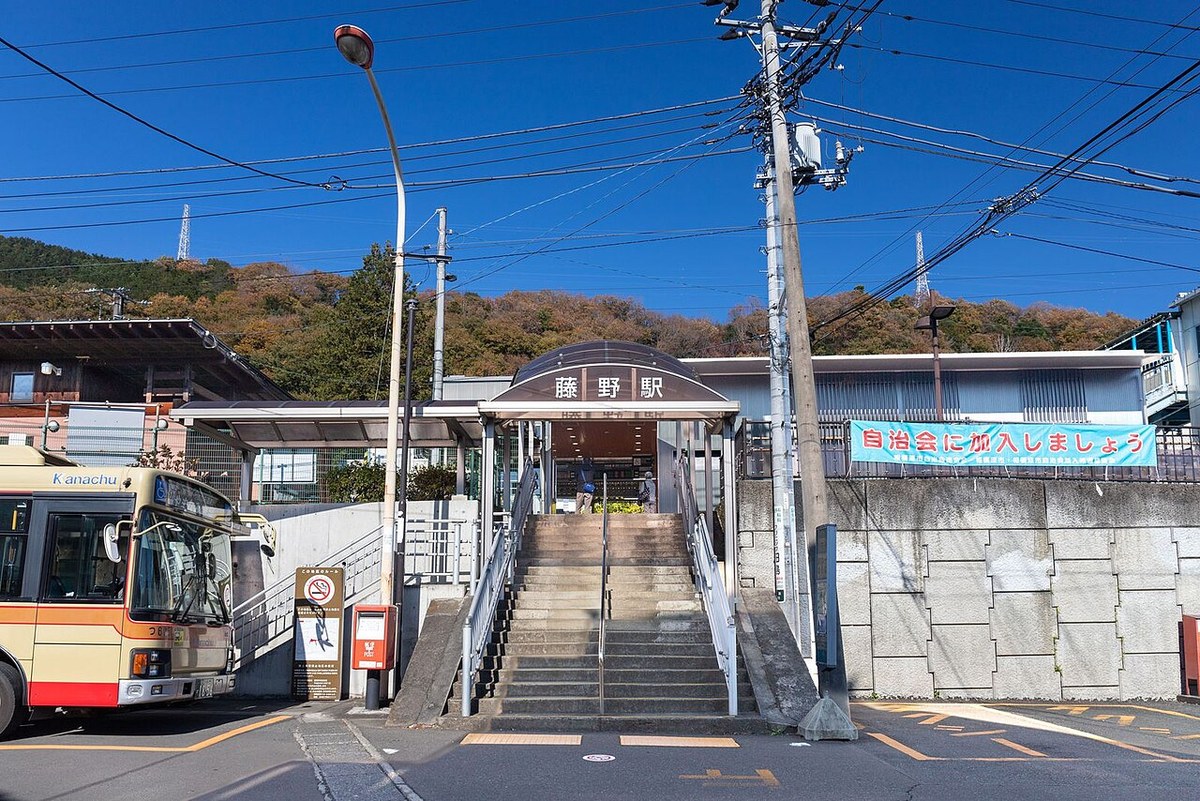
相模原市の西、藤野駅周辺の山あいでは、バス会社が運転する11の路線が、来年3月末までになくなる予定だ。運転手が足りないためだ。市はコミュニティバスの走る地域を広げてきたが、朝早い時間は、運転手も車も足りない状態が続いていた。
そこで市が考えたのが、スクールバスだ。スクールバスは本来、子どもを学校に送り迎えするための車で、使われていない空き時間がある。市は、教育委員会が管理するこの車を借りて、地域の住民を乗せる「公共ライドシェア」を始めることにした。運転は、ふだんスクールバスを走らせている会社が引き受ける。つまり、スクールバスが地域の住民を乗せるのだ。
市はこれまで、お金を取らずに試しに走らせてきたが、10月19日からは、乗車には料金を払う形に変わった。平日は朝早くに1便だけで、和田から藤野駅まで、奥牧野からやまなみ温泉を通って藤野駅までの2つの道を走る。土曜と日曜、休日に走らせるのは、12月中旬からの予定だ。
足りない運転手
問題の大きな理由は、運転手が足りないことだ。国の資料によると、バスの運転手は7年間で1.9万人減り、11.4万人になった。平成28年度から令和6年度までに、なくなったバスの路線は約15804キロにのぼる。
町や村の役所でも、人が足りない。人口5万人未満の市町村では、84%で、地域の交通だけを担当する人が一人もいない。
新しい法律では、市町村が中心になって、学校や病院などが持っている車や運転手も、住民の輸送に使えるようにした。国は、相模原市のようなやり方を各地に広げる方針だ。ただ、運転手が足りないという問題そのものは、まだ解決していない。地域の足をどう守るかは、これからも大きな問題だ。
Words in this article
The 42 words at JLPT N2 or above, and the specialist words that are on no JLPT list.
| Word | Reading | Meaning | JLPT |
|---|---|---|---|
| 路線 | ろせん | (bus) route; line | Not on JLPT lists |
| お年寄り | おとしより | elderly people | Not on JLPT lists |
| 使えない | つかえない | cannot use | Not on JLPT lists |
| 使える | つかえる | can use | Not on JLPT lists |
| 交通空白 | こうつうくうはく | "transport gap" (an area with no usable public transport) | Not on JLPT lists |
| 空き時間 | あきじかん | free time; time when (something) is not in use | Not on JLPT lists |
| 山あい | やまあい | mountain area; among the mountains | Not on JLPT lists |
| 広げて | ひろげて | expanding; widening | N2 from 広げる |
| 子ども | こども | child | Not on JLPT lists |
| 送り迎え | おくりむかえ | taking (someone) to and from (a place) | Not on JLPT lists |
| 教育委員会 | きょういくいいんかい | board of education | Not on JLPT lists |
| 公共 | こうきょう | public | N2 |
| ライドシェア | ride-sharing | Not on JLPT lists | |
| 走らせている | はしらせている | is running (a vehicle) | Not on JLPT lists |
| 引き受ける | ひきうける | to take on; to undertake | N2 |
| 本来 | ほんらい | originally; by nature (本来は = is really meant as) | N2 |
| 公共交通 | こうきょうこうつう | public transport | Not on JLPT lists |
| 改正された | かいせいされた | was revised; was amended | N2 from 改正 |
| 周辺 | しゅうへん | area around; surroundings | N2 |
| 乗車 | じょうしゃ | riding; boarding (a vehicle) | N2 |
| やまなみ | Yamanami (name) | Not on JLPT lists | |
| 温泉 | おんせん | hot spring | N2 |
| 輸送 | ゆそう | transport; carrying | N2 |
| 各地 | かくち | various places; every region | N2 |
| 方針 | ほうしん | policy; plan | N2 |
| 取らず | とらず | without taking (charging) | Not on JLPT lists |
| 走らせて | はしらせて | running (a vehicle) | Not on JLPT lists |
| 平日 | へいじつ | weekday | N2 |
| 朝早く | あさはやく | early in the morning | Not on JLPT lists |
| 和田 | わだ | Wada (place name) | Not on JLPT lists |
| 藤野駅 | ふじのえき | Fujino Station | Not on JLPT lists |
| 奥牧野 | おくまきの | Okumakino (place name) | Not on JLPT lists |
| 休日 | きゅうじつ | holiday; day off | Not on JLPT lists |
| 中旬 | ちゅうじゅん | middle (of a month); mid- | N2 |
| 資料 | しりょう | materials; documents | N2 |
| 減り | へり | decreased (and) (stem of 減る) | Not on JLPT lists |
| 平成 | へいせい | Heisei (era, 1989-2019) | Not on JLPT lists |
| 令和 | れいわ | Reiwa (era, 2019-) | Not on JLPT lists |
| 役所 | やくしょ | government office; town hall | N2 |
| 未満 | みまん | less than; under | N2 |
| やり方 | やりかた | way of doing | Not on JLPT lists |
| 広げる | ひろげる | to spread; to expand | N2 |
85 more words from lower levels, plus names, numbers and grammar
| Word | Reading | Meaning | JLPT |
|---|---|---|---|
| 山 | やま | mountain | N5 |
| 多い | おおい | many; much | N5 |
| 地域 | ちいき | area; region; community | N3 |
| 次々 | つぎつぎ | one after another | N3 |
| 買い物 | かいもの | shopping | N5 |
| 病院 | びょういん | hospital | N5 |
| 行く | いく | to go | N5 |
| 困る | こまる | to have trouble; to be in difficulty | N5 |
| 国土交通省 | こくどこうつうしょう | Ministry of Land, Infrastructure, Transport and Tourism | Name |
| 電車 | でんしゃ | train | N5 |
| 全国 | ぜんこく | the whole country; nationwide | N3 |
| 約 | やく | about; approximately | N3 |
| 3000か所 | さんぜんかしょ | 3,000 places | Number |
| 問題 | もんだい | problem | N5 |
| 解決 | かいけつ | solution; solving | N3 |
| 新しい | あたらしい | new | N5 |
| 法律 | ほうりつ | law | N4 |
| 始まった | はじまった | began; started | N5 from 始まる |
| 同じ | おなじ | same | N5 |
| 国 | くに | country; the national government | N5 |
| 神奈川県 | かながわけん | Kanagawa Prefecture | Name |
| 相模原市 | さがみはらし | Sagamihara City | Name |
| 計画 | けいかく | plan | N4 |
| 使う | つかう | to use | N5 |
| 初めて | はじめて | for the first time | N5 |
| 例 | れい | example; case | N3 |
| 認めた | みとめた | approved; recognized | N3 from 認める |
| 西 | にし | west | N5 |
| 会社 | かいしゃ | company | N5 |
| 運転 | うんてん | driving; operating (a vehicle) | N4 |
| 運転する | うんてんする | to drive; to operate | N4 from 運転 |
| 来年 | らいねん | next year | N5 |
| 末 | すえ | end (of a period) | N3 |
| 予定 | よてい | plan; schedule | N4 |
| 運転手 | うんてんしゅ | driver | N4 |
| 足りない | たりない | is not enough; is short | N4 from 足りる |
| 市 | し | city | N4 |
| 走る | はしる | to run (of vehicles) | N5 |
| 朝 | あさ | morning | N5 |
| 早い | はやい | early | N5 |
| 時間 | じかん | time; hours | Number |
| 車 | くるま | car; vehicle | N5 |
| 状態 | じょうたい | condition; situation | N3 |
| 続いていた | つづいていた | had been continuing | N4 from 続く |
| 考えた | かんがえた | thought of; came up with | N4 from 考える |
| 学校 | がっこう | school | N5 |
| 使われていない | つかわれていない | is not being used | N5 from 使う |
| 管理する | かんりする | to manage; to be in charge of | N3 from 管理 |
| 借りて | かりて | borrowing | N5 from 借りる |
| 住民 | じゅうみん | residents | N3 |
| 乗せる | のせる | to give a ride; to carry (passengers) | N3 |
| 始める | はじめる | to start | N4 |
| ふだん | usually; normally | N3 | |
| ための | for (the purpose of) | Grammar | |
| 通って | とおって | passing through | N4 from 通る |
| つまり | in other words | N3 | |
| お金 | おかね | money | N5 |
| 試し | ためし | trial; test (試しに = as a trial) | N3 |
| 料金 | りょうきん | fare; charge | N3 |
| 払う | はらう | to pay | N4 |
| 形 | かたち | form; way | N4 |
| 変わった | かわった | changed | N4 from 変わる |
| 1便 | いちびん | one run (of a bus); one service | Number |
| 2つ | ふたつ | two | Number |
| 道 | みち | road; route | N5 |
| 土曜 | どよう | Saturday | N3 |
| 日曜 | にちよう | Sunday | N3 |
| 走らせる | はしらせる | to run (a vehicle) | N5 from 走る |
| 大きな | おおきな | big; major | N5 |
| 理由 | りゆう | reason | N4 |
| 7年間 | ななねんかん | 7 years | Number |
| 15804キロ | いちまんごせんはっぴゃくよんキロ | 15,804 kilometers | Number |
| 町 | まち | town | N5 |
| 村 | むら | village | N5 |
| 人口 | じんこう | population | N4 |
| 市町村 | しちょうそん | cities, towns and villages; municipalities | Name |
| 交通 | こうつう | transport; traffic | N4 |
| 担当する | たんとうする | to be in charge of | N3 from 担当 |
| 一人も | ひとりも | not even one person | N5 from 一人 |
| 中心 | ちゅうしん | center (中心になって = taking the lead) | N3 |
| 持っている | もっている | has; owns | N5 from 持つ |
| まだ | still; not yet | N5 | |
| 足 | あし | legs; (here) means of getting around | N5 |
| 守る | まもる | to protect | N3 |
| これから | from now on | N4 |
Questions
Try answering in Japanese, then open the answer to check yourself. In the reader, your answers and score are saved.
- 「交通空白」とは、どんな地域のことですか。全国にどのくらいありますか。
Show answer
バスや電車をほとんど使えない地域のことです。全国で約3000か所にのぼります。
It means areas where buses and trains can hardly be used. There are about 3,000 of them across the country.
- 10月16日に、何が始まりましたか。同じ日に、国は何をしましたか。
Show answer
「交通空白」の問題を解決するための新しい法律が始まりました。同じ日に、国は相模原市の計画を、この法律を使う全国で初めての例として認めました。
A new law to solve the transport-gap problem took effect. On the same day, the government approved Sagamihara City's plan as the first case in the country to use this law.
- 相模原市の西、藤野駅周辺の山あいでは、バスの路線はどうなる予定ですか。それはなぜですか。
Show answer
バス会社が運転する11の路線が、来年3月末までになくなる予定です。運転手が足りないためです。
Eleven routes run by a bus company are set to disappear by the end of March next year, because there are not enough drivers.
- 相模原市は、なぜスクールバスを使うことにしたのですか。
Show answer
朝早い時間は運転手も車も足りなかったからです。スクールバスには使われていない空き時間があるので、その車を借りて住民を乗せることにしました。
Because early in the morning there were not enough drivers or vehicles. School buses have idle time when they are not used, so the city decided to borrow them to carry residents.
- 10月19日から、公共ライドシェアは何が変わりましたか。
Show answer
これまではお金を取らずに試しに走らせていましたが、10月19日からは、乗車には料金を払う形に変わりました。
Until then it ran as a free trial, but from October 19 riders pay a fare.
- 国の資料によると、バスの運転手の数はどう変わりましたか。
Show answer
7年間で1.9万人減り、11.4万人になりました。
It fell by 19,000 in 7 years, to 114,000.
- あなたの住む町で、バスがなくなったら、どんなことに困ると思いますか。地域の足を守るために、どんなやり方がいいと思いますか。
Example answer
(例)バスがなくなったら、祖父は病院に行けなくなると思います。学校や病院の車を、地域の人も使えるようにするやり方がいいと思います。
(Example) If the bus disappeared, I think my grandfather could not get to the hospital. I think letting local people use school and hospital vehicles is a good way.
If you're new to Japanese, the Textbook teaches it step by step from zero. If you can't read kana yet, start with Starter.
Start from zero Lesson 1 (N5)More N2 reading
- 淡水魚の分布が北へ――外国の肉食の魚も、本州の川で初めて確認 2026年10月30日
- 貨物だけを運ぶ道路――つくばで「自動物流道路」の実験 2026年10月29日
- 知られていない魚の魅力を広める――水産庁が4種類を選ぶ 2026年10月28日
- 3年以内の離職率、大学を出た人は31.2%に下がる 2026年10月27日
- 研修医、地方の病院を選ぶ人の割合が60.9%に 2026年10月26日
- 外国からの旅行者、9月は5.0%減の310万人 中国が減り、韓国は増加 2026年10月25日