Reading › N2 › 電柱のない安全な町へ――国が新しい計画
電柱のない安全な町へ――国が新しい計画
Written for learners with AI assistance, based on: 国土交通省 · original source ↗
In the reader you can tap any word to see its reading, meaning and JLPT level, save the ones you don't know, and quiz yourself on them.
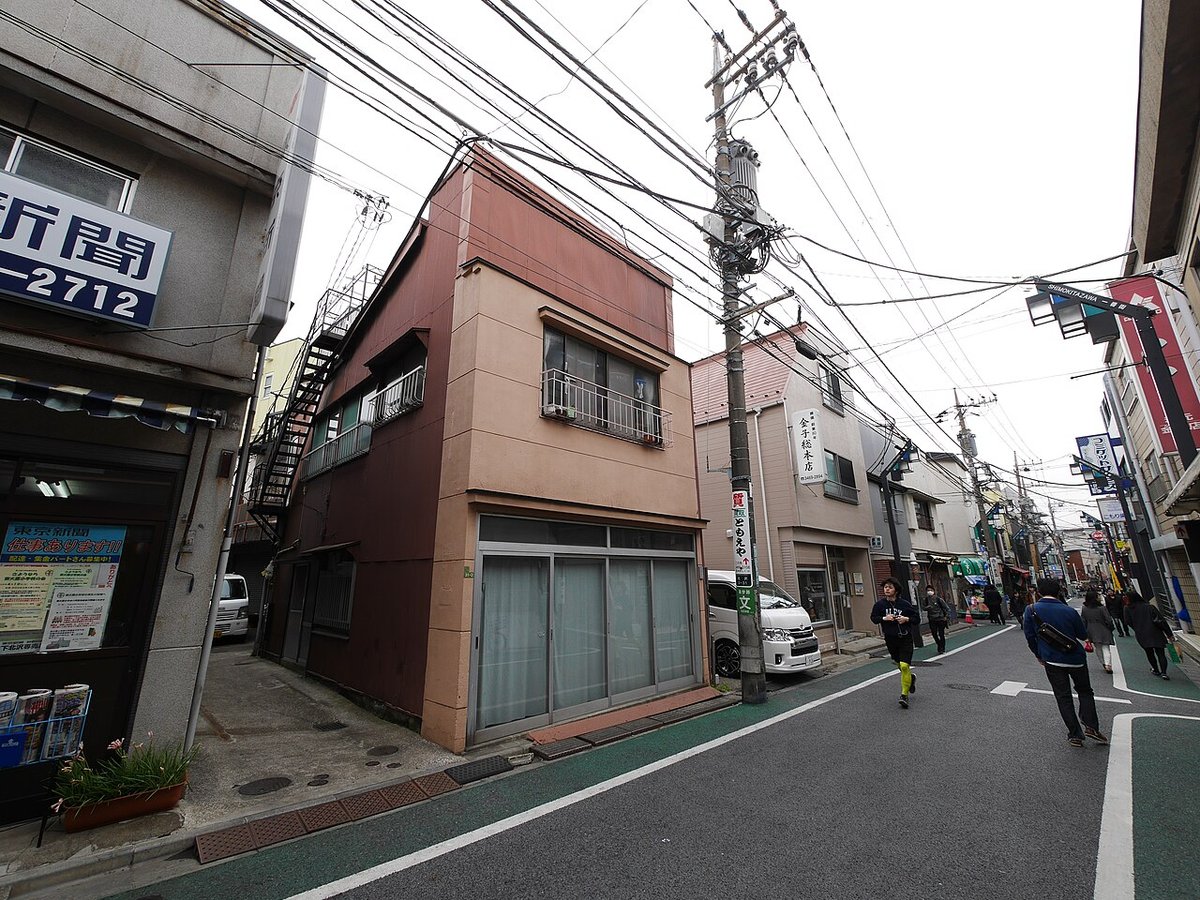
Open in the reader日本の町を歩くと、道の横に電柱が並び、頭の上には電線が何本も張られている。日本人には見慣れた景色だが、国土交通省は、この電柱を道からなくす「無電柱化」を全国で進めている。電線を地下に埋めたり、裏の道に移したりして、電柱を立てなくてもいいようにするのだ。電柱をなくし、電線は地下へ。
世界の都市と比べると
国の資料によると、ロンドンやパリ、シンガポールでは、無電柱化がすでに100%進んでいる。ニューヨークも83%だ。一方、日本でいちばん進んでいる東京23区でも8%しかなく、大阪は6%だった。日本は、世界の大きな都市に比べて、かなり遅れているのだ。
なぜ電柱をなくすのか
一つ目の理由は、地震や台風だ。大きな地震で電柱が倒れると、道がふさがって車が通れなくなり、けが人の救助が遅れてしまう。電線が切れて、停電が長く続くこともある。能登半島地震では、約3480本の電柱が倒れたり壊れたりして、道を開ける作業を妨げた。
二つ目は、歩く人の安全だ。子どもが学校に通う道の7割には、電柱が立っている。歩く人は電柱を1メートルほど避けて通るため、車道にはみ出して歩く児童もいる。電柱がなくなれば、歩道を広げることもできる。
もう一つは、景色だ。電柱や電線は、山の景色や古い町並みの美しさを邪魔してしまう。電柱が目立たない町は、観光の魅力も高くなる。
新しい5年間の計画
国は今年6月、2026年度から2030年度までの5年間の新しい計画を決めた。電柱は今も毎年増えているため、「電柱を増やさず、確実に減らす」ことを目指す。特に、地震のときに救急車などが通る大切な道路で、全国各地の工事を急ぐ方針だ。5年間で約1000キロの工事を終え、さらに約4000キロの計画を作るという。
ただし、電線を地下に埋めるには、道を掘る工事が必要で、お金も時間もかかる。全国の市町村の8割以上は、まだ無電柱化の計画を作っていない。電柱のない町を増やすには、国だけでなく、地域の協力も欠かせない。
11月10日は「無電柱化の日」だ。「11」を並んだ電柱に見立て、それを「0」にするという意味がある。この日を前に、国は10月25日、東京の江東区で、親子で無電柱化について学べるイベントを開く。
Words in this article
The 49 words at JLPT N2 or above, and the specialist words that are on no JLPT list.
| Word | Reading | Meaning | JLPT |
|---|---|---|---|
| 電柱 | でんちゅう | utility pole; telephone pole | N2 |
| 並び | ならび | stand in a row (stem of 並ぶ) | Not on JLPT lists |
| 電線 | でんせん | power line; electric wire | N1 |
| 日本人 | にほんじん | Japanese people | Not on JLPT lists |
| 見慣れた | みなれた | familiar; that one is used to seeing | N2 from 見慣れる |
| なくす | to get rid of; to remove | Not on JLPT lists | |
| 無電柱化 | むでんちゅうか | removing utility poles (putting lines underground) | Not on JLPT lists |
| 埋めたり | うめたり | burying (and so on) | N2 from 埋める |
| 埋める | うめる | to bury | N2 |
| 立てなくても | たてなくても | even without putting up | Not on JLPT lists |
| なくし | getting rid of (stem of なくす) | Not on JLPT lists | |
| 資料 | しりょう | materials; documents | N2 |
| ロンドン | London | Not on JLPT lists | |
| パリ | Paris | Not on JLPT lists | |
| シンガポール | Singapore | Not on JLPT lists | |
| ニューヨーク | New York | Not on JLPT lists | |
| 一つ目 | ひとつめ | the first (one) | Not on JLPT lists |
| ふさがって | being blocked | Not on JLPT lists | |
| 通れなく | とおれなく | unable to pass | Not on JLPT lists |
| けが人 | けがにん | injured person | Not on JLPT lists |
| 能登半島地震 | のとはんとうじしん | Noto Peninsula Earthquake (2024) | Not on JLPT lists |
| 妨げた | さまたげた | hindered; got in the way of | N2 from 妨げる |
| 二つ目 | ふたつめ | the second (one) | Not on JLPT lists |
| 歩く人 | あるくひと | pedestrian; person walking | Not on JLPT lists |
| 子ども | こども | child | Not on JLPT lists |
| 車道 | しゃどう | roadway (for cars) | Not on JLPT lists |
| はみ出して | はみだして | sticking out; stepping out | Not on JLPT lists |
| 児童 | じどう | schoolchild | N2 |
| もう一つ | もうひとつ | one more; another one | Not on JLPT lists |
| 町並み | まちなみ | townscape; row of houses along a street | Not on JLPT lists |
| 目立たない | めだたない | not standing out; inconspicuous | N2 from 目立つ |
| 増やさず | ふやさず | without increasing | Not on JLPT lists |
| 目指す | めざす | to aim for | N2 |
| 救急車 | きゅうきゅうしゃ | ambulance | Not on JLPT lists |
| 工事 | こうじ | construction work | N2 |
| 方針 | ほうしん | policy; plan | N2 |
| 終え | おえ | finish (stem of 終える) | Not on JLPT lists |
| ただし | however | N2 | |
| 掘る | ほる | to dig | N2 |
| 増やす | ふやす | to increase | N2 |
| 欠かせない | かかせない | indispensable; essential | Not on JLPT lists |
| 見立て | みたて | likening (見立てる = to liken A to B) | Not on JLPT lists |
| 江東区 | こうとうく | Koto Ward (Tokyo) | Not on JLPT lists |
| 親子 | おやこ | parent and child | Not on JLPT lists |
| 学べる | まなべる | can learn | Not on JLPT lists |
| イベント | event | Not on JLPT lists | |
| 停電 | ていでん | power outage | N2 |
| 広げる | ひろげる | to widen | N2 |
| 各地 | かくち | every area; various places | N2 |
103 more words from lower levels, plus names, numbers and grammar
| Word | Reading | Meaning | JLPT |
|---|---|---|---|
| 日本 | にほん | Japan | Name |
| 町 | まち | town | N5 |
| 歩く | あるく | to walk | N5 |
| 歩くと | あるくと | when you walk | N5 from 歩く |
| 道 | みち | road; street | N5 |
| 横 | よこ | side | N5 |
| 頭 | あたま | head | N5 |
| 上 | うえ | above; top | N5 |
| 何本 | なんぼん | many (long objects); how many | Number |
| 張られている | はられている | are strung; are stretched | N5 from 張る |
| 景色 | けしき | scenery; view | N4 |
| 国土交通省 | こくどこうつうしょう | Ministry of Land, Infrastructure, Transport and Tourism | Name |
| 全国 | ぜんこく | the whole country; nationwide | N3 |
| 進めている | すすめている | is pushing forward; is promoting | N3 from 進める |
| 地下 | ちか | underground | N3 |
| 裏 | うら | back; rear | N4 |
| 移したり | うつしたり | moving (and so on) | N3 from 移す |
| 世界 | せかい | world | N4 |
| 都市 | とし | city | N3 |
| 比べる | くらべる | to compare | N4 |
| 国 | くに | country; the national government | N5 |
| すでに | already | N3 | |
| 進んでいる | すすんでいる | has advanced; is progressing | N4 from 進む |
| 一方 | いっぽう | on the other hand | N3 |
| いちばん | the most | N5 | |
| 東京 | とうきょう | Tokyo | Name |
| 23区 | にじゅうさんく | the 23 wards (of Tokyo) | Number |
| しか | only (with a negative) | Grammar | |
| 大阪 | おおさか | Osaka | Name |
| 大きな | おおきな | big; large | N5 |
| 比べて | くらべて | compared (with) | N4 from 比べる |
| かなり | quite; fairly | N3 | |
| 遅れている | おくれている | is behind; is lagging | N4 from 遅れる |
| なぜ | why | N5 | |
| 理由 | りゆう | reason | N4 |
| 地震 | じしん | earthquake | N4 |
| 台風 | たいふう | typhoon | N4 |
| 倒れる | たおれる | to fall over; to collapse | N4 |
| 車 | くるま | car; vehicle | N5 |
| 救助 | きゅうじょ | rescue | N3 |
| 遅れて | おくれて | being delayed | N4 from 遅れる |
| 約 | やく | about; approximately | N3 |
| 3480本 | さんぜんよんひゃくはちじゅっぽん | 3,480 (poles; 本 counts long objects) | Number |
| 倒れたり | たおれたり | falling over (and so on) | N4 from 倒れる |
| 壊れたり | こわれたり | breaking (and so on) | N4 from 壊れる |
| 開ける | あける | to open; to clear | N5 |
| 作業 | さぎょう | work; operation | N3 |
| 安全 | あんぜん | safety | N4 |
| 学校 | がっこう | school | N5 |
| 通う | かよう | to go to (regularly); to commute | N4 |
| 7割 | ななわり | 70 percent | Number |
| 立っている | たっている | is standing | N5 from 立つ |
| 1メートル | いちメートル | 1 meter | Number |
| ほど | about; around | Grammar | |
| 避けて | さけて | avoiding; going around | N3 from 避ける |
| 通る | とおる | to pass; to go through | N4 |
| ため | because; so that | Grammar | |
| 山 | やま | mountain | N5 |
| 古い | ふるい | old | N5 |
| 美しさ | うつくしさ | beauty | N4 from 美しい |
| 邪魔して | じゃまして | getting in the way | N4 from 邪魔 |
| 観光 | かんこう | tourism; sightseeing | N3 |
| 魅力 | みりょく | appeal; charm | N3 |
| 高く | たかく | high | N5 from 高い |
| 新しい | あたらしい | new | N5 |
| 5年間 | ごねんかん | 5 years | Number |
| 計画 | けいかく | plan | N4 |
| 今年 | ことし | this year | N5 |
| 決めた | きめた | decided | N4 from 決める |
| 今も | いまも | even now; still | N5 from 今 |
| 毎年 | まいとし | every year | N5 |
| 増えている | ふえている | is increasing | N4 from 増える |
| 確実に | かくじつに | surely; steadily | N3 from 確実 |
| 減らす | へらす | to reduce | N3 |
| 特に | とくに | especially | N4 |
| など | and so on; such as | Grammar | |
| 大切 | たいせつ | important | N5 |
| 道路 | どうろ | road | N3 |
| 急ぐ | いそぐ | to hurry | N4 |
| 1000キロ | せんキロ | 1,000 kilometers | Number |
| さらに | in addition; further | N3 | |
| 4000キロ | よんせんキロ | 4,000 kilometers | Number |
| 作る | つくる | to make | N5 |
| 必要 | ひつよう | necessary | N4 |
| お金 | おかね | money | N5 |
| 時間 | じかん | time | Number |
| 市町村 | しちょうそん | cities, towns and villages; municipalities | Name |
| 8割 | はちわり | 80 percent | Number |
| 以上 | いじょう | or more; more than | N4 |
| 作っていない | つくっていない | have not made | N5 from 作る |
| だけでなく | not only | Grammar | |
| 地域 | ちいき | local area; region | N3 |
| 協力 | きょうりょく | cooperation | N3 |
| 並んだ | ならんだ | lined up | N5 from 並ぶ |
| 意味 | いみ | meaning | N5 |
| 前 | まえ | before | N5 |
| 開く | ひらく | to hold (an event) | N4 |
| 切れて | きれて | being cut; breaking | N3 from 切れる |
| 長く | ながく | for a long time | N5 from 長い |
| 続く | つづく | to continue | N4 |
| こともある | sometimes happens | Grammar | |
| 歩道 | ほどう | sidewalk | N3 |
| できる | can | N5 |
Questions
Try answering in Japanese, then open the answer to check yourself. In the reader, your answers and score are saved.
- 「無電柱化」とは、どのようなことですか。
Show answer
電線を地下に埋めたり、裏の道に移したりして、電柱を道からなくすことです。
It means removing utility poles from the streets by burying the power lines underground or moving them to back streets.
- 日本の無電柱化は、世界の大きな都市と比べてどうですか。
Show answer
かなり遅れています。ロンドンやパリでは100%進んでいますが、東京23区でも8%しかありません。
Japan is far behind. London and Paris are at 100%, but even Tokyo's 23 wards are only at 8%.
- 地震のとき、電柱があるとどんな問題が起きますか。
Show answer
電柱が倒れると、道がふさがって車が通れなくなり、けが人の救助が遅れてしまいます。
When poles fall, they block the roads so cars cannot pass, and rescuing injured people is delayed.
- 電柱は、歩く人の安全にとって、なぜ問題なのですか。
Show answer
歩く人は電柱を避けて通るため、車道にはみ出して歩く児童もいるからです。
Because people walk around the poles, and some schoolchildren end up stepping out into the roadway.
- 国の新しい計画は、何を目指していますか。
Show answer
「電柱を増やさず、確実に減らす」ことを目指しています。5年間で約1000キロの工事を終える計画です。
It aims to "stop adding poles and steadily reduce them," finishing work on about 1,000 km in five years.
- 無電柱化を進めるのが簡単ではないのは、なぜですか。
Show answer
道を掘る工事が必要で、お金も時間もかかるからです。また、全国の市町村の8割以上は、まだ計画を作っていません。
Because it needs construction work digging up roads, which costs money and time. Also, more than 80% of municipalities have not made a plan yet.
- あなたの町の電柱や電線について、どう思いますか。無電柱化は必要だと思いますか。
Example answer
私の町の駅前には電柱が多く、道が狭く感じます。地震のことを考えると、無電柱化は必要だと思います。
There are many poles near the station in my town, and the street feels narrow. Thinking about earthquakes, I think removing them is necessary.
If you're new to Japanese, the Textbook teaches it step by step from zero. If you can't read kana yet, start with Starter.
Start from zero Lesson 1 (N5)More N2 reading
- 淡水魚の分布が北へ――外国の肉食の魚も、本州の川で初めて確認 2026年10月30日
- 貨物だけを運ぶ道路――つくばで「自動物流道路」の実験 2026年10月29日
- 知られていない魚の魅力を広める――水産庁が4種類を選ぶ 2026年10月28日
- 3年以内の離職率、大学を出た人は31.2%に下がる 2026年10月27日
- 研修医、地方の病院を選ぶ人の割合が60.9%に 2026年10月26日
- 外国からの旅行者、9月は5.0%減の310万人 中国が減り、韓国は増加 2026年10月25日