Reading › N2 › トイザらスが民事再生法を申請 店は営業を続ける
トイザらスが民事再生法を申請 店は営業を続ける
Written for learners with AI assistance, based on: 東京商工リサーチ · original source ↗
In the reader you can tap any word to see its reading, meaning and JLPT level, save the ones you don't know, and quiz yourself on them.
Open in the readerトイザらスが、民事再生法の適用を申請した。全国各地で、おもちゃや赤ちゃんの品物を揃えた店を展開する日本トイザらス(川崎市)が、10月1日に東京地方裁判所へ申請したもので、東京商工リサーチによると、会社が払わなければならないお金は合わせて132億2600万円、その相手は1159名にのぼる。
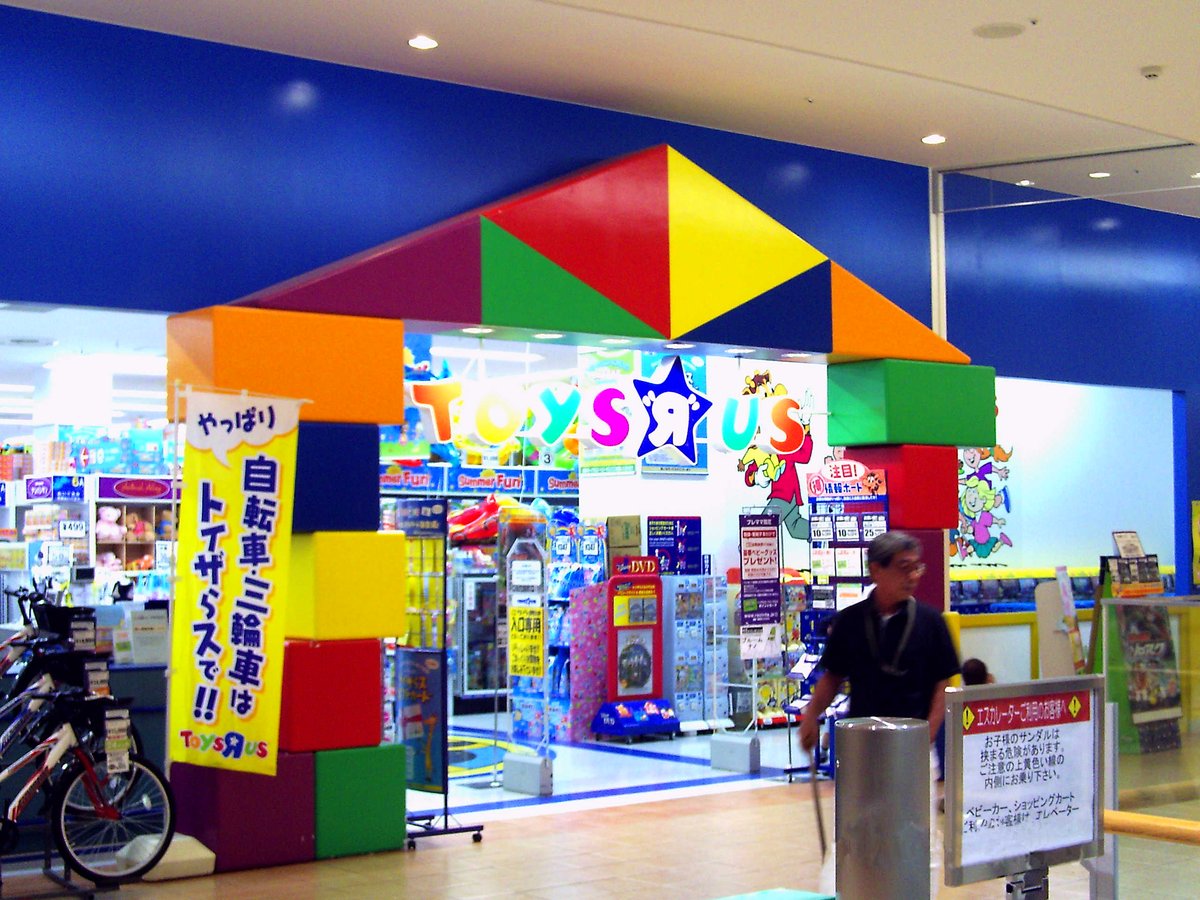
民事再生法は、会社を潰すのではなく、仕事を続けながら経営を立て直すための法律だ。つまり、店がすぐに潰れるわけではない。トイザらスの店も普段どおり営業しており、会社は今後も営業を継続するとしている。
店はこれからどうなるのか
買い物をする人にとって一番気になるのは、店がこれからどうなるかだろう。申請と同じ日、「ドン・キホーテ」などを展開するパン・パシフィック・インターナショナルホールディングス(PPIH)が、トイザらスの仕事を引き受ける契約を結んだ。仕事がPPIHのグループの会社に移るのは10月30日の予定で、それ以後は、PPIHのグループが店を経営することになる。PPIHは、トイザらスが加わることで、新たな客を集めることを狙っている。
銀行から必要なお金を借りる手続きもすでに済んでおり、それまでの間も店は開いている。PPIHは、働く人をできるだけ全員そのまま雇うことを目指している。すべての店を引き受けられるよう、建物を貸している人たちに協力を頼む方針だ。
10月2日には、お金を払う相手に向けた説明会が開かれ、約70名が参加した。会社の代表が謝り、会社の代理人は、100万円以下の支払いは、これまでどおり品物を納めてもらうことを条件に、予定どおり払うと説明した。100万円を超える支払いについても、払うことを目指すという。10月中旬には、仕事を移すことについての説明会も開く予定だという。
なぜ苦しくなったのか
日本トイザらスは1991年に国内で最初の店を開いた。その後、赤ちゃんのための品物を売る「ベビーザらス」も展開し、店の数を増やしてきた。2026年7月の時点で、店の数は158だった。
売上が最も多かったのは2007年1月までの1年間で、約1943億6500万円あった。しかし、子どもの数が減る少子化が進んで、インターネットの通信販売との競争も激しくなり、売上は次第に減っていった。2017年9月には、アメリカの関係会社も、経営を立て直すための手続きを申請した。
2025年12月までの期間の売上は約752億1100万円まで減り、8回続けて損を出した。希望する人に辞めてもらうなどの努力もしたが、売上の低下は止まらず、今回の申請になった。
子どもが少なくなり、インターネットで簡単に物が買える時代に、おもちゃだけを売る店をどう続けていくのか。果たして、新たな持ち主のもとで、トイザらスは再び客を集められるだろうか。
Words in this article
The 73 words at JLPT N2 or above, and the specialist words that are on no JLPT list.
| Word | Reading | Meaning | JLPT |
|---|---|---|---|
| トイザらス | Toys"R"Us (toy store chain) | Not on JLPT lists | |
| 日本トイザらス | にほんトイザらス | Toys"R"Us Japan (the company) | Not on JLPT lists |
| ベビーザらス | Babies"R"Us (baby goods store chain) | Not on JLPT lists | |
| 民事再生法 | みんじさいせいほう | Civil Rehabilitation Act (a law for rebuilding a company in trouble) | Not on JLPT lists |
| 申請した | しんせいした | applied for (from 申請する) | N2 from 申請 |
| 申請 | しんせい | application; filing | N2 |
| おもちゃ | toy | Not on JLPT lists | |
| 展開する | てんかいする | to run (stores) in many places; to expand | N2 from 展開 |
| 展開し | てんかいし | ran (stores) in many places, and (from 展開する) | Not on JLPT lists |
| 東京地方裁判所 | とうきょうちほうさいばんしょ | Tokyo District Court | Not on JLPT lists |
| したもの | (it is that someone) did (〜したものだ = explains what happened) | Not on JLPT lists | |
| 東京商工リサーチ | とうきょうしょうこうリサーチ | Tokyo Shoko Research (a credit research company) | Not on JLPT lists |
| 払わなければならない | はらわなければならない | must pay (from 払う) | Not on JLPT lists |
| にのぼる | reaches; amounts to | Not on JLPT lists | |
| 潰す | つぶす | to shut down; to crush (a company) | N2 |
| のではなく | instead of | Not on JLPT lists | |
| 続け | つづけ | continue (from 続ける) | Not on JLPT lists |
| ながら | while | Not on JLPT lists | |
| 立て直す | たてなおす | to rebuild; to put back on its feet | Not on JLPT lists |
| どおり | as; just like (普段どおり = as usual) | Not on JLPT lists | |
| 営業しており | えいぎょうしており | is open for business, and (from 営業する) | Not on JLPT lists |
| 継続する | けいぞくする | to continue | N2 from 継続 |
| 気になる | きになる | to be on one's mind; to want to know | Not on JLPT lists |
| ドン・キホーテ | Don Quijote (discount store chain) | Not on JLPT lists | |
| パン・パシフィック・インターナショナルホールディングス | Pan Pacific International Holdings | Not on JLPT lists | |
| 引き受ける | ひきうける | to take on; to take over | N2 |
| 手続き | てつづき | procedure | N2 |
| 済んでおり | すんでおり | has been completed, and (from 済む) | Not on JLPT lists |
| それまで | until then | Not on JLPT lists | |
| できるだけ | as much as possible | Not on JLPT lists | |
| 目指し | めざし | aiming at, and (from 目指す) | Not on JLPT lists |
| 人たち | ひとたち | people | Not on JLPT lists |
| 説明会 | せつめいかい | briefing; information meeting | Not on JLPT lists |
| 開かれ | ひらかれ | was held, and (passive of 開く) | Not on JLPT lists |
| 謝り | あやまり | apologized, and (from 謝る) | Not on JLPT lists |
| これまで | until now | Not on JLPT lists | |
| 納めて | おさめて | delivering (goods to a store) (from 納める) | N2 from 納める |
| もらう | to have (someone) do (〜てもらう) | Not on JLPT lists | |
| 中旬 | ちゅうじゅん | the middle ten days of a month | N2 |
| なった | became | Not on JLPT lists | |
| 国内 | こくない | in the country; domestic | Not on JLPT lists |
| その後 | そのご | after that | Not on JLPT lists |
| 増やしてきた | ふやしてきた | has kept increasing (from 増やす) | N2 from 増やす |
| 時点 | じてん | point in time (〜の時点で = as of) | Not on JLPT lists |
| 売上 | うりあげ | sales | N2 |
| 子ども | こども | child | Not on JLPT lists |
| 少子化 | しょうしか | falling birthrate (fewer children being born) | Not on JLPT lists |
| インターネット | internet | Not on JLPT lists | |
| 通信販売 | つうしんはんばい | mail order; online shopping | Not on JLPT lists |
| なり | became, and (from なる) | Not on JLPT lists | |
| 減っていった | へっていった | went on decreasing (from 減る) | Not on JLPT lists |
| 関係会社 | かんけいがいしゃ | affiliated company | Not on JLPT lists |
| 減り | へり | decreased, and (from 減る) | Not on JLPT lists |
| 買える | かえる | can buy (from 買う) | Not on JLPT lists |
| 続けていく | つづけていく | to keep going (from 続ける) | Not on JLPT lists |
| 持ち主 | もちぬし | owner | Not on JLPT lists |
| もと | under (〜のもとで = under someone) | Not on JLPT lists | |
| 各地 | かくち | various places (全国各地 = all over the country) | N2 |
| 揃えた | そろえた | stocked; gathered a full range of (from 揃える) | N2 from 揃える |
| 潰れる | つぶれる | to go out of business; to be crushed | N2 |
| それ以後 | それいご | after that | Not on JLPT lists |
| 以後 | いご | after; from then on | N2 |
| 狙っている | ねらっている | is aiming for (from 狙う) | N2 from 狙う |
| 目指している | めざしている | is aiming for (from 目指す) | N2 from 目指す |
| 方針 | ほうしん | policy; plan | N2 |
| 超える | こえる | to exceed; to go over | N2 |
| 目指す | めざす | to aim for | N2 |
| 低下 | ていか | fall; decline | N2 |
| 止まらず | とまらず | did not stop, and (from 止まる) | Not on JLPT lists |
| 果たして | はたして | I wonder whether; really | N2 |
| そのまま | as they are | Not on JLPT lists | |
| 引き受けられる | ひきうけられる | can take on (from 引き受ける) | N2 from 引き受ける |
| 代理人 | だいりにん | representative; agent (here: the company's lawyer) | Not on JLPT lists |
123 more words from lower levels, plus names, numbers and grammar
| Word | Reading | Meaning | JLPT |
|---|---|---|---|
| が | (subject marker) | Grammar | |
| の | of; 's | Grammar | |
| 適用 | てきよう | application (of a law) | N3 |
| を | (object marker) | Grammar | |
| 全国 | ぜんこく | the whole country; nationwide | N3 |
| で | in; at; by | Grammar | |
| 川崎市 | かわさきし | Kawasaki City | Name |
| に | on; to; in | Grammar | |
| へ | to | Grammar | |
| によると | according to | Grammar | |
| 会社 | かいしゃ | company | N5 |
| お金 | おかね | money | N5 |
| は | (topic marker) | Grammar | |
| 合わせて | あわせて | in total; altogether | N3 from 合わせる |
| その | its; that | N5 | |
| 相手 | あいて | the other party; the people (someone deals with) | N3 |
| 1159名 | せんひゃくごじゅうきゅうめい | 1,159 people or companies | Number |
| 仕事 | しごと | work; business | N5 |
| 経営 | けいえい | management; running a business | N3 |
| ため | for (the sake of) | Grammar | |
| 法律 | ほうりつ | law | N4 |
| だ | is | Grammar | |
| 店 | みせ | store; shop | N5 |
| も | also; too | Grammar | |
| 普段 | ふだん | usually; ordinary times | N3 |
| 営業 | えいぎょう | business; being open | N3 |
| 今後 | こんご | from now on; in the future | N3 |
| と | (quoting) that | Grammar | |
| している | is doing (〜としている = says that) | Grammar | |
| これから | from now on | N4 | |
| どう | how | N5 | |
| なる | to become | N5 | |
| のか | (question) — I wonder | Grammar | |
| 買い物 | かいもの | shopping | N5 |
| する | to do | N5 | |
| にとって | for; to (someone) | Grammar | |
| 一番 | いちばん | most; the first | N5 |
| だろう | probably; I suppose | Grammar | |
| 同じ | おなじ | same | N5 |
| など | and so on; such as | Grammar | |
| 契約 | けいやく | contract | N3 |
| 結んだ | むすんだ | concluded; signed (from 結ぶ) | N3 from 結ぶ |
| グループ | group | N3 | |
| 移る | うつる | to move; to be transferred | N4 |
| 予定 | よてい | plan; schedule | N4 |
| 銀行 | ぎんこう | bank | N5 |
| から | from | Grammar | |
| 必要 | ひつよう | necessary | N4 |
| 借りる | かりる | to borrow | N5 |
| すでに | already | N3 | |
| 間 | あいだ | period; while | N4 |
| 開いている | あいている | is open (from 開く) | N5 from 開く |
| 働く | はたらく | to work | N5 |
| 全員 | ぜんいん | all members; everyone | N3 |
| こと | (makes a verb a noun) | Grammar | |
| すべて | all | N3 | |
| よう | so that | Grammar | |
| 建物 | たてもの | building | N5 |
| 貸している | かしている | is lending; is renting out (from 貸す) | N5 from 貸す |
| 協力 | きょうりょく | cooperation | N3 |
| 頼む | たのむ | to ask (for help) | N5 |
| という | it is said that; they say | Grammar | |
| 払う | はらう | to pay | N4 |
| 向けた | むけた | aimed at; for (from 向ける) | N3 from 向ける |
| 約 | やく | about | N3 |
| 70名 | ななじゅうめい | 70 people | Number |
| 参加した | さんかした | took part (from 参加する) | N3 from 参加 |
| 代表 | だいひょう | representative; head (of a company) | N3 |
| 以下 | いか | or less; up to | N4 |
| 支払い | しはらい | payment | N3 |
| 品物 | しなもの | goods | N4 |
| 条件 | じょうけん | condition | N3 |
| 説明した | せつめいした | explained (from 説明する) | N4 from 説明 |
| 移す | うつす | to move; to transfer | N3 |
| について | about | Grammar | |
| 開く | ひらく | to hold (a meeting) | N4 |
| なぜ | why | N5 | |
| 苦しく | くるしく | hard; in difficulty (苦しくなる = to get into difficulty) (from 苦しい) | N3 from 苦しい |
| 最初 | さいしょ | first | N4 |
| 開いた | ひらいた | opened (from 開く) | N4 from 開く |
| 赤ちゃん | あかちゃん | baby | N4 |
| 売る | うる | to sell | N5 |
| 数 | かず | number | N3 |
| あった | there were (from ある) | N5 from ある | |
| 最も | もっとも | the most | N4 |
| 多かった | おおかった | was large; was many (from 多い) | N5 from 多い |
| 1年間 | いちねんかん | 1 year (a period of one year) | Number |
| しかし | however | N5 | |
| 減る | へる | to decrease | N3 |
| 進んで | すすんで | advancing, and (from 進む) | N4 from 進む |
| 競争 | きょうそう | competition | N4 |
| 激しく | はげしく | fierce (激しくなる = to get fierce) (from 激しい) | N3 from 激しい |
| 次第に | しだいに | gradually | N3 from 次第 |
| アメリカ | America; the United States | Name | |
| 期間 | きかん | period | N3 |
| まで | to; as far as | Grammar | |
| 8回 | はちかい | 8 times (here: 8 business years) | Number |
| 続けて | つづけて | in a row (from 続ける) | N4 from 続ける |
| 損 | そん | loss | N3 |
| 出した | だした | made; posted (from 出す) | N5 from 出す |
| 希望する | きぼうする | to wish; to want | N3 from 希望 |
| 辞めて | やめて | quitting (from 辞める) | N3 from 辞める |
| 努力 | どりょく | effort | N3 |
| した | did | Grammar | |
| 今回 | こんかい | this time | N3 |
| 少なく | すくなく | few (少なくなる = to become fewer) (from 少ない) | N5 from 少ない |
| 簡単 | かんたん | easy; simple | N4 |
| 物 | もの | things | N5 |
| 時代 | じだい | era; age | N4 |
| 再び | ふたたび | again | N3 |
| 客 | きゃく | customer | N4 |
| 集められる | あつめられる | can attract; can gather (from 集める) | N4 from 集める |
| 集める | あつめる | to attract; to gather | N4 |
| や | and (listing examples) | Grammar | |
| つまり | in other words; that means | N3 | |
| すぐに | right away; soon | N5 | |
| わけではない | it does not mean that | Grammar | |
| ことになる | it will turn out that; it is arranged that | Grammar | |
| 加わる | くわわる | to join; to be added | N3 |
| 新たな | あらたな | new | N3 from 新た |
| それ | that | N5 | |
| いう | to say | N5 | |
| 雇う | やとう | to employ | N3 |
Questions
Try answering in Japanese, then open the answer to check yourself. In the reader, your answers and score are saved.
- 日本トイザらスは、10月1日に、どこに何を申請しましたか。
Show answer
東京地方裁判所に、民事再生法の適用を申請しました。
It applied to the Tokyo District Court to come under the Civil Rehabilitation Act.
- 民事再生法は、何のための法律ですか。
Show answer
会社を潰すのではなく、仕事を続けながら経営を立て直すための法律です。
It is a law for rebuilding a company's business while it keeps operating, instead of shutting it down.
- トイザらスの仕事を引き受けるのは、どこの会社ですか。仕事が移るのはいつの予定ですか。
Show answer
PPIH(パン・パシフィック・インターナショナルホールディングス)です。仕事が移るのは10月30日の予定です。
PPIH (Pan Pacific International Holdings). The business is due to move over on October 30.
- PPIHは、働く人と店について、どうすることを目指していますか。
Show answer
働く人をできるだけ全員そのまま雇うことを目指しています。すべての店を引き受けられるよう、建物を貸している人たちに協力を頼む方針です。
It aims to keep as many workers as possible, ideally all of them, and will ask the landlords to cooperate so it can take over every store.
- 記事によると、トイザらスの売上が減ったのはなぜですか。
Show answer
子どもの数が減る少子化が進んで、インターネットの通信販売との競争も激しくなったからです。
Because the birthrate kept falling, so there were fewer children, and competition with online shopping grew fierce.
- 2025年12月までの期間の売上はどのくらいでしたか。何回続けて損を出しましたか。
Show answer
約752億1100万円で、8回続けて損を出しました。
About 75.2 billion yen (75,211 million yen), and it posted a loss for the 8th business year in a row.
- あなたは、おもちゃを店で買うのと、インターネットで買うのと、どちらがいいと思いますか。それはなぜですか。
Example answer
わたしは店で買うほうがいいと思います。おもちゃは実際に手に取って選びたいからです。
I think buying in a store is better, because I want to pick up a toy and choose it with my own hands.
If you're new to Japanese, the Textbook teaches it step by step from zero. If you can't read kana yet, start with Starter.
Start from zero Lesson 1 (N5)More N2 reading
- 淡水魚の分布が北へ――外国の肉食の魚も、本州の川で初めて確認 2026年10月30日
- 貨物だけを運ぶ道路――つくばで「自動物流道路」の実験 2026年10月29日
- 知られていない魚の魅力を広める――水産庁が4種類を選ぶ 2026年10月28日
- 3年以内の離職率、大学を出た人は31.2%に下がる 2026年10月27日
- 研修医、地方の病院を選ぶ人の割合が60.9%に 2026年10月26日
- 外国からの旅行者、9月は5.0%減の310万人 中国が減り、韓国は増加 2026年10月25日