Reading › N2 › 日本海のズワイガニ、資源は高い水準
日本海のズワイガニ、資源は高い水準
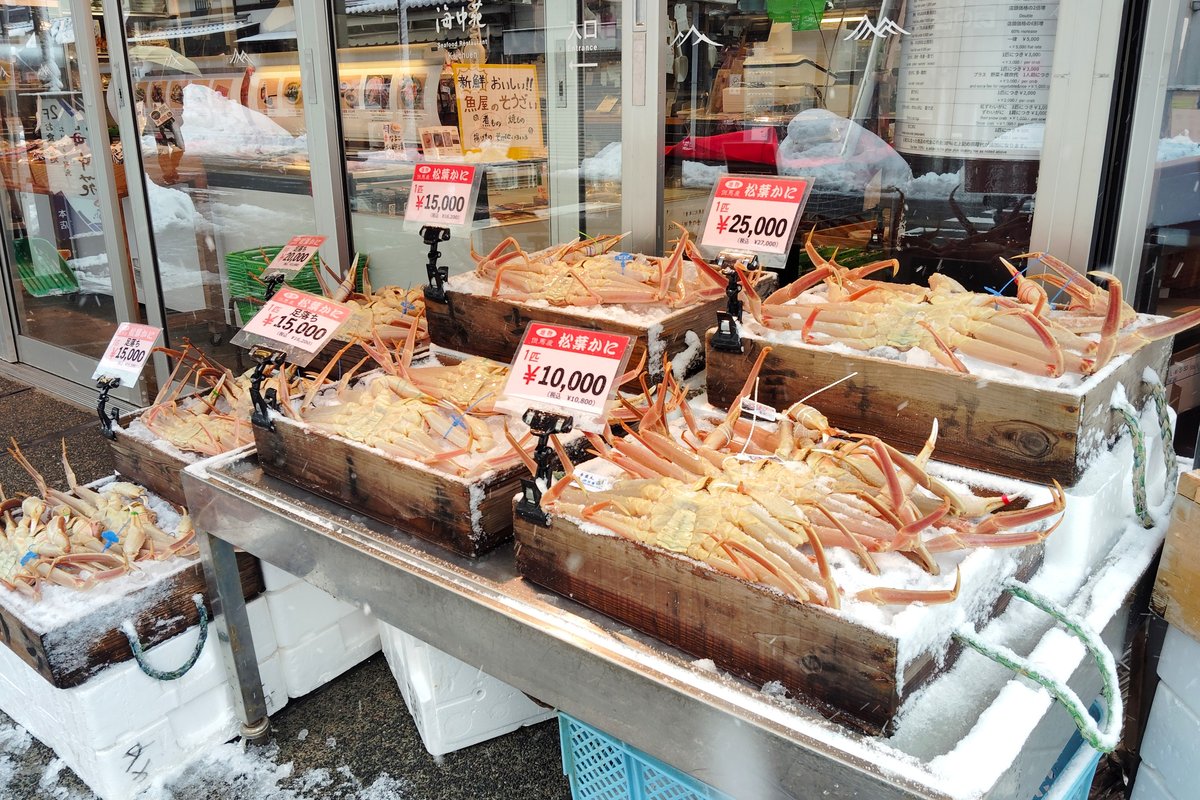
Written for learners with AI assistance, based on: 水産庁 · original source ↗
In the reader you can tap any word to see its reading, meaning and JLPT level, save the ones you don't know, and quiz yourself on them.
Open in the reader冬の名物として人気の高い、高級なカニのズワイガニ。その日本海での資源について、水産庁が10月2日、最新の評価の結果を公表した。国の研究機関は192の種類の魚などの資源を調べており、今回はその中の8種類、15の資源の結果が出た。
富山から島根の海では、資源量が再び増加
富山県から島根県までの日本海では、ズワイガニは水深200〜500メートルの海に多く分布している。この海でとれた量は2007年のシーズンまで増えたが、その後は下降し、2025年のシーズンは2.4千トンだった。
一方、海にいるカニの量を推定した「資源量」は、増えたり減ったりを繰り返してきた。2023年のシーズンからは再び増え、2025年のシーズンは2.7万トンとなった。2026年のシーズンは2.4万トンになると推定されている。
資源を守るための努力も続いている。近年は、殻がまだ柔らかい「ミズガニ」を、あまりとらないようにしている。親になるカニの量は国が目標とする基準の2.79倍あり、とる量は基準の0.33倍にとどまっている。
新潟から秋田の海では、過去最高に近い
新潟県から秋田県までの日本海でも、資源は多い。この海の資源量は、2014年のシーズンに過去最低の2300トンまで減ったが、2021年のシーズンから急に増え、2024年のシーズンには過去最高となった。2025年のシーズンは6826トンで、2024年のシーズンよりは少なかったものの、高い水準が続いている。
ただし、この海でとれる量はそれほど多くない。とれた量は1960年代に約1000トン、1980年代に約800トンの山があったが、その後は減り、2025年のシーズンは263トンだった。カニをとるのは、10月から次の年の5月までだ。
ズワイガニの資源は、豊富だ。どちらの海でも、親になるカニの量は国の目標を超えている。富山県から島根県の海では、国が決めた方針でとり続けた場合、2036年のシーズンに親のカニの量が目標を超える確率は76%と計算されている。資源を守りながら、この先も冬の名物を味わえるようにすることが大切だ。
Words in this article
The 42 words at JLPT N2 or above, and the specialist words that are on no JLPT list.
| Word | Reading | Meaning | JLPT |
|---|---|---|---|
| 高級 | こうきゅう | high-class; luxury | N2 |
| 最新 | さいしん | latest; newest | Not on JLPT lists |
| 公表 | こうひょう | official announcement; publication | N2 |
| 分布 | ぶんぷ | distribution; range (where a species lives) | N2 |
| その後 | そのご | after that | Not on JLPT lists |
| 増え | ふえ | increased (and ...) (from 増える) | Not on JLPT lists |
| なった | became | Not on JLPT lists | |
| 近年 | きんねん | in recent years | Not on JLPT lists |
| 基準 | きじゅん | standard; reference level | N2 |
| とる | to catch (fish, crabs) | Not on JLPT lists | |
| 秋田 | あきた | Akita | Not on JLPT lists |
| ただし | however | N2 | |
| とれる | can be caught | Not on JLPT lists | |
| 減り | へり | decreasing (and ...) | Not on JLPT lists |
| 方針 | ほうしん | policy; plan | N2 |
| 超える | こえる | to exceed; to go over | N2 |
| 確率 | かくりつ | probability | N2 |
| 守り | まもり | keeping; protecting (from 守る) | Not on JLPT lists |
| ながら | although; while | Not on JLPT lists | |
| 名物 | めいぶつ | specialty; famous local product | N2 |
| カニ | crab | Not on JLPT lists | |
| ズワイガニ | snow crab | Not on JLPT lists | |
| 日本海 | にほんかい | the Sea of Japan | Not on JLPT lists |
| 資源量 | しげんりょう | stock size (the amount living in the sea) | Not on JLPT lists |
| 研究機関 | けんきゅうきかん | research institute | Not on JLPT lists |
| 調べており | しらべており | is examining, and (from 調べる) | Not on JLPT lists |
| 水深 | すいしん | water depth | Not on JLPT lists |
| 下降し | かこうし | went down, and (from 下降する) | Not on JLPT lists |
| 推定した | すいていした | estimated (from 推定する) | N2 from 推定 |
| 推定されている | すいていされている | is estimated (passive of 推定する) | N2 from 推定 |
| 殻 | から | shell | N2 |
| ミズガニ | mizugani (a snow crab whose shell is still soft) | Not on JLPT lists | |
| とらない | not catch (from とる) | Not on JLPT lists | |
| 超えている | こえている | is above; exceeds (from 超える) | N2 from 超える |
| 味わえる | あじわえる | can enjoy (eating) (from 味わう) | Not on JLPT lists |
| 富山 | とやま | Toyama | Not on JLPT lists |
| 島根 | しまね | Shimane | Not on JLPT lists |
| 新潟 | にいがた | Niigata | Not on JLPT lists |
| シーズン | season (here: the fishing season, July to the following June) | N2 | |
| とれた | was caught (from とれる) | Not on JLPT lists | |
| とどまっている | stays (at); is limited to (from とどまる) | N2 from とどまる | |
| とり続けた | とりつづけた | kept catching (from とり続ける) | Not on JLPT lists |
104 more words from lower levels, plus names, numbers and grammar
| Word | Reading | Meaning | JLPT |
|---|---|---|---|
| 冬 | ふゆ | winter | N5 |
| の | of; 's | Grammar | |
| として | as | Grammar | |
| 人気 | にんき | popularity; popular | N3 |
| 高い | たかい | high | N5 |
| な | (links an adjective) | Grammar | |
| その | its; that | N5 | |
| で | in; at; with | Grammar | |
| について | about; regarding | Grammar | |
| が | (subject marker) | Grammar | |
| 評価 | ひょうか | assessment; evaluation | N3 |
| 結果 | けっか | result | N3 |
| を | (object marker) | Grammar | |
| した | did | Grammar | |
| 国 | くに | country | N5 |
| 研究 | けんきゅう | research | N4 |
| は | (topic marker) | Grammar | |
| 種類 | しゅるい | kind; type | N3 |
| 魚 | さかな | fish | N5 |
| など | and so on | Grammar | |
| 今回 | こんかい | this time | N3 |
| 中 | なか | among; inside | N5 |
| 出た | でた | came out (from 出る) | N5 from 出る |
| から | from | Grammar | |
| 海 | うみ | sea; ocean | N5 |
| 量 | りょう | amount; quantity | N3 |
| 増加 | ぞうか | increase | N3 |
| まで | to; up to | Grammar | |
| に | to; at; in | Grammar | |
| 多く | おおく | many | N5 from 多い |
| している | is doing | Grammar | |
| この | this; these | N5 | |
| 増えた | ふえた | increased | N4 from 増える |
| 一方 | いっぽう | on the other hand | N3 |
| いる | is (doing) | Grammar | |
| と | and; with | Grammar | |
| なる | to become | N5 | |
| されている | has been done | N5 from する | |
| 守る | まもる | to protect | N3 |
| ため | for (the sake of) | Grammar | |
| 努力 | どりょく | effort | N3 |
| も | also; even | Grammar | |
| 続いている | つづいている | is continuing | N4 from 続く |
| まだ | still; not yet | N5 | |
| あまり | (not) much | N5 | |
| よう | so that; to (asking someone to do) | Grammar | |
| 親 | おや | parent | N4 |
| 目標 | もくひょう | target | N3 |
| する | to make; to do | N5 | |
| あり | there are (from ある) | N5 from ある | |
| 過去 | かこ | the past | N3 |
| 最高 | さいこう | the highest | N3 |
| 近い | ちかい | close | N5 |
| 多い | おおい | many | N5 |
| 最低 | さいてい | the lowest | N3 |
| 減った | へった | decreased (from 減る) | N3 from 減る |
| より | than | Grammar | |
| 少なかった | すくなかった | was few (from 少ない) | N5 from 少ない |
| ものの | although | Grammar | |
| 水準 | すいじゅん | level | N3 |
| それほど | (not) that much | N4 | |
| 多くない | おおくない | not many | N5 from 多い |
| 約 | やく | about; approximately | N3 |
| 山 | やま | peak (on a graph) | N5 |
| あった | there was (from ある) | N5 from ある | |
| だ | is | Grammar | |
| どちら | which; either | N5 | |
| 決めた | きめた | decided (past of 決める) | N4 from 決める |
| 場合 | ばあい | case; when | N4 |
| 計算 | けいさん | calculation | N3 |
| こと | thing; fact | Grammar | |
| 大切 | たいせつ | important | N5 |
| どの | which | N5 | |
| 資源 | しげん | resources; (fish) stocks | N3 |
| 水産庁 | すいさんちょう | Fisheries Agency | Name |
| 富山県 | とやまけん | Toyama Prefecture | Name |
| 島根県 | しまねけん | Shimane Prefecture | Name |
| 新潟県 | にいがたけん | Niigata Prefecture | Name |
| 秋田県 | あきたけん | Akita Prefecture | Name |
| 再び | ふたたび | again | N3 |
| 500メートル | ごひゃくメートル | 500 meters | Number |
| 2.4千トン | にてんよんせんトン | 2,400 tons | Number |
| だった | was | Grammar | |
| 増えたり | ふえたり | increasing (and so on) (from 増える) | N4 from 増える |
| 減ったり | へったり | decreasing (and so on) (from 減る) | N3 from 減る |
| 繰り返してきた | くりかえしてきた | has kept repeating (from 繰り返す) | N3 from 繰り返す |
| 2.7万トン | にてんななまんトン | 27,000 tons | Number |
| 2.4万トン | にてんよんまんトン | 24,000 tons | Number |
| 柔らかい | やわらかい | soft | N4 |
| 2.79倍 | にてんななきゅうばい | 2.79 times | Number |
| 0.33倍 | れいてんさんさんばい | 0.33 times | Number |
| 2300トン | にせんさんびゃくトン | 2,300 tons | Number |
| 急に | きゅうに | suddenly; sharply | N3 |
| 6826トン | ろくせんはっぴゃくにじゅうろくトン | 6,826 tons | Number |
| 1960年代 | せんきゅうひゃくろくじゅうねんだい | the 1960s | Number |
| 1000トン | せんトン | 1,000 tons | Number |
| 1980年代 | せんきゅうひゃくはちじゅうねんだい | the 1980s | Number |
| 800トン | はっぴゃくトン | 800 tons | Number |
| 263トン | にひゃくろくじゅうさんトン | 263 tons | Number |
| 豊富 | ほうふ | plentiful; abundant | N3 |
| 続けた | つづけた | continued (from 続ける) | N4 from 続ける |
| 先 | さき | the future; ahead | N5 |
| 機関 | きかん | institution; organization | N3 |
| 次 | つぎ | next | N5 |
Questions
Try answering in Japanese, then open the answer to check yourself. In the reader, your answers and score are saved.
- 今回、水産庁は何について、どんな結果を公表しましたか。
Show answer
日本海のズワイガニなどの資源について、最新の評価の結果を公表しました。
It published the latest assessment of fish stocks, including snow crab in the Sea of Japan.
- 富山県から島根県までの海で、2025年のシーズンにとれた量はどのくらいでしたか。
Show answer
2.4千トンでした。
It was 2,400 tons (2.4 thousand tons).
- その海の資源量は、2023年のシーズンからどう変わりましたか。
Show answer
再び増え、2025年のシーズンは2.7万トンとなりました。
It rose again, reaching 27,000 tons in the 2025 season.
- 資源を守るために、どんな努力をしていますか。
Show answer
殻がまだ柔らかい「ミズガニ」を、あまりとらないようにしています。
They avoid catching many mizugani, crabs whose shells are still soft.
- 新潟県から秋田県までの海の資源量は、2014年のシーズンからどう変わりましたか。
Show answer
過去最低の2300トンまで減りましたが、2021年のシーズンから急に増え、2024年のシーズンには過去最高となりました。
It fell to a record low of 2,300 tons, then rose sharply from the 2021 season and hit a record high in the 2024 season.
- 2036年のシーズンに親のカニの量が目標を超える確率は、どのくらいと計算されていますか。
Show answer
76%と計算されています。
It is calculated at 76%.
- 魚やカニの資源を守るために、食べる人にできることはあると思いますか。あなたの考えを書いてください。
Example answer
あると思います。小さいカニや、とってはいけない時期の魚を買わないようにすれば、資源を守ることにつながると思います。
I think so. If we avoid buying small crabs or fish caught out of season, it helps protect the stocks.
If you're new to Japanese, the Textbook teaches it step by step from zero. If you can't read kana yet, start with Starter.
Start from zero Lesson 1 (N5)More N2 reading
- 淡水魚の分布が北へ――外国の肉食の魚も、本州の川で初めて確認 2026年10月30日
- 貨物だけを運ぶ道路――つくばで「自動物流道路」の実験 2026年10月29日
- 知られていない魚の魅力を広める――水産庁が4種類を選ぶ 2026年10月28日
- 3年以内の離職率、大学を出た人は31.2%に下がる 2026年10月27日
- 研修医、地方の病院を選ぶ人の割合が60.9%に 2026年10月26日
- 外国からの旅行者、9月は5.0%減の310万人 中国が減り、韓国は増加 2026年10月25日