Reading › N2 › 分布を広げる動物たち 自然の基礎調査が見た50年
分布を広げる動物たち 自然の基礎調査が見た50年
Written for learners with AI assistance, based on: 環境省 生物多様性センター · original source ↗
In the reader you can tap any word to see its reading, meaning and JLPT level, save the ones you don't know, and quiz yourself on them.
Open in the reader環境省は10月5日、「自然環境保全基礎調査」の50年分の結果をまとめた報告書を公表した。この調査は「緑の国勢調査」とも呼ばれ、1973年度から、日本全国の動物や植物、森林や湿地などの様子を調べてきた。2022年度に50年目になったことから、2023年度から2025年度にかけて、これまでの資料を合わせて分析した。
分布を広げる動物、姿を消す動物
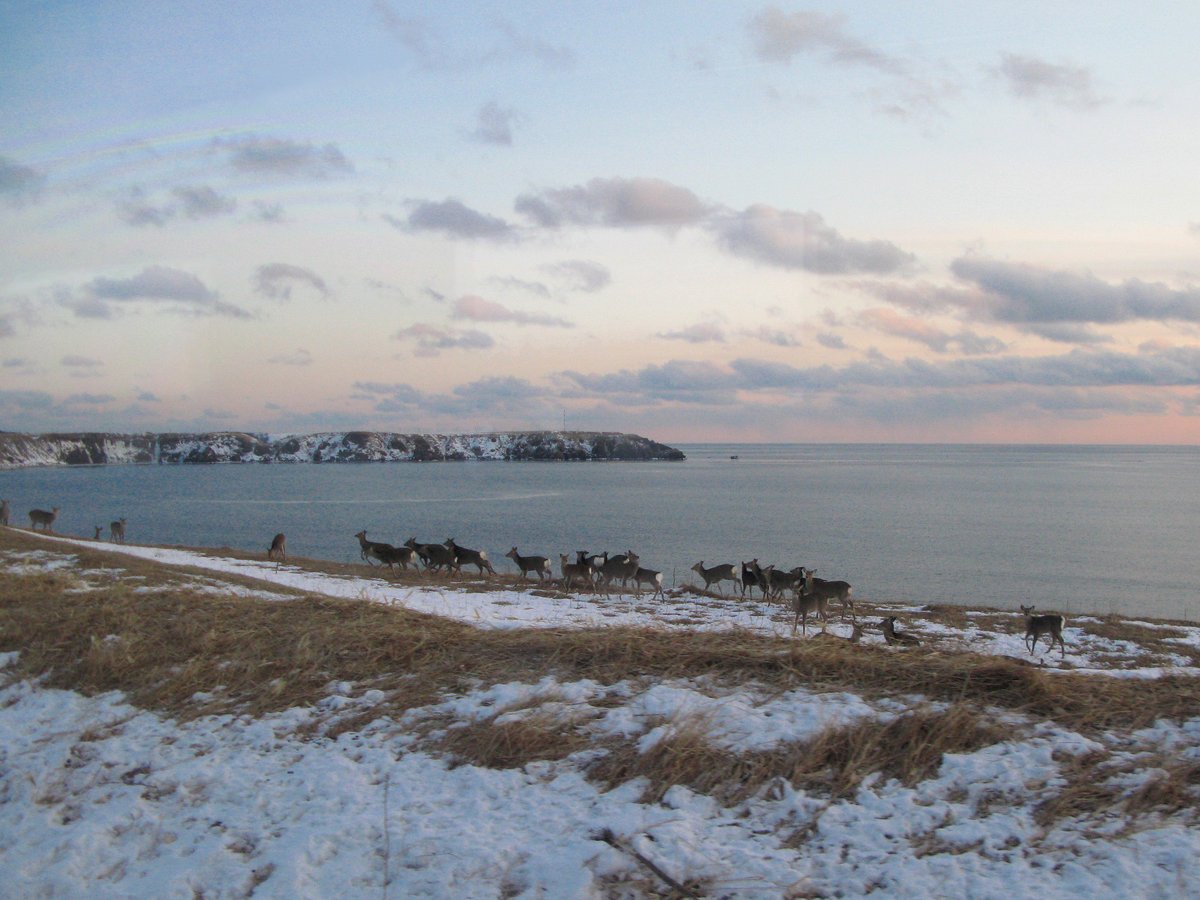
大きく分布を広げたのは、シカやイノシシ、クマ、サルなどの大型・中型の動物だ。1970年代以降、各地で分布が広がった。中でもシカは、全国で大きく分布を広げ、最近は、以前はあまりいなかった高い山や、東北地方の日本海側、北海道の西部にも侵入している。このように、シカは各地で分布を広げる。シカが植物を食べることで、植物が枯れたり、土が流されたりする被害が広がるのではないかと心配されている。
一方、昔は広い地域にいたのに、今は絶滅が心配されている動物もいる。報告書は、こうした動物を「元普通種」に分類し、61の種類を調べた。ウナギやメダカ、タガメなどで、大きな川や湖、湿地、田んぼがある平野に多い。
外国から来た生物は、30年あまりで2倍以上に
外国から持ち込まれ、法律で「特定外来生物」に指定された動物の分布も調べた。全国で確認された種類の数は、1990年以前の19から、2022年には41に増え、2倍を超えた。特に関東地方で目立ち、13から32に増えた。アライグマも、全国で急に分布を広げている。
温かい地方の生き物が北へ
気候の変化による影響も見えてきた。ミソサザイやヒヨドリなどの鳥は、1990年代以降、北海道の北部や東部でも冬を越すようになった。南の地方が原産のチョウ、ナガサキアゲハは、2000年以降、関東地方でも見られるようになった。気温が上がったことや、幼虫が食べるミカンなどの木を育てる地域が広がったことが、主な理由だと考えられている。
森林は増え、草原は減った
土地の使われ方も変わった。1979年から1998年までと、1999年から2023年までの2つの時期に区切って面積を比べると、森林は増えた一方で、草原は減った。田んぼや畑、松の林、ススキの草原が減り、竹の林は増えた。町の中では、森林や田んぼ、畑が減って、建物の多い地域が増えた。
草原や湿地は、つながりも弱くなっている。動物が移動できる、つながった草原の割合が減ったのだ。ただ、田んぼが湿地の代わりになれば、つながりを増やせる可能性があるという。50年分の記録は、これからの自然を守る対策の基礎になるだろう。
Words in this article
The 73 words at JLPT N2 or above, and the specialist words that are on no JLPT list.
| Word | Reading | Meaning | JLPT |
|---|---|---|---|
| 自然環境保全基礎調査 | しぜんかんきょうほぜんきそちょうさ | the National Survey on the Natural Environment | Not on JLPT lists |
| まとめた | compiled (from まとめる) | N2 from まとめる | |
| 報告書 | ほうこくしょ | report (document) | Not on JLPT lists |
| 公表 | こうひょう | official announcement; publication | N2 |
| 国勢調査 | こくせいちょうさ | national census (緑の国勢調査 = the "Green Census", the survey's nickname) | Not on JLPT lists |
| 呼ばれ | よばれ | is called (and ...) (from 呼ぶ) | Not on JLPT lists |
| 森林 | しんりん | forest; woodland | N2 |
| 湿地 | しっち | wetland | Not on JLPT lists |
| なった | became | Not on JLPT lists | |
| 資料 | しりょう | materials; documents | N2 |
| 分布 | ぶんぷ | distribution; range (where a species lives) | N2 |
| 広げる | ひろげる | to spread; to widen | N2 |
| 広げた | ひろげた | spread; widened (past of 広げる) | N2 from 広げる |
| シカ | deer (sika deer) | Not on JLPT lists | |
| イノシシ | wild boar | Not on JLPT lists | |
| クマ | bear | Not on JLPT lists | |
| サル | monkey | Not on JLPT lists | |
| 大型 | おおがた | large (size) | Not on JLPT lists |
| 中型 | ちゅうがた | medium-sized | Not on JLPT lists |
| 以降 | いこう | since; from ... on | N2 |
| 各地 | かくち | various places | N2 |
| 中でも | なかでも | above all; among them | Not on JLPT lists |
| 広げ | ひろげ | widening (from 広げる) | Not on JLPT lists |
| 東北地方 | とうほくちほう | the Tohoku region (northeastern Honshu) | Not on JLPT lists |
| 日本海側 | にほんかいがわ | the Sea of Japan side | Not on JLPT lists |
| 西部 | せいぶ | western part | Not on JLPT lists |
| 侵入 | しんにゅう | moving into; invasion | N2 |
| 枯れたり | かれたり | dying (of plants), and so on (from 枯れる) | N2 from 枯れる |
| ない | there is no | Not on JLPT lists | |
| 元普通種 | もとふつうしゅ | "formerly common species" (once widespread, now endangered) | Not on JLPT lists |
| 分類し | ぶんるいし | classifying, and (from 分類する) | Not on JLPT lists |
| ウナギ | eel | Not on JLPT lists | |
| メダカ | Japanese rice fish (medaka) | Not on JLPT lists | |
| タガメ | giant water bug | Not on JLPT lists | |
| 田んぼ | たんぼ | rice paddy | N2 |
| 平野 | へいや | plain; flat land | N2 |
| 来た | きた | came (past of 来る) | Not on JLPT lists |
| 持ち込まれ | もちこまれ | brought in (passive of 持ち込む) | Not on JLPT lists |
| 特定外来生物 | とくていがいらいせいぶつ | invasive alien species (designated by law) | Not on JLPT lists |
| 指定 | してい | designation (指定する = to designate) | N2 |
| 増え | ふえ | increasing, and (from 増える) | Not on JLPT lists |
| 超えた | こえた | went over; exceeded (past of 超える) | N2 from 超える |
| 関東地方 | かんとうちほう | the Kanto region (around Tokyo) | Not on JLPT lists |
| 目立ち | めだち | standing out (from 目立つ) | Not on JLPT lists |
| アライグマ | raccoon | Not on JLPT lists | |
| 広げて | ひろげて | spreading (from 広げる) | N2 from 広げる |
| 温かい | あたたかい | warm | Not on JLPT lists |
| ミソサザイ | Eurasian wren (a small bird) | Not on JLPT lists | |
| ヒヨドリ | brown-eared bulbul (a common bird) | Not on JLPT lists | |
| 北部 | ほくぶ | northern part | Not on JLPT lists |
| 東部 | とうぶ | eastern part | Not on JLPT lists |
| 原産 | げんさん | native to; originally from (a place) | N2 |
| チョウ | butterfly | Not on JLPT lists | |
| ナガサキアゲハ | great Mormon (a large southern swallowtail butterfly) | Not on JLPT lists | |
| 幼虫 | ようちゅう | larva | Not on JLPT lists |
| ミカン | mandarin orange (tree) | Not on JLPT lists | |
| 主な | おもな | main; chief | Not on JLPT lists |
| 草原 | そうげん | grassland | Not on JLPT lists |
| 使われ方 | つかわれかた | the way (something) is used | Not on JLPT lists |
| 区切って | くぎって | dividing (from 区切る) | N2 from 区切る |
| 面積 | めんせき | area (size of land) | N2 |
| ススキ | Japanese pampas grass | Not on JLPT lists | |
| 減り | へり | decreasing (and ...) | Not on JLPT lists |
| 竹 | たけ | bamboo | N2 |
| つながり | connection; link | Not on JLPT lists | |
| なって | becoming (from なる) | Not on JLPT lists | |
| つながった | connected; linked (from つながる) | N2 from つながる | |
| なれば | if (it) becomes (from なる) | Not on JLPT lists | |
| 増やせる | ふやせる | can increase (from 増やす) | Not on JLPT lists |
| 可能性 | かのうせい | possibility | Not on JLPT lists |
| 対策 | たいさく | countermeasure | N2 |
| 基礎 | きそ | foundation; basis | N2 |
| たち | (plural) | Not on JLPT lists |
132 more words from lower levels, plus names, numbers and grammar
| Word | Reading | Meaning | JLPT |
|---|---|---|---|
| 環境省 | かんきょうしょう | the Ministry of the Environment | Name |
| は | (topic marker) | Grammar | |
| の | of; 's | Grammar | |
| 結果 | けっか | result | N3 |
| を | (object marker) | Grammar | |
| した | did | Grammar | |
| この | this | N5 | |
| 調査 | ちょうさ | survey | N3 |
| 緑 | みどり | green | N5 |
| と | and; with | Grammar | |
| も | also | Grammar | |
| から | from | Grammar | |
| 日本 | にほん | Japan | Name |
| 全国 | ぜんこく | the whole country; nationwide | N3 |
| 動物 | どうぶつ | animal | N5 |
| や | and (listing examples) | Grammar | |
| 植物 | しょくぶつ | plant | N3 |
| など | and so on | Grammar | |
| 様子 | ようす | state; condition | N3 |
| 調べて | しらべて | looking into (from 調べる) | N4 from 調べる |
| きた | came (past of 来る); 〜てきた = has come to | N5 | |
| に | to; at; in | Grammar | |
| 50年目 | ごじゅうねんめ | the 50th year | Number |
| こと | (makes a verb into a noun) | Grammar | |
| にかけて | through; over (a period) | Grammar | |
| これ | this | N5 | |
| まで | until; up to | Grammar | |
| 合わせて | あわせて | putting together (from 合わせる) | N3 from 合わせる |
| 分析 | ぶんせき | analysis | N3 |
| 姿 | すがた | figure; appearance | N3 |
| 消す | けす | to wipe out (姿を消す = to disappear) | N5 |
| 大きく | おおきく | greatly | N5 from 大きい |
| だ | is (plain) | Grammar | |
| 1970年代 | せんきゅうひゃくななじゅうねんだい | the 1970s | Number |
| で | in; at; by | Grammar | |
| が | (subject marker) | Grammar | |
| 広がった | ひろがった | widened | N3 from 広がる |
| 最近 | さいきん | recently | N4 |
| 以前 | いぜん | before; previously | N3 |
| あまり | (not) much | N5 | |
| いなかった | there were not (past negative of いる) | Grammar | |
| 高い | たかい | high | N5 |
| 山 | やま | mountain | N5 |
| 北海道 | ほっかいどう | Hokkaido | Name |
| して | doing, and ... (from する) | Grammar | |
| いる | is (doing) | Grammar | |
| よう | (〜ようになる = to come to; to start to) | Grammar | |
| 食べる | たべる | to eat | N5 |
| 土 | つち | soil; earth | N3 |
| 流されたり | ながされたり | being washed away, and so on (from 流す) | N3 from 流す |
| する | to do | N5 | |
| 被害 | ひがい | damage; harm | N3 |
| 広がる | ひろがる | to widen; to spread | N3 |
| 心配 | しんぱい | worry; concern | N4 |
| されて | being (done) (passive of する) | Grammar | |
| 一方 | いっぽう | on the other hand | N3 |
| 昔 | むかし | long ago; the old days | N4 |
| 広い | ひろい | wide; spacious | N5 |
| 地域 | ちいき | region; area | N3 |
| いた | there were (people) | Grammar | |
| のに | even though | Grammar | |
| 今 | いま | now | N5 |
| 絶滅 | ぜつめつ | extinction | N3 |
| こうした | such; these | N4 from こう | |
| 種類 | しゅるい | kind; type | N3 |
| 調べた | しらべた | looked into; surveyed (past of 調べる) | N4 from 調べる |
| 大きな | おおきな | big | N5 |
| 川 | かわ | river | N5 |
| 湖 | みずうみ | lake | N4 |
| ある | there is | N5 | |
| 多い | おおい | many | N5 |
| 外国 | がいこく | foreign countries | N5 |
| 生物 | せいぶつ | living thing; organism | N3 |
| 2倍 | にばい | twice; double | Number |
| 以上 | いじょう | or more | N4 |
| 法律 | ほうりつ | law | N4 |
| された | was done (passive of する) | N5 from する | |
| 確認 | かくにん | confirmation; check | N3 |
| 数 | かず | number | N3 |
| 特に | とくに | especially | N4 |
| 増えた | ふえた | increased (from 増える) | N4 from 増える |
| 急に | きゅうに | suddenly; rapidly | N3 |
| 地方 | ちほう | the regions; rural areas | N3 |
| 生き物 | いきもの | living thing; creature | N3 |
| 北 | きた | north | N5 |
| へ | to; toward | Grammar | |
| 気候 | きこう | climate | N3 |
| 変化 | へんか | change | N3 |
| による | due to; caused by | Grammar | |
| 影響 | えいきょう | influence; effect | N3 |
| 見えてきた | みえてきた | has come into view; has become clear (from 見える) | N4 from 見える |
| 鳥 | とり | bird | N5 |
| 1990年代 | せんきゅうひゃくきゅうじゅうねんだい | the 1990s | Number |
| 冬 | ふゆ | winter | N5 |
| 越す | こす | to get through (冬を越す = to spend the winter) | N3 |
| 南 | みなみ | south | N5 |
| でも | but | N5 | |
| 見られる | みられる | can be seen (from 見る) | N5 from 見る |
| 気温 | きおん | air temperature | N3 |
| 上がった | あがった | rose (from 上がる) | N4 from 上がる |
| 木 | き | tree | N5 |
| 育てる | そだてる | to raise; to bring up | N4 |
| 理由 | りゆう | reason | N4 |
| 考えられて | かんがえられて | being thought (passive of 考える) | N4 from 考える |
| 減った | へった | decreased | N3 from 減る |
| 土地 | とち | land | N3 |
| 変わった | かわった | changed (past of 変わる) | N4 from 変わる |
| 2つ | ふたつ | two (things) | Number |
| 時期 | じき | period; time | N3 |
| 比べる | くらべる | to compare | N4 |
| 畑 | はたけ | field; vegetable garden | N3 |
| 松 | まつ | pine (tree) | N3 |
| 林 | はやし | woods; forest | N4 |
| 町 | まち | town | N5 |
| 中 | なか | in; inside | N5 |
| 減って | へって | decreasing (from 減る) | N3 from 減る |
| 建物 | たてもの | building | N5 |
| 弱く | よわく | weak (弱くなる = to weaken) | N5 from 弱い |
| 移動 | いどう | travel; movement | N3 |
| できる | can; to be able to | N5 | |
| 割合 | わりあい | proportion; share | N4 |
| ただ | however; but | N3 | |
| 代わり | かわり | instead (〜代わりに = instead of) | N4 |
| いう | to say (〜という = it is said that) | N5 | |
| 記録 | きろく | record | N3 |
| これから | from now on | N4 | |
| 自然 | しぜん | nature | N3 |
| 守る | まもる | to protect | N3 |
| なる | to become | N5 | |
| だろう | probably; will likely | Grammar | |
| どの | which | N5 | |
| 見た | みた | saw (past of 見る) | N5 from 見る |
Questions
Try answering in Japanese, then open the answer to check yourself. In the reader, your answers and score are saved.
- 「緑の国勢調査」は、いつから行われている、どんな調査ですか。
Show answer
1973年度から行われている、日本全国の動物や植物、森林や湿地などの様子を調べる調査です。
It is a survey of animals, plants, forests, wetlands and so on across Japan, carried out since fiscal 1973.
- シカの分布は、どのように変わりましたか。
Show answer
全国で大きく分布を広げ、最近は高い山や、東北地方の日本海側、北海道の西部にも侵入しています。
Deer have spread widely across the country and have recently moved into high mountains, the Sea of Japan side of Tohoku and western Hokkaido.
- シカの分布が広がると、どんな被害が心配されていますか。
Show answer
シカが植物を食べることで、植物が枯れたり、土が流されたりする被害です。
Damage where plants die and soil is washed away because deer eat the plants.
- 「元普通種」とは、どんな動物のことですか。
Show answer
昔は広い地域にいたのに、今は絶滅が心配されている動物のことです。
Animals that once lived over wide areas but are now feared to be dying out.
- 特定外来生物の種類の数は、全国でどう変わりましたか。
Show answer
1990年以前の19から、2022年には41に増えました。
It rose from 19 before 1990 to 41 in 2022.
- ナガサキアゲハが関東地方でも見られるようになった理由は、何だと考えられていますか。
Show answer
気温が上がったことや、幼虫が食べるミカンなどの木を育てる地域が広がったことが、主な理由だと考えられています。
The main reasons are thought to be rising temperatures and the spread of areas growing citrus trees, which the caterpillars eat.
- あなたの住んでいる地域では、自然や生き物にどんな変化があると思いますか。
Example answer
わたしの町では、昔より田んぼが減って、カエルの声をあまり聞かなくなったと思います。
In my town, I think there are fewer rice fields than before, and you hardly hear frogs anymore.
If you're new to Japanese, the Textbook teaches it step by step from zero. If you can't read kana yet, start with Starter.
Start from zero Lesson 1 (N5)More N2 reading
- 淡水魚の分布が北へ――外国の肉食の魚も、本州の川で初めて確認 2026年10月30日
- 貨物だけを運ぶ道路――つくばで「自動物流道路」の実験 2026年10月29日
- 知られていない魚の魅力を広める――水産庁が4種類を選ぶ 2026年10月28日
- 3年以内の離職率、大学を出た人は31.2%に下がる 2026年10月27日
- 研修医、地方の病院を選ぶ人の割合が60.9%に 2026年10月26日
- 外国からの旅行者、9月は5.0%減の310万人 中国が減り、韓国は増加 2026年10月25日