Reading › N2 › 電池が原因の火災、ごみの処理中に3万9282件
電池が原因の火災、ごみの処理中に3万9282件
Written for learners with AI assistance, based on: 環境省 · original source ↗
In the reader you can tap any word to see its reading, meaning and JLPT level, save the ones you don't know, and quiz yourself on them.
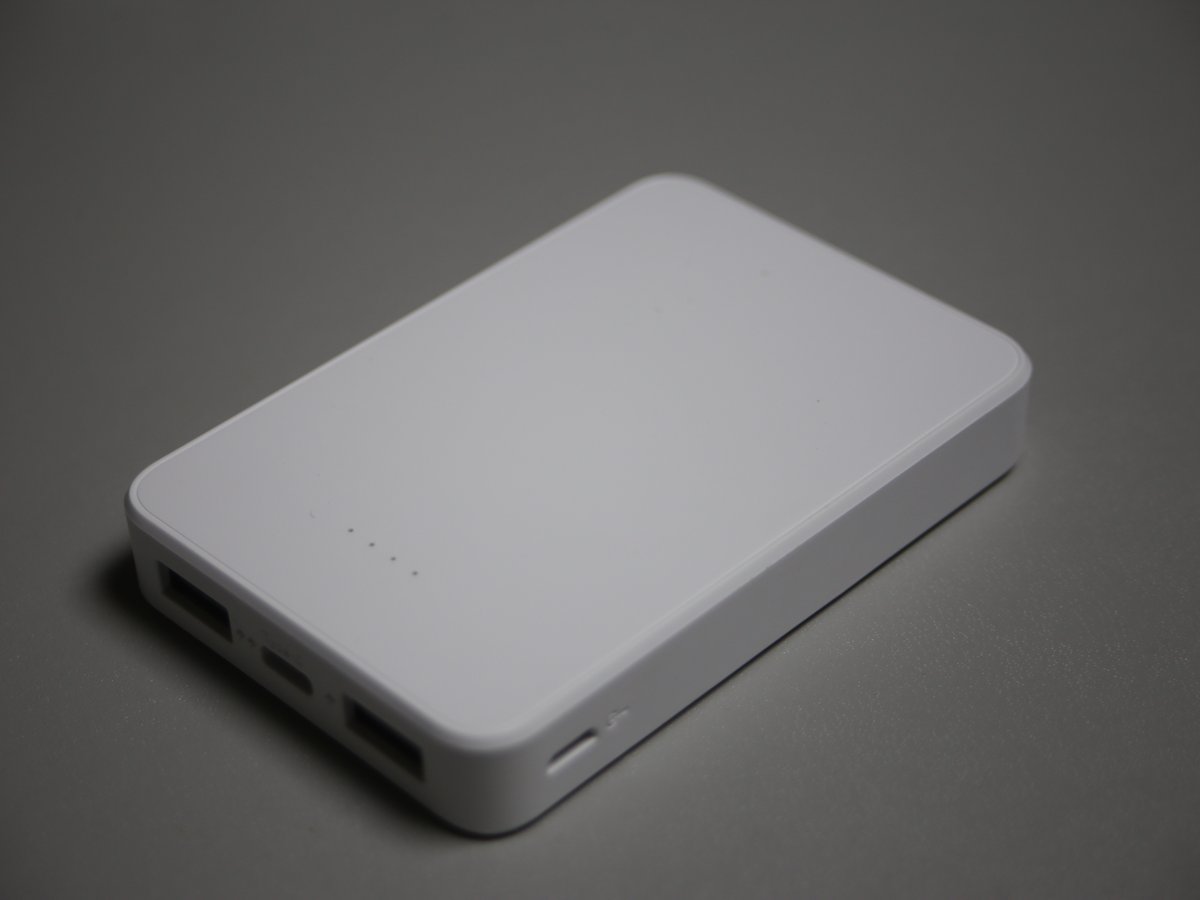
Open in the readerスマートフォンやモバイルバッテリーなどに使われているリチウムイオン電池が原因とみられる火災が、ごみを処理する現場で次々に起きている。環境省が9月29日に公表した調査によると、昨年度、全国でごみの処理中に起きた、リチウムイオン電池などが原因と疑われる火災や煙などは、3万9282件にのぼった。そのうち9456件は、働く人や消防が火を消さなければならなかった。
この調査は、全国の1741の市町村を対象に、今年4月から5月にかけて行われ、すべての市町村が答えた。電池を分けて集めているか、火災を防ぐためにどんな対策をとっているかなどを聞いた。
火が出やすいのは、ごみを砕く工場
火災が最も多く起きている場所は、ごみを細かく砕いたり、種類ごとに分けたり、潰したりする工場だ。電池が決められた方法で捨てられず、ほかのごみに混じってしまうと、機械で砕かれたときに強い力がかかり、火が出ることが多いと考えられている。
ごみの分類別に見ると、火災が起きたという答えが最も多かったのは「燃えないごみ」で393件、次が「燃やすごみ」の171件、「粗大ごみ」の164件だった。火が出た製品で最も多かったのはモバイルバッテリーで、次が加熱式たばこだった。小さくて値段が安いものや、表面がプラスチックのものが多いという。
電池を集める市町村は86.2%に
リチウムイオン電池や、電池を使った製品を集めている市町村は、全体の86.2%で、前の年度より8.9ポイント増えた。集め方で最も多いのは、住民が清掃工場に持っていくやり方で、電池だけなら57.9%、電池を使った製品なら60.5%の市町村がこの方法をとっている。役所の窓口に持参するやり方や、ごみを出す場所で集めるやり方もある。
一方で、電池を分けて集めていない市町村も240あり、全体の13.8%にあたる。そのうち106の市町村が集めることを検討しており、87の市町村は始める予定だと答えた。集めていない理由で最も多かったのは「体制を作ったり、人を集めたりするのが難しい」というもので、「近くに電池を受け取ってくれる会社がない」という答えも多かった。
都道府県別に見ると、電池を集めている市町村が80%以上なのは40の都府県で、80%に届かないのは7つの道県だった。また、膨らんだり形が変わったりした電池を集めている市町村は、41.3%にとどまった。環境省は、こうした電池をどう集め、どこに置いておくかについて、各地の例をまとめた資料も公表した。
捨てる前に、決まりを確かめる
電池の火災を防ぐには、どうすればいいのか。多くの市町村は、集めた電池を燃えにくい容器や金属の容器に入れて置いている。ごみを集める車に火を消す道具を積んだり、工場で機械にかける前に、人の手で電池を取り出したりしているところも多い。
環境省は、11月を「リチウムイオン電池による火災防止月間」として、注意を呼びかけている。11月2日には東京でシンポジウムを開き、電池を「賢く選ぶ」「丁寧に使う」「正しく捨てる」ことの大切さを伝える予定だ。家庭でも、電池の入った製品をほかのごみに混ぜずに、住んでいる町の決まりを確かめてから捨てることが大切だ。
Words in this article
The 53 words at JLPT N2 or above, and the specialist words that are on no JLPT list.
| Word | Reading | Meaning | JLPT |
|---|---|---|---|
| スマートフォン | smartphone | Not on JLPT lists | |
| モバイルバッテリー | power bank; portable battery | Not on JLPT lists | |
| リチウムイオン電池 | リチウムイオンでんち | lithium-ion battery | Not on JLPT lists |
| 電池 | でんち | battery | N2 |
| みられる | is thought to be; is seen as | Not on JLPT lists | |
| 公表した | こうひょうした | made public; released (from 公表する) | N2 from 公表 |
| 昨年度 | さくねんど | last fiscal year | Not on JLPT lists |
| のぼった | reached; amounted to (from のぼる) | Not on JLPT lists | |
| 消さなければならなかった | けさなければならなかった | had to put out (from 消す) | Not on JLPT lists |
| 行われ | おこなわれ | was carried out (from 行う) | Not on JLPT lists |
| 対策 | たいさく | measure; countermeasure | N2 |
| とっている | is taking (from とる) | Not on JLPT lists | |
| 出やすい | でやすい | easily comes out; tends to break out (from 出る) | Not on JLPT lists |
| 砕く | くだく | to break up; to crush | N2 |
| 砕いたり | くだいたり | crushing and so on (from 砕く) | N2 from 砕く |
| 潰したり | つぶしたり | crushing flat and so on (from 潰す) | N2 from 潰す |
| 捨てられず | すてられず | without being thrown away (from 捨てる) | Not on JLPT lists |
| 混じって | まじって | getting mixed in (from 混じる) | N2 from 混じる |
| 砕かれた | くだかれた | was crushed (from 砕く) | N2 from 砕く |
| 分類 | ぶんるい | classification; category | N2 |
| 燃やす | もやす | to burn | N2 |
| 粗大ごみ | そだいごみ | oversized garbage (furniture, appliances) | Not on JLPT lists |
| 加熱式たばこ | かねつしきたばこ | heated tobacco | Not on JLPT lists |
| プラスチック | plastic | N2 | |
| 集め方 | あつめかた | way of collecting | Not on JLPT lists |
| 清掃工場 | せいそうこうじょう | waste treatment plant; garbage incineration plant | Not on JLPT lists |
| 持っていく | もっていく | to take (something somewhere) | Not on JLPT lists |
| やり方 | やりかた | way of doing | Not on JLPT lists |
| 役所 | やくしょ | government office; city hall | N2 |
| 窓口 | まどぐち | service counter; window | N2 |
| 持参する | じさんする | to bring (with oneself) | N2 from 持参 |
| あたる | to correspond to; to be equal to | Not on JLPT lists | |
| 検討しており | けんとうしており | is considering (from 検討する) | Not on JLPT lists |
| 体制 | たいせい | system; setup (of staff and organization) | N2 |
| 都道府県 | とどうふけん | prefectures (of Japan) | Not on JLPT lists |
| 膨らんだり | ふくらんだり | swelling and so on (from 膨らむ) | N2 from 膨らむ |
| とどまった | stayed at (only) (from とどまる) | N2 from とどまる | |
| 集め | あつめ | collect (and) (from 集める) | Not on JLPT lists |
| 各地 | かくち | various places; each area | N2 |
| まとめた | put together; compiled (from まとめる) | N2 from まとめる | |
| 資料 | しりょう | materials; documents | N2 |
| 多くの | おおくの | many | Not on JLPT lists |
| 燃えにくい | もえにくい | hard to burn; fire-resistant (from 燃える) | Not on JLPT lists |
| 容器 | ようき | container | N2 |
| 積んだり | つんだり | loading and so on (from 積む) | N2 from 積む |
| 取り出したり | とりだしたり | taking out and so on (from 取り出す) | N2 from 取り出す |
| 防止 | ぼうし | prevention | N2 |
| 月間 | げっかん | month (of a campaign) | Not on JLPT lists |
| 呼びかけている | よびかけている | is calling on (people) (from 呼びかける) | N2 from 呼びかける |
| シンポジウム | symposium | Not on JLPT lists | |
| 開き | ひらき | holding (from 開く) | Not on JLPT lists |
| 大切さ | たいせつさ | importance | Not on JLPT lists |
| 混ぜずに | まぜずに | without mixing (from 混ぜる) | Not on JLPT lists |
118 more words from lower levels, plus names, numbers and grammar
| Word | Reading | Meaning | JLPT |
|---|---|---|---|
| 使われている | つかわれている | are used (from 使う) | N5 from 使う |
| 原因 | げんいん | cause | N4 |
| 火災 | かさい | fire (a fire that damages property) | N3 |
| ごみ | garbage; trash | N4 | |
| 処理する | しょりする | to process; to deal with | N3 from 処理 |
| 現場 | げんば | site; place where work is done | N3 |
| 環境省 | かんきょうしょう | Ministry of the Environment | Name |
| 調査 | ちょうさ | survey; investigation | N3 |
| によると | according to | Grammar | |
| 全国 | ぜんこく | the whole country; nationwide | N3 |
| 処理 | しょり | processing; disposal | N3 |
| 中 | ちゅう | during; in the middle of | N3 |
| 起きた | おきた | happened (from 起きる) | N5 from 起きる |
| 疑われる | うたがわれる | is suspected (from 疑う) | N3 from 疑う |
| 煙 | けむり | smoke | N3 |
| 3万9282件 | さんまんきゅうせんにひゃくはちじゅうにけん | 39,282 cases | Number |
| 9456件 | きゅうせんよんひゃくごじゅうろっけん | 9,456 cases | Number |
| 働く | はたらく | to work | N5 |
| 火 | ひ | fire | N4 |
| 市町村 | しちょうそん | cities, towns and villages; municipalities | Name |
| 対象 | たいしょう | target; subject (of a survey) | N3 |
| 今年 | ことし | this year | N5 |
| にかけて | over (a period); from ... to | Grammar | |
| 答えた | こたえた | answered (from 答える) | N5 from 答える |
| 分けて | わけて | separating (from 分ける) | N3 from 分ける |
| 集めている | あつめている | is collecting (from 集める) | N4 from 集める |
| 防ぐ | ふせぐ | to prevent | N3 |
| 聞いた | きいた | asked (from 聞く) | N5 from 聞く |
| 工場 | こうじょう | factory; plant | N4 |
| 最も | もっとも | most | N4 |
| 多く | おおく | many; a lot (from 多い) | N5 from 多い |
| 起きている | おきている | is happening (from 起きる) | N5 from 起きる |
| 場所 | ばしょ | place | N4 |
| 細かく | こまかく | into small pieces (from 細かい) | N4 from 細かい |
| 種類 | しゅるい | kind; type | N3 |
| ごと | each; by (種類ごと = by type) | N5 from ご | |
| 分けたり | わけたり | sorting and so on (from 分ける) | N3 from 分ける |
| 決められた | きめられた | set; decided (from 決める) | N4 from 決める |
| 方法 | ほうほう | method; way | N3 |
| 機械 | きかい | machine | N3 |
| 強い | つよい | strong | N5 |
| 力 | ちから | force; strength | N4 |
| かかり | is applied (from かかる) | N3 | |
| 出る | でる | to come out; to break out (a fire) | N5 |
| 考えられている | かんがえられている | is thought (from 考える) | N4 from 考える |
| 別 | べつ | by (分類別 = by category) | N4 |
| 見る | みる | to look at | N5 |
| 答え | こたえ | answer; response | N4 |
| 多かった | おおかった | was the most; were many (from 多い) | N5 from 多い |
| 燃えない | もえない | non-burnable (from 燃える) | N3 from 燃える |
| 393件 | さんびゃくきゅうじゅうさんけん | 393 cases | Number |
| 次 | つぎ | next | N5 |
| 171件 | ひゃくななじゅういっけん | 171 cases | Number |
| 164件 | ひゃくろくじゅうよんけん | 164 cases | Number |
| 出た | でた | came out; broke out (from 出る) | N5 from 出る |
| 製品 | せいひん | product | N3 |
| 小さくて | ちいさくて | small and (from 小さい) | N5 from 小さい |
| 値段 | ねだん | price | N4 |
| 安い | やすい | cheap | N5 |
| 表面 | ひょうめん | surface | N3 |
| 多い | おおい | many; a lot | N5 |
| という | it is said | Grammar | |
| 集める | あつめる | to collect | N4 |
| 使った | つかった | used (from 使う) | N5 from 使う |
| 全体 | ぜんたい | the whole; the total | N3 |
| 前 | まえ | before; previous | N5 |
| 8.9ポイント | はってんきゅうポイント | 8.9 points | Number |
| 増えた | ふえた | increased (from 増える) | N4 from 増える |
| 住民 | じゅうみん | residents | N3 |
| 出す | だす | to put out (garbage) | N5 |
| 一方で | いっぽうで | on the other hand | N3 from 一方 |
| あり | there are (from ある) | N5 from ある | |
| 始める | はじめる | to start | N4 |
| 予定 | よてい | plan; schedule | N4 |
| 理由 | りゆう | reason | N4 |
| 作ったり | つくったり | making and so on (from 作る) | N5 from 作る |
| 集めたり | あつめたり | gathering and so on (from 集める) | N4 from 集める |
| 難しい | むずかしい | difficult | N5 |
| 近く | ちかく | nearby | N5 |
| 受け取って | うけとって | accepting; taking (from 受け取る) | N3 from 受け取る |
| 会社 | かいしゃ | company | N5 |
| 以上 | いじょう | or more | N4 |
| 都府県 | とふけん | prefectures (Tokyo, Osaka, Kyoto and the others) | Name |
| 届かない | とどかない | does not reach (from 届く) | N3 from 届く |
| 7つ | ななつ | seven | Number |
| 道県 | どうけん | prefectures (Hokkaido and other prefectures) | Name |
| 形 | かたち | shape | N4 |
| 変わったり | かわったり | changing and so on (from 変わる) | N4 from 変わる |
| 置いておく | おいておく | to keep (something somewhere) (from 置く) | N5 from 置く |
| 例 | れい | example | N3 |
| 捨てる | すてる | to throw away | N4 |
| 決まり | きまり | rule | N3 |
| 確かめる | たしかめる | to check; to make sure | N3 |
| 確かめて | たしかめて | checking (from 確かめる) | N3 from 確かめる |
| 集めた | あつめた | collected (from 集める) | N4 from 集める |
| 金属 | きんぞく | metal | N3 |
| 入れて | いれて | putting in (from 入れる) | N5 from 入れる |
| 置いている | おいている | keep; are keeping (from 置く) | N5 from 置く |
| 車 | くるま | vehicle; truck | N5 |
| 手 | て | hand | N5 |
| による | caused by; due to | Grammar | |
| 注意 | ちゅうい | caution; care | N4 |
| 東京 | とうきょう | Tokyo | Name |
| 賢く | かしこく | wisely (from 賢い) | N3 from 賢い |
| 選ぶ | えらぶ | to choose | N4 |
| 丁寧に | ていねいに | carefully (from 丁寧) | N4 from 丁寧 |
| 使う | つかう | to use | N5 |
| 正しく | ただしく | correctly (from 正しい) | N4 from 正しい |
| 伝える | つたえる | to tell; to convey | N4 |
| 家庭 | かてい | home; household | N5 |
| 入った | はいった | containing (from 入る) | N5 from 入る |
| 住んでいる | すんでいる | living (from 住む) | N5 from 住む |
| 町 | まち | town | N5 |
| 大切 | たいせつ | important | N5 |
| 次々に | つぎつぎに | one after another | N3 from 次々 |
| 消防 | しょうぼう | fire service; firefighters | N3 |
| 道具 | どうぐ | tool; equipment | N4 |
| 消す | けす | to put out (a fire) | N5 |
Questions
Try answering in Japanese, then open the answer to check yourself. In the reader, your answers and score are saved.
- 昨年度、全国でごみの処理中に起きた、リチウムイオン電池などが原因と疑われる火災や煙などは、何件でしたか。
Show answer
3万9282件でした。そのうち9456件は、働く人や消防が火を消さなければなりませんでした。
39,282. In 9,456 of them, workers or firefighters had to put out the fire.
- 火災が最も多く起きている場所はどこですか。そこで火が出るのはなぜですか。
Show answer
ごみを細かく砕いたり、種類ごとに分けたり、潰したりする工場です。ほかのごみに混じった電池が、機械で砕かれたときに強い力がかかり、火が出ると考えられているからです。
At plants that crush, sort and compress garbage. Batteries mixed in with other garbage are thought to catch fire when the machines crush them and put strong force on them.
- 火が出た製品で最も多かったのは何ですか。どんな製品が多いですか。
Show answer
モバイルバッテリーで、次が加熱式たばこでした。小さくて値段が安いものや、表面がプラスチックのものが多いそうです。
Power banks, followed by heated tobacco devices. Many are small and cheap, or have a plastic surface.
- 電池や電池を使った製品を集めている市町村は、全体のどのくらいですか。前の年度と比べてどう変わりましたか。
Show answer
全体の86.2%で、前の年度より8.9ポイント増えました。
86.2% of them, up 8.9 points from the previous fiscal year.
- 電池を分けて集めていない市町村は、なぜ集めていないのですか。
Show answer
最も多い理由は、体制を作ったり、人を集めたりするのが難しいことです。近くに電池を受け取ってくれる会社がないという答えも多かったです。
The most common reason is that it is hard to set up the system and find the staff. Many also said there is no company nearby that will take the batteries.
- 市町村は、電池の火災を防ぐために、どんな対策をとっていますか。
Show answer
集めた電池を燃えにくい容器や金属の容器に入れて置いたり、ごみを集める車に火を消す道具を積んだり、工場で機械にかける前に、人の手で電池を取り出したりしています。
They keep collected batteries in fire-resistant or metal containers, carry fire extinguishers on garbage trucks, and pick batteries out by hand at the plant before the garbage goes into the machines.
- あなたは、使わなくなった電池やモバイルバッテリーを、どのように捨てていますか。住んでいる町の決まりを知っていますか。
Example answer
わたしは、古い電池を役所の窓口に持参しています。でも、モバイルバッテリーをどう捨てればいいかは知らなかったので、町の決まりを確かめてみようと思います。
I take old batteries to the counter at city hall. But I didn't know how to throw away a power bank, so I'm going to check my town's rules.
If you're new to Japanese, the Textbook teaches it step by step from zero. If you can't read kana yet, start with Starter.
Start from zero Lesson 1 (N5)More N2 reading
- 緑茶の輸出、77.3%増 ベルリンでは日本の米の試験販売も 2026年10月13日
- 景気、9つの地域すべてで「回復」か「持ち直し」 日銀さくらレポート 2026年10月12日
- ラーメン店の倒産、46.4%増 飲食店は年度の前半で初めて500件を超える 2026年10月11日
- 硤合憲三さんにノーベル賞 生命の「鏡像」の謎に迫る 2026年10月10日
- 訪日旅行者の消費、ほぼ横ばい 中国の半減をほかの国が補う 2026年10月9日
- 列車の運休・遅延は増加傾向 運転事故は530件に減る 2026年10月8日