Reading › N2 › ラーメン店の倒産、46.4%増 飲食業は上半期で初めて500件を超える
ラーメン店の倒産、46.4%増 飲食業は上半期で初めて500件を超える
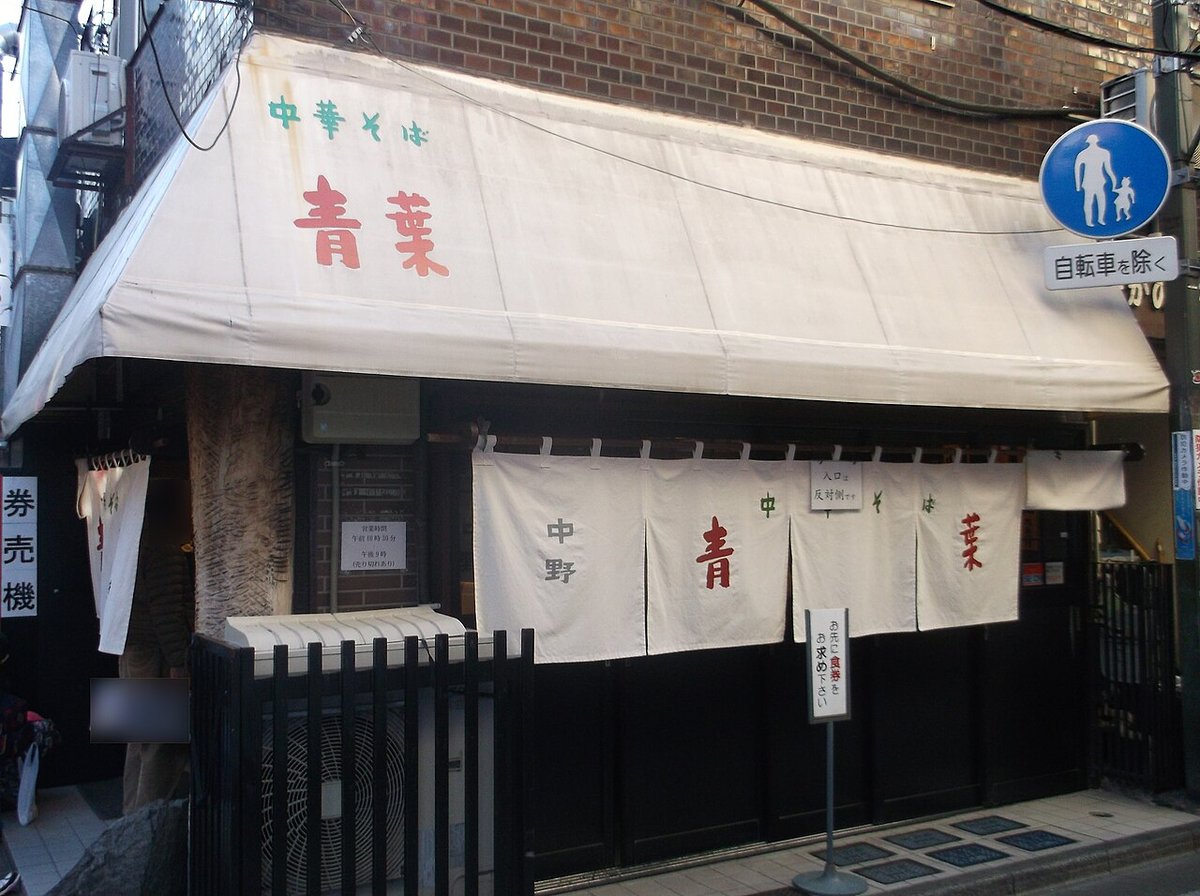
Written for learners with AI assistance, based on: 東京商工リサーチ · original source ↗
In the reader you can tap any word to see its reading, meaning and JLPT level, save the ones you don't know, and quiz yourself on them.
Open in the reader民間の信用調査会社、東京商工リサーチがまとめた調査によると、2026年度上半期(4~9月)の飲食業の倒産は514件で、前年同期より3.4%増えた。年度上半期としては、1997年以降の30年間で最も多く、初めて500件を超えた。
小さな店ほど苦しい
倒産した企業を資本金別に見ると、1千万円未満の小規模な企業が460件で、全体の89.4%を占めた。来日する旅行者が増えても、こうした小さな店の売り上げにはつながっていない。その一方で、食材や電気・ガス代、人件費といったコストは上がり続けており、経営が苦しくなっている。
倒産の原因で最も多かったのは「販売不振」で、424件と全体の82.4%に上った。物価が上がったことが原因の「物価高」倒産は79件で、前年同期より23.4%増え、「人手不足」倒産も41件と57.6%増加した。
ラーメン店は46.4%増
業種別では、「食堂、レストラン」が110件(27.9%増)、居酒屋が96件(15.6%増)と多かった。とくに、ラーメン店の倒産が目立つ。件数は41件だが、増加率は46.4%と、飲食業の中で最も高かった。中華料理店も16件と、33.3%増えた。
飲食店にとって難しいのは、コストが上がった分を価格に転嫁することだ。原材料やエネルギーの価格が上がっても、値上げをすれば客が離れてしまうかもしれないため、値上げをためらう店は多い。小さな店ほど、コストが上がったことで、お金のやりくりが苦しくなっている。
倒産の種類を見ると、店をやめる「破産」が484件と、94.1%を占めた。借金が1億円未満の倒産も456件で、88.7%に上る。小さな店が経営を継続する余力のないまま、店を閉じている様子がうかがえる。
今後も厳しい状況が続きそうだ。10月以降は最低賃金の引き上げで、人件費がさらに上がる。来年4月からの消費税の減税が飲食業にどのような影響を与えるのかも、注目される。
Words in this article
The 60 words at JLPT N2 or above, and the specialist words that are on no JLPT list.
| Word | Reading | Meaning | JLPT |
|---|---|---|---|
| ラーメン店 | ラーメンてん | ramen shop | Not on JLPT lists |
| 倒産 | とうさん | bankruptcy | N1 |
| 増 | ぞう | increase; up | Not on JLPT lists |
| 飲食業 | いんしょくぎょう | the restaurant business | Not on JLPT lists |
| 上半期 | かみはんき | first half (of the year) | Not on JLPT lists |
| 民間 | みんかん | private (sector) | N2 |
| 信用調査会社 | しんようちょうさがいしゃ | credit research company | Not on JLPT lists |
| 東京商工リサーチ | とうきょうしょうこうリサーチ | Tokyo Shoko Research (a company) | Not on JLPT lists |
| 前年同期 | ぜんねんどうき | the same period a year earlier | Not on JLPT lists |
| としては | as (a); for (a) | Not on JLPT lists | |
| 以降 | いこう | since; after | N2 |
| 超えた | こえた | exceeded (from 超える) | N2 from 超える |
| 倒産した | とうさんした | went bankrupt (from 倒産する) | N1 from 倒産 |
| 資本金 | しほんきん | capital (of a company) | Not on JLPT lists |
| 未満 | みまん | under; less than | N2 |
| 小規模 | しょうきぼ | small-scale | Not on JLPT lists |
| その一方で | そのいっぽうで | on the other hand; meanwhile | Not on JLPT lists |
| 食材 | しょくざい | ingredients | Not on JLPT lists |
| 人件費 | じんけんひ | labor costs | Not on JLPT lists |
| コスト | cost(s) | Not on JLPT lists | |
| 上がり続けており | あがりつづけており | keep rising (and ...) (from 上がり続ける) | Not on JLPT lists |
| 販売不振 | はんばいふしん | poor sales | Not on JLPT lists |
| 物価高 | ぶっかだか | high prices | Not on JLPT lists |
| 増え | ふえ | increased (and ...) (from 増える) | Not on JLPT lists |
| 人手不足 | ひとでぶそく | labor shortage | Not on JLPT lists |
| 業種 | ぎょうしゅ | type of business; industry | Not on JLPT lists |
| 業種別 | ぎょうしゅべつ | by type of business | Not on JLPT lists |
| 居酒屋 | いざかや | izakaya (Japanese pub) | Not on JLPT lists |
| 目立つ | めだつ | to stand out | N2 |
| 件数 | けんすう | number of cases | Not on JLPT lists |
| 増加率 | ぞうかりつ | rate of increase | Not on JLPT lists |
| 中華料理店 | ちゅうかりょうりてん | Chinese restaurant | Not on JLPT lists |
| 飲食店 | いんしょくてん | restaurant; eatery | Not on JLPT lists |
| 転嫁する | てんかする | to pass on (costs) | Not on JLPT lists |
| 原材料 | げんざいりょう | raw materials | Not on JLPT lists |
| 上がっても | あがっても | even if (they) rise (from 上がる) | Not on JLPT lists |
| 値上げ | ねあげ | price increase | Not on JLPT lists |
| すれば | if (one) does (from する) | Not on JLPT lists | |
| ためらう | to hesitate | Not on JLPT lists | |
| やめる | to stop; to quit | Not on JLPT lists | |
| 倒産 | とうさん | bankruptcy | N1 |
| 余力 | よりょく | spare strength; reserves | Not on JLPT lists |
| ないまま | without (having) | Not on JLPT lists | |
| うかがえる | can be seen; is evident | Not on JLPT lists | |
| 最低賃金 | さいていちんぎん | minimum wage | Not on JLPT lists |
| 引き上げ | ひきあげ | raise; increase | Not on JLPT lists |
| 消費税 | しょうひぜい | consumption tax | Not on JLPT lists |
| 減税 | げんぜい | tax cut | Not on JLPT lists |
| どのような | what kind of | Not on JLPT lists | |
| 超える | こえる | to exceed; to pass | N2 |
| まとめた | compiled (from まとめる) | N2 from まとめる | |
| 来日する | らいにちする | to come to Japan | N2 from 来日 |
| 旅行者 | りょこうしゃ | traveler | Not on JLPT lists |
| 増えても | ふえても | even if (they) increase | Not on JLPT lists |
| 売り上げ | うりあげ | sales; takings | N2 |
| つながっていない | has not led to (from つながる) | N2 from つながる | |
| ガス代 | ガスだい | gas bill | Not on JLPT lists |
| なって | becoming (なっている = has become) | Not on JLPT lists | |
| やりくり | managing (money); making ends meet | Not on JLPT lists | |
| 継続する | けいぞくする | to continue; to keep going | N2 from 継続 |
76 more words from lower levels, plus names, numbers and grammar
| Word | Reading | Meaning | JLPT |
|---|---|---|---|
| 500件 | ごひゃっけん | 500 cases | Number |
| によると | according to | Grammar | |
| 514件 | ごひゃくじゅうよんけん | 514 cases | Number |
| 30年間 | さんじゅうねんかん | 30 years | Number |
| 最も | もっとも | most | N4 |
| 多く | おおく | many (from 多い) | N5 from 多い |
| 初めて | はじめて | for the first time | N5 |
| 小さな | ちいさな | small | N5 |
| 店 | みせ | shop; store | N5 |
| ほど | the more ... | Grammar | |
| 苦しい | くるしい | hard; struggling | N3 |
| 企業 | きぎょう | company; business | N3 |
| 別 | べつ | by; classified by | N4 |
| 見る | みる | to look at | N5 |
| な | (links an adjective) | Grammar | |
| 460件 | よんひゃくろくじゅっけん | 460 cases | Number |
| 全体 | ぜんたい | the whole; overall | N3 |
| 占めた | しめた | accounted for (from 占める) | N3 from 占める |
| こうした | such; these | N4 from こう | |
| といった | such as | Grammar | |
| 経営 | けいえい | management; running a business | N3 |
| 原因 | げんいん | cause | N4 |
| 多かった | おおかった | was the most common (from 多い) | N5 from 多い |
| 424件 | よんひゃくにじゅうよんけん | 424 cases | Number |
| 上った | のぼった | reached; amounted to (from 上る) | N5 from 上る |
| 物価 | ぶっか | prices (of goods) | N3 |
| 79件 | ななじゅうきゅうけん | 79 cases | Number |
| より | than; from | Grammar | |
| 41件 | よんじゅういっけん | 41 cases | Number |
| 増加した | ぞうかした | increased (from 増加する) | N3 from 増加 |
| 食堂 | しょくどう | diner; eatery | N5 |
| レストラン | restaurant | N5 | |
| 110件 | ひゃくじゅっけん | 110 cases | Number |
| 96件 | きゅうじゅうろっけん | 96 cases | Number |
| だが | but | N3 | |
| 中 | なか | among | N5 |
| 高かった | たかかった | was high (from 高い) | N5 from 高い |
| 16件 | じゅうろっけん | 16 cases | Number |
| 増えた | ふえた | increased | N4 from 増える |
| にとって | for; to | Grammar | |
| 難しい | むずかしい | difficult | N5 |
| 価格 | かかく | price | N3 |
| こと | (makes a verb into a noun) | Grammar | |
| エネルギー | energy | N3 | |
| 客 | きゃく | customer | N4 |
| 離れてしまう | はなれてしまう | end up leaving (from 離れる) | N3 from 離れる |
| ため | because; so | Grammar | |
| 多い | おおい | many | N5 |
| 破産 | はさん | bankruptcy (liquidation) | N3 |
| 484件 | よんひゃくはちじゅうよんけん | 484 cases | Number |
| 456件 | よんひゃくごじゅうろっけん | 456 cases | Number |
| 上る | のぼる | to reach; to amount to | N5 |
| 閉じている | とじている | are closing (from 閉じる) | N3 from 閉じる |
| 様子 | ようす | state; appearance | N3 |
| 今後 | こんご | from now on; in the future | N3 |
| 厳しい | きびしい | severe; harsh | N4 |
| 状況 | じょうきょう | situation | N3 |
| 続き | つづき | continue (from 続く) | N3 |
| そうだ | looks likely | Grammar | |
| さらに | further | N3 | |
| 上がる | あがる | to rise | N4 |
| 来年 | らいねん | next year | N5 |
| 影響 | えいきょう | influence; effect | N3 |
| 与える | あたえる | to give; to have (an effect) | N3 |
| のか | whether | Grammar | |
| 注目される | ちゅうもくされる | attracts attention (from 注目する) | N3 from 注目 |
| 苦しく | くるしく | hard; struggling (from 苦しい) | N3 from 苦しい |
| どの | which | N5 | |
| 調査 | ちょうさ | survey; research | N3 |
| 電気 | でんき | electricity | N5 |
| 上がった | あがった | rose (from 上がる) | N4 from 上がる |
| かもしれない | might; may | Grammar | |
| お金 | おかね | money | N5 |
| 種類 | しゅるい | type; kind | N3 |
| 借金 | しゃっきん | debt | N3 |
| とくに | especially; in particular | N4 |
Questions
Try answering in Japanese, then open the answer to check yourself. In the reader, your answers and score are saved.
- 2026年度上半期の飲食業の倒産は何件でしたか。それはどのような記録ですか。
Show answer
514件でした。年度上半期としては、1997年以降の30年間で最も多く、初めて500件を超えました。
514. It was the most for a fiscal first half in the 30 years since 1997, and the first time the figure topped 500.
- 倒産した企業のうち、資本金1千万円未満の小規模な企業は、全体のどのくらいを占めていますか。
Show answer
460件で、全体の89.4%を占めています。
460 cases, or 89.4% of the total.
- 小さな店の経営が苦しくなっているのはなぜですか。
Show answer
来日する旅行者が増えても、小さな店の売り上げにはつながっていない一方で、食材や電気・ガス代、人件費といったコストが上がり続け、経営が苦しくなっているからです。
Because demand from the rise in foreign visitors has not reached them, while costs such as ingredients, utilities and labor keep rising and weigh heavily on the business.
- 「物価高」倒産と「人手不足」倒産は、それぞれどう変わりましたか。
Show answer
「物価高」倒産は79件で23.4%増え、「人手不足」倒産は41件で57.6%増加しました。
Bankruptcies blamed on high prices rose 23.4% to 79, and those blamed on labor shortages rose 57.6% to 41.
- 業種別に見ると、どの業種の増加率が最も高かったですか。
Show answer
ラーメン店です。増加率は46.4%でした。
Ramen shops, with an increase of 46.4%.
- 飲食店が値上げをためらうのはなぜですか。
Show answer
値上げをすれば客が離れてしまうかもしれないからです。
Because if they raise prices, customers may stop coming.
- よく行く店が値上げをしたら、あなたはその店に行き続けますか。理由も説明してください。
Example answer
店の味が好きなら、少し高くなっても行き続けると思います。コストが上がっていることはわかるので、店がなくなるより値上げのほうがいいからです。
If I like the food, I'd keep going even if it gets a little more expensive. I understand costs are rising, and a price increase is better than the shop closing.
If you're new to Japanese, the Lessons teach it step by step from zero. If you can't read kana yet, start with Starter.
Start from zero Lesson 1 (N5)More N2 reading
- 硤合憲三さんにノーベル賞 生命の「鏡像」の謎に迫る 2026年10月10日
- 訪日旅行者の消費、ほぼ横ばい 中国の半減をほかの国が補う 2026年10月9日
- 列車の運休・遅延は増加傾向 運転事故は530件に減る 2026年10月8日
- 待機児童、9年ぶりに増加 保育士の不足が影響 2026年10月7日
- 手書きの習慣「大切にすべき」8割、最もよく書くのは10代 2026年10月6日
- 実質の消費支出、8か月連続で減る 物価高で暮らしが苦しく 2026年10月5日