Reading › N2 › 訪日旅行者の消費、ほぼ横ばい 中国の半減をほかの国が補う
訪日旅行者の消費、ほぼ横ばい 中国の半減をほかの国が補う
Written for learners with AI assistance, based on: 観光庁 · original source ↗
In the reader you can tap any word to see its reading, meaning and JLPT level, save the ones you don't know, and quiz yourself on them.
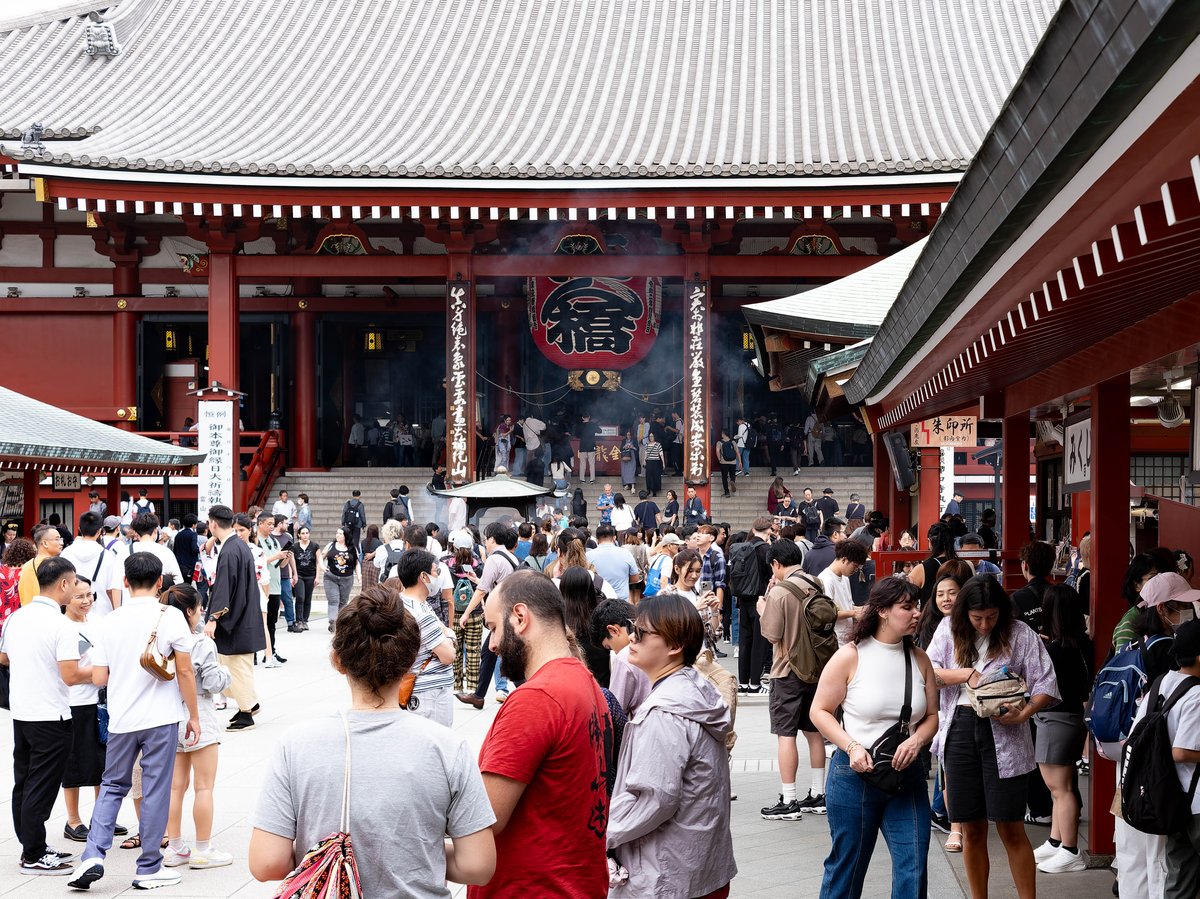
Open in the reader観光庁が9月30日に公表した、インバウンド消費に関する調査(2次速報)によると、2026年の4月から6月に訪日外国人が国内で使ったお金、すなわち旅行消費額は、前年同期と比べて0.3%の増加にとどまったと推計される。
つまり、旅行者の消費は、ほぼ横ばいだった。ただし、その中身は大きく変わっている。この期間に来日した外国人旅行者は約1040万人で、前年同期より5.3%減った。人数が減ったにもかかわらず消費額を維持できたのは、1人あたりの旅行支出が24万5千円と、3.4%増えたためだ。
中国からの客が半減
国籍・地域別に見ると、最も変化が目立ったのは中国だ。中国からの旅行者は約97万人と、前年同期から52.5%も減り、半分以下になった。中国の旅行者による消費額も2635億円と48.0%減った。前年同期には5064億円で全体の20.2%を占め、首位だったが、今回は3位に下がった。
代わって首位に立ったのは米国で、消費額は3860億円と8.9%増加し、全体の15.4%を占めた。2位の台湾は3618億円で27.1%、4位の韓国は2581億円で11.8%、それぞれ前年同期の額を超えた。韓国からの旅行者は259万人余りで、国・地域別では最も多い。
中国の減った分を、ほかの国・地域の伸びが補った形だ。一方で、中国からの旅行者1人あたりの支出は27万1093円で、むしろ11.2%増えている。旅行者が減った理由について、今回の資料は説明していない。
滞在が長いほど支出も多く
1人あたりの旅行支出を国籍・地域別に比べると、メキシコが52万1千円で最も高く、中東の47万8千円、英国の45万8千円が続いた。メキシコと中東は、今年の調査から新たに対象に加わった。平均の泊数を見ると、近い韓国の3.6泊に対し、英国は14.0泊と長い。滞在が長くなるほど、宿泊や飲食にかかる費用も膨らむ。
支出を項目ごとに見ると、宿泊費が全体の36.6%と最も多く、買物代の27.1%、飲食費の21.7%が続いた。前年同期と比べると、宿泊費の割合が下がった一方、飲食費や娯楽などのサービス費、買物代の割合が上がった。
特定の国・地域からの客に頼りすぎると、その市場が小さくなったときの影響は大きい。今回、中国からの旅行者が大きく減ったにもかかわらず消費額が前年並みを維持できたのは、多くの国・地域から旅行者が来日していたからだと言える。来日した人により長く滞在してもらい、地方にも足を運んで各地でお金を使ってもらえるかどうかが、今後の大きな問題となりそうだ。
Words in this article
The 51 words at JLPT N2 or above, and the specialist words that are on no JLPT list.
| Word | Reading | Meaning | JLPT |
|---|---|---|---|
| 公表 | こうひょう | official announcement; publication | N2 |
| インバウンド | inbound (foreign visitors to Japan) | Not on JLPT lists | |
| 速報 | そくほう | preliminary report; flash estimate | Not on JLPT lists |
| 訪日 | ほうにち | visiting Japan | Not on JLPT lists |
| 国内 | こくない | within the country; domestic | Not on JLPT lists |
| すなわち | that is; namely | Not on JLPT lists | |
| 消費額 | しょうひがく | amount spent; consumption | Not on JLPT lists |
| 推計 | すいけい | estimate | Not on JLPT lists |
| 前年同期 | ぜんねんどうき | the same period of the previous year | Not on JLPT lists |
| とどまった | stayed at; was limited to | N2 from とどまる | |
| 横ばい | よこばい | flat; leveling off | Not on JLPT lists |
| 中身 | なかみ | contents; substance | N2 |
| 旅行者 | りょこうしゃ | traveler; tourist | Not on JLPT lists |
| 人数 | にんずう | number of people | Not on JLPT lists |
| 半減 | はんげん | reduction by half | Not on JLPT lists |
| 国籍 | こくせき | nationality | N2 |
| なった | became (past of なる) | Not on JLPT lists | |
| 占め | しめ | occupying; accounting for (from 占める) | Not on JLPT lists |
| 首位 | しゅい | first place; top | Not on JLPT lists |
| 代わって | かわって | in place of; instead | N2 from 代わる |
| 米国 | べいこく | the United States | Not on JLPT lists |
| 伸び | のび | growth; increase | Not on JLPT lists |
| 補った | おぎなった | made up for (past of 補う) | N2 from 補う |
| 資料 | しりょう | materials; documents | N2 |
| していない | does not (do) | Not on JLPT lists | |
| 中東 | ちゅうとう | the Middle East | Not on JLPT lists |
| 英国 | えいこく | the United Kingdom; Britain | Not on JLPT lists |
| 対し | たいし | in contrast to (from 対する) | Not on JLPT lists |
| 飲食 | いんしょく | food and drink; eating and drinking | Not on JLPT lists |
| 膨らむ | ふくらむ | to swell; to grow larger | N2 |
| 宿泊費 | しゅくはくひ | lodging costs | Not on JLPT lists |
| 買物代 | かいものだい | shopping expenses | Not on JLPT lists |
| 飲食費 | いんしょくひ | food and drink expenses | Not on JLPT lists |
| 娯楽 | ごらく | entertainment; amusement | N2 |
| サービス費 | サービスひ | service expenses | Not on JLPT lists |
| 特定 | とくてい | specific; particular | N2 |
| 頼りすぎる | たよりすぎる | to rely too much on | Not on JLPT lists |
| 頼りすぎると | たよりすぎると | if (you) rely too much on | Not on JLPT lists |
| 市場 | しじょう | market | Not on JLPT lists |
| 前年並み | ぜんねんなみ | on a par with the previous year | Not on JLPT lists |
| 言える | いえる | can be said | Not on JLPT lists |
| なりそう | likely to become | Not on JLPT lists | |
| ほか | other | Not on JLPT lists | |
| 泊数 | はくすう | number of nights stayed | Not on JLPT lists |
| 来日した | らいにちした | came to Japan (from 来日する) | N2 from 来日 |
| 目立った | めだった | stood out (from 目立つ) | N2 from 目立つ |
| 減り | へり | decreasing (and ...) (from 減る) | Not on JLPT lists |
| 超えた | こえた | exceeded (from 超える) | N2 from 超える |
| 項目 | こうもく | item; category | N2 |
| 来日していた | らいにちしていた | had been coming to Japan (from 来日する) | N2 from 来日 |
| 各地 | かくち | various places; each region | N2 |
95 more words from lower levels, plus names, numbers and grammar
| Word | Reading | Meaning | JLPT |
|---|---|---|---|
| 観光庁 | かんこうちょう | Japan Tourism Agency | Name |
| 消費 | しょうひ | consumption; spending | N3 |
| 調査 | ちょうさ | survey; investigation | N3 |
| 2次 | にじ | second (estimate) | Number |
| によると | according to | Grammar | |
| 外国人 | がいこくじん | foreigner; foreign national | N5 |
| 使った | つかった | used; spent (past of 使う) | N5 from 使う |
| お金 | おかね | money | N5 |
| 旅行 | りょこう | travel; trip | N5 |
| される | is (done); passive of する | N5 from する | |
| 比べる | くらべる | to compare | N4 |
| 比べると | くらべると | when compared | N4 from 比べる |
| 増加 | ぞうか | increase | N3 |
| ほぼ | almost; nearly | N3 | |
| 変わっている | かわっている | has changed | N4 from 変わる |
| 期間 | きかん | period | N3 |
| 約 | やく | about; approximately | N3 |
| 減った | へった | decreased (from 減る) | N3 from 減る |
| にもかかわらず | despite; even though | Grammar | |
| 維持 | いじ | maintaining; keeping up | N3 |
| できた | was able to | N5 from できる | |
| 支出 | ししゅつ | spending; expenditure | N3 |
| 増えた | ふえた | increased (past of 増える) | N4 from 増える |
| ため | because of; due to | Grammar | |
| 中国 | ちゅうごく | China | Name |
| 客 | きゃく | visitor; customer | N4 |
| 地域 | ちいき | region; area | N3 |
| 別 | べつ | by (category); broken down by | N4 |
| 見る | みる | to look at | N5 |
| 見ると | みると | looking at (it) | N5 from 見る |
| 最も | もっとも | the most | N4 |
| 変化 | へんか | change | N3 |
| 半分 | はんぶん | half | N5 |
| 以下 | いか | or less; below | N4 |
| 全体 | ぜんたい | the whole; overall | N3 |
| 占めた | しめた | accounted for (past of 占める) | N3 from 占める |
| 今回 | こんかい | this time | N3 |
| 3位 | さんい | third place | Number |
| 立った | たった | stood; took (the top place) (past of 立つ) | N5 from 立つ |
| 2位 | にい | second place | Number |
| 台湾 | たいわん | Taiwan | Name |
| 4位 | よんい | fourth place | Number |
| 韓国 | かんこく | South Korea | Name |
| 余り | あまり | a little over; more than | N5 |
| 国 | くに | country | N5 |
| 多い | おおい | many; numerous | N5 |
| 形 | かたち | form; shape (of events) | N4 |
| むしろ | rather; on the contrary | N3 | |
| 増えている | ふえている | has increased | N4 from 増える |
| 理由 | りゆう | reason | N4 |
| について | about; concerning | Grammar | |
| 説明 | せつめい | explanation | N4 |
| 滞在 | たいざい | stay | N3 |
| 長い | ながい | long | N5 |
| 長く | ながく | long; for a long time | N5 from 長い |
| 長くなる | ながくなる | to become longer | N5 from 長い |
| ほど | the more ... (the more) | Grammar | |
| 多く | おおく | many; much; more | N5 from 多い |
| メキシコ | Mexico | Name | |
| 高く | たかく | high (adverbial form of 高い) | N5 from 高い |
| 続いた | つづいた | followed (past of 続く) | N4 from 続く |
| 今年 | ことし | this year | N5 |
| 新た | あらた | new; fresh | N3 |
| 対象 | たいしょう | subject; target (of a survey) | N3 |
| 加わった | くわわった | were added; joined (past of 加わる) | N3 from 加わる |
| 平均 | へいきん | average | N3 |
| 近い | ちかい | near; close | N5 |
| 3.6泊 | さんてんろくはく | 3.6 nights | Number |
| 14.0泊 | じゅうよんてんれいはく | 14.0 nights | Number |
| 宿泊 | しゅくはく | lodging; accommodation | N3 |
| かかる | to cost; to be required | N5 | |
| 費用 | ひよう | cost; expense | N3 |
| 割合 | わりあい | proportion; share | N4 |
| 下がった | さがった | fell; dropped | N4 from 下がる |
| 一方 | いっぽう | while; on the other hand | N3 |
| 上がった | あがった | rose; went up (past of 上がる) | N4 from 上がる |
| 大きい | おおきい | big; large | N5 |
| 地方 | ちほう | the regions; rural areas | N3 |
| 今後 | こんご | from now on; in the future | N3 |
| 足 | あし | foot; leg (足を運ぶ = to go somewhere in person) | N5 |
| に対し | にたいし | in contrast to; compared with | Grammar |
| 比べて | くらべて | compared (with) | N4 from 比べる |
| つまり | in other words; that is | N3 | |
| に関する | にかんする | about; concerning | Grammar |
| あたり | per (1人あたり = per person) | N5 from ある | |
| 額 | がく | amount | N3 |
| 一方で | いっぽうで | on the other hand; meanwhile | N3 from 一方 |
| ごと | each; by (項目ごとに = item by item) | N5 from ご | |
| 小さく | ちいさく | small (小さくなる = to shrink) | N5 from 小さい |
| 影響 | えいきょう | influence; effect | N3 |
| 大きく | おおきく | greatly; by a lot | N5 from 大きい |
| 運んで | はこんで | carrying (足を運ぶ = to go and visit) | N4 from 運ぶ |
| 使って | つかって | using; spending (from 使う) | N5 from 使う |
| 問題 | もんだい | problem; issue | N5 |
| 大きな | おおきな | big | N5 |
Questions
Try answering in Japanese, then open the answer to check yourself. In the reader, your answers and score are saved.
- 2026年の4月から6月の訪日外国人の旅行消費額は、前年同期と比べてどうでしたか。
Show answer
前年同期と比べて0.3%の増加にとどまり、ほぼ横ばいでした。
It rose only 0.3% from the same period a year earlier: almost flat.
- 旅行者の数が減ったにもかかわらず、消費額を維持できたのはなぜですか。
Show answer
旅行者は5.3%減りましたが、1人あたりの旅行支出が24万5千円と、3.4%増えたためです。
Visitor numbers fell 5.3%, but spending per person rose 3.4% to 245,000 yen.
- 中国からの旅行者と、その消費額は、それぞれどのように変わりましたか。
Show answer
中国からの旅行者は約97万人と52.5%減り、消費額も2635億円と48.0%減りました。首位から3位に下がりました。
Visitors from China fell 52.5% to about 970,000, and their spending dropped 48.0% to 263.5 billion yen. China fell from first place to third.
- 今回、消費額が最も大きかった国はどこですか。韓国にはどんな特徴がありますか。
Show answer
米国です。消費額は3860億円でした。韓国は、旅行者の数が259万人余りで、国・地域別では最も多いです。
The United States, with 386 billion yen. South Korea sent the most visitors of any country or region, a little over 2.59 million.
- 英国の旅行者の支出が多いのは、なぜだと考えられますか。
Show answer
英国の旅行者は平均14.0泊と滞在が長く、宿泊や飲食にかかる費用が膨らむからだと考えられます。
British visitors stay a long time, 14.0 nights on average, so their spending on lodging and food adds up.
- 支出を項目ごとに見ると、前年同期と比べてどんな変化がありましたか。
Show answer
宿泊費の割合が下がった一方、飲食費や娯楽などのサービス費、買物代の割合が上がりました。
The share spent on lodging fell, while the shares for food and drink, entertainment and other services, and shopping rose.
- あなたが旅行するとき、最も多くお金を使うのは何ですか。日本を旅行するなら、何にお金を使いたいと思いますか。
Example answer
わたしは旅行するとき、宿泊費に最も多くお金を使います。日本を旅行するなら、地方の温泉に泊まって、その土地の料理にお金を使いたいと思います。
When I travel, I spend the most on lodging. If I traveled in Japan, I would like to stay at a hot spring in the countryside and spend money on the local food.
If you're new to Japanese, the Lessons teach it step by step from zero. If you can't read kana yet, start with Starter.
Start from zero Lesson 1 (N5)More N2 reading
- 列車の運休・遅延は増加傾向 運転事故は530件に減る 2026年10月8日
- 待機児童、9年ぶりに増加 保育士の不足が影響 2026年10月7日
- 手書きの習慣「大切にすべき」8割、最もよく書くのは10代 2026年10月6日
- 実質の消費支出、8か月連続で減る 物価高で暮らしが苦しく 2026年10月5日
- 最低賃金、全国平均は時給1177円に 発効は12月までばらつく 2026年10月4日
- 住宅着工、5か月連続で増加 大きく減った前年からの回復 2026年10月2日