Reading › N2 › 待機児童、9年ぶりに増加 保育士の不足が影響
待機児童、9年ぶりに増加 保育士の不足が影響
Written for learners with AI assistance, based on: こども家庭庁 · original source ↗
In the reader you can tap any word to see its reading, meaning and JLPT level, save the ones you don't know, and quiz yourself on them.
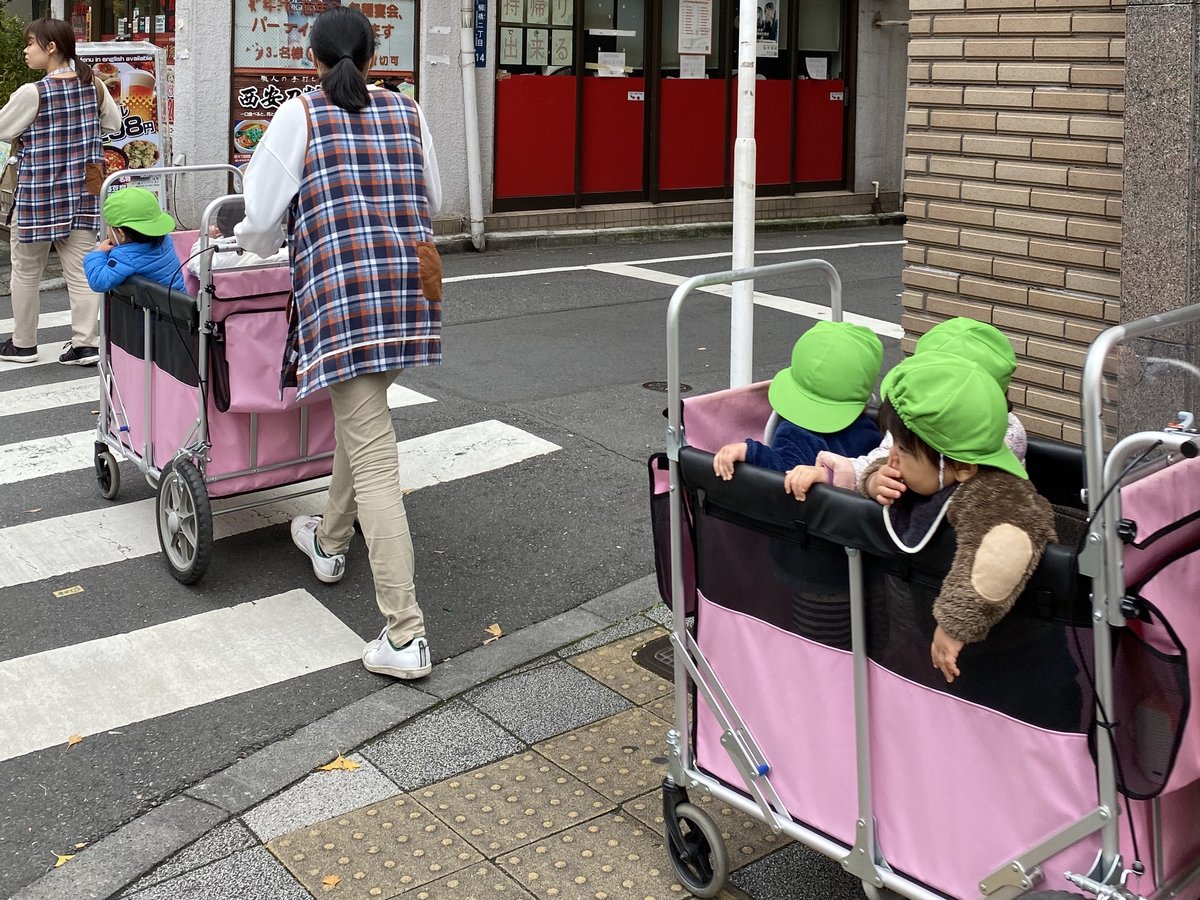
Open in the readerこども家庭庁のまとめによると、保育所などに入りたくても入れない「待機児童」は、2026年4月1日の時点で全国に2,435人いた。前年より181人多く、増加は9年ぶりとなる。
待機児童が最も多かったのは2017年の26,081人だった。その後、保育所の整備が進み、毎年のように減ってきた。今回増えたとはいえ、ピークの10分の1以下の水準にとどまっている。
増えた背景に保育士の不足
増加の背景として、同庁は二つの点を挙げている。一つは、保育所に申し込む人が想定以上に増え、定員が足りなくなったこと。もう一つは、保育士を確保できず、受け入れる子どもの数を減らした保育所があったことだ。こうした理由で、東京都などで待機児童が大きく増えた自治体があったという。
年齢別に見ると、待機児童の96.0%は3歳未満の子どもで、特に1歳と2歳が全体の86.9%を占める。育児休業を終えて仕事に戻る親が、子どもを預けようとする年齢だ。
背景には働き方の変化もある。25歳から44歳の女性の就業率は83.6%と前年より上がり、共働きの世帯の割合も79.7%に達した。子どもの数が減っても、保育を必要とする家庭は簡単には減らない。
地方では定員が余る
一方、全国で見ると、保育の需要は減る方向にある。保育所などの定員は302万人で、前年より1.3万人減った。利用する子どもは265万人で、3.2万人減った。定員に対して実際に利用している子どもの割合を示す定員充足率は87.7%で、前年より0.7ポイント下がった。待機児童がいない市区町村は1,552で、全体の89.1%に上る。
都市部では保育所が足りない一方、子どもが減る地方では定員が余り、保育所の統合や規模の縮小が課題になっている。同庁は、待機児童の多い自治体と連携して解消を目指すとともに、人口が減る地域でも保育の機能を維持できるよう、支援を進めるとしている。
Words in this article
| Word | Reading | Meaning | JLPT |
|---|---|---|---|
| こども家庭庁 | こどもかていちょう | Children and Families Agency | Name |
| まとめ | summary; compiled report | N1 | |
| によると | according to | Grammar | |
| 保育所 | ほいくしょ | daycare center; nursery | Not on JLPT lists |
| 入りたくても | はいりたくても | even though (they) want to enter | Not on JLPT lists |
| 入れない | はいれない | cannot get in | Not on JLPT lists |
| 待機児童 | たいきじどう | children on daycare waiting lists | Not on JLPT lists |
| 時点 | じてん | point in time; as of | Not on JLPT lists |
| 全国 | ぜんこく | nationwide | N3 |
| いた | there were (people) | Grammar | |
| 前年 | ぜんねん | the previous year | Not on JLPT lists |
| 多く | おおく | more; many | N5 from 多い |
| 増加 | ぞうか | increase | N3 |
| 9年ぶり | きゅうねんぶり | for the first time in nine years | Number |
| 最も | もっとも | the most | N4 |
| 多かった | おおかった | was the most; was many | N5 from 多い |
| だった | was | Grammar | |
| その後 | そのご | after that | Not on JLPT lists |
| 整備 | せいび | building up; provision (of facilities) | N2 |
| 進み | すすみ | advancing (and ...) (from 進む) | N1 |
| 毎年 | まいとし | every year | N5 |
| 減ってきた | へってきた | has been decreasing | N3 from 減る |
| 今回 | こんかい | this time | N3 |
| 増えた | ふえた | increased (past of 増える) | N4 from 増える |
| とはいえ | although; even so | Grammar | |
| ピーク | peak | Not on JLPT lists | |
| 10分の1 | じゅうぶんのいち | one tenth | Number |
| 以下 | いか | or less; below | N4 |
| 水準 | すいじゅん | level; standard | N3 |
| とどまっている | remains (at); stays (within) | N2 from とどまる | |
| 背景 | はいけい | background; reason behind | N1 |
| 保育士 | ほいくし | daycare worker; nursery teacher | Not on JLPT lists |
| 不足 | ふそく | shortage | N3 |
| 同庁 | どうちょう | the same agency (the agency just named) | Name |
| 二つ | ふたつ | two | N5 |
| 点 | てん | point | N4 |
| 挙げている | あげている | cites; lists (from 挙げる) | N2 from 挙げる |
| 一つ | ひとつ | one | N5 |
| 申し込む | もうしこむ | to apply | N3 |
| 想定以上 | そうていいじょう | more than expected | Not on JLPT lists |
| 増え | ふえ | increasing (and ...) (from 増える) | Not on JLPT lists |
| 定員 | ていいん | capacity; number of places | N2 |
| 足りなく | たりなく | not enough (from 足りない) | N4 from 足りる |
| なった | became | Not on JLPT lists | |
| もう一つ | もうひとつ | the other one; one more | Not on JLPT lists |
| 確保 | かくほ | securing; hiring (staff) | N1 |
| できず | being unable to | Not on JLPT lists | |
| 受け入れる | うけいれる | to accept; to take in | N1 |
| 子ども | こども | child; children | Not on JLPT lists |
| 数 | かず | number | N3 |
| 減らした | へらした | reduced (past of 減らす) | N3 from 減らす |
| こうした | such; these | N4 from こう | |
| 理由 | りゆう | reason | N4 |
| 東京都 | とうきょうと | Tokyo (Metropolis) | Name |
| 大きく | おおきく | greatly; sharply | N5 from 大きい |
| 自治体 | じちたい | local government; municipality | Not on JLPT lists |
| あった | there were | N5 from ある | |
| という | it is said that | Grammar | |
| 年齢別 | ねんれいべつ | by age | Not on JLPT lists |
| 見る | みる | to look at | N5 |
| 未満 | みまん | under; less than | N2 |
| 特に | とくに | especially | N4 |
| 全体 | ぜんたい | the whole; total | N3 |
| 占める | しめる | to make up; to account for | N3 |
| 育児休業 | いくじきゅうぎょう | childcare leave | Not on JLPT lists |
| 終えて | おえて | finishing (from 終える) | N3 from 終える |
| 仕事 | しごと | work; job | N5 |
| 戻る | もどる | to go back; to return | N4 |
| 親 | おや | parent | N4 |
| 預けよう | あずけよう | to try to leave (in someone's care) (from 預ける) | Not on JLPT lists |
| とする | to try to; to be about to | Grammar | |
| 年齢 | ねんれい | age | N3 |
| 働き方 | はたらきかた | way of working | Not on JLPT lists |
| 変化 | へんか | change | N3 |
| 女性 | じょせい | woman; women | N4 |
| 就業率 | しゅうぎょうりつ | employment rate | Not on JLPT lists |
| 上がり | あがり | rising (and ...) (from 上がる) | N1 |
| 共働き | ともばたらき | both parents working; dual income | N1 |
| 世帯 | せたい | household | N1 |
| 割合 | わりあい | proportion; share | N4 |
| 達した | たっした | reached (past of 達する) | N3 from 達する |
| 減っても | へっても | even if (it) decreases | Not on JLPT lists |
| 保育 | ほいく | childcare | N1 |
| 必要 | ひつよう | necessary; need | N4 |
| 家庭 | かてい | family; household | N5 |
| 簡単には | かんたんには | easily | Not on JLPT lists |
| 減らない | へらない | does not decrease | N3 from 減る |
| 地方 | ちほう | rural areas; the regions | N3 |
| 余る | あまる | to be left over; to be in surplus | N2 |
| 一方 | いっぽう | on the other hand; while | N3 |
| 需要 | じゅよう | demand | N3 |
| 減る | へる | to decrease | N3 |
| 方向 | ほうこう | direction | N3 |
| 減った | へった | decreased | N3 from 減る |
| 利用する | りようする | to use | N4 from 利用 |
| 対して | たいして | in relation to; against | N1 |
| 実際に | じっさいに | actually | N3 from 実際 |
| 利用している | りようしている | are using | N4 from 利用 |
| 示す | しめす | to show; to indicate | N3 |
| 定員充足率 | ていいんじゅうそくりつ | occupancy rate (share of places filled) | Not on JLPT lists |
| 0.7ポイント | れいてんななポイント | 0.7 points | Number |
| 下がった | さがった | went down | N4 from 下がる |
| いない | there are none | Grammar | |
| 市区町村 | しくちょうそん | cities, wards, towns and villages; municipalities | Name |
| 上る | のぼる | to reach; to amount to | N5 |
| 都市部 | としぶ | urban areas; cities | Not on JLPT lists |
| 足りない | たりない | not enough | N4 from 足りる |
| 余り | あまり | being left over (and ...) (from 余る) | N5 |
| 統合 | とうごう | merger; combining | N1 |
| 規模 | きぼ | scale; size | N1 |
| 縮小 | しゅくしょう | reduction; shrinking | N2 |
| 課題 | かだい | issue; challenge | N1 |
| なっている | has become | Not on JLPT lists | |
| 多い | おおい | many | N5 |
| 連携して | れんけいして | working together (with) | Not on JLPT lists |
| 解消 | かいしょう | elimination; resolving | Not on JLPT lists |
| 目指す | めざす | to aim for | N2 |
| とともに | together with; as well as | Grammar | |
| 人口 | じんこう | population | N4 |
| 地域 | ちいき | region; area | N3 |
| 機能 | きのう | function | N3 |
| 維持できる | いじできる | can maintain | Not on JLPT lists |
| 支援 | しえん | support | Not on JLPT lists |
| 進める | すすめる | to push forward; to proceed with | N3 |
| としている | says that (it will) | N1 from と |
Questions
Try answering in Japanese, then open the answer to check yourself. In the reader, your answers and score are saved.
- 2026年4月1日の時点で、待機児童は何人いましたか。前年と比べてどうでしたか。
Show answer
全国に2,435人いました。前年より181人多く、9年ぶりの増加でした。
There were 2,435 nationwide, 181 more than the year before: the first increase in nine years.
- 待機児童が最も多かったのはいつですか。今の水準は、そのときと比べてどうですか。
Show answer
最も多かったのは2017年の26,081人です。今はピークの10分の1以下の水準にとどまっています。
The peak was 26,081 in 2017. The current level is still less than one tenth of that peak.
- こども家庭庁は、待機児童が増えた背景として、どんな点を挙げていますか。
Show answer
保育所に申し込む人が想定以上に増えて定員が足りなくなったことと、保育士を確保できず、受け入れる子どもの数を減らした保育所があったことです。
More people applied than expected, so there were not enough places; and some daycares could not hire enough staff and had to take fewer children.
- 待機児童には、どの年齢の子どもが多いですか。それはなぜだと考えられますか。
Show answer
3歳未満の子どもが96.0%で、特に1歳と2歳が86.9%を占めます。育児休業を終えて仕事に戻る親が、子どもを預けようとする年齢だからです。
Children under three make up 96.0%, and one- and two-year-olds alone 86.9%. That is the age at which parents end childcare leave, go back to work and look for a place to leave their child.
- 女性の就業率や共働きの世帯の割合は、どうなっていますか。それは保育の需要とどう関係していますか。
Show answer
25歳から44歳の女性の就業率は83.6%に上がり、共働きの世帯の割合も79.7%に達しました。そのため、子どもの数が減っても、保育を必要とする家庭は簡単には減りません。
The employment rate of women aged 25 to 44 rose to 83.6%, and dual-income households reached 79.7%. So even as the number of children falls, the number of families who need daycare does not easily go down.
- 都市部と地方では、保育所の課題がどう違いますか。
Show answer
都市部では保育所が足りませんが、子どもが減る地方では定員が余り、保育所の統合や規模の縮小が課題になっています。
Cities do not have enough daycare places, while in rural areas with fewer children, places go unfilled and merging or shrinking daycares is the issue.
- あなたの国では、働く親が子どもを預ける場所は十分にあると思いますか。理由も説明してください。
Example answer
わたしの国では、都市部で保育所に入るのが難しいと聞きます。働く親が増えているので、もっと保育士を増やすべきだと思います。
In my country, I hear it is hard to get into daycare in the cities. As more parents work, I think we should have more daycare staff.
If you're new to Japanese, the Lessons teach it step by step from zero. If you can't read kana yet, start with Starter.
Start from zero Lesson 1 (N5)More N2 reading
- 手書きの習慣「大切にすべき」8割、最もよく書くのは10代 2026年10月6日
- 実質の消費支出、8か月連続で減少 物価高が家計を圧迫 2026年10月5日
- 最低賃金、全国平均は時給1177円に 発効は12月までばらつく 2026年10月4日
- 住宅着工、5か月連続で増加 大きく落ち込んだ前年からの回復 2026年10月2日
- 有効求人倍率1.18倍で横ばい 宿泊・飲食の求人に陰り 2026年9月25日
- 出生数67万人、10年連続で過去最少――出生率は1.14に 2026年9月19日