Reading › N2 › 硤合憲三さんにノーベル賞 生命の「鏡像」の謎に迫る
硤合憲三さんにノーベル賞 生命の「鏡像」の謎に迫る
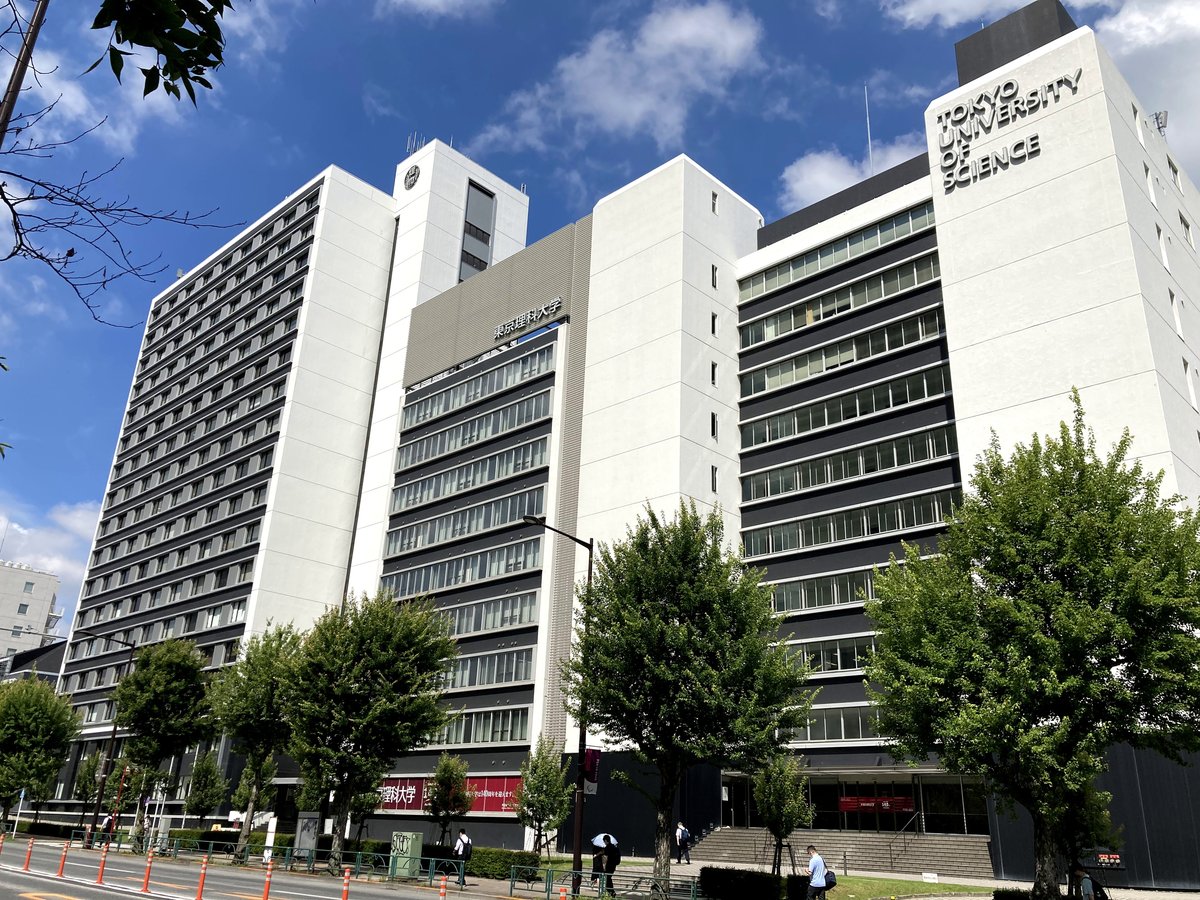
Written for learners with AI assistance, based on: 東京理科大学 · original source ↗
In the reader you can tap any word to see its reading, meaning and JLPT level, save the ones you don't know, and quiz yourself on them.
Open in the readerスウェーデン王立科学アカデミーは10月7日、2026年のノーベル化学賞を、東京理科大学名誉教授の硤合憲三さんと、フランスのアンリ・カガンさんに贈ると公表した。日本人のノーベル化学賞は、昨年の北川進さんに続いて2年連続で、化学賞では10人目となる。
生命の「鏡像」とは
生物の体を構成するアミノ酸などの分子には、右手と左手のように、形はそっくりでも重ならない2つの種類がある。鏡に映すと互いに重なる関係にあることから、「鏡像」と呼ばれる。ところが、自然界の生物が持つアミノ酸は、ほとんどがどちらか一方に偏っている。なぜこのような偏りが生じたのかは、長年、化学者を悩ませてきた問題だった。
ふつう、実験室で分子を作ると、2つの種類が等しい量ずつできてしまう。しかし、医薬品として用いる場合には、片方だけが効果を発揮することが多い。そのため、一方だけをうまく作る方法が求められてきた。
自らを増やす反応
カガンさんは1986年、反応の進め方を工夫することで、片方の分子をそれまでの常識を超えて多く得られることを発見した。硤合さんは、その次の一歩を進めた。1995年に、反応で生じた分子そのものが触媒として働き、同じ構造の分子をさらに増やしていく反応を発表したのである。この反応は「硤合反応」と呼ばれ、世界で初めての発見として注目を集めた。
さらに2003年には、2つの種類のうち一方だけが得られる反応を示すことに成功した。生物以外でこれを実現した実例は、それまでなかったという。ノーベル賞は、その功績を評価したものだ。この発見は、生命の始まりの謎を解くことにもつながり、新しい医薬品の研究にも応用されている。
学生への感謝
硤合さんは1950年に広島県で生まれ、東京大学で学んだ後、長く東京理科大学で研究と教育を継続してきた。発表当日の7日に大学で開いた記者会見では、カガンさんと共に受賞できることへの喜びを語った。
また、この現象の原理はまだ完全に解明されたわけではなく、「まだまだ分からない。面白いことがあるはず」と述べ、今後もこの分野の研究が進むよう、努力を続けたいという考えを示した。受賞については学生への感謝と話し、共に研究してきた学生たちへの感謝も表した。
Words in this article
The 73 words at JLPT N2 or above, and the specialist words that are on no JLPT list.
| Word | Reading | Meaning | JLPT |
|---|---|---|---|
| 硤合憲三 | そあいけんそう | Kenso Soai (name) | Not on JLPT lists |
| 硤合 | そあい | Soai (surname) | Not on JLPT lists |
| ノーベル賞 | ノーベルしょう | Nobel Prize | Not on JLPT lists |
| 鏡像 | きょうぞう | mirror image | Not on JLPT lists |
| 迫る | せまる | to get close to; to close in on | N2 |
| スウェーデン | Sweden | Not on JLPT lists | |
| 王立科学アカデミー | おうりつかがくアカデミー | Royal Academy of Sciences | Not on JLPT lists |
| ノーベル化学賞 | ノーベルかがくしょう | Nobel Prize in Chemistry | Not on JLPT lists |
| 名誉教授 | めいよきょうじゅ | professor emeritus | Not on JLPT lists |
| フランス | France | Not on JLPT lists | |
| アンリ・カガン | Henri Kagan (name) | Not on JLPT lists | |
| 日本人 | にほんじん | Japanese person | Not on JLPT lists |
| 昨年 | さくねん | last year | Not on JLPT lists |
| 北川進 | きたがわすすむ | Susumu Kitagawa (name) | Not on JLPT lists |
| 化学賞 | かがくしょう | chemistry prize | Not on JLPT lists |
| アミノ酸 | アミノさん | amino acid | Not on JLPT lists |
| 分子 | ぶんし | molecule | N1 |
| 右手 | みぎて | right hand | Not on JLPT lists |
| 左手 | ひだりて | left hand | Not on JLPT lists |
| 重ならない | かさならない | do not overlap (from 重なる) | N2 from 重なる |
| 映す | うつす | to reflect | N2 |
| 重なる | かさなる | to overlap; to match up | N2 |
| ことから | because; from the fact that | Not on JLPT lists | |
| 自然界 | しぜんかい | the natural world | Not on JLPT lists |
| どちらか | one or the other | Not on JLPT lists | |
| 偏っている | かたよっている | is lopsided; leans to one side (from 偏る) | N2 from 偏る |
| このような | this kind of | Not on JLPT lists | |
| 偏り | かたより | imbalance; bias | Not on JLPT lists |
| 長年 | ながねん | for many years | Not on JLPT lists |
| 化学者 | かがくしゃ | chemist | Not on JLPT lists |
| 悩ませてきた | なやませてきた | has long troubled (from 悩ませる) | Not on JLPT lists |
| 実験室 | じっけんしつ | laboratory | Not on JLPT lists |
| 医薬品 | いやくひん | medicine; pharmaceutical | Not on JLPT lists |
| 片方 | かたほう | one side; one of a pair | Not on JLPT lists |
| 発揮する | はっきする | to show; to exert | N2 from 発揮 |
| そのため | for that reason | Not on JLPT lists | |
| 自ら | みずから | itself; oneself | Not on JLPT lists |
| 増やす | ふやす | to increase | N2 |
| 反応 | はんのう | (chemical) reaction | N1 |
| 進め方 | すすめかた | way of carrying out | Not on JLPT lists |
| 工夫する | くふうする | to devise; to find a better way | N2 from 工夫 |
| それまで | until then | Not on JLPT lists | |
| 超えて | こえて | exceeding (from 超える) | N2 from 超える |
| 一歩 | いっぽ | a step | Not on JLPT lists |
| そのもの | itself | Not on JLPT lists | |
| 触媒 | しょくばい | catalyst | Not on JLPT lists |
| 増やしていく | ふやしていく | keeps increasing (from 増やす) | Not on JLPT lists |
| 硤合反応 | そあいはんのう | the Soai reaction | Not on JLPT lists |
| 呼ばれ | よばれ | is called (and ...) (from 呼ぶ) | Not on JLPT lists |
| なかった | there was not | Not on JLPT lists | |
| ものだ | (it) is (a thing that ...) | Not on JLPT lists | |
| 応用されている | おうようされている | is being applied (from 応用する) | N2 from 応用 |
| 継続してきた | けいぞくしてきた | has continued (from 継続する) | N2 from 継続 |
| 記者会見 | きしゃかいけん | press conference | Not on JLPT lists |
| と共に | とともに | together with | Not on JLPT lists |
| 受賞できる | じゅしょうできる | can receive an award (from 受賞する) | Not on JLPT lists |
| 解明された | かいめいされた | was clarified; was explained (from 解明する) | Not on JLPT lists |
| わけではなく | it is not that ... | Not on JLPT lists | |
| まだまだ | still a long way | Not on JLPT lists | |
| はず | should; must be | Not on JLPT lists | |
| 述べ | のべ | stated (and ...) (from 述べる) | Not on JLPT lists |
| 受賞 | じゅしょう | winning an award | Not on JLPT lists |
| ついて | about (について) | Not on JLPT lists | |
| 話し | はなし | said (and ...) (from 話す) | Not on JLPT lists |
| たち | (plural) | Not on JLPT lists | |
| うまく | well; skillfully | Not on JLPT lists | |
| 構造 | こうぞう | structure | N2 |
| 功績 | こうせき | achievement; contribution | N2 |
| つながり | leading to (and ...) (from つながる) | Not on JLPT lists | |
| 原理 | げんり | principle; mechanism | N2 |
| 公表した | こうひょうした | announced; made public (from 公表する) | N2 from 公表 |
| 実例 | じつれい | actual example; precedent | N2 |
| 当日 | とうじつ | that day; the same day | N2 |
107 more words from lower levels, plus names, numbers and grammar
| Word | Reading | Meaning | JLPT |
|---|---|---|---|
| さん | Mr./Ms. | Grammar | |
| 生命 | せいめい | life | N3 |
| 謎 | なぞ | mystery; puzzle | N3 |
| 東京理科大学 | とうきょうりかだいがく | Tokyo University of Science | Name |
| 贈る | おくる | to award; to give | N3 |
| 発表した | はっぴょうした | announced (from 発表する) | N3 from 発表 |
| 続いて | つづいて | following (from 続く) | N4 from 続く |
| 連続 | れんぞく | in a row | N3 |
| 10人目 | じゅうにんめ | the tenth person | Number |
| なる | to become | N5 | |
| 生物 | せいぶつ | living thing; organism | N3 |
| 体 | からだ | body | N5 |
| 構成する | こうせいする | to make up; to compose | N3 from 構成 |
| など | and so on; such as | Grammar | |
| ように | like; as | Grammar | |
| 形 | かたち | shape | N4 |
| そっくり | exactly alike | N3 | |
| 2つ | ふたつ | two | Number |
| 種類 | しゅるい | kind; type | N3 |
| ある | there is | N5 | |
| 鏡 | かがみ | mirror | N4 |
| 互いに | たがいに | each other; mutually | N3 from 互い |
| 関係 | かんけい | relationship | N4 |
| ところが | however | N3 | |
| ほとんど | almost all | N4 | |
| 一方 | いっぽう | one side; one of the two | N3 |
| なぜ | why | N5 | |
| 生じた | しょうじた | arose; came about (from 生じる) | N3 from 生じる |
| だった | was | Grammar | |
| 等しい | ひとしい | equal | N3 |
| 量 | りょう | amount; quantity | N3 |
| ずつ | each (in equal amounts) | Grammar | |
| できてしまう | end up being made (from できる) | N5 from できる | |
| 用いる | もちいる | to use | N3 |
| 場合 | ばあい | case; when | N4 |
| だけ | only | Grammar | |
| 効果 | こうか | effect | N3 |
| 多い | おおい | many; often | N5 |
| 作る | つくる | to make | N5 |
| 求められてきた | もとめられてきた | has been sought (from 求める) | N3 from 求める |
| 多く | おおく | in large numbers | N5 from 多い |
| 得られる | えられる | can be obtained (from 得る) | N3 from 得る |
| 発見した | はっけんした | discovered (from 発見する) | N3 from 発見 |
| その | that | N5 | |
| 次 | つぎ | next | N5 |
| 進めた | すすめた | advanced (from 進める) | N3 from 進める |
| として | as | Grammar | |
| さらに | further; even more | N3 | |
| のである | (emphatic: it is that ...) | Grammar | |
| 世界 | せかい | world | N4 |
| 初めて | はじめて | for the first time | N5 |
| 発見 | はっけん | discovery | N3 |
| 注目 | ちゅうもく | attention | N3 |
| 集めた | あつめた | attracted (from 集める) | N4 from 集める |
| うち | out of; among | N4 | |
| 示す | しめす | to show; to demonstrate | N3 |
| 成功した | せいこうした | succeeded (from 成功する) | N3 from 成功 |
| 以外 | いがい | other than | N4 |
| これ | this | N5 | |
| 実現した | じつげんした | achieved; realized (from 実現する) | N3 from 実現 |
| という | that (quoting) | Grammar | |
| 評価 | ひょうか | evaluation; recognition | N3 |
| 評価した | ひょうかした | recognized; appraised (from 評価する) | N3 from 評価 |
| 解く | とく | to solve | N3 |
| 学生 | がくせい | student | N5 |
| 広島県 | ひろしまけん | Hiroshima Prefecture | Name |
| 生まれ | うまれ | was born (and ...) (from 生まれる) | N3 |
| 東京大学 | とうきょうだいがく | the University of Tokyo | Name |
| 学んだ | まなんだ | studied (from 学ぶ) | N3 from 学ぶ |
| 後 | あと | after | N5 |
| 長く | ながく | for a long time | N5 from 長い |
| 研究 | けんきゅう | research | N4 |
| 教育 | きょういく | education | N4 |
| 大学 | だいがく | university | N5 |
| 開いた | ひらいた | held (from 開く) | N4 from 開く |
| 共に | ともに | together | N3 |
| 喜び | よろこび | joy | N3 |
| 語った | かたった | spoke of; said (from 語る) | N3 from 語る |
| また | also; in addition | N5 | |
| 現象 | げんしょう | phenomenon | N3 |
| まだ | still; not yet | N5 | |
| 完全に | かんぜんに | completely | N3 from 完全 |
| 分からない | わからない | do not know (from 分かる) | N5 from 分かる |
| 面白い | おもしろい | interesting | N5 |
| 今後 | こんご | from now on; in the future | N3 |
| 分野 | ぶんや | field | N3 |
| 進む | すすむ | to advance; to progress | N4 |
| よう | so that | Grammar | |
| 考え | かんがえ | thinking; view | N3 |
| 示した | しめした | showed; expressed (from 示す) | N3 from 示す |
| 研究してきた | けんきゅうしてきた | has done research (from 研究する) | N4 from 研究 |
| 感謝 | かんしゃ | gratitude; thanks | N3 |
| 表した | あらわした | expressed (from 表す) | N3 from 表す |
| 呼ばれる | よばれる | to be called | N5 from 呼ぶ |
| 持つ | もつ | to have; to hold | N5 |
| 問題 | もんだい | problem; question | N5 |
| ふつう | usually; normally | N4 | |
| しかし | however | N5 | |
| 方法 | ほうほう | method; way | N3 |
| 常識 | じょうしき | common knowledge; conventional wisdom | N3 |
| 始まり | はじまり | beginning; origin | N3 |
| 新しい | あたらしい | new | N5 |
| 努力 | どりょく | effort | N3 |
| 続けたい | つづけたい | want to continue | N4 from 続ける |
| 同じ | おなじ | same | N5 |
| 働き | はたらき | acting (as ...) (from 働く) | N3 |
| 発表 | はっぴょう | announcement | N3 |
Questions
Try answering in Japanese, then open the answer to check yourself. In the reader, your answers and score are saved.
- 今年のノーベル化学賞は、だれに贈られることになりましたか。
Show answer
東京理科大学名誉教授の硤合憲三さんと、フランスのアンリ・カガンさんです。
Kenso Soai, professor emeritus at Tokyo University of Science, and Henri Kagan of France.
- 日本人のノーベル化学賞は、今回で何人目ですか。
Show answer
10人目です。昨年の北川進さんに続いて2年連続です。
The tenth. It is the second year in a row, after Susumu Kitagawa last year.
- 「鏡像」とは、どのような関係を指しますか。
Show answer
右手と左手のように、形はそっくりでも重ならない関係です。鏡に映すと互いに重なります。
A relationship like that of the right and left hands: they look the same but do not overlap. In a mirror, each matches the other.
- 医薬品を作るうえで、一方の分子だけを作る方法が求められてきたのはなぜですか。
Show answer
医薬品として用いる場合には、片方だけが効果を発揮することが多いからです。
Because when a molecule is used as a medicine, often only one of the two forms works.
- 硤合さんが1995年に発表した反応は、どのような反応ですか。
Show answer
反応で生じた分子そのものが触媒として働き、同じ構造の分子をさらに増やしていく反応です。
A reaction in which the molecule it produces itself acts as a catalyst and makes more molecules of the same shape.
- 硤合さんは、受賞について学生にどんな気持ちを表しましたか。
Show answer
学生の存在があったからこそ、ここまで来られたと話し、共に研究してきた学生たちへの感謝を表しました。
He said he could only get there because of his students, and thanked the students he had worked with.
- すぐに役に立つかどうか分からない研究にも、お金や時間をかけるべきだと思いますか。あなたの考えを書いてください。
Example answer
かけるべきだと思います。硤合さんの研究も、生命の謎を知りたいという気持ちから始まりましたが、今では医薬品の研究に応用されています。すぐに結果が出なくても、長い目で見ることが大切だと考えます。
I think we should. Soai's research also began from wanting to understand a mystery of life, and now it is applied in developing medicines. Even if results do not come quickly, it is important to take the long view.
If you're new to Japanese, the Lessons teach it step by step from zero. If you can't read kana yet, start with Starter.
Start from zero Lesson 1 (N5)More N2 reading
- 訪日旅行者の消費、ほぼ横ばい 中国の半減をほかの国が補う 2026年10月9日
- 列車の運休・遅延は増加傾向 運転事故は530件に減る 2026年10月8日
- 待機児童、9年ぶりに増加 保育士の不足が影響 2026年10月7日
- 手書きの習慣「大切にすべき」8割、最もよく書くのは10代 2026年10月6日
- 実質の消費支出、8か月連続で減る 物価高で暮らしが苦しく 2026年10月5日
- 最低賃金、全国平均は時給1177円に 発効は12月までばらつく 2026年10月4日