Reading › N1 › 体力の向上、世代で明暗 40代女性は25年で6.4%低下
体力の向上、世代で明暗 40代女性は25年で6.4%低下
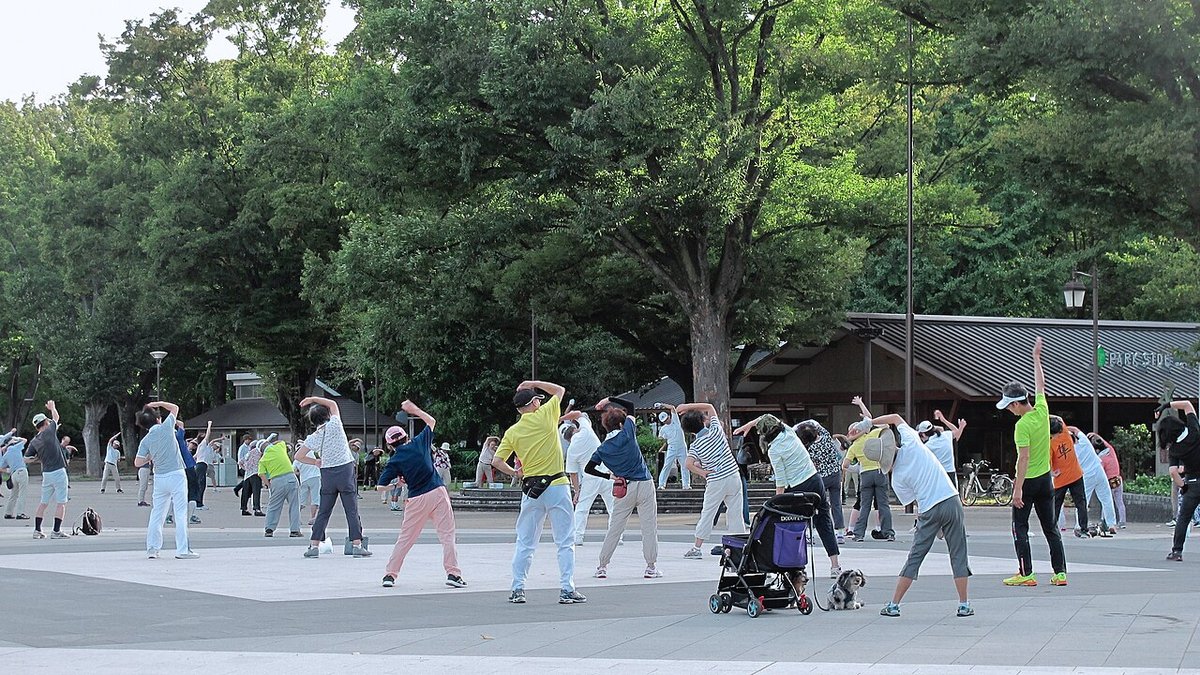
Written for learners with AI assistance, based on: スポーツ庁 · original source ↗
In the reader you can tap any word to see its reading, meaning and JLPT level, save the ones you don't know, and quiz yourself on them.
Open in the readerスポーツ庁は11日、令和7年度の体力・運動能力調査の結果を公表した。調査は昭和39年から毎年実施されているもので、今回は6歳から79歳までの74,194人を対象とし、60,213人から回答を回収した。回収率は81.2%だった。
今回の調査で浮き彫りになったのは、世代による体力の明暗である。平成13年度の体力合計点を100%として各年代の推移を見ると、高齢者の体力が着実に向上してきた一方、子育てや仕事に追われる世代では低下が目立つ。体力の向上は、すべての世代のものではない。
60代は男女とも1割以上の向上
向上の幅が最も大きかったのは60代だ。男性は令和元年度に115.8%まで伸び、その後やや低下したものの、令和7年度は114.1%と、平成13年度から14.1%向上した。女性は令和3年度に119.2%に達し、令和7年度も118.2%と高い水準を維持している。70代も向上傾向が続き、男性は109.8%、女性は114.7%となった。
40代女性は25年間で6.4%低下
他方、働き盛りの世代では様相が異なる。40代の男性は平成30年度頃までおおむね100%前後で推移していたが、その後は低下に転じ、令和7年度は98.8%と平成13年度の水準を下回った。女性では30代と40代で長期的な低下傾向が見られ、とりわけ40代は93.6%と、25年間で6.4%低下した。40代の女性は、最近10年間でもほとんどの項目と合計点で低下傾向を示している。
背景にあるのは、運動の機会そのものの減少だ。週1日以上運動やスポーツをする人の割合は、12歳では男女とも9割前後と高いが、19歳で大きく低下する。35歳から39歳の女性では、この割合が4割から3割に下がった。スポーツクラブへの所属率も、45歳から49歳では男女とも2割弱にとどまる。仕事と育児を両立する時期に、自分の体を動かす余暇を確保するのは容易ではない。時間の制約が運動の習慣を阻んでいる構図がうかがえる。
運動の有無は、体力の差に直結する。調査では、すべての年代と男女で、クラブに所属している人の体力合計点が、所属していない人を上回った。その差は25歳から29歳の女性で6.3点、12歳の女子で9.1点に達し、長期的に拡大する傾向にある。対照的に、65歳から69歳では週1日以上運動する人の割合が男女とも7割前後と、比較的高い水準で推移している。
職場と地域に運動の機会を
スポーツ庁は、40代の男性と30代、40代の女性を中心に、子育て・働き盛り期の体力低下が明らかになったとして、これらの世代を重点的に支援する方針を示した。職場で運動の機会を確保できるよう、地方公共団体と連携する企業を後押しするほか、学校の体育館など身近な施設の活用を広げる。女性に向けては、フィットネス産業と連携した集団プログラムの充実や、大学での運動習慣づくりに加え、運動の習慣を失いやすい妊娠期や産後の運動を奨励するという。
高齢者の体力が向上したことは、長寿社会にとって明るい材料である。もっとも、社会と経済を支える世代の体力が衰えれば、将来の健康そのものが脅かされかねない。忙しい日々の中で、運動をいかに暮らしに組み込むか。個人の心掛けに委ねるだけでなく、職場や地域の後押しが問われている。
Words in this article
The 87 words at JLPT N1 or above, and the specialist words that are on no JLPT list.
| Word | Reading | Meaning | JLPT |
|---|---|---|---|
| 令和 | れいわ | Reiwa (Japanese era name, 2019-) | Not on JLPT lists |
| 体力 | たいりょく | physical strength; fitness | N1 |
| 昭和 | しょうわ | Showa (Japanese era name, 1926-1989) | Not on JLPT lists |
| もの | thing (ものだ explains what something is) | Not on JLPT lists | |
| 回収した | かいしゅうした | collected | N1 from 回収 |
| 回収率 | かいしゅうりつ | response rate; collection rate | Not on JLPT lists |
| 浮き彫り | うきぼり | relief; standing out clearly (浮き彫りになる = to be brought into relief) | Not on JLPT lists |
| 世代 | せだい | generation | N1 |
| 明暗 | めいあん | light and shade; contrast between good and bad fortune | Not on JLPT lists |
| 平成 | へいせい | Heisei (Japanese era name, 1989-2019) | Not on JLPT lists |
| 合計点 | ごうけいてん | total score | Not on JLPT lists |
| 各 | かく | each; every | Not on JLPT lists |
| 推移 | すいい | trend; changes over time | Not on JLPT lists |
| 高齢者 | こうれいしゃ | older people; the elderly | Not on JLPT lists |
| 着実 | ちゃくじつ | steady; sure | Not on JLPT lists |
| 向上して | こうじょうして | improving (and ...) | N1 from 向上 |
| 子育て | こそだて | raising children; child-rearing | Not on JLPT lists |
| 向上 | こうじょう | improvement; rise | N1 |
| 男女 | だんじょ | men and women; both sexes | Not on JLPT lists |
| 元年度 | がんねんど | first fiscal year of an era (令和元年度 = fiscal 2019) | Not on JLPT lists |
| 伸び | のび | growing (and ...) (from 伸びる) | Not on JLPT lists |
| その後 | そのご | after that; since then | Not on JLPT lists |
| 向上した | こうじょうした | improved | N1 from 向上 |
| 達し | たっし | reaching (and ...) (from 達する) | Not on JLPT lists |
| なった | became; came to | Not on JLPT lists | |
| 他方 | たほう | on the other hand | N1 |
| 働き盛り | はたらきざかり | the prime of one's working life | Not on JLPT lists |
| 様相 | ようそう | aspect; appearance; state of things | N1 |
| 頃 | ごろ | around; about (a time) | Not on JLPT lists |
| おおむね | mostly; roughly | Not on JLPT lists | |
| 推移していた | すいいしていた | had been moving; had stayed (at a level) | Not on JLPT lists |
| 転じ | てんじ | turning (and ...) (from 転じる) | Not on JLPT lists |
| 下回った | したまわった | fell below | Not on JLPT lists |
| 長期的 | ちょうきてき | long-term | Not on JLPT lists |
| 見られ | みられ | being seen (and ...) (from 見られる) | Not on JLPT lists |
| とりわけ | especially; above all | N1 | |
| 背景 | はいけい | background; what lies behind | N1 |
| そのもの | itself | Not on JLPT lists | |
| 減少 | げんしょう | decrease; decline | N1 |
| スポーツクラブ | sports club | Not on JLPT lists | |
| 所属率 | しょぞくりつ | membership rate | Not on JLPT lists |
| 弱 | じゃく | a little under (2割弱 = a little under 20%) | N1 |
| 両立する | りょうりつする | to balance (two things); to do both | N1 from 両立 |
| 余暇 | よか | leisure; free time | N1 |
| 確保する | かくほする | to secure; to set aside | N1 from 確保 |
| 制約 | せいやく | constraint; limitation | N1 |
| 阻んでいる | はばんでいる | is blocking; is hindering | N1 from 阻む |
| 構図 | こうず | picture; structure (of a situation) | Not on JLPT lists |
| うかがえる | can be seen; can be inferred | Not on JLPT lists | |
| 直結する | ちょっけつする | to be directly linked (to) | Not on JLPT lists |
| クラブ | club | Not on JLPT lists | |
| 所属している | しょぞくしている | belonging (to); being a member | N1 from 所属 |
| 所属していない | しょぞくしていない | not belonging (to) | N1 from 所属 |
| 上回った | うわまわった | exceeded; came out above | N1 from 上回る |
| 対照的 | たいしょうてき | contrasting; in contrast | Not on JLPT lists |
| 推移している | すいいしている | is moving; is staying (at a level) | Not on JLPT lists |
| 職場 | しょくば | workplace | Not on JLPT lists |
| 期 | き | period; stage | N1 |
| 重点的 | じゅうてんてき | with priority; focused | Not on JLPT lists |
| 支援する | しえんする | to support | Not on JLPT lists |
| 確保できる | かくほできる | can secure | Not on JLPT lists |
| 地方公共団体 | ちほうこうきょうだんたい | local government | Not on JLPT lists |
| 連携する | れんけいする | to cooperate; to work together | Not on JLPT lists |
| 後押しする | あとおしする | to back; to support | Not on JLPT lists |
| 後押し | あとおし | backing; support | Not on JLPT lists |
| 体育館 | たいいくかん | gymnasium | Not on JLPT lists |
| 身近 | みぢか | close at hand; familiar | N1 |
| 施設 | しせつ | facility | N1 |
| フィットネス | fitness | Not on JLPT lists | |
| 連携した | れんけいした | cooperated; in partnership with | Not on JLPT lists |
| 充実 | じゅうじつ | enhancement; making fuller | N1 |
| づくり | making; building | Not on JLPT lists | |
| 加え | くわえ | in addition (に加え = in addition to) | Not on JLPT lists |
| 失い | うしない | losing (from 失う) | Not on JLPT lists |
| 妊娠 | にんしん | pregnancy | N1 |
| 産後 | さんご | after childbirth | N1 |
| 奨励する | しょうれいする | to encourage; to promote | N1 from 奨励 |
| 長寿 | ちょうじゅ | long life; longevity | Not on JLPT lists |
| 衰えれば | おとろえれば | if (it) declines; if (it) weakens | Not on JLPT lists |
| 脅かされ | おびやかされ | be threatened (from 脅かす) | Not on JLPT lists |
| かねない | could well; might (something bad) | Not on JLPT lists | |
| 日々 | ひび | days; daily life | N1 |
| いかに | how | N1 | |
| 組み込む | くみこむ | to build in; to incorporate | N1 |
| 心掛け | こころがけ | attitude; personal effort | N1 |
| 委ねる | ゆだねる | to leave (to); to entrust | Not on JLPT lists |
| 問われている | とわれている | is being called into question; is being tested | N1 from 問う |
126 more words from lower levels, plus names, numbers and grammar
| Word | Reading | Meaning | JLPT |
|---|---|---|---|
| スポーツ庁 | スポーツちょう | the Japan Sports Agency | Name |
| 運動 | うんどう | exercise; physical activity | N4 |
| 能力 | のうりょく | ability; capacity | N3 |
| 調査 | ちょうさ | survey; investigation | N3 |
| 結果 | けっか | result; outcome | N3 |
| 公表した | こうひょうした | announced publicly; released | N2 from 公表 |
| 毎年 | まいとし | every year | N5 |
| 実施されている | じっしされている | has been carried out | N3 from 実施 |
| 今回 | こんかい | this time | N3 |
| 対象 | たいしょう | target; subject (of a survey) | N3 |
| とし | taking as (and ...) (from とする) | N3 | |
| 回答 | かいとう | answer; reply (to a survey) | N2 |
| 81.2% | はちじゅういってんにパーセント | 81.2 percent | Number |
| による | by; according to; depending on | Grammar | |
| である | is (written style) | Grammar | |
| 100% | ひゃくパーセント | 100 percent | Number |
| として | as; taking as | Grammar | |
| 年代 | ねんだい | age group; generation | N3 |
| 見る | みる | to look at; to see | N5 |
| きた | has come to (ongoing change up to now) | N5 | |
| 一方 | いっぽう | while; on the other hand | N3 |
| 仕事 | しごと | work; job | N5 |
| 追われる | おわれる | to be pressed (by); to be kept busy (with) | N3 from 追う |
| 低下 | ていか | decline; fall | N2 |
| 目立つ | めだつ | to stand out; to be noticeable | N2 |
| すべて | all; every | N3 | |
| 60代 | ろくじゅうだい | people in their sixties | Number |
| 1割 | いちわり | 10 percent | Number |
| 以上 | いじょう | or more; more than | N4 |
| 幅 | はば | range; margin; width | N3 |
| 最も | もっとも | most | N4 |
| 大きかった | おおきかった | was large | N5 from 大きい |
| 男性 | だんせい | man; men | N4 |
| 115.8% | ひゃくじゅうごてんはちパーセント | 115.8 percent | Number |
| やや | slightly; somewhat | N3 | |
| 低下した | ていかした | declined; fell | N2 from 低下 |
| ものの | although; though | Grammar | |
| 114.1% | ひゃくじゅうよんてんいちパーセント | 114.1 percent | Number |
| 14.1% | じゅうよんてんいちパーセント | 14.1 percent | Number |
| 女性 | じょせい | woman; women | N4 |
| 119.2% | ひゃくじゅうきゅうてんにパーセント | 119.2 percent | Number |
| 118.2% | ひゃくじゅうはってんにパーセント | 118.2 percent | Number |
| 高い | たかい | high | N5 |
| 水準 | すいじゅん | level; standard | N3 |
| 維持している | いじしている | is maintaining | N3 from 維持 |
| 70代 | ななじゅうだい | people in their seventies | Number |
| 傾向 | けいこう | tendency; trend | N3 |
| 続き | つづき | continuing (and ...) (from 続く) | N3 |
| 109.8% | ひゃくきゅうてんはちパーセント | 109.8 percent | Number |
| 114.7% | ひゃくじゅうよんてんななパーセント | 114.7 percent | Number |
| 40代 | よんじゅうだい | people in their forties | Number |
| 25年間 | にじゅうごねんかん | 25 years | Number |
| 6.4% | ろくてんよんパーセント | 6.4 percent | Number |
| 異なる | ことなる | to differ | N3 |
| 前後 | ぜんご | around; approximately | N2 |
| 98.8% | きゅうじゅうはってんはちパーセント | 98.8 percent | Number |
| 30代 | さんじゅうだい | people in their thirties | Number |
| 93.6% | きゅうじゅうさんてんろくパーセント | 93.6 percent | Number |
| 最近 | さいきん | recent; recently | N4 |
| 10年間 | じゅうねんかん | 10 years | Number |
| ほとんど | almost all; most | N4 | |
| 項目 | こうもく | item (of a test) | N2 |
| 示している | しめしている | is showing | N3 from 示す |
| ある | to be; to exist | N5 | |
| 機会 | きかい | opportunity; chance | N4 |
| 週 | しゅう | week | N3 |
| スポーツ | sports | N5 | |
| する | to do | N5 | |
| 割合 | わりあい | proportion; share | N4 |
| 9割 | きゅうわり | 90 percent | Number |
| 大きく | おおきく | greatly; sharply | N5 from 大きい |
| 低下する | ていかする | to decline; to fall | N2 from 低下 |
| 4割 | よんわり | 40 percent | Number |
| 3割 | さんわり | 30 percent | Number |
| 下がった | さがった | went down; fell | N4 from 下がる |
| 2割 | にわり | 20 percent | Number |
| とどまる | to remain (at); to stay (at only) | N2 | |
| 育児 | いくじ | childcare; raising children | N2 |
| 時期 | じき | period; time | N3 |
| 自分 | じぶん | oneself | N5 |
| 体 | からだ | body | N5 |
| 動かす | うごかす | to move | N3 |
| 容易 | ようい | easy | N3 |
| 時間 | じかん | time | Number |
| 習慣 | しゅうかん | habit | N4 |
| 有無 | うむ | presence or absence; whether or not | N2 |
| 差 | さ | difference; gap | N3 |
| 6.3点 | ろくてんさんてん | 6.3 points | Number |
| 女子 | じょし | girls | N3 |
| 9.1点 | きゅうてんいちてん | 9.1 points | Number |
| 拡大する | かくだいする | to widen; to expand | N3 from 拡大 |
| 7割 | ななわり | 70 percent | Number |
| 比較的 | ひかくてき | comparatively; relatively | N2 |
| 地域 | ちいき | community; local area | N3 |
| 中心 | ちゅうしん | center; focus | N3 |
| 明らか | あきらか | clear; evident | N3 |
| 方針 | ほうしん | policy; course of action | N2 |
| 示した | しめした | showed; set out | N3 from 示す |
| 企業 | きぎょう | company; business | N3 |
| ほか | besides; in addition to | N5 | |
| 学校 | がっこう | school | N5 |
| 活用 | かつよう | use; making good use of | N3 |
| 広げる | ひろげる | to widen; to expand | N2 |
| 向けて | むけて | aimed at; for | N3 from 向ける |
| 産業 | さんぎょう | industry | N4 |
| 集団 | しゅうだん | group | N3 |
| プログラム | program | N2 | |
| 大学 | だいがく | university | N5 |
| やすい | easy to; apt to | N5 | |
| という | it is said; (they) say | Grammar | |
| 社会 | しゃかい | society | N4 |
| 明るい | あかるい | bright; hopeful | N5 |
| 材料 | ざいりょう | factor; material (明るい材料 = a hopeful sign) | N3 |
| もっとも | however; that said | N3 | |
| 経済 | けいざい | economy | N4 |
| 支える | ささえる | to support; to hold up | N3 |
| 将来 | しょうらい | future | N4 |
| 健康 | けんこう | health | N3 |
| 忙しい | いそがしい | busy | N5 |
| 中 | なか | in; among | N5 |
| 暮らし | くらし | daily life; living | N3 |
| 個人 | こじん | individual | N3 |
| だけでなく | not only | Grammar | |
| にとって | for; to | Grammar | |
| 1日以上 | いちにちいじょう | one day or more | Number |
| 運動する | うんどうする | to exercise | N4 from 運動 |
Questions
Try answering in Japanese, then open the answer to check yourself. In the reader, your answers and score are saved.
- 平成13年度と比べて、60代の体力合計点はどのように変化しましたか。男性と女性に分けて答えてください。
Show answer
男性は令和7年度に114.1%となり、平成13年度から14.1%向上しました。女性は118.2%と、高い水準を維持しています。
For men it reached 114.1% in the latest survey, up 14.1% from the Heisei 13 baseline. For women it stayed high at 118.2%.
- 40代の女性の体力合計点は、どのような結果になりましたか。
Show answer
93.6%と、25年間で6.4%低下しました。最近10年間でも、ほとんどの項目と合計点で低下傾向を示しています。
It was 93.6%, down 6.4% over 25 years. Even over the last 10 years, it has been falling in almost every test item and in the total score.
- 週1日以上運動やスポーツをする人の割合は、年代によってどのように変わりますか。
Show answer
12歳では男女とも9割前後と高いですが、19歳で大きく低下します。35歳から39歳の女性では、4割から3割に下がりました。
At age 12 it is high, around 90% for both boys and girls, but it drops sharply by 19. For women aged 35 to 39 it fell from 40% to 30%.
- 働き盛りの世代で体力が低下しているのはなぜだと記事は述べていますか。
Show answer
運動の機会そのものが減っているからです。仕事と育児を両立する時期に、体を動かす余暇を確保するのは容易ではなく、時間の制約が運動の習慣を阻んでいると述べています。
Because the chances to exercise have shrunk. While balancing work and child-rearing, it is hard to find free time to move, and the lack of time keeps people from a habit of exercise.
- スポーツクラブに所属している人とそうでない人の体力には、どのような差がありましたか。
Show answer
すべての年代と男女で、所属している人の体力合計点が上回りました。その差は25歳から29歳の女性で6.3点、12歳の女子で9.1点に達し、長期的に拡大する傾向にあります。
In every age group, for both sexes, members scored higher. The gap reached 6.3 points for women aged 25 to 29 and 9.1 points for 12-year-old girls, and it tends to widen over time.
- スポーツ庁は、女性に向けてどのような取り組みを進めるとしていますか。
Show answer
フィットネス産業と連携した集団プログラムの充実や、大学での運動習慣づくり、妊娠期や産後の運動の奨励などを進めるとしています。
Expanding group programs with the fitness industry, building exercise habits at university, and encouraging exercise during pregnancy and after childbirth.
- 忙しい世代が運動を続けるには、何が必要だと思いますか。あなたの考えを述べてください。
Example answer
職場で短い時間でも体を動かせる仕組みが必要だと思います。個人の心掛けだけでは続かないので、企業や地域が運動の機会を用意することが大切だと考えます。
I think workplaces need ways for people to move, even for a short time. Personal effort alone does not last, so it matters that companies and communities provide chances to exercise.
If you're new to Japanese, the Textbook teaches it step by step from zero. If you can't read kana yet, start with Starter.
Start from zero Lesson 1 (N5)More N1 reading
- 残業は減少、それでも過労死はなくならない 心の病の労災は1,082件に 2026年10月30日
- 温暖化で降水量が20%前後増加 8~9月の記録的大雨を解析 2026年10月29日
- 賃上げ率4.4%で一服、格差は縮小 中小と組合のない企業で加速 2026年10月28日
- 基調の物価上昇、2.4%に加速 9月の消費者物価、総合は2.1%上昇 2026年10月27日
- 家計の物価実感、1年で16.2%上昇 収入は改善も「ゆとりがない」が半数以上 2026年10月25日
- 貿易赤字、5か月連続 輸出は半導体好調で13か月連続の増加 2026年10月24日