Reading › N1 › 地価5年連続上昇、白馬と千歳が映す「二極化」
地価5年連続上昇、白馬と千歳が映す「二極化」
Written for learners with AI assistance, based on: 国土交通省 · original source ↗
Read it interactively: tap any word for its reading, meaning and JLPT level, save the ones you don't know, and quiz yourself.
Open in the reader国土交通省が先月公表した令和8年の都道府県地価調査によると、7月1日時点の全国の地価は、全用途平均・住宅地・商業地のいずれも5年連続で上昇した。調査は全国2万1466地点を対象に行われ、商業地は上昇幅が拡大し、全用途平均と住宅地は前年と同じ上昇幅にとどまった。
全国平均の変動率は、住宅地が1.0%、商業地が2.9%、工業地が3.3%だった。圏域別では、東京圏の商業地が8.9%と14年連続で上昇し、上昇幅も拡大した。都道府県別で上昇率が最も高かったのは、住宅地・商業地・工業地のいずれも東京都で、商業地は11.4%に達した。
観光と半導体が押し上げる地方の一点
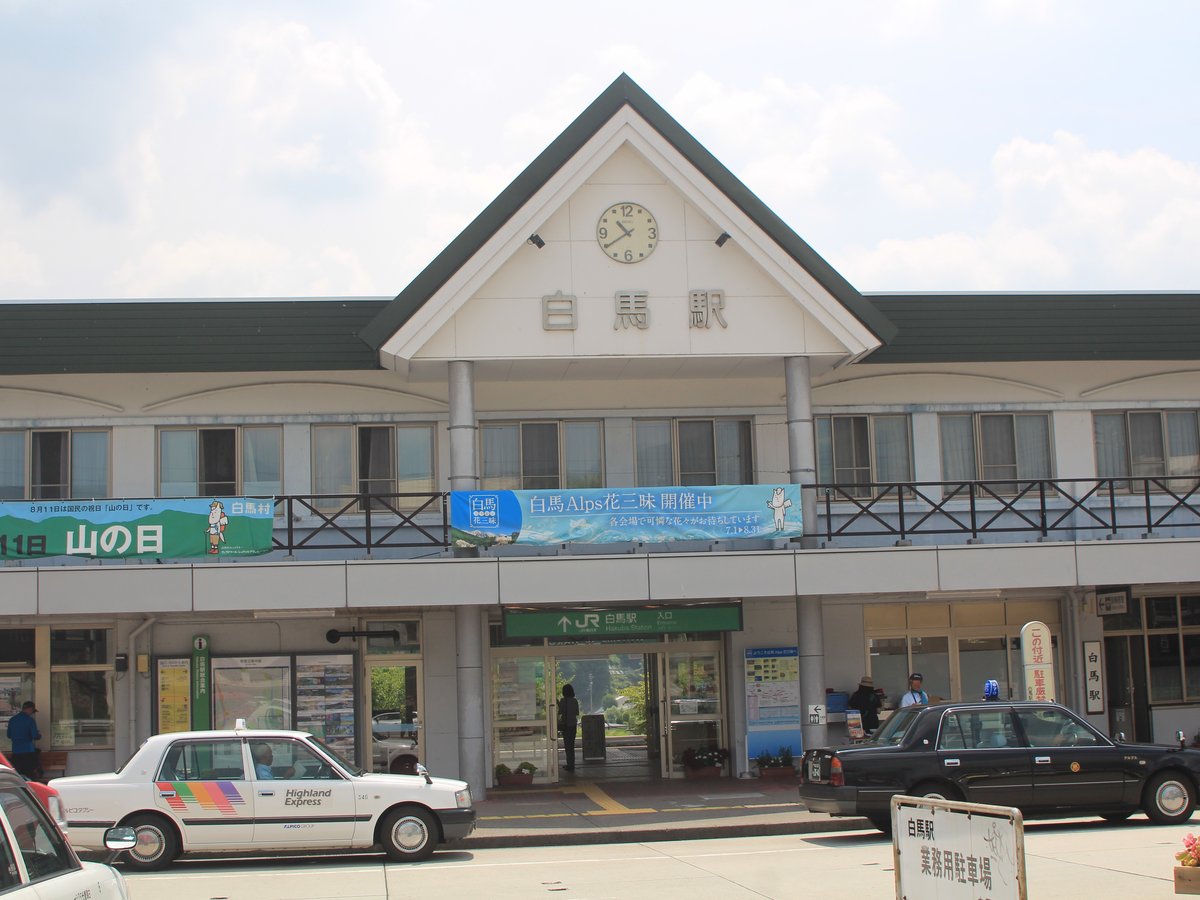
今回、全国の商業地で最も高い上昇率を記録したのは、長野県白馬村の基準地で、35.6%(前年14.6%)に上った。住宅地でも同村の地点が31.3%(同14.5%)と、全国2位の伸びを示した。
背景にあるのは、良質なパウダースノーを求めて訪れる外国人観光客の増加だ。平成10年の長野オリンピックで競技会場となったスキー場の周辺や駅前では、高級ホテルや複合施設の開発が進む。国内の富裕層や外国人による別荘・コンドミニアムの需要は旺盛で、周辺の既存の住宅地にまで波及している。
北海道千歳市では、半導体メーカーのラピダスが次世代半導体の工場を建設し、令和9年の量産開始を目指している。関連企業の立地需要を受けて、工業地の基準地は20.0%(前年14.3%)上昇し、上昇幅が拡大した。一方、住宅地は17.4%(同23.1%)、商業地は25.2%(同31.4%)と、依然として高い水準ながら伸びは鈍った。需要が周辺の市町に分散したことに加え、地価や建築費の上昇も影響しているという。
物流も地価を押し上げている。九州の高速道路が交わる佐賀県鳥栖市では、物流施設の用地需要が強く、工業地の基準地が25.0%(前年20.0%)上昇して全国2位となった。eコマース市場の好調を背景に、高速道路へのアクセスが良く、労働力も確保しやすい工業地では、高い上昇が続いている。
地方圏の住宅地、半数の地点で下落
ただし、全国一律の上昇ではない。三大都市圏と地方四市(札幌・仙台・広島・福岡)を除く「その他の地域」では、住宅地の平均変動率が0.0%と、前年と同じ横ばいだった。地方圏の住宅地では、前年から継続して調べた1万445地点のうち、50.5%にあたる5276地点で地価が下落している。令和6年の能登半島地震などで大きな被害を受けた地域では、下落が続いている。
観光客や大型投資が集まる一部の地域で地価が急騰する一方、多くの地方では横ばいか下落が続く。地価の「二極化」は、地域の人口や産業の行方をそのまま映し出していると言える。地価の上昇は資産を持つ人には追い風だが、住宅を求める若い世代や地元の事業者にとっては重い負担にもなる。上昇の恩恵を地域全体にどう広げるかが、課題となっている。
Words in this article
| Word | Reading | Meaning | JLPT |
|---|---|---|---|
| 地価 | ちか | land price | Not on JLPT lists |
| 連続 | れんぞく | consecutive; in a row | N3 |
| 上昇 | じょうしょう | rise; increase | N1 |
| 白馬 | はくば | Hakuba (a ski resort in Nagano) | Not on JLPT lists |
| 映す | うつす | to reflect; to mirror | N2 |
| 二極化 | にきょくか | polarization; a two-way split | Not on JLPT lists |
| 国土交通省 | こくどこうつうしょう | Ministry of Land, Infrastructure, Transport and Tourism | Name |
| 先月 | せんげつ | last month | N5 |
| 公表した | こうひょうした | made public; announced | N2 from 公表 |
| 令和8年 | れいわはちねん | Reiwa 8 (2026) | Number |
| 都道府県 | とどうふけん | prefectures | Not on JLPT lists |
| 地価調査 | ちかちょうさ | land price survey | Not on JLPT lists |
| によると | according to | Grammar | |
| 時点 | じてん | point in time (時点の = as of) | Not on JLPT lists |
| 全国 | ぜんこく | nationwide; the whole country | N3 |
| 全用途 | ぜんようと | all uses (of land) | Not on JLPT lists |
| 平均 | へいきん | average | N3 |
| 住宅地 | じゅうたくち | residential land | Not on JLPT lists |
| 商業地 | しょうぎょうち | commercial land | Not on JLPT lists |
| いずれも | all of them; each | N3 from いずれ | |
| 上昇した | じょうしょうした | rose | N1 from 上昇 |
| 調査 | ちょうさ | survey | N3 |
| 対象 | たいしょう | target; subject | N3 |
| 行われ | おこなわれ | was carried out (and ...) | Not on JLPT lists |
| 上昇幅 | じょうしょうはば | size of the rise; margin of increase | Not on JLPT lists |
| 拡大し | かくだいし | widened; expanded (and ...) | Not on JLPT lists |
| 前年 | ぜんねん | the previous year | Not on JLPT lists |
| 同じ | おなじ | same | N5 |
| とどまった | stayed at; remained | N2 from とどまる | |
| 変動率 | へんどうりつ | rate of change | Not on JLPT lists |
| 工業地 | こうぎょうち | industrial land | Not on JLPT lists |
| だった | was (plain past) | Grammar | |
| 圏域別 | けんいきべつ | by metropolitan area | Not on JLPT lists |
| 東京圏 | とうきょうけん | the Tokyo area | Not on JLPT lists |
| 拡大した | かくだいした | widened; expanded | N3 from 拡大 |
| 都道府県別 | とどうふけんべつ | by prefecture | Not on JLPT lists |
| 上昇率 | じょうしょうりつ | rate of increase | Not on JLPT lists |
| 最も | もっとも | most | N4 |
| 高かった | たかかった | was high (past of 高い) | N5 from 高い |
| 東京都 | とうきょうと | Tokyo Metropolis | Name |
| 達した | たっした | reached | N3 from 達する |
| 観光 | かんこう | tourism; sightseeing | N3 |
| 半導体 | はんどうたい | semiconductor | Not on JLPT lists |
| 押し上げる | おしあげる | to push up; to boost | Not on JLPT lists |
| 地方 | ちほう | the regions; outside the big cities | N3 |
| 一点 | いってん | one spot; one point | Not on JLPT lists |
| 今回 | こんかい | this time | N3 |
| 高い | たかい | high | N5 |
| 記録した | きろくした | recorded; posted | N3 from 記録 |
| 長野県 | ながのけん | Nagano Prefecture | Name |
| 白馬村 | はくばむら | Hakuba Village | Name |
| 基準地 | きじゅんち | benchmark site (in the land survey) | Not on JLPT lists |
| 上った | のぼった | reached; amounted to | N5 from 上る |
| 同村 | どうそん | the same village | Name |
| 地点 | ちてん | site; spot | N2 |
| 同 | どう | the same (here: the previous year) | N1 |
| 2位 | にい | second place | Number |
| 伸び | のび | growth; increase | Not on JLPT lists |
| 示した | しめした | showed | N3 from 示す |
| 背景 | はいけい | background; reason behind | N1 |
| 良質 | りょうしつ | high quality | N1 |
| パウダースノー | powder snow | Not on JLPT lists | |
| 求めて | もとめて | seeking (from 求める) | N3 from 求める |
| 訪れる | おとずれる | to visit | N1 |
| 外国人 | がいこくじん | foreigner; foreign | N5 |
| 観光客 | かんこうきゃく | tourist | Not on JLPT lists |
| 増加 | ぞうか | increase | N3 |
| 平成10年 | へいせいじゅうねん | Heisei 10 (1998) | Number |
| 長野 | ながの | Nagano | Not on JLPT lists |
| オリンピック | the Olympics | Not on JLPT lists | |
| 競技 | きょうぎ | competition; event | N3 |
| 会場 | かいじょう | venue | N4 |
| なった | became | Not on JLPT lists | |
| スキー場 | スキーじょう | ski resort; ski slope | Not on JLPT lists |
| 周辺 | しゅうへん | surrounding area; vicinity | N2 |
| 駅前 | えきまえ | in front of the station | Not on JLPT lists |
| 高級 | こうきゅう | high-class; luxury | N2 |
| ホテル | hotel | N5 | |
| 複合施設 | ふくごうしせつ | mixed-use complex | Not on JLPT lists |
| 開発 | かいはつ | development | N1 |
| 進む | すすむ | to advance; to go ahead | N4 |
| 国内 | こくない | domestic; within the country | Not on JLPT lists |
| 富裕層 | ふゆうそう | the wealthy | Not on JLPT lists |
| による | by; from | Grammar | |
| 別荘 | べっそう | holiday home; villa | N2 |
| コンドミニアム | condominium | Not on JLPT lists | |
| 需要 | じゅよう | demand | N3 |
| 旺盛 | おうせい | strong; vigorous | Not on JLPT lists |
| 既存 | きそん | existing | Not on JLPT lists |
| にまで | even to; as far as | Not on JLPT lists | |
| 波及している | はきゅうしている | is spreading; is having a knock-on effect | Not on JLPT lists |
| 北海道 | ほっかいどう | Hokkaido | Name |
| 千歳市 | ちとせし | Chitose City | Name |
| メーカー | maker; manufacturer | N1 | |
| ラピダス | Rapidus (a Japanese chipmaker) | Not on JLPT lists | |
| 次世代 | じせだい | next-generation | Not on JLPT lists |
| 工場 | こうじょう | factory; plant | N4 |
| 建設し | けんせつし | building (and ...) | Not on JLPT lists |
| 令和9年 | れいわきゅうねん | Reiwa 9 (2027) | Number |
| 量産 | りょうさん | mass production | Not on JLPT lists |
| 開始 | かいし | start | N3 |
| 目指している | めざしている | is aiming for | N2 from 目指す |
| 関連企業 | かんれんきぎょう | related companies; affiliates | Not on JLPT lists |
| 立地 | りっち | siting; location (of a business) | Not on JLPT lists |
| 受けて | うけて | in response to; owing to | N4 from 受ける |
| 一方 | いっぽう | on the other hand | N3 |
| 依然として | いぜんとして | still; as before | Not on JLPT lists |
| 水準 | すいじゅん | level; standard | N3 |
| ながら | although; while | Not on JLPT lists | |
| 鈍った | にぶった | slowed; lost momentum | N1 from 鈍る |
| 市町 | しちょう | cities and towns | Name |
| 分散した | ぶんさんした | dispersed; spread out | N1 from 分散 |
| ことに加え | ことにくわえ | in addition to the fact that | Not on JLPT lists |
| 建築費 | けんちくひ | construction costs | Not on JLPT lists |
| 影響している | えいきょうしている | is having an effect | N3 from 影響 |
| という | it is said; reportedly | Grammar | |
| 物流 | ぶつりゅう | logistics; distribution | Not on JLPT lists |
| 押し上げている | おしあげている | is pushing up | Not on JLPT lists |
| 九州 | きゅうしゅう | Kyushu | Not on JLPT lists |
| 高速道路 | こうそくどうろ | expressway | Not on JLPT lists |
| 交わる | まじわる | to cross; to intersect | N1 |
| 佐賀県 | さがけん | Saga Prefecture | Name |
| 鳥栖市 | とすし | Tosu City | Name |
| 施設 | しせつ | facility | N1 |
| 用地 | ようち | land (for a purpose); site | Not on JLPT lists |
| 強く | つよく | strong (and ...) (from 強い) | N5 from 強い |
| 上昇して | じょうしょうして | rising (and ...) | N1 from 上昇 |
| eコマース | イーコマース | e-commerce | Not on JLPT lists |
| 市場 | しじょう | market | Not on JLPT lists |
| 好調 | こうちょう | good condition; doing well | N1 |
| 背景に | はいけいに | against the background of | N1 from 背景 |
| アクセス | access | Not on JLPT lists | |
| 良く | よく | good (and ...) (from 良い) | N5 |
| 労働力 | ろうどうりょく | labor force; workers | Not on JLPT lists |
| 確保し | かくほし | secure (stem of 確保する) | Not on JLPT lists |
| やすい | easy to (~やすい) | N5 | |
| 続いている | つづいている | is continuing | N4 from 続く |
| ただし | however | N2 | |
| 一律 | いちりつ | uniform; across the board | N1 |
| ではない | is not | Not on JLPT lists | |
| 三大都市圏 | さんだいとしけん | the three major metropolitan areas | Not on JLPT lists |
| 地方四市 | ちほうよんし | the four regional cities | Name |
| 札幌 | さっぽろ | Sapporo | Name |
| 仙台 | せんだい | Sendai | Not on JLPT lists |
| 広島 | ひろしま | Hiroshima | Not on JLPT lists |
| 福岡 | ふくおか | Fukuoka | Name |
| 除く | のぞく | to exclude; except | N3 |
| その他 | そのた | other | Not on JLPT lists |
| 地域 | ちいき | area; region | N3 |
| 横ばい | よこばい | flat; leveling off | Not on JLPT lists |
| 地方圏 | ちほうけん | the regions (outside the three big areas) | Not on JLPT lists |
| 継続して | けいぞくして | continuously | N2 from 継続 |
| 調べた | しらべた | examined; surveyed | N4 from 調べる |
| うち | of; among | N4 | |
| あたる | to correspond to; to amount to | Not on JLPT lists | |
| 下落している | げらくしている | is falling | Not on JLPT lists |
| 令和6年 | れいわろくねん | Reiwa 6 (2024) | Number |
| 能登半島 | のとはんとう | the Noto Peninsula | Not on JLPT lists |
| 地震 | じしん | earthquake | N4 |
| など | and others; such as | Grammar | |
| 大きな | おおきな | big; serious | N5 |
| 被害 | ひがい | damage | N3 |
| 受けた | うけた | suffered; received | N4 from 受ける |
| 下落 | げらく | fall; decline | Not on JLPT lists |
| 観光客や | かんこうきゃくや | tourists and (...) | Not on JLPT lists |
| 大型 | おおがた | large-scale | Not on JLPT lists |
| 投資 | とうし | investment | N1 |
| 集まる | あつまる | to gather; to concentrate | N4 |
| 一部 | いちぶ | some; a part | N1 |
| 急騰する | きゅうとうする | to soar; to jump sharply | Not on JLPT lists |
| 多く | おおく | many | N5 from 多い |
| 続く | つづく | to continue | N4 |
| 人口 | じんこう | population | N4 |
| 産業 | さんぎょう | industry | N4 |
| 行方 | ゆくえ | direction; future course | Not on JLPT lists |
| そのまま | as it is; directly | Not on JLPT lists | |
| 映し出している | うつしだしている | is reflecting; is showing | Not on JLPT lists |
| 言える | いえる | can be said | Not on JLPT lists |
| 資産 | しさん | assets; property | N1 |
| 持つ | もつ | to have; to own | N5 |
| 追い風 | おいかぜ | tailwind; a boost | Not on JLPT lists |
| 住宅 | じゅうたく | housing; home | N3 |
| 求める | もとめる | to seek; to look for | N3 |
| 若い | わかい | young | N5 |
| 世代 | せだい | generation | N1 |
| 地元 | じもと | local | N1 |
| 事業者 | じぎょうしゃ | business operator | Not on JLPT lists |
| にとっては | for; to (someone) | Not on JLPT lists | |
| 重い | おもい | heavy | N5 |
| 負担 | ふたん | burden | N1 |
| 恩恵 | おんけい | benefit | N2 |
| 全体 | ぜんたい | the whole | N3 |
| どう | how | N5 | |
| 広げる | ひろげる | to spread; to widen | N2 |
| 課題 | かだい | challenge; issue | N1 |
| なっている | has become | Not on JLPT lists | |
| 半数 | はんすう | half (the number) | Not on JLPT lists |
Questions
Answer in Japanese, then check yourself. The reader saves your answers and keeps score.
- 令和8年の都道府県地価調査で、全国の地価はどうなりましたか。用途別の数字も挙げて説明してください。
Show answer
全用途平均・住宅地・商業地のいずれも5年連続で上昇しました。全国平均の変動率は、住宅地が1.0%、商業地が2.9%、工業地が3.3%でした。
All-use average, residential and commercial land all rose for a fifth straight year. National average changes were 1.0% for residential, 2.9% for commercial and 3.3% for industrial land.
- 全国の商業地で最も高い上昇率を記録したのはどこですか。その背景には何がありますか。
Show answer
長野県白馬村の基準地で、35.6%でした。良質なパウダースノーを求めて訪れる外国人観光客の増加が背景にあります。
A benchmark site in Hakuba Village, Nagano, at 35.6%. Behind it is the rise in foreign tourists coming for its high-quality powder snow.
- 千歳市では、工業地と住宅地・商業地とで地価の動きがどう違いましたか。その理由は何だと述べられていますか。
Show answer
工業地は20.0%上昇して上昇幅が拡大しましたが、住宅地と商業地は伸びが鈍りました。需要が周辺の市町に分散したことや、地価や建築費の上昇が影響しているといいます。
Industrial land rose 20.0% with a wider gain, while growth in residential and commercial land slowed, reportedly because demand spread to neighboring towns and land and construction costs rose.
- 鳥栖市の工業地の地価が上昇しているのはなぜですか。
Show answer
九州の高速道路が交わる場所にあり、物流施設の用地需要が強いからです。
Because it sits where Kyushu's expressways meet, and demand for land for logistics facilities is strong.
- 「全国一律の上昇ではない」とありますが、地方圏の住宅地ではどのような状況ですか。
Show answer
前年から継続して調べた1万445地点のうち、50.5%にあたる5276地点で地価が下落しています。
Of 10,445 sites surveyed continuously, 5,276, or 50.5%, saw land prices fall.
- 筆者は、地価の上昇が誰にとって追い風で、誰にとって負担になると述べていますか。
Show answer
資産を持つ人には追い風ですが、住宅を求める若い世代や地元の事業者にとっては重い負担になると述べています。
It is a tailwind for people who own assets, but a heavy burden for young people looking for housing and for local businesses.
- 地価の「二極化」について、あなたはどう考えますか。上昇の恩恵を地域全体に広げるには、何が必要だと思いますか。
Example answer
地価が上がる地域の税収を、人口が減る地域の生活の支えにも使うなど、地域をこえた工夫が必要だと思います。
I think it needs measures that cross regions, such as using tax revenue from rising areas to support daily life in shrinking ones.
New to Japanese? The Lessons are a step-by-step textbook from zero. Can't read kana yet? Starter comes first.
Start from zero Lesson 1 (N5)More N1 reading
- 夏のボーナス、3年連続で過去最高 大企業と家計の間に温度差 2026年10月5日
- 9月短観、製造業の景況感が規模を問わず改善 先行きは軒並み悪化を見込む 2026年10月4日
- 8月の延べ宿泊者数6.7%減 外国人客の落ち込みが大都市を直撃 2026年10月2日
- 8月の消費者物価1.9%上昇 エネルギーと授業料が押し下げ、食料は高止まり 2026年9月25日
- サンマはなぜ獲れなくなったのか——海水温上昇でも外国漁船でもない、資源管理という原因 2026年9月12日
- 「強く豊かに」から半年余り——支持率、円安、そしてICC制裁で問われている高市政権の「言動不一致」 2026年8月21日