Reading › N3 › チャイルドシート、5歳になると使用率が65.7%に下がる
チャイルドシート、5歳になると使用率が65.7%に下がる
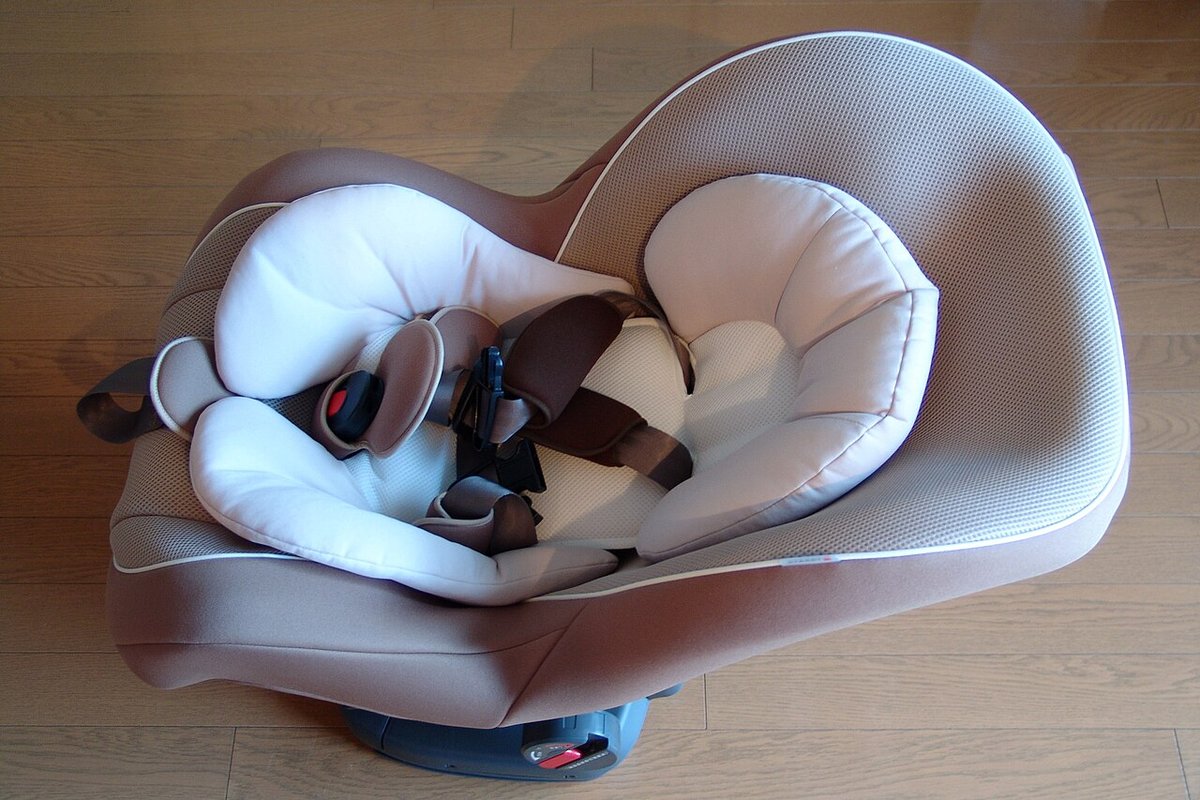
Written for learners with AI assistance, based on: 警察庁・JAF · original source ↗
In the reader you can tap any word to see its reading, meaning and JLPT level, save the ones you don't know, and quiz yourself on them.
Open in the reader6歳になる前の子どもを車に乗せるときは、チャイルドシートを使うことが、法律で義務になっている。事故の際、大人用のシートベルトだけでは、小さな体を十分に支えることができないからだ。チャイルドシートは、子どもの命をまもる。
警察庁とJAF(日本自動車連盟)は今年5月、全国99か所で調査をして、車に乗っている6歳になる前の子ども1万2914人の状況を確認した。その結果、チャイルドシートを使用していた子どもは全体の84.0%で、前回より1.6ポイント上がった。
一方で、年齢による差は大きい。1歳になる前の子どもは94.8%、1歳から4歳は86.9%だったが、5歳になると65.7%まで下がった。5歳の子どもの14.8%は車の座席にそのまま座り、14.3%は大人用のシートベルトをしていた。
座席の位置によっても違いがあった。後ろの座席では86.0%の子どもが使用していたが、運転席の隣の助手席では68.6%しかなかった。
また、使っていても、正しく使えているとは限らない。チャイルドシートが車にしっかり取り付けられていたのは77.6%、子どもが正しく座っていたのは58.7%だった。取り付けで最も多い間違いは、ベルトを十分に締めていないことだった。
子どもは成長すると、チャイルドシートをいやがるようになることが多い。しかし、体に合ったものを正しく使わなければ、効果はない。警察庁は、6歳以上でも身長が低い子どもにはチャイルドシートを使用するよう、勧めている。実際に事故が起きたとき、子どもの命をまもれるかどうかは、大人の注意にかかっている。
Words in this article
The 58 words at JLPT N3 or above, and the specialist words that are on no JLPT list.
| Word | Reading | Meaning | JLPT |
|---|---|---|---|
| チャイルドシート | child car seat | Not on JLPT lists | |
| 使用率 | しようりつ | usage rate | Not on JLPT lists |
| 乗せる | のせる | to put (someone) in a vehicle | N3 |
| とき | when | Not on JLPT lists | |
| 子ども | こども | child; children | Not on JLPT lists |
| 義務 | ぎむ | duty; obligation | N3 |
| なっている | has become; is (from なる) | Not on JLPT lists | |
| 際 | さい | occasion; time (の際 = when) | N3 |
| 支える | ささえる | to support; to hold | N3 |
| ことができない | cannot | Not on JLPT lists | |
| 大人用 | おとなよう | for adults | Not on JLPT lists |
| シートベルト | seat belt | Not on JLPT lists | |
| 命 | いのち | life | N3 |
| まもる | to protect | Not on JLPT lists | |
| JAF | ジャフ | JAF (Japan Automobile Federation) | Not on JLPT lists |
| 日本自動車連盟 | にほんじどうしゃれんめい | Japan Automobile Federation | Not on JLPT lists |
| 全国 | ぜんこく | the whole country; nationwide | N3 |
| 調査 | ちょうさ | survey | N3 |
| 状況 | じょうきょう | situation; conditions | N3 |
| 確認した | かくにんした | confirmed; checked (from 確認する) | N3 from 確認 |
| 結果 | けっか | result | N3 |
| 使用していた | しようしていた | was using (from 使用する) | N3 from 使用 |
| 全体 | ぜんたい | the whole; overall | N3 |
| 前回 | ぜんかい | last time; the previous survey | Not on JLPT lists |
| 一方で | いっぽうで | on the other hand | N3 from 一方 |
| 位置 | いち | position | N3 |
| 使用 | しよう | use | N3 |
| 年齢 | ねんれい | age | N3 |
| 差 | さ | difference; gap | N3 |
| 座席 | ざせき | seat | N3 |
| そのまま | as it is; directly | Not on JLPT lists | |
| 座り | すわり | sat (and ...) (from 座る) | Not on JLPT lists |
| していた | was wearing; was doing (from する) | Not on JLPT lists | |
| 違い | ちがい | difference | N3 |
| 運転席 | うんてんせき | driver's seat | Not on JLPT lists |
| 助手席 | じょしゅせき | front passenger seat | Not on JLPT lists |
| 使っていても | つかっていても | even if (they) are using (from 使う) | Not on JLPT lists |
| 使えている | つかえている | is able to use (from 使える) | Not on JLPT lists |
| とは限らない | とはかぎらない | is not necessarily | Not on JLPT lists |
| 取り付けられていた | とりつけられていた | was installed (from 取り付ける) | Not on JLPT lists |
| 取り付け | とりつけ | installation | Not on JLPT lists |
| 間違い | まちがい | mistake | N3 |
| ベルト | belt; strap | N3 | |
| 成長する | せいちょうする | to grow (up) | N3 from 成長 |
| ようになる | to come to (do) | Not on JLPT lists | |
| 効果 | こうか | effect | N3 |
| ない | there is no | Not on JLPT lists | |
| 身長 | しんちょう | height | N3 |
| 使用するよう | しようするよう | to use (request) | Not on JLPT lists |
| 実際に | じっさいに | actually; in reality | N3 from 実際 |
| まもれる | can protect (from まもる) | Not on JLPT lists | |
| にかかっている | depends on | Not on JLPT lists | |
| もの | thing; one | Not on JLPT lists | |
| 調査 | ちょうさ | survey | N3 |
| いやがる | to dislike; to not want to | Not on JLPT lists | |
| によっても | also depending on | Not on JLPT lists | |
| 勧めている | すすめている | recommends (from 勧める) | N3 from 勧める |
| しかなかった | was only (... and no more) | Not on JLPT lists |
48 more words from lower levels, plus names, numbers and grammar
| Word | Reading | Meaning | JLPT |
|---|---|---|---|
| なる | to become | N5 | |
| 下がる | さがる | to fall; to go down | N4 |
| 車 | くるま | car | N5 |
| 使う | つかう | to use | N5 |
| こと | (makes a verb into a noun) | Grammar | |
| 法律 | ほうりつ | law | N4 |
| 事故 | じこ | accident | N4 |
| だけでは | with only | Grammar | |
| 小さな | ちいさな | small | N5 |
| 体 | からだ | body | N5 |
| しっかり | firmly; properly | N4 | |
| 警察庁 | けいさつちょう | National Police Agency | Name |
| 今年 | ことし | this year | N5 |
| 乗っている | のっている | riding (from 乗る) | N5 from 乗る |
| 99か所 | きゅうじゅうきゅうかしょ | 99 places | Number |
| その | that | N5 | |
| より | than | Grammar | |
| ポイント | (percentage) point | Number | |
| 上がった | あがった | rose (from 上がる) | N4 from 上がる |
| しかし | however | N5 | |
| による | by; depending on | Grammar | |
| 大きい | おおきい | big; large | N5 |
| から | from | Grammar | |
| だった | was | Grammar | |
| まで | to; as far as | Grammar | |
| 下がった | さがった | fell (from 下がる) | N4 from 下がる |
| あった | there was (from ある) | N5 from ある | |
| 後ろ | うしろ | back; rear | N5 |
| 隣 | となり | next to | N5 |
| また | also; in addition | N5 | |
| 正しく | ただしく | correctly | N4 from 正しい |
| 座っていた | すわっていた | was sitting (from 座る) | N5 from 座る |
| 最も | もっとも | most | N4 |
| 多い | おおい | many; common | N5 |
| 十分に | じゅうぶんに | enough; fully | N4 from 十分 |
| 締めていない | しめていない | is not fastened (from 締める) | N5 from 締める |
| 低い | ひくい | short; low | N5 |
| 起きた | おきた | happened (from 起きる) | N5 from 起きる |
| かどうか | whether or not | Grammar | |
| 大人 | おとな | adult | N5 |
| 注意 | ちゅうい | attention; care | N4 |
| 合った | あった | fitted; suited (from 合う) | N4 from 合う |
| 以上 | いじょう | or more; and over | N4 |
| でも | even | N5 | |
| どう | how | N5 | |
| 使わなければ | つかわなければ | unless (one) uses (from 使う) | N5 from 使う |
| 前 | まえ | before | N5 |
| して | doing (調査をして = carrying out a survey) | Grammar |
Questions
Try answering in Japanese, then open the answer to check yourself. In the reader, your answers and score are saved.
- 6歳になる前の子どもにチャイルドシートが必要なのは、なぜですか。
Show answer
事故の際、大人用のシートベルトだけでは、小さな体を十分に支えることができないからです。
Because in an accident an adult seat belt alone cannot properly hold a small body.
- 今年の調査で、チャイルドシートを使っていた子どもは何%でしたか。前回と比べてどうでしたか。
Show answer
84.0%でした。前回より1.6ポイント上がりました。
84.0%, up 1.6 points from the previous survey.
- 5歳の子どもの使用率は、何%でしたか。使っていない子どもは、どのように乗っていましたか。
Show answer
65.7%でした。14.8%は車の座席にそのまま座り、14.3%は大人用のシートベルトをしていました。
65.7%. 14.8% sat directly on the car seat, and 14.3% wore an adult seat belt.
- 後ろの座席と助手席では、どんな違いがありましたか。
Show answer
後ろの座席では86.0%が使っていましたが、助手席では68.6%でした。
86.0% used one in the back seat, but only 68.6% in the front passenger seat.
- 「使っていても、正しく使えているとは限らない」とは、どういうことですか。
Show answer
しっかり取り付けられていたのは77.6%、正しく座っていたのは58.7%で、使っていても正しくない場合が多いということです。
Only 77.6% of seats were properly installed and only 58.7% of children were seated correctly, so many seats in use are not used correctly.
- 子どもがチャイルドシートをいやがったら、あなたならどうしますか。
Example answer
事故のときに命をまもるためだと、子どもにわかるように説明します。好きなおもちゃを持たせて、座ることを楽しくする工夫もしたいです。
I would explain in a way the child can understand that it is to protect their life in an accident. I would also try to make sitting in it fun, for example by letting them hold a favorite toy.
If you're new to Japanese, the Lessons teach it step by step from zero. If you can't read kana yet, start with Starter.
Start from zero Lesson 1 (N5)More N3 reading
- 登山者が約24万人に 今年の夏の富士山 2026年10月10日
- 噴火で生まれ変わった西之島、今年の調査で分かったこと 2026年10月9日
- 小学校の子どもは過去最少、通信制の高校生は過去最多 2026年10月8日
- お米の値段、1年で3割下がる 2026年10月7日
- 軽自動車の市場に、中国の会社も 2026年10月6日
- 100歳以上の人、初めて10万人以上に 2026年10月5日