Reading › N3 › ツルの数の調査、今年も1万羽より多く
ツルの数の調査、今年も1万羽より多く
Written for learners with AI assistance, based on: KKB鹿児島放送・出水市観光特産品協会 · original source ↗
In the reader you can tap any word to see its reading, meaning and JLPT level, save the ones you don't know, and quiz yourself on them.
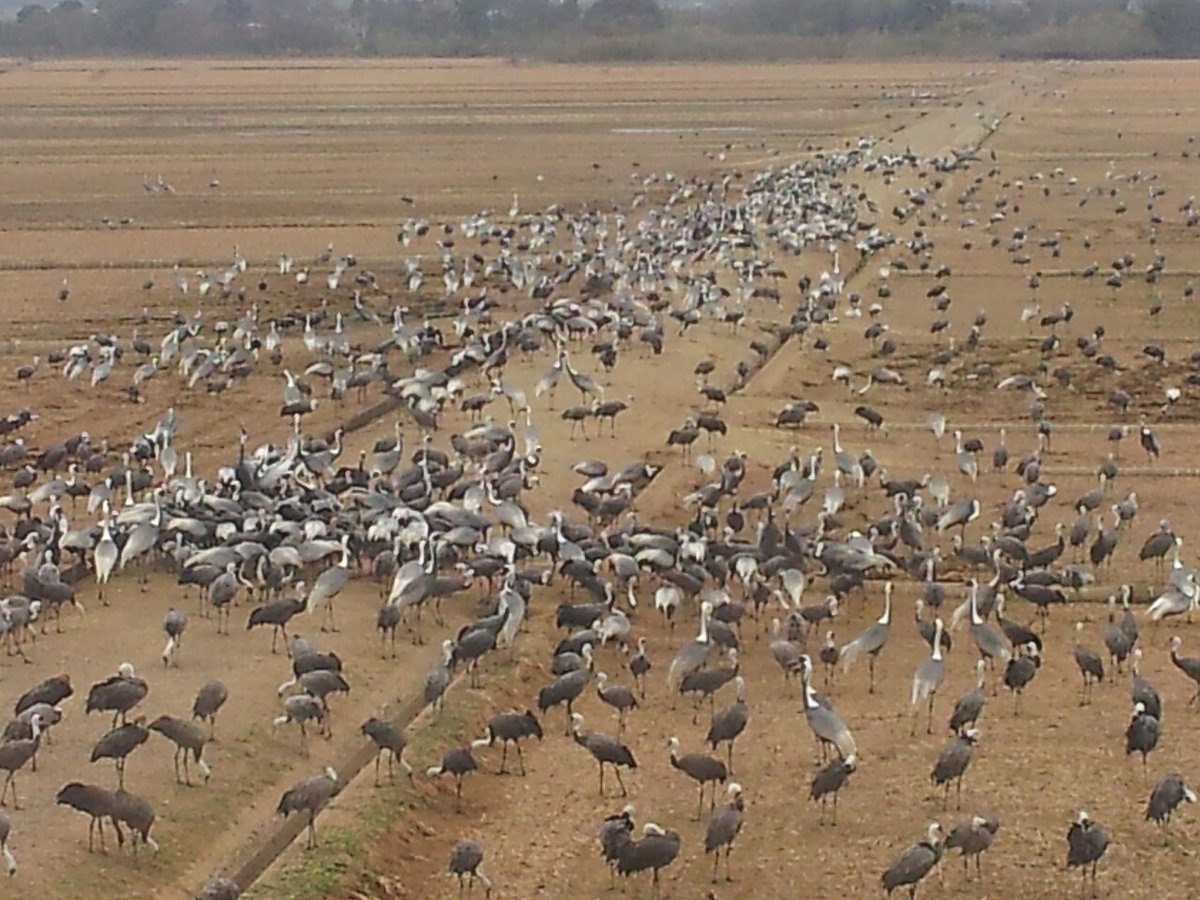
Open in the reader鹿児島県の出水市に、今年もたくさんのツルが来ている。ツルは、寒いシベリアなどから長い旅をして飛んできて、出水市で冬を過ごす。出水市は、日本でいちばん多くのツルが冬を過ごす場所だ。そして春になると、ツルはまた北へ帰っていく。
今年は10月21日に、最初の3羽が出水市に着いた。そして11月14日の朝、今年初めての調査があった。
朝早く、ツルは夜に寝ていた場所から飛び立つ。そのときに、1羽ずつ数えていく。これが、ツルを数える調査だ。調査には、出水市の中学校のツルクラブの生徒など、だいたい100人が参加した。
数えた結果、ナベヅルが1万3770羽、マナヅルが381羽など、合わせて1万4160羽だった。1万羽より多い冬は、これで30年連続だ。
去年の冬、いちばん多かったときは1万3319羽だった。今年は最初の調査で、もうそれより多くのツルが来ている。
参加した生徒は、自分たちが数えたツルの数は世界に報告されるので、この調査はとても大事だと話した。今年の調査は、あと3回ある予定だ。
Words in this article
The 26 words at JLPT N3 or above, and the specialist words that are on no JLPT list.
| Word | Reading | Meaning | JLPT |
|---|---|---|---|
| ツル | crane (the bird) | Not on JLPT lists | |
| 来ている | きている | have come; are here (from 来る) | Not on JLPT lists |
| 旅 | たび | journey; trip | N3 |
| 飛んできて | とんできて | flying in (te-form of 飛んでくる) | Not on JLPT lists |
| 過ごす | すごす | to spend (time) | N3 |
| 多くの | おおくの | many (from 多い) | Not on JLPT lists |
| 帰っていく | かえっていく | go back; return (from 帰る) | Not on JLPT lists |
| 調査 | ちょうさ | survey; count; investigation | N3 |
| 飛び立つ | とびたつ | to fly off; to take off | Not on JLPT lists |
| とき | time; when | Not on JLPT lists | |
| 数えていく | かぞえていく | count one after another (from 数える) | Not on JLPT lists |
| 数える | かぞえる | to count | N3 |
| には | in; for (topic) | Not on JLPT lists | |
| ツルクラブ | crane club (a school club) | Not on JLPT lists | |
| 参加した | さんかした | took part (past of 参加する) | N3 from 参加 |
| 参加 | さんか | taking part; participation | N3 |
| 数えた | かぞえた | counted (past of 数える) | N3 from 数える |
| 結果 | けっか | result | N3 |
| ナベヅル | hooded crane | Not on JLPT lists | |
| マナヅル | white-naped crane | Not on JLPT lists | |
| 合わせて | あわせて | in total; all together (from 合わせる) | N3 from 合わせる |
| 連続 | れんぞく | in a row; consecutive | N3 |
| 自分たち | じぶんたち | they themselves; ourselves | Not on JLPT lists |
| 数 | かず | number | N3 |
| 報告される | ほうこくされる | is reported (passive of 報告する) | N3 from 報告 |
| 報告 | ほうこく | report | N3 |
69 more words from lower levels, plus names, numbers and grammar
| Word | Reading | Meaning | JLPT |
|---|---|---|---|
| 鹿児島県 | かごしまけん | Kagoshima Prefecture | Name |
| の | 's; of | Grammar | |
| 出水市 | いずみし | Izumi City (in Kagoshima) | Name |
| に | to; at; in | Grammar | |
| 今年 | ことし | this year | N5 |
| も | also; too | Grammar | |
| たくさん | many; a lot | N5 | |
| が | (subject marker) | Grammar | |
| は | (topic marker) | Grammar | |
| 寒い | さむい | cold | N5 |
| シベリア | Siberia | Name | |
| など | and so on; such as | Grammar | |
| から | from; because | Grammar | |
| 長い | ながい | long | N5 |
| を | (object marker) | Grammar | |
| して | doing (te-form of する) | Grammar | |
| で | in; at; by | Grammar | |
| 冬 | ふゆ | winter | N5 |
| 日本 | にほん | Japan | Name |
| いちばん | the most | N5 | |
| 場所 | ばしょ | place | N4 |
| だ | is (plain) | Grammar | |
| 最初 | さいしょ | first; the beginning | N4 |
| 3羽 | さんば | three (birds) | Number |
| 着いた | ついた | arrived (past of 着く) | N5 from 着く |
| そして | and then | N5 | |
| 春 | はる | spring | N5 |
| なる | to become | N5 | |
| また | again | N5 | |
| 北 | きた | north | N5 |
| へ | to; toward | Grammar | |
| と | when; if | Grammar | |
| 朝 | あさ | morning | N5 |
| 初めて | はじめて | for the first time | N5 |
| あった | there was; took place (past of ある) | N5 from ある | |
| ある | there is; to take place | N5 | |
| 早く | はやく | early (from 早い) | N5 from 早い |
| 夜 | よる | night | N5 |
| 寝ていた | ねていた | had been sleeping (from 寝る) | N5 from 寝る |
| その | that | N5 | |
| 1羽 | いちわ | one (bird) | Number |
| ずつ | one at a time; each | Grammar | |
| これ | this | N5 | |
| 中学校 | ちゅうがっこう | junior high school | N4 |
| 生徒 | せいと | student; pupil | N5 |
| だいたい | about; roughly | N4 | |
| 1万3770羽 | いちまんさんぜんななひゃくななじゅうわ | 13,770 (birds) | Number |
| 381羽 | さんびゃくはちじゅういちわ | 381 (birds) | Number |
| 1万4160羽 | いちまんよんせんひゃくろくじゅうわ | 14,160 (birds) | Number |
| だった | was | Grammar | |
| 1万羽 | いちまんわ | 10,000 (birds) | Number |
| より | than | Grammar | |
| 多い | おおい | many; a lot | N5 |
| これで | with this; now | N5 from これ | |
| 去年 | きょねん | last year | N5 |
| 多かった | おおかった | was the most; were many (past of 多い) | N5 from 多い |
| 1万3319羽 | いちまんさんぜんさんびゃくじゅうきゅうわ | 13,319 (birds) | Number |
| もう | already | N5 | |
| それ | that | N5 | |
| 世界 | せかい | the world | N4 |
| ので | because; so | Grammar | |
| この | this | N5 | |
| とても | very | N5 | |
| 大事 | だいじ | important | N4 |
| と | that (quoting); and | Grammar | |
| 話した | はなした | said; talked (past of 話す) | N5 from 話す |
| あと | more; remaining | N5 | |
| 3回 | さんかい | three times | Number |
| 予定 | よてい | plan; schedule | N4 |
Questions
Try answering in Japanese, then open the answer to check yourself. In the reader, your answers and score are saved.
- ツルは、どこから出水市に来ますか。出水市で何をしますか。
Show answer
寒いシベリアなどから来ます。出水市で冬を過ごします。
They come from cold places such as Siberia, and spend the winter in Izumi.
- 今年、最初のツルが出水市に着いたのはいつですか。何羽でしたか。
Show answer
10月21日です。3羽でした。
On October 21. There were three.
- 調査では、どうやってツルの数を数えますか。
Show answer
朝早く、ツルが夜に寝ていた場所から飛び立つときに、1羽ずつ数えていきます。
Early in the morning, as the cranes fly off from where they slept, people count them one by one.
- 11月14日の調査では、全部で何羽のツルがいましたか。
Show answer
合わせて1万4160羽でした。
14,160 in total.
- 今年の最初の調査の数は、去年の冬といちばん多かったときと比べて、どうですか。
Show answer
去年の冬にいちばん多かったときは1万3319羽だったので、今年はもうそれより多いです。
Last winter's highest count was 13,319, so this year's first count is already higher.
- 生徒は、なぜこの調査が大事だと話しましたか。
Show answer
自分たちが数えたツルの数は世界に報告されるからです。
Because the numbers they count are reported to the world.
- あなたの国には、冬に遠くから来る鳥がいますか。どんな鳥ですか。
Example answer
はい。わたしの国では、冬になると、北から白い鳥が湖に来ます。
Yes. In my country, white birds come from the north to a lake in winter.
If you're new to Japanese, the Textbook teaches it step by step from zero. If you can't read kana yet, start with Starter.
Start from zero Lesson 1 (N5)More N3 reading
- 夜に出発して朝に着く新幹線、12月に走る 2026年11月19日
- 白菜が高い、鍋の季節なのに 2026年11月17日
- インフルエンザが、今年は早くから広がっている 2026年11月11日
- 寒い季節の前に、火事に注意しよう 2026年11月10日
- 紅葉の様子を、情報で確かめてから公園へ 2026年11月9日
- AIが、ごみの瓶を分ける 2026年11月8日