白菜が高い、鍋の季節なのに
Written for learners with AI assistance, based on: 農林水産省 · original source ↗
In the reader you can tap any word to see its reading, meaning and JLPT level, save the ones you don't know, and quiz yourself on them.
Open in the reader寒くなって、鍋がおいしい季節になった。でも、白菜の値段は平均よりずっと上だ。農林水産省が全国の470店で調べると、11月2日の週、白菜は1キロあたり350円だった。
これは、いつもの年の153%だ。ほかの野菜も高く、大根は239円で120%、キャベツは280円で124%だった。ここで「いつもの年」というのは、前の5年間の平均のことだ。
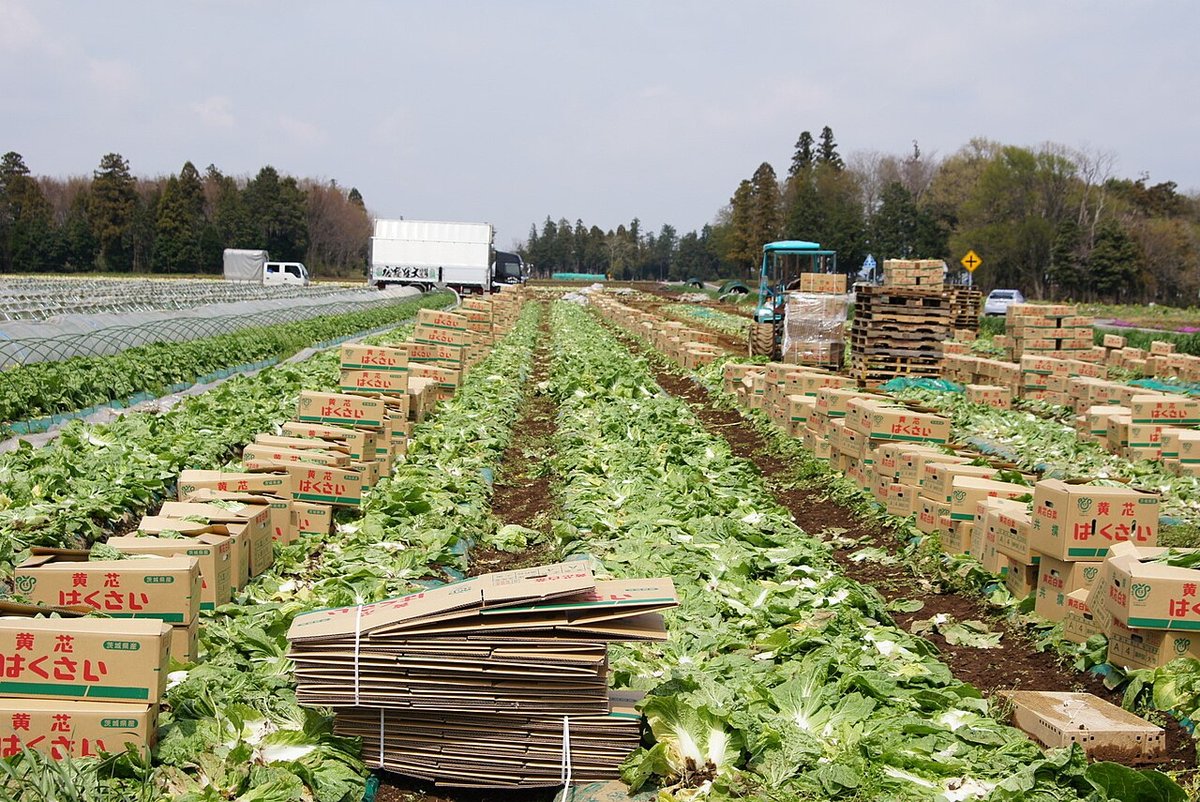
値上がりの理由は、9月の天気にある。11月に東京の市場に届く白菜は、主に茨城県から来る。77%が茨城県のものだ。その茨城県では、9月に雨の日が長く続いて、日光も足りなかった。白菜の畑にも、影響があった。そのため、白菜が大きく育つのが遅れている。
大根やキャベツも同じだ。千葉県の大根の畑では、台風や長い雨で、種をまけなかったところもあった。店に届く野菜の量が少ないので、値段が上がっている。
一方、玉ねぎは1キロ304円で、いつもの年の88%と、少し安かった。農林水産省の発表では、11月の間、白菜や大根の値段は高いままだろうという。
鍋を作るときは、半分に切った白菜を買ったり、玉ねぎなど安い野菜を使ったりするのもいい。冷蔵庫でうまく保存すれば、長く使うこともできる。
Words in this article
The 31 words at JLPT N3 or above, and the specialist words that are on no JLPT list.
| Word | Reading | Meaning | JLPT |
|---|---|---|---|
| なって | becoming (te-form of なる) | Not on JLPT lists | |
| 鍋 | なべ | hot pot; nabe (a pot dish cooked at the table) | N3 |
| なった | became (past of なる) | Not on JLPT lists | |
| 白菜 | はくさい | napa cabbage; Chinese cabbage | Not on JLPT lists |
| 平均 | へいきん | average | N3 |
| ずっと | much; far | N3 | |
| 全国 | ぜんこく | the whole country; nationwide | N3 |
| 週 | しゅう | week | N3 |
| あたり | per | N3 | |
| 大根 | だいこん | daikon radish | Not on JLPT lists |
| キャベツ | cabbage | Not on JLPT lists | |
| 値上がり | ねあがり | rise in price | Not on JLPT lists |
| にある | lies in; is in | Not on JLPT lists | |
| 市場 | しじょう | (wholesale) market | Not on JLPT lists |
| 届く | とどく | to arrive; to reach | N3 |
| 主に | おもに | mainly | N3 |
| もの | thing; one (here: produce) | Not on JLPT lists | |
| 日光 | にっこう | sunlight | N3 |
| そのため | because of that | Not on JLPT lists | |
| 育つ | そだつ | to grow | N3 |
| 畑 | はたけ | field (for vegetables) | N3 |
| 影響 | えいきょう | effect; influence | N3 |
| 種 | たね | seed | N3 |
| まけなかった | could not sow (from まく, to sow) | Not on JLPT lists | |
| 量 | りょう | amount; quantity | N3 |
| 一方 | いっぽう | on the other hand | N3 |
| 玉ねぎ | たまねぎ | onion | Not on JLPT lists |
| 発表 | はっぴょう | announcement | N3 |
| とき | when | Not on JLPT lists | |
| うまく | well; skillfully | Not on JLPT lists | |
| 保存すれば | ほぞんすれば | if (you) store it (from 保存する) | Not on JLPT lists |
77 more words from lower levels, plus names, numbers and grammar
| Word | Reading | Meaning | JLPT |
|---|---|---|---|
| 寒く | さむく | cold (from 寒い) | N5 from 寒い |
| おいしい | tasty; delicious | N5 | |
| 季節 | きせつ | season | N4 |
| に | to; at; in; on | Grammar | |
| でも | but | N5 | |
| の | 's; of | Grammar | |
| 値段 | ねだん | price | N4 |
| は | (topic marker) | Grammar | |
| より | than | Grammar | |
| 上 | うえ | above; higher | N5 |
| だ | is (plain) | Grammar | |
| 農林水産省 | のうりんすいさんしょう | Ministry of Agriculture, Forestry and Fisheries | Name |
| が | (subject marker) | Grammar | |
| 470店 | よんひゃくななじゅってん | 470 stores | Number |
| で | in; at; by; and | Grammar | |
| 調べる | しらべる | to look into; to check | N4 |
| と | when; and | Grammar | |
| 1キロ | いちキロ | one kilogram | Number |
| だった | was | Grammar | |
| これ | this | N5 | |
| いつも | always; usual | N5 | |
| ほか | other | N5 | |
| 野菜 | やさい | vegetable | N5 |
| も | also; too | Grammar | |
| 高く | たかく | expensive (from 高い) | N5 from 高い |
| ここで | here | N5 from ここ | |
| という | called; what is meant by | Grammar | |
| のは | the one that ... (is) | Grammar | |
| 前 | まえ | before; previous | N5 |
| 5年間 | ごねんかん | 5 years | Number |
| こと | thing; (what something means) | Grammar | |
| 理由 | りゆう | reason | N4 |
| 天気 | てんき | weather | N5 |
| 東京 | とうきょう | Tokyo | Name |
| 茨城県 | いばらきけん | Ibaraki Prefecture | Name |
| から | from | Grammar | |
| 来る | くる | to come | N5 |
| その | that | N5 | |
| では | in; at (topic) | N5 | |
| 雨 | あめ | rain | N5 |
| 長く | ながく | for a long time (from 長い) | N5 from 長い |
| 続いて | つづいて | continued (te-form of 続く) | N4 from 続く |
| 足りなかった | たりなかった | was not enough (past of 足りない) | N4 from 足りる |
| 大きく | おおきく | big (from 大きい) | N5 from 大きい |
| 遅れている | おくれている | is late; is behind (from 遅れる) | N4 from 遅れる |
| や | and (among others) | Grammar | |
| を | (object marker) | Grammar | |
| 同じ | おなじ | the same | N5 |
| にも | also (in/on) | N5 from に | |
| 千葉県 | ちばけん | Chiba Prefecture | Name |
| 台風 | たいふう | typhoon | N4 |
| 長い | ながい | long | N5 |
| ところ | place | N5 | |
| あった | there were (past of ある) | N5 from ある | |
| 店 | みせ | store; shop | N5 |
| 少ない | すくない | few; little | N5 |
| ので | so; because | Grammar | |
| 上がっている | あがっている | is going up (from 上がる) | N4 from 上がる |
| 少し | すこし | a little | N5 |
| 安かった | やすかった | was cheap (past of 安い) | N5 from 安い |
| 間 | あいだ | during; while | N4 |
| 高い | たかい | expensive; high | N5 |
| まま | still; as it is | Grammar | |
| だろう | probably; will likely | Grammar | |
| という | (they) say that | Grammar | |
| 作る | つくる | to make | N5 |
| 半分 | はんぶん | half | N5 |
| 切った | きった | cut (past of 切る) | N5 from 切る |
| 買ったり | かったり | doing things like buying (from 買う) | N5 from 買う |
| など | and so on; such as | Grammar | |
| 安い | やすい | cheap | N5 |
| 使ったり | つかったり | doing things like using (from 使う) | N5 from 使う |
| する | to do | N5 | |
| いい | good | N5 | |
| 冷蔵庫 | れいぞうこ | refrigerator | N5 |
| 使う | つかう | to use | N5 |
| できる | can; be able to | N5 |
Questions
Try answering in Japanese, then open the answer to check yourself. In the reader, your answers and score are saved.
- 11月2日の週、白菜は1キロあたりいくらでしたか。
Show answer
1キロあたり350円でした。
It was 350 yen per kilogram.
- 白菜の値段は、いつもの年と比べてどうでしたか。
Show answer
いつもの年の153%で、平均よりずっと上でした。
It was 153 percent of a usual year, far above the average.
- なぜ白菜が大きく育つのが遅れているのですか。
Show answer
茨城県で、9月に雨の日が長く続いて、日光も足りなかったからです。
Because in Ibaraki, rainy days went on for a long time in September and there was not enough sunlight.
- 千葉県の大根の畑では、何がありましたか。
Show answer
台風や長い雨で、種をまけなかったところもありました。
Because of a typhoon and long rain, there were places where seeds could not be sown.
- ほかの野菜と比べて、玉ねぎの値段はどうでしたか。
Show answer
玉ねぎは1キロ304円で、いつもの年の88%と、少し安かったです。
Onions were 304 yen a kilogram, 88 percent of a usual year, a little cheap.
- あなたは、野菜の値段が高いとき、どんなことをしますか。
Example answer
わたしは、半分に切った白菜を買って、安い野菜で鍋を作ります。
I buy napa cabbage cut in half and make hot pot with cheap vegetables.
If you're new to Japanese, the Textbook teaches it step by step from zero. If you can't read kana yet, start with Starter.
Start from zero Lesson 1 (N5)More N3 reading
- インフルエンザが、今年は早くから広がっている 2026年11月11日
- 寒い季節の前に、火事に注意しよう 2026年11月10日
- 紅葉の様子を、情報で確かめてから公園へ 2026年11月9日
- AIが、ごみの瓶を分ける 2026年11月8日
- 風邪に、抗菌薬は効きません 2026年11月7日
- 大雨のときは、アンダーパスに入らないで 2026年11月6日