Reading › N3 › 生活道路の速度、60キロから30キロに
生活道路の速度、60キロから30キロに
Written for learners with AI assistance, based on: 警察庁 · original source ↗
In the reader you can tap any word to see its reading, meaning and JLPT level, save the ones you don't know, and quiz yourself on them.
Open in the reader2026年9月1日から、生活道路を走る車の最高速度が変わった。道の真ん中に線がない道路では、これまで60キロまで出してよかったが、これからは30キロまでになる。警察庁が、運転する人に注意するように言っている。
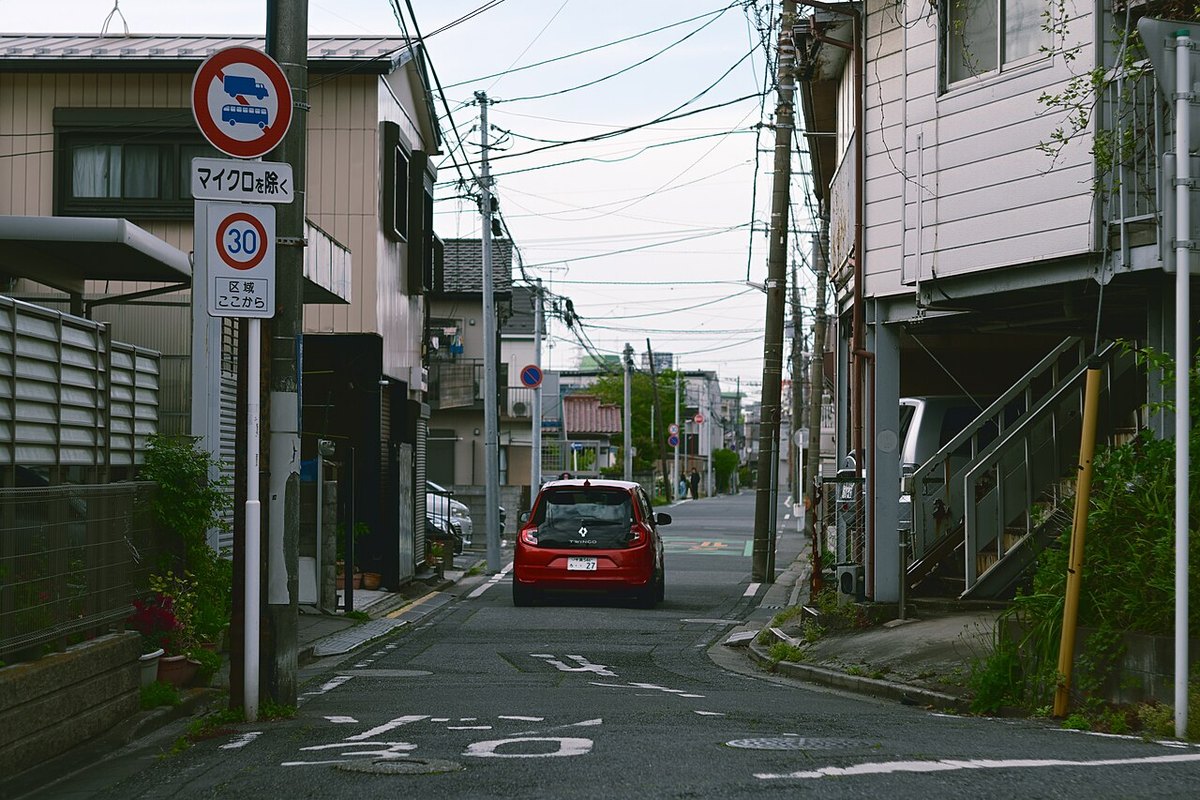
生活道路とは、近所の人が毎日の暮らしに使う道のことだ。住宅地の中の細い道や、子どもが学校へ通う道などが多い。
なぜ速度を下げたのだろうか。幅が5.5メートルより狭い道路では、歩いている人や自転車に乗っている人のけがが多い。去年、けがをした人のうち、こうした人が占める割合は、広い道路の1.9倍だった。15歳以下の子どもや65歳以上の老人が交通事故で死亡する数も、なかなか減らなくなっている。
でも、すべての道路が30キロになるわけではない。中央線や車線がある道路は、これまでと同じ60キロだ。高速道路も、今回の変更とは関係がない。また、道路に別の速度が書いてある場合は、その速度を守る。例えば、生活道路でも40キロと書いてあれば、40キロまで走ってよい。
速度を落とすために、横断歩道を少し高くする方法もある。36の都道府県で調べると、30キロより速く走る車は47%から28%に減った。渡ろうとする人がいるときに止まったり、ゆっくり走ったりする車は、74%から89%に増えた。
決められた速度でも、雨の日や夜は、道の様子に合わせて、もっとゆっくり走ることが大切だ。家の近くでは、子どもが急に飛び出すこともある。生活道路では、いつも速度を守るようにしたい。
Words in this article
The 38 words at JLPT N3 or above, and the specialist words that are on no JLPT list.
| Word | Reading | Meaning | JLPT |
|---|---|---|---|
| 生活道路 | せいかつどうろ | neighborhood road; residential street | Not on JLPT lists |
| 最高速度 | さいこうそくど | maximum speed; speed limit | Not on JLPT lists |
| ない | there is no; not | Not on JLPT lists | |
| 道路 | どうろ | road | N3 |
| これまで | until now | Not on JLPT lists | |
| とは | is (defining a word) | Not on JLPT lists | |
| 暮らし | くらし | daily life; living | N3 |
| 住宅地 | じゅうたくち | residential area | Not on JLPT lists |
| 子ども | こども | child; children | Not on JLPT lists |
| 速度 | そくど | speed | N3 |
| 幅 | はば | width | N3 |
| をした | had (an injury) (from する) | Not on JLPT lists | |
| 占める | しめる | to make up; to account for | N3 |
| 老人 | ろうじん | elderly person | N3 |
| 交通事故 | こうつうじこ | traffic accident | Not on JLPT lists |
| 死亡する | しぼうする | to die (in an accident) | N3 from 死亡 |
| 数 | かず | number | N3 |
| 減らなくなっている | へらなくなっている | has stopped going down (from 減る) | Not on JLPT lists |
| すべて | all | N3 | |
| 中央線 | ちゅうおうせん | center line (on a road) | Not on JLPT lists |
| 車線 | しゃせん | traffic lane | Not on JLPT lists |
| 高速道路 | こうそくどうろ | expressway | Not on JLPT lists |
| 今回 | こんかい | this time | N3 |
| 変更 | へんこう | change | N3 |
| 書いてある | かいてある | is written (from 書く) | Not on JLPT lists |
| 守る | まもる | to keep (a rule); to protect | N3 |
| 書いてあれば | かいてあれば | if it is written (from 書く) | Not on JLPT lists |
| 横断歩道 | おうだんほどう | pedestrian crossing; crosswalk | Not on JLPT lists |
| 高くする | たかくする | to make higher; to raise | Not on JLPT lists |
| 方法 | ほうほう | way; method | N3 |
| 都道府県 | とどうふけん | prefectures (of Japan) | Not on JLPT lists |
| 減った | へった | went down (past of 減る) | N3 from 減る |
| 渡ろう | わたろう | about to cross (from 渡る) | Not on JLPT lists |
| とき | time; when | Not on JLPT lists | |
| 様子 | ようす | state; conditions | N3 |
| 合わせて | あわせて | matching (te-form of 合わせる) | N3 from 合わせる |
| 急に | きゅうに | suddenly | N3 |
| 飛び出す | とびだす | to run out (into the road) | N3 |
95 more words from lower levels, plus names, numbers and grammar
| Word | Reading | Meaning | JLPT |
|---|---|---|---|
| から | from; because | Grammar | |
| を | (object marker) | Grammar | |
| 走る | はしる | to run; to drive (of a car) | N5 |
| 車 | くるま | car | N5 |
| の | of; 's | Grammar | |
| が | (subject marker); but | Grammar | |
| 変わった | かわった | changed (past of 変わる) | N4 from 変わる |
| 道 | みち | road; street | N5 |
| 真ん中 | まんなか | middle; center | N4 |
| に | to; in; on | Grammar | |
| 線 | せん | line | N4 |
| では | on; in (topic) | N5 | |
| 60キロ | ろくじゅっキロ | 60 km/h | Number |
| まで | up to; until | Grammar | |
| 出して | だして | putting out; going (speed) (te-form of 出す) | N5 from 出す |
| よかった | was all right; was allowed | N5 from よい | |
| これから | from now on | N4 | |
| は | (topic marker) | Grammar | |
| 30キロ | さんじゅっキロ | 30 km/h | Number |
| なる | to become | N5 | |
| 警察庁 | けいさつちょう | National Police Agency | Name |
| 運転する | うんてんする | to drive | N4 from 運転 |
| 注意する | ちゅういする | to be careful | N4 from 注意 |
| ように | so that; (asking someone) to | Grammar | |
| 言っている | いっている | is saying (from 言う) | N5 from 言う |
| 近所 | きんじょ | neighborhood | N4 |
| 毎日 | まいにち | every day | N5 |
| 使う | つかう | to use | N5 |
| こと | thing; (makes a clause a noun) | Grammar | |
| だ | is (plain form of です) | Grammar | |
| 中 | なか | inside | N5 |
| 細い | ほそい | narrow; thin | N5 |
| や | and (among others) | Grammar | |
| 学校 | がっこう | school | N5 |
| へ | to; toward | Grammar | |
| 通う | かよう | to go to (school, regularly) | N4 |
| など | and so on | Grammar | |
| 多い | おおい | many; a lot | N5 |
| なぜ | why | N5 | |
| 下げた | さげた | lowered (past of 下げる) | N4 from 下げる |
| だろうか | I wonder | Grammar | |
| 5.5メートル | ごてんごメートル | 5.5 meters | Number |
| より | than | Grammar | |
| 狭い | せまい | narrow | N5 |
| 歩いている | あるいている | walking (from 歩く) | N5 from 歩く |
| 自転車 | じてんしゃ | bicycle | N5 |
| 乗っている | のっている | riding (from 乗る) | N5 from 乗る |
| けが | injury | N4 | |
| 去年 | きょねん | last year | N5 |
| うち | among (them) | N4 | |
| こうした | such; these | N4 from こう | |
| 割合 | わりあい | share; proportion | N4 |
| 広い | ひろい | wide | N5 |
| 1.9倍 | いってんきゅうばい | 1.9 times | Number |
| だった | was (past of だ) | Grammar | |
| 以下 | いか | or under; or younger | N4 |
| 以上 | いじょう | or over; or older | N4 |
| で | in; by; at | Grammar | |
| も | also; too | Grammar | |
| なかなか | (not) easily | N4 | |
| わけではない | it does not mean that | Grammar | |
| ある | there is; to exist | N5 | |
| 同じ | おなじ | same | N5 |
| と | and; with; as | Grammar | |
| 関係 | かんけい | connection; relation | N4 |
| また | also; and | N5 | |
| 別 | べつ | different; another | N4 |
| 場合 | ばあい | case; when | N4 |
| その | that | N5 | |
| 例えば | たとえば | for example | N4 |
| でも | even; but | N5 | |
| 40キロ | よんじゅっキロ | 40 km/h | Number |
| 走って | はしって | driving (te-form of 走る) | N5 from 走る |
| よい | good; all right | N5 | |
| 落とす | おとす | to reduce (speed); to drop | N4 |
| ために | in order to | Grammar | |
| 少し | すこし | a little | N5 |
| 調べると | しらべると | when (they) checked (from 調べる) | N4 from 調べる |
| 速く | はやく | fast | N5 from 速い |
| とする | to try to; to be about to | Grammar | |
| いる | to be (people); to be (doing) | Grammar | |
| 止まったり | とまったり | stopping, and so on (from 止まる) | N5 from 止まる |
| ゆっくり | slowly | N5 | |
| 走ったり | はしったり | driving, and so on (from 走る) | N5 from 走る |
| する | to do | N5 | |
| 増えた | ふえた | went up (past of 増える) | N4 from 増える |
| 決められた | きめられた | set; fixed (from 決める) | N4 from 決める |
| 雨 | あめ | rain | N5 |
| 夜 | よる | night | N5 |
| もっと | more | N5 | |
| 大切 | たいせつ | important | N5 |
| 家 | いえ | house; home | N5 |
| 近く | ちかく | near; nearby | N5 |
| いつも | always | N5 | |
| したい | want to do (from する) | N5 from する |
Questions
Try answering in Japanese, then open the answer to check yourself. In the reader, your answers and score are saved.
- 9月1日から、生活道路の最高速度はどう変わりましたか。
Show answer
道の真ん中に線がない道路では、60キロから30キロまでになりました。
On roads with no center line, the limit went from 60 km/h to 30 km/h.
- 生活道路とは、どんな道のことですか。
Show answer
近所の人が毎日の暮らしに使う道のことです。住宅地の中の細い道や、子どもが学校へ通う道などです。
Roads that local people use in their daily lives, such as narrow streets in residential areas and roads children take to school.
- なぜ生活道路の速度を下げたのですか。
Show answer
狭い道路では、歩いている人や自転車に乗っている人のけがが多いからです。子どもや老人が交通事故で死亡する数も、なかなか減らなくなっているからです。
Because on narrow roads many of the injured are walking or riding bicycles, and the number of children and elderly people killed in traffic accidents has stopped going down.
- これまでと同じ60キロのままなのは、どんな道路ですか。
Show answer
中央線や車線がある道路です。
Roads with a center line or marked lanes.
- 横断歩道を少し高くすると、車の走り方はどう変わりましたか。
Show answer
30キロより速く走る車は47%から28%に減りました。人がいるときに止まったり、ゆっくり走ったりする車は、74%から89%に増えました。
Cars going faster than 30 km/h fell from 47% to 28%, and cars that stopped or slowed down when someone was about to cross rose from 74% to 89%.
- あなたの家の近くの細い道は、安全だと思いますか。どうしてですか。
Example answer
あまり安全ではないと思います。道が狭いのに、速く走る車が多いからです。
I don't think it is very safe, because the road is narrow but many cars drive fast.
If you're new to Japanese, the Textbook teaches it step by step from zero. If you can't read kana yet, start with Starter.
Start from zero Lesson 1 (N5)More N3 reading
- 未来の乗り物、空飛ぶクルマを近くで見よう 2026年10月30日
- 優れた技術を持つ39人が「東京マイスター」に 2026年10月29日
- 火事が増える季節の前に、火の使い方を確かめよう 2026年10月28日
- 毒きのこで食中毒、今年は早く起きた 2026年10月27日
- 多摩動物公園のチーター「コハク」が死んだ 2026年10月26日
- 家の中で、子どもの感電に注意 2026年10月25日