Reading › N3 › 火事が増える季節の前に、火の使い方を確かめよう
火事が増える季節の前に、火の使い方を確かめよう
Written for learners with AI assistance, based on: 消防庁 · original source ↗
In the reader you can tap any word to see its reading, meaning and JLPT level, save the ones you don't know, and quiz yourself on them.
Open in the readerこれから、火事が増える季節だ。11月9日から15日までの7日間、全国で「秋季全国火災予防運動」が行われる。空気が乾いて火災が起こりやすくなる前に、一人一人に普段の火の使い方をもう一度考えてもらうための運動だ。
消防庁の発表によると、去年1年間に全国で起きた火災は40,783件で、前の年より増えた。平均すると、13分ごとに1件の火災が起きた計算になる。
住宅の火災で亡くなった人は970人で、そのうち730人が65歳以上のお年寄りだった。全体の4人に3人がお年寄りということになる。逃げるのが遅れて亡くなった人も、403人いた。
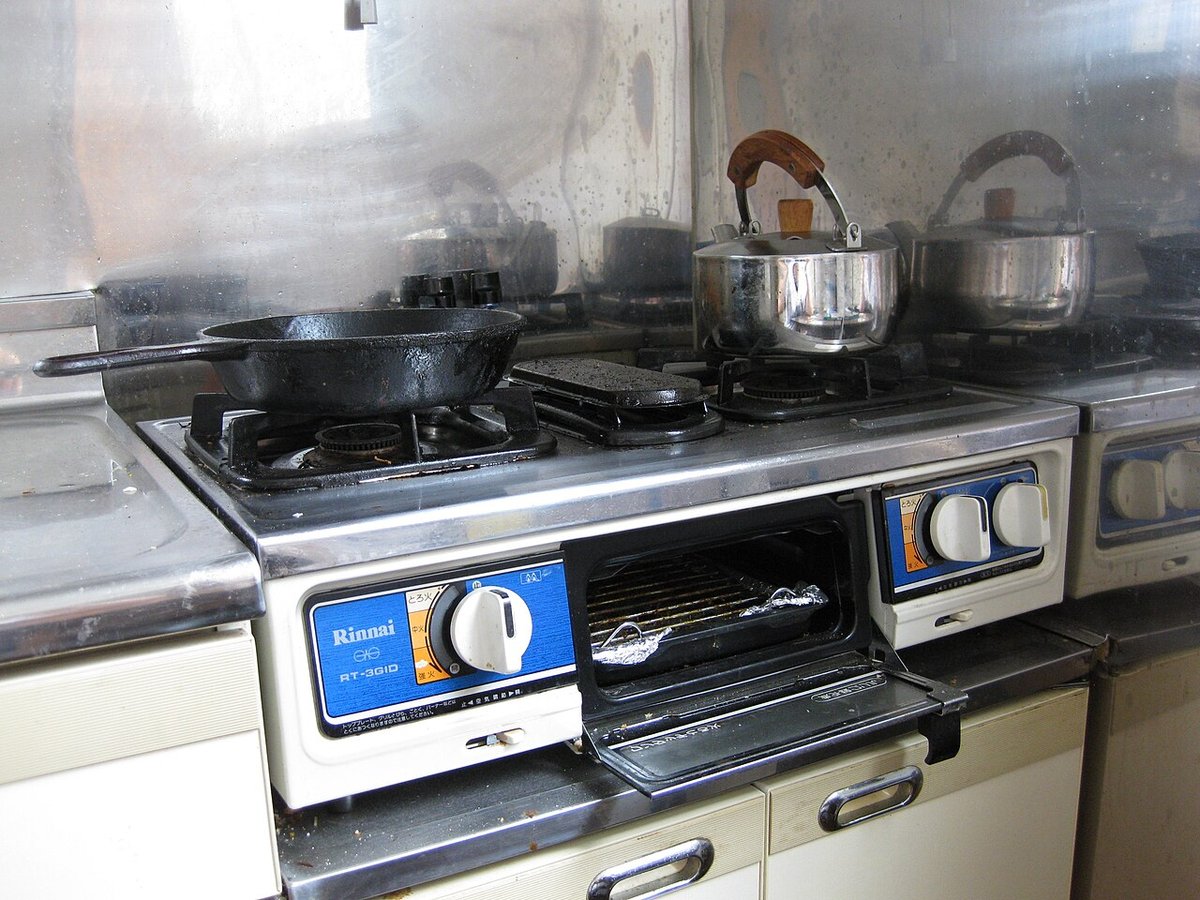
火災の原因で最も多かったのは、たばこだった。電気製品から出た火災も3,240件あり、前の年より25.7%増えた。建物の火災では、料理に使うこんろが原因のものが一番多い。
今年の運動では、特に、住宅の火災、地震のときの火災、山や森の火災を防ぐことを重視している。山や森の火災は、冬から春に多くなるからだ。
今年のスローガンは「火の確認 いい日を支える いい習慣」だ。寝る前や出かける前に、火が消えているかを確かめる習慣をつけよう。小さな習慣が、毎日の暮らしを守る。
Words in this article
The 31 words at JLPT N3 or above, and the specialist words that are on no JLPT list.
| Word | Reading | Meaning | JLPT |
|---|---|---|---|
| 全国 | ぜんこく | the whole country; nationwide | N3 |
| 秋季全国火災予防運動 | しゅうきぜんこくかさいよぼううんどう | Autumn Nationwide Fire Prevention Campaign | Not on JLPT lists |
| 一人一人 | ひとりひとり | each person; one by one | N3 |
| 使い方 | つかいかた | way of using | Not on JLPT lists |
| 考えてもらう | かんがえてもらう | to have (someone) think about (考える + てもらう) | Not on JLPT lists |
| 平均すると | へいきんすると | on average (from 平均する) | Not on JLPT lists |
| 計算 | けいさん | calculation | N3 |
| になる | to become; to work out to | Not on JLPT lists | |
| そのうち | of those; among them | Not on JLPT lists | |
| お年寄り | おとしより | elderly people | Not on JLPT lists |
| のが | (turns what comes before into a noun, as subject) | Not on JLPT lists | |
| たばこ | cigarettes; tobacco | Not on JLPT lists | |
| 電気製品 | でんきせいひん | electrical appliance | Not on JLPT lists |
| こんろ | cooking stove; burner | Not on JLPT lists | |
| もの | thing; one | Not on JLPT lists | |
| とき | time; when | Not on JLPT lists | |
| 防ぐ | ふせぐ | to prevent | N3 |
| スローガン | slogan | Not on JLPT lists | |
| 確認 | かくにん | check; confirmation | N3 |
| 支える | ささえる | to support | N3 |
| 確かめる | たしかめる | to check; to make sure | N3 |
| つけよう | let's form (a habit) (from つける) | Not on JLPT lists | |
| 起こりやすくなる | おこりやすくなる | to become likely to happen (起こる + やすい + なる) | Not on JLPT lists |
| 普段 | ふだん | usual; everyday | N3 |
| 発表 | はっぴょう | announcement; report | N3 |
| 火災 | かさい | fire (formal word) | N3 |
| 住宅 | じゅうたく | house; housing | N3 |
| 全体 | ぜんたい | the whole; all | N3 |
| 重視している | じゅうししている | is putting weight on (from 重視する) | N3 from 重視 |
| 暮らし | くらし | daily life; living | N3 |
| 守る | まもる | to protect | N3 |
72 more words from lower levels, plus names, numbers and grammar
| Word | Reading | Meaning | JLPT |
|---|---|---|---|
| から | from | Grammar | |
| まで | until; to | Grammar | |
| の | of; 's | Grammar | |
| 7日間 | なのかかん | seven days | Number |
| で | in; at; by | Grammar | |
| が | (subject marker) | Grammar | |
| 行われる | おこなわれる | to be held (passive of 行う) | N4 from 行う |
| 空気 | くうき | air | N4 |
| 乾いて | かわいて | becoming dry, and (te-form of 乾く) | N4 from 乾く |
| 火事 | かじ | fire (that burns a building, etc.) | N4 |
| 季節 | きせつ | season | N4 |
| 前 | まえ | before | N5 |
| に | in; at; to; for | Grammar | |
| 火 | ひ | fire; flame | N4 |
| を | (object marker) | Grammar | |
| もう一度 | もういちど | once more; again | N5 |
| ための | for the purpose of | Grammar | |
| 運動 | うんどう | campaign; movement | N4 |
| だ | is (plain) | Grammar | |
| 消防庁 | しょうぼうちょう | Fire and Disaster Management Agency | Name |
| によると | according to | Grammar | |
| 去年 | きょねん | last year | N5 |
| 1年間 | いちねんかん | one year; for a year | Number |
| 起きた | おきた | happened (past of 起きる) | N5 from 起きる |
| は | (topic marker) | Grammar | |
| 40,783件 | よんまんななひゃくはちじゅうさんけん | 40,783 cases | Number |
| だった | was (plain past) | Grammar | |
| ごと | every; each | N5 from ご | |
| 1件 | いっけん | one case | Number |
| 亡くなった | なくなった | died (past of 亡くなる) | N4 from 亡くなる |
| 以上 | いじょう | or more; and over | N4 |
| ということになる | it means that; it comes to | Grammar | |
| 逃げる | にげる | to run away; to escape | N4 |
| 遅れて | おくれて | being late, and (te-form of 遅れる) | N4 from 遅れる |
| も | also; too | Grammar | |
| いた | there were (past of いる) | Grammar | |
| 原因 | げんいん | cause | N4 |
| 多かった | おおかった | was the most; were many (past of 多い) | N5 from 多い |
| 多い | おおい | many; a lot | N5 |
| のは | the one that (turns what comes before into a noun) | Grammar | |
| 出た | でた | came out; started (past of 出る) | N5 from 出る |
| 3,240件 | さんぜんにひゃくよんじゅっけん | 3,240 cases | Number |
| あり | there were, and (from ある) | N5 from ある | |
| より | than | Grammar | |
| 増えた | ふえた | increased (past of 増える) | N4 from 増える |
| 増える | ふえる | to increase | N4 |
| 建物 | たてもの | building | N5 |
| では | in (with emphasis) | N5 | |
| 料理 | りょうり | cooking | N5 |
| 使う | つかう | to use | N5 |
| 今年 | ことし | this year | N5 |
| 特に | とくに | especially | N4 |
| 地震 | じしん | earthquake | N4 |
| 山 | やま | mountain | N5 |
| や | and; or (in a list) | Grammar | |
| 森 | もり | forest; woods | N4 |
| こと | thing; (turns a verb into a noun) | Grammar | |
| 冬 | ふゆ | winter | N5 |
| 春 | はる | spring | N5 |
| 多くなる | おおくなる | to increase (多い + なる) | N5 from 多い |
| からだ | it is because | N5 | |
| いい | good | N5 | |
| 習慣 | しゅうかん | habit | N4 |
| 寝る | ねる | to go to bed; to sleep | N5 |
| 出かける | でかける | to go out | N5 |
| 消えている | きえている | is out; has gone out (from 消える) | N5 from 消える |
| うち | among; of | N4 | |
| これから | from now on | N4 | |
| 最も | もっとも | the most | N4 |
| 一番 | いちばん | the most; number one | N5 |
| 小さな | ちいさな | small; little | N5 |
| 毎日 | まいにち | every day | N5 |
Questions
Try answering in Japanese, then open the answer to check yourself. In the reader, your answers and score are saved.
- 秋季全国火災予防運動は、いつ行われますか。
Show answer
11月9日から15日までの7日間、行われます。
It runs for seven days, from November 9 to 15.
- 去年1年間に、全国で火事は何件起きましたか。
Show answer
40,783件起きました。13分ごとに1件の計算になります。
There were 40,783 fires, which works out to one every 13 minutes.
- 家の火事で亡くなった人のうち、お年寄りはどのぐらいいましたか。
Show answer
970人のうち730人が65歳以上のお年寄りで、全体の4人に3人でした。
Of the 970 people, 730 were 65 or older: three out of four.
- 火災の原因で最も多かったのは何ですか。電気製品からの火災は、どう変わりましたか。
Show answer
たばこです。電気製品からの火災は3,240件で、前の年より25.7%増えました。
Cigarettes. Fires from electrical appliances numbered 3,240, up 25.7% from the year before.
- どうして、今年の運動では山や森の火事を防ぐことも大切にしているのですか。
Show answer
山や森の火災は、冬から春に多くなるからです。
Because forest and mountain fires increase from winter to spring.
- あなたは、家で火事を防ぐために、どんなことをしていますか。
Example answer
寝る前に、ストーブやこんろの火が消えているかを確かめています。
Before going to bed, I check that the heater and the stove are off.
If you're new to Japanese, the Textbook teaches it step by step from zero. If you can't read kana yet, start with Starter.
Start from zero Lesson 1 (N5)More N3 reading
- 未来の乗り物、空飛ぶクルマを近くで見よう 2026年10月30日
- 優れた技術を持つ39人が「東京マイスター」に 2026年10月29日
- 毒きのこで食中毒、今年は早く起きた 2026年10月27日
- 多摩動物公園のチーター「コハク」が死んだ 2026年10月26日
- 家の中で、子どもの感電に注意 2026年10月25日
- 使った油を、燃料に変えて空へ 2026年10月24日