家の中で、子どもの感電に注意
Written for learners with AI assistance, based on: 国民生活センター · original source ↗
In the reader you can tap any word to see its reading, meaning and JLPT level, save the ones you don't know, and quiz yourself on them.
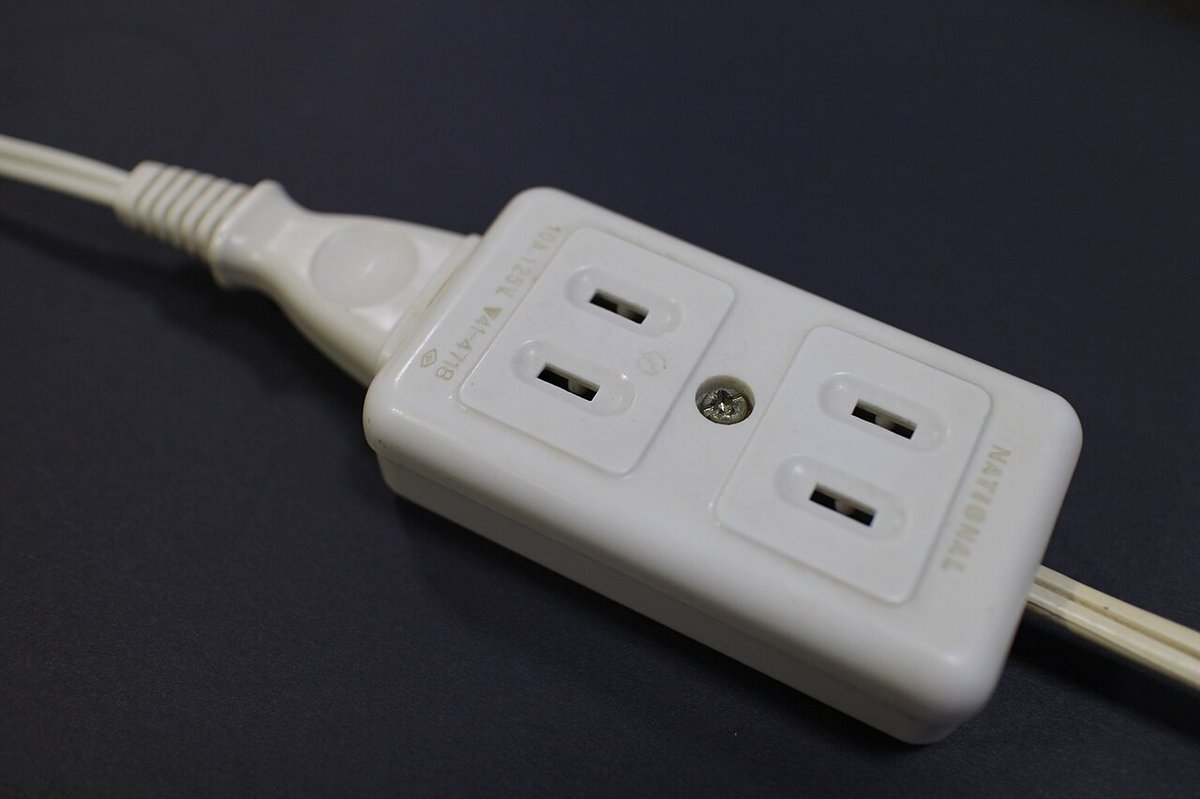
Open in the reader家の中のコンセントで、子どもが感電する事故が起こっている。国民生活センターが10月21日、この事故について発表し、親たちに注意してほしいと伝えた。
病院から報告された情報では、2021年度から、15歳以下の子どもが感電したり、けがをしたりした事故が38件あった。特に、9歳以下の幼い子どもに多かった。
いちばん多い原因は、コンセントの穴に、ヘアピンなどの金属を入れることだ。38件のうち、28件がそうだった。実際に、1歳の女の子が、Uピンを入れて、指や手にけがをした例もある。
感電のけがは、外から見えるところだけではない。電気が体の中を流れて、心臓に影響が出ることもある。止まってしまうこともあるという。入院が必要だった例も、8件あった。
事故は、親がそばにいても起こっている。子どもが感電したとき、7割ぐらいの親が近くにいたそうだ。子どもは、床の近くのコンセントに興味を持つことが多い。また、手が小さいので、大人が考えない場所に指を入れることもある。
では、子どもを事故から守るには、どうすればいいのだろうか。センターは、コンセントにふたをつけること、ヘアピンや鍵などの金属を、子どもの手が届かない場所にしまっておくことをすすめている。「コンセントの穴に物を入れてはいけない」と、ふだんから繰り返して教えることも重要だ。けがが軽く見えても、痛みなどの症状があれば、病院に相談しよう。子どもの感電に、注意しよう。
Words in this article
The 48 words at JLPT N3 or above, and the specialist words that are on no JLPT list.
| Word | Reading | Meaning | JLPT |
|---|---|---|---|
| コンセント | electrical outlet; wall socket | N2 | |
| 子ども | こども | child; children | Not on JLPT lists |
| 感電 | かんでん | electric shock | Not on JLPT lists |
| 起こっている | おこっている | is happening (from 起こる) | N3 from 起こる |
| 国民生活センター | こくみんせいかつセンター | National Consumer Affairs Center of Japan | Not on JLPT lists |
| 発表し | はっぴょうし | announced, and (from 発表する) | Not on JLPT lists |
| 親たち | おやたち | parents | Not on JLPT lists |
| 報告された | ほうこくされた | reported (passive past of 報告する) | N3 from 報告 |
| 情報 | じょうほう | information | N3 |
| したり | doing, and so on (from する) | Not on JLPT lists | |
| 幼い | おさない | very young | N3 |
| 穴 | あな | hole | N3 |
| ヘアピン | hairpin | Not on JLPT lists | |
| 金属 | きんぞく | metal | N3 |
| のうち | out of; among | Not on JLPT lists | |
| そうだった | was so; was like that | Not on JLPT lists | |
| 実際 | じっさい | actual; in fact (実際に = in fact) | N3 |
| Uピン | ユーピン | U-shaped hairpin | Not on JLPT lists |
| 例 | れい | example; case | N3 |
| ではない | is not | Not on JLPT lists | |
| 流れて | ながれて | flowing (te-form of 流れる) | N3 from 流れる |
| 心臓 | しんぞう | heart | N3 |
| 影響 | えいきょう | effect; influence | N3 |
| しまう | to end up (doing) | N3 | |
| そば | near; beside | Not on JLPT lists | |
| いても | even if (someone) is there (from いる) | Not on JLPT lists | |
| 起こっている | おこっている | is happening (from 起こる) | N3 from 起こる |
| とき | when; time | Not on JLPT lists | |
| 床 | ゆか | floor | N3 |
| 守る | まもる | to protect | N3 |
| には | in order to | Not on JLPT lists | |
| すれば | if (one) does (from する) | Not on JLPT lists | |
| のだろうか | I wonder | Not on JLPT lists | |
| センター | center (here: the National Consumer Affairs Center) | N3 | |
| つける | to put on; to attach | Not on JLPT lists | |
| 届かない | とどかない | does not reach (from 届く) | N3 from 届く |
| しまっておく | to put away (in advance) | Not on JLPT lists | |
| すすめている | recommends (from すすめる) | Not on JLPT lists | |
| 入れてはいけない | いれてはいけない | must not put in (from 入れる) | Not on JLPT lists |
| ふだん | usually; in everyday life (ふだんから = all the time) | N3 | |
| 繰り返して | くりかえして | repeatedly; over and over (te-form of 繰り返す) | N3 from 繰り返す |
| 重要 | じゅうよう | important | N3 |
| 痛み | いたみ | pain | N3 |
| 症状 | しょうじょう | symptom | N3 |
| あれば | if there is (from ある) | Not on JLPT lists | |
| 見えても | みえても | even if (it) looks (from 見える) | Not on JLPT lists |
| 相談しよう | そうだんしよう | let's consult (volitional of 相談する) | Not on JLPT lists |
| 注意しよう | ちゅういしよう | let's be careful (volitional of 注意する) | Not on JLPT lists |
76 more words from lower levels, plus names, numbers and grammar
| Word | Reading | Meaning | JLPT |
|---|---|---|---|
| 家 | いえ | house; home | N5 |
| の | of; 's | Grammar | |
| 中 | なか | inside | N5 |
| で | at; in; by | Grammar | |
| が | (subject marker) | Grammar | |
| する | to do (感電する = to get a shock) | N5 | |
| 事故 | じこ | accident | N4 |
| この | this | N5 | |
| について | about | Grammar | |
| に | to; in; for | Grammar | |
| 注意して | ちゅういして | being careful (te-form of 注意する) | N4 from 注意 |
| ほしい | (I) want (someone to do) | N5 | |
| と | that (quotation); and | Grammar | |
| 伝えた | つたえた | told; conveyed (past of 伝える) | N4 from 伝える |
| 病院 | びょういん | hospital | N5 |
| から | from; because | Grammar | |
| では | in; according to | N5 | |
| 以下 | いか | or under; or less | N4 |
| けが | injury | N4 | |
| を | (object marker) | Grammar | |
| 38件 | さんじゅうはっけん | 38 cases | Number |
| あった | there were (past of ある) | N5 from ある | |
| 特に | とくに | especially | N4 |
| 多かった | おおかった | were many (past of 多い) | N5 from 多い |
| いちばん | most | N5 | |
| 多い | おおい | many; common | N5 |
| 原因 | げんいん | cause | N4 |
| は | (topic marker) | Grammar | |
| など | and so on; such as | Grammar | |
| 入れる | いれる | to put in | N5 |
| こと | thing; act of | Grammar | |
| だ | is (plain) | Grammar | |
| 28件 | にじゅうはっけん | 28 cases | Number |
| 女の子 | おんなのこ | girl | N5 |
| 入れて | いれて | putting in (te-form of 入れる) | N5 from 入れる |
| 指 | ゆび | finger | N4 |
| や | and (among others) | Grammar | |
| 手 | て | hand | N5 |
| した | did (past of する) | Grammar | |
| も | also; too | Grammar | |
| ある | there is | N5 | |
| 外 | そと | outside | N5 |
| 見える | みえる | can be seen | N4 |
| ところ | place; part | N5 | |
| だけ | only | Grammar | |
| 電気 | でんき | electricity | N5 |
| 体 | からだ | body | N5 |
| 出る | でる | to appear; to come out | N5 |
| 止まって | とまって | stopping (te-form of 止まる) | N5 from 止まる |
| という | it is said | Grammar | |
| 入院 | にゅういん | staying in the hospital | N4 |
| 必要 | ひつよう | necessary | N4 |
| 8件 | はっけん | 8 cases | Number |
| 親 | おや | parent | N4 |
| 7割 | ななわり | 70 percent | Number |
| ぐらい | about | Grammar | |
| 近く | ちかく | near; nearby | N5 |
| いた | was (there) (past of いる) | Grammar | |
| そうだ | I hear that; it is said | Grammar | |
| 興味 | きょうみ | interest | N4 |
| 持つ | もつ | to have (興味を持つ = to be interested) | N5 |
| また | also; and | N5 | |
| 小さい | ちいさい | small | N5 |
| ので | because; so | Grammar | |
| 大人 | おとな | adult | N5 |
| 考えない | かんがえない | don't think of (from 考える) | N4 from 考える |
| 場所 | ばしょ | place | N4 |
| では | well then | N5 | |
| どう | how | N5 | |
| いい | good | N5 | |
| ふた | lid; cover | N5 from ふる | |
| 鍵 | かぎ | key | N5 |
| 物 | もの | thing; object | N5 |
| 教える | おしえる | to teach; to tell | N5 |
| 軽く | かるく | light; minor (adverb form of 軽い) | N5 from 軽い |
| 注意 | ちゅうい | care; caution | N4 |
Questions
Try answering in Japanese, then open the answer to check yourself. In the reader, your answers and score are saved.
- 国民生活センターは、10月21日に何を発表しましたか。
Show answer
家の中のコンセントで、子どもが感電する事故について発表しました。
It announced information about accidents in which children get electric shocks from outlets at home.
- 2021年度から、子どもの感電やけがの事故は何件ありましたか。どんな子どもに多かったですか。
Show answer
38件ありました。特に、9歳以下の幼い子どもに多かったです。
There were 38 cases, most often among small children aged 9 or under.
- いちばん多い事故の原因は、何ですか。
Show answer
コンセントの穴に、ヘアピンなどの金属を入れることです。
Putting metal objects such as hairpins into the outlet holes.
- 感電のけがは、どうして外から見えるところだけではないのですか。
Show answer
電気が体の中を流れて、心臓に影響が出ることもあるからです。
Because electricity can flow through the inside of the body and affect the heart.
- センターは、子どもを事故から守るために、どんなことをすすめていますか。
Show answer
コンセントにふたをつけることと、ヘアピンや鍵などの金属を、子どもの手が届かない場所にしまっておくことです。
Putting covers on outlets, and keeping metal things like hairpins and keys where children's hands cannot reach.
- あなたの家の近くに、子どもにとって危ない場所がありますか。どうすればいいと思いますか。
Example answer
家の台所に、床の近くのコンセントがあります。ふたをつけたほうがいいと思います。
In my kitchen there is an outlet near the floor. I think it would be good to put a cover on it.
If you're new to Japanese, the Textbook teaches it step by step from zero. If you can't read kana yet, start with Starter.
Start from zero Lesson 1 (N5)More N3 reading
- 未来の乗り物、空飛ぶクルマを近くで見よう 2026年10月30日
- 優れた技術を持つ39人が「東京マイスター」に 2026年10月29日
- 火事が増える季節の前に、火の使い方を確かめよう 2026年10月28日
- 毒きのこで食中毒、今年は早く起きた 2026年10月27日
- 多摩動物公園のチーター「コハク」が死んだ 2026年10月26日
- 使った油を、燃料に変えて空へ 2026年10月24日