Reading › N3 › 毒きのこで食中毒、今年は早く起きた
毒きのこで食中毒、今年は早く起きた
Written for learners with AI assistance, based on: 新潟県 · original source ↗
In the reader you can tap any word to see its reading, meaning and JLPT level, save the ones you don't know, and quiz yourself on them.
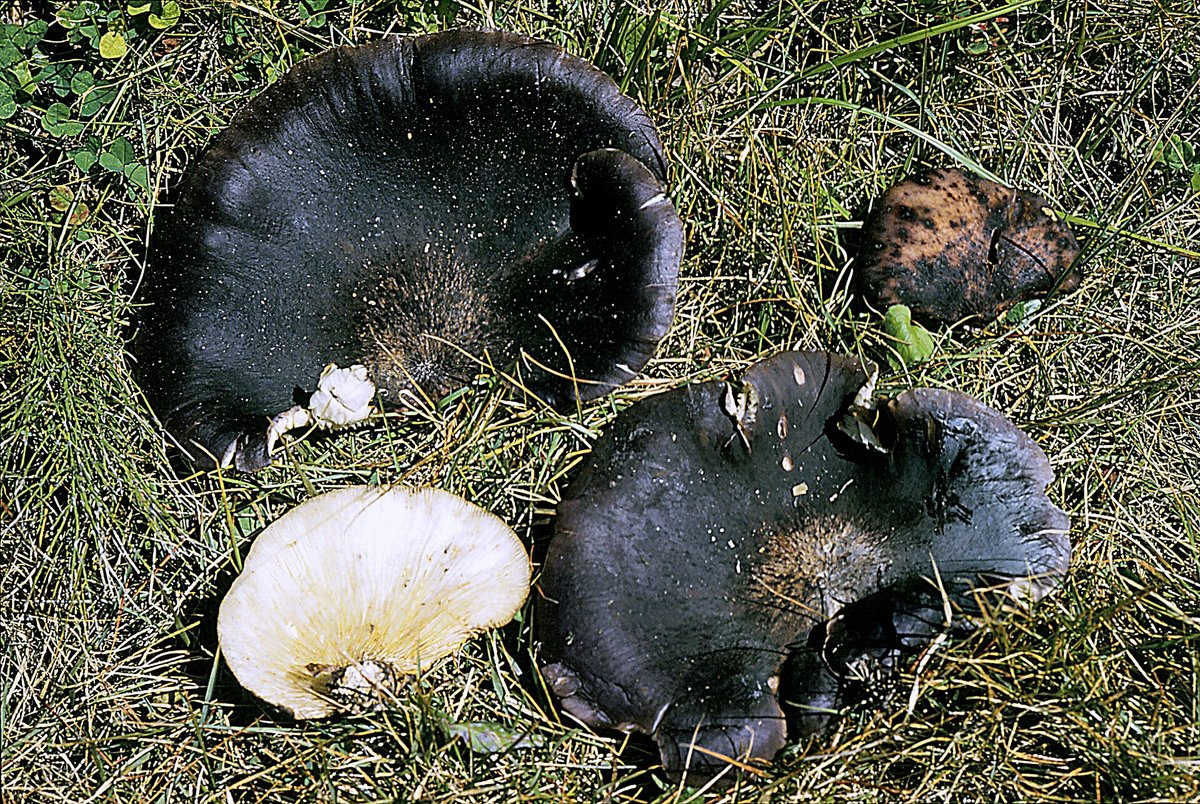
Open in the reader新潟県の加茂市で10月8日、毒きのこを食べた2人が、食中毒になった。原因は、ツキヨタケというきのこだった。2人は、食べられるきのこだと思って、間違えて食べてしまったという。
新潟県では、毎年秋になると、毒きのこによる食中毒が起こっている。去年、最初に起きたのは11月13日だった。今年は、それよりずっと早い。県は、これからも食中毒が起こるかもしれないとして、注意の知らせを出した。
ツキヨタケは、シイタケやヒラタケなど、食べられるきのこによく似ている。きのこにくわしい人でも、区別するのは容易ではないそうだ。食べてから少しすると、吐いたり、お腹が痛くなったりする。新潟県では、毒きのこの食中毒の原因として、いちばん多い。
きのこについては、昔からいろいろな話がある。「虫が食べているきのこは安全だ」「なすと一緒に料理すれば食べられる」などだ。しかし、どれも正しくない。虫は、毒のあるきのこも食べる。なすと料理しても、食中毒は起きている。
県は、食べられると確実に判断できないきのこは、絶対に「とらない、食べない、他人にあげない」ようにと伝えている。生のままで食べないこと、一度にたくさん食べないことも大切だ。
秋の山は、きのこをとる楽しみがある季節だ。しかし、恐ろしい毒きのこもあることを、忘れないようにしよう。毒のあるきのこの食中毒に、注意しよう。
Words in this article
The 40 words at JLPT N3 or above, and the specialist words that are on no JLPT list.
| Word | Reading | Meaning | JLPT |
|---|---|---|---|
| 毒きのこ | どくきのこ | poisonous mushroom | Not on JLPT lists |
| 食中毒 | しょくちゅうどく | food poisoning | Not on JLPT lists |
| なった | became (past of なる) | Not on JLPT lists | |
| ツキヨタケ | tsukiyotake (a poisonous mushroom, Omphalotus japonicus) | Not on JLPT lists | |
| きのこ | mushroom | Not on JLPT lists | |
| だと | that (it) is | Not on JLPT lists | |
| しまった | ended up (doing) (past of しまう) | N3 | |
| になると | when it becomes | Not on JLPT lists | |
| 起こっている | おこっている | is happening (from 起こる) | N3 from 起こる |
| それより | than that | Not on JLPT lists | |
| ずっと | much (more) | N3 | |
| 県 | けん | prefecture | N3 |
| 起こる | おこる | to happen | N3 |
| 知らせ | しらせ | notice; news | N3 |
| シイタケ | shiitake mushroom | Not on JLPT lists | |
| ヒラタケ | oyster mushroom | Not on JLPT lists | |
| くわしい | knowledgeable; well informed (about) | N3 | |
| 区別する | くべつする | to tell apart; to distinguish | N3 from 区別 |
| 容易 | ようい | easy (容易ではない = is not easy) | N3 |
| ではない | is not | Not on JLPT lists | |
| 吐いたり | はいたり | throwing up, and so on (from 吐く) | N3 from 吐く |
| なったり | becoming, and so on (from なる) | Not on JLPT lists | |
| いろいろな | various | Not on JLPT lists | |
| なす | eggplant | Not on JLPT lists | |
| 料理すれば | りょうりすれば | if (you) cook (from 料理する) | Not on JLPT lists |
| 毒 | どく | poison | N3 |
| 料理しても | りょうりしても | even if (you) cook (from 料理する) | Not on JLPT lists |
| 確実 | かくじつ | certain; sure (確実に = for certain) | N3 |
| 判断できない | はんだんできない | cannot judge; cannot tell (from 判断する) | Not on JLPT lists |
| 絶対 | ぜったい | absolutely (絶対に~ない = never) | N3 |
| とらない | do not pick (from とる) | Not on JLPT lists | |
| 他人 | たにん | other people; others | N3 |
| あげない | do not give (from あげる) | Not on JLPT lists | |
| 生 | なま | raw | N3 |
| とる | to pick; to gather | Not on JLPT lists | |
| 恐ろしい | おそろしい | terrible; frightening | N3 |
| ようにしよう | let's make sure to | Not on JLPT lists | |
| 判断 | はんだん | judgment; decision | N3 |
| 区別 | くべつ | distinction; telling apart | N3 |
| 注意しよう | ちゅういしよう | let's be careful (volitional of 注意する) | Not on JLPT lists |
75 more words from lower levels, plus names, numbers and grammar
| Word | Reading | Meaning | JLPT |
|---|---|---|---|
| 新潟県 | にいがたけん | Niigata Prefecture | Name |
| の | of; 's | Grammar | |
| 加茂市 | かもし | Kamo City (in Niigata) | Name |
| で | in; at; with | Grammar | |
| を | (object marker) | Grammar | |
| 食べた | たべた | ate (past of 食べる) | N5 from 食べる |
| が | (subject marker) | Grammar | |
| に | to; into; in | Grammar | |
| 原因 | げんいん | cause | N4 |
| は | (topic marker) | Grammar | |
| という | called; it is said | Grammar | |
| だった | was (past of だ) | Grammar | |
| 食べられる | たべられる | can be eaten; edible | N5 from 食べる |
| 思って | おもって | thinking (te-form of 思う) | N4 from 思う |
| 間違えて | まちがえて | by mistake (te-form of 間違える) | N4 from 間違える |
| 食べて | たべて | eating (te-form of 食べる) | N5 from 食べる |
| では | in (a place) | N5 | |
| 毎年 | まいとし | every year | N5 |
| 秋 | あき | autumn; fall | N5 |
| による | caused by | Grammar | |
| 去年 | きょねん | last year | N5 |
| 最初 | さいしょ | first; the beginning | N4 |
| 起きた | おきた | happened (past of 起きる) | N5 from 起きる |
| のは | the one that; the time when | Grammar | |
| 今年 | ことし | this year | N5 |
| 早い | はやい | early | N5 |
| これからも | from now on, too | N4 from これから | |
| かもしれない | might; may | Grammar | |
| として | saying that; on the grounds that | Grammar | |
| 注意 | ちゅうい | caution; warning | N4 |
| 出した | だした | put out; issued (past of 出す) | N5 from 出す |
| や | and (among others) | Grammar | |
| など | and so on; such as | Grammar | |
| よく | closely; well | N5 | |
| 似ている | にている | looks like; resembles (from 似る) | N4 from 似る |
| でも | even | N5 | |
| そうだ | I hear that; it is said | Grammar | |
| から | after; from | Grammar | |
| 少し | すこし | a little | N5 |
| すると | when (some time) passes | N4 | |
| お腹 | おなか | stomach; belly | N5 |
| 痛く | いたく | painful (adverb form of 痛い) | N5 from 痛い |
| する | to do | N5 | |
| として | as | Grammar | |
| いちばん | most | N5 | |
| 多い | おおい | many; common | N5 |
| について | about | Grammar | |
| 昔 | むかし | long ago; the old days | N4 |
| 話 | はなし | story; saying | N5 |
| ある | there is | N5 | |
| 虫 | むし | insect; bug | N4 |
| 食べている | たべている | is eating (from 食べる) | N5 from 食べる |
| 安全 | あんぜん | safe | N4 |
| だ | is (plain) | Grammar | |
| と | with; and | Grammar | |
| 一緒 | いっしょ | together (一緒に = together with) | N5 |
| しかし | however | N5 | |
| どれも | none of them (with a negative); all of them | N5 from どれ | |
| 正しくない | ただしくない | is not correct (from 正しい) | N4 from 正しい |
| の | (that) (subject in a modifying clause) | Grammar | |
| も | also; too; even | Grammar | |
| 食べる | たべる | to eat | N5 |
| 起きている | おきている | has happened; keeps happening (from 起きる) | N5 from 起きる |
| 食べない | たべない | do not eat (from 食べる) | N5 from 食べる |
| ように | so that; (asking people) to | Grammar | |
| 伝えている | つたえている | is telling; is passing on (from 伝える) | N4 from 伝える |
| まま | as it is (生のまま = raw, uncooked) | Grammar | |
| こと | (doing) something; the act of | Grammar | |
| 一度 | いちど | one time (一度に = at one time) | N4 |
| たくさん | a lot | N5 | |
| 大切 | たいせつ | important | N5 |
| 山 | やま | mountain | N5 |
| 楽しみ | たのしみ | pleasure; something to enjoy | N4 |
| 季節 | きせつ | season | N4 |
| 忘れない | わすれない | do not forget (from 忘れる) | N5 from 忘れる |
Questions
Try answering in Japanese, then open the answer to check yourself. In the reader, your answers and score are saved.
- 加茂市で10月8日に、何がありましたか。
Show answer
毒きのこを食べた2人が、食中毒になりました。
Two people who ate a poisonous mushroom got food poisoning.
- 去年、最初に毒きのこの食中毒が起きたのは、いつでしたか。
Show answer
11月13日でした。
It was November 13.
- ツキヨタケは、どんなきのこに似ていますか。
Show answer
シイタケやヒラタケなど、食べられるきのこによく似ています。
It looks very much like edible mushrooms such as shiitake and oyster mushrooms.
- 「なすと一緒に料理すれば食べられる」という話は、どうして正しくないのですか。
Show answer
なすと料理しても、食中毒は起きているからです。
Because food poisoning has happened even when the mushrooms were cooked with eggplant.
- 県は、きのこについて、どんなことを伝えていますか。
Show answer
食べられると確実に判断できないきのこは、絶対に「とらない、食べない、他人にあげない」ようにと伝えています。
It tells people never to pick, eat, or give to others any mushroom they cannot be sure is edible.
- あなたは、山でとったきのこを食べてみたいと思いますか。どうしてですか。
Example answer
食べてみたくないです。区別するのは容易ではないので、店で買ったきのこを食べます。
I don't want to. Telling them apart is not easy, so I eat mushrooms bought at a store.
If you're new to Japanese, the Textbook teaches it step by step from zero. If you can't read kana yet, start with Starter.
Start from zero Lesson 1 (N5)More N3 reading
- 未来の乗り物、空飛ぶクルマを近くで見よう 2026年10月30日
- 優れた技術を持つ39人が「東京マイスター」に 2026年10月29日
- 火事が増える季節の前に、火の使い方を確かめよう 2026年10月28日
- 多摩動物公園のチーター「コハク」が死んだ 2026年10月26日
- 家の中で、子どもの感電に注意 2026年10月25日
- 使った油を、燃料に変えて空へ 2026年10月24日