Reading › N3 › 転んだだけでも、手術が必要になることも
転んだだけでも、手術が必要になることも
Written for learners with AI assistance, based on: 国民生活センター · original source ↗
In the reader you can tap any word to see its reading, meaning and JLPT level, save the ones you don't know, and quiz yourself on them.
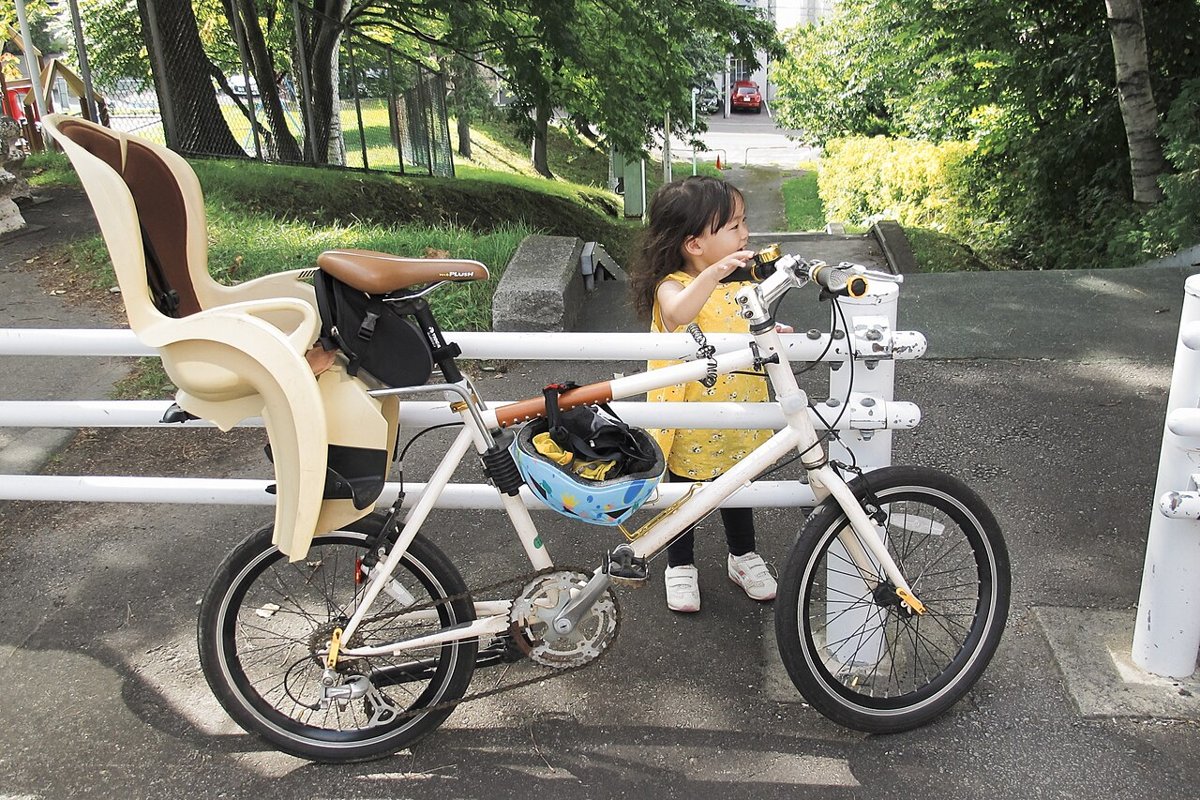
Open in the reader自転車に乗る子どもの親に、知ってほしいことがある。転ぶと、ハンドルの端がおなかに当たることがあるのだ。外から見ると小さなけがでも、おなかの中が大きなけがをしていることがあると、国民生活センターが注意するように言っている。
病院から集めた情報によると、2021年4月から2026年7月までに、15歳以下の子どもがハンドルでおなかを打って、おなかの中をけがした事故が39件あった。そのうち10件は、入院が必要だった。
6歳の男の子は、親と一緒に自転車に乗っていて、転んだ。すぐにおなかをとても痛がって、手術を受けた。この子はヘルメットをかぶっていたが、おなかは守れなかった。転ぶだけでも、手術が必要になることがあるのだ。
なぜ子どもは、おなかの中をけがしやすいのだろうか。子どもの骨はまだ柔らかくて、おなかの中を十分に守れない。だから、大人より弱い力でも、大きなけがになりやすい。転んだあと、時間が経ってから痛みが強くなった子どももいる。
センターは、次のことを勧めている。まず、子どもの体に合った自転車を選ぶこと。そして、乗る前に、ハンドルのグリップの先に穴が開いていないか確かめること。穴から中の金属が見えていると、転んだときにとても危ない。
転んだあと、子どもがおなかを痛がったり、吐いたりしたら、早めに病院へ行ったほうがいい。「転んだだけだから大丈夫」と思わないことが大切だ。普段から、おなかを強く打つ危険を、子どもに教えておこう。
Words in this article
The 37 words at JLPT N3 or above, and the specialist words that are on no JLPT list.
| Word | Reading | Meaning | JLPT |
|---|---|---|---|
| 子ども | こども | child; children | Not on JLPT lists |
| 転ぶ | ころぶ | to fall down; to tumble | N3 |
| ハンドル | handlebar | N2 | |
| 端 | はし | end; edge; tip | N3 |
| 当たる | あたる | to hit; to strike | N3 |
| ことがある | sometimes (happens) | Not on JLPT lists | |
| をして | doing (from する) | Not on JLPT lists | |
| 国民生活センター | こくみんせいかつセンター | National Consumer Affairs Center of Japan | Not on JLPT lists |
| 情報 | じょうほう | information | N3 |
| 転んだ | ころんだ | fell down (past of 転ぶ) | N3 from 転ぶ |
| 痛がって | いたがって | complaining of pain (te-form of 痛がる) | Not on JLPT lists |
| 手術 | しゅじゅつ | surgery; operation | N3 |
| ヘルメット | helmet | Not on JLPT lists | |
| かぶっていた | was wearing (on the head) | Not on JLPT lists | |
| 守れなかった | まもれなかった | could not protect (from 守る) | Not on JLPT lists |
| けがしやすい | easily injured (from けがする) | Not on JLPT lists | |
| 骨 | ほね | bone | N3 |
| 守れない | まもれない | cannot protect (from 守る) | Not on JLPT lists |
| なりやすい | tends to become (from なる) | Not on JLPT lists | |
| 経って | たって | passing (te-form of 経つ) | N3 from 経つ |
| 痛み | いたみ | pain | N3 |
| なった | became (past of なる) | Not on JLPT lists | |
| センター | center | N3 | |
| 勧めている | すすめている | is recommending (from 勧める) | N3 from 勧める |
| まず | first of all | Not on JLPT lists | |
| グリップ | grip | Not on JLPT lists | |
| 穴 | あな | hole | N3 |
| 確かめる | たしかめる | to check; to make sure | N3 |
| 金属 | きんぞく | metal | N3 |
| とき | time; when | Not on JLPT lists | |
| 痛がったり | いたがったり | complaining of pain, and so on (from 痛がる) | Not on JLPT lists |
| 吐いたり | はいたり | throwing up, and so on (from 吐く) | N3 from 吐く |
| したら | if (someone) does | Not on JLPT lists | |
| 早めに | はやめに | early; without delay | Not on JLPT lists |
| ほうがいい | had better; should | Not on JLPT lists | |
| 普段 | ふだん | usually; everyday | N3 |
| 教えておこう | おしえておこう | let's teach in advance (from 教える) | Not on JLPT lists |
87 more words from lower levels, plus names, numbers and grammar
| Word | Reading | Meaning | JLPT |
|---|---|---|---|
| 自転車 | じてんしゃ | bicycle | N5 |
| に | to; in; on | Grammar | |
| 乗る | のる | to ride; to get on | N5 |
| の | of; 's | Grammar | |
| 親 | おや | parent | N4 |
| 知って | しって | knowing (te-form of 知る) | N5 from 知る |
| ほしい | (I) want (you to) | N5 | |
| こと | thing; (makes a clause a noun) | Grammar | |
| が | (subject marker); but | Grammar | |
| ある | there is; to exist | N5 | |
| と | when; if; and | Grammar | |
| おなか | stomach; belly | N5 | |
| のだ | (it is that ...; explains) | Grammar | |
| 外 | そと | outside | N5 |
| から | from; because | Grammar | |
| 見る | みる | to look; to see | N5 |
| 小さな | ちいさな | small | N5 |
| けが | injury | N4 | |
| でも | even (if); but | N5 | |
| 中 | なか | inside | N5 |
| 大きな | おおきな | big; serious | N5 |
| いる | to be (doing) | Grammar | |
| 注意する | ちゅういする | to be careful | N4 from 注意 |
| ように | so that; (asking someone) to | Grammar | |
| 言っている | いっている | is saying (from 言う) | N5 from 言う |
| 病院 | びょういん | hospital | N5 |
| 集めた | あつめた | collected (past of 集める) | N4 from 集める |
| によると | according to | Grammar | |
| まで | until; up to | Grammar | |
| 以下 | いか | or under; or younger | N4 |
| で | with; by; at | Grammar | |
| を | (object marker) | Grammar | |
| 打って | うって | hitting (te-form of 打つ) | N4 from 打つ |
| 打つ | うつ | to hit; to strike | N4 |
| けがした | got injured (from けがする) | N4 from けが | |
| 事故 | じこ | accident | N4 |
| 39件 | さんじゅうきゅうけん | 39 cases | Number |
| あった | there were (past of ある) | N5 from ある | |
| その | that; those | N5 | |
| うち | among (them) | N4 | |
| 10件 | じゅっけん | 10 cases | Number |
| は | (topic marker) | Grammar | |
| 入院 | にゅういん | staying in hospital | N4 |
| 必要 | ひつよう | necessary | N4 |
| だった | was (past of だ) | Grammar | |
| 男の子 | おとこのこ | boy | N5 |
| 一緒に | いっしょに | together | N5 from 一緒 |
| 乗っていて | のっていて | was riding, and (from 乗る) | N5 from 乗る |
| すぐに | right away | N5 | |
| とても | very | N5 | |
| 受けた | うけた | received; had (past of 受ける) | N4 from 受ける |
| この | this | N5 | |
| 子 | こ | child | N4 |
| なぜ | why | N5 | |
| だろうか | I wonder (why) | Grammar | |
| まだ | still | N5 | |
| 柔らかくて | やわらかくて | soft, and (te-form of 柔らかい) | N4 from 柔らかい |
| 十分に | じゅうぶんに | fully; enough | N4 from 十分 |
| だから | so; that is why | N4 | |
| 大人 | おとな | adult | N5 |
| より | than | Grammar | |
| 弱い | よわい | weak | N5 |
| 力 | ちから | force; strength | N4 |
| あと | after | N5 | |
| 時間 | じかん | time | Number |
| 強く | つよく | strongly (adverb form of 強い) | N5 from 強い |
| なる | to become | N5 | |
| も | also; too | Grammar | |
| 次 | つぎ | next; following | N5 |
| 体 | からだ | body | N5 |
| 合った | あった | fitting (past of 合う) | N4 from 合う |
| 選ぶ | えらぶ | to choose | N4 |
| そして | and then | N5 | |
| 前 | まえ | before | N5 |
| 先 | さき | tip; end | N5 |
| 開いていない | あいていない | is not open (from 開く) | N5 from 開く |
| 見えている | みえている | can be seen (from 見える) | N4 from 見える |
| 危ない | あぶない | dangerous | N5 |
| へ | to; toward | Grammar | |
| 行った | いった | went (past of 行く) | N5 from 行く |
| だけ | only; just | Grammar | |
| だ | is (plain form of です) | Grammar | |
| 大丈夫 | だいじょうぶ | all right; OK | N5 |
| 思わない | おもわない | not think (from 思う) | N4 from 思う |
| 大切 | たいせつ | important | N5 |
| 危険 | きけん | danger | N4 |
| いい | good | N5 |
Questions
Try answering in Japanese, then open the answer to check yourself. In the reader, your answers and score are saved.
- 国民生活センターは、何に注意するように言っていますか。
Show answer
自転車で転ぶと、ハンドルの端がおなかに当たって、おなかの中が大きなけがをしていることがあることです。
That when a child falls off a bike, the end of the handlebar can hit their stomach, and there may be a serious injury inside even if it looks small from outside.
- 2021年4月から2026年7月までに、ハンドルでおなかの中をけがした事故は何件ありましたか。
Show answer
39件ありました。
There were 39 cases.
- 6歳の男の子は、どうなりましたか。
Show answer
親と一緒に自転車に乗っていて転び、おなかをとても痛がって、手術を受けました。
He was riding a bike with his parent and fell; his stomach hurt badly and he had an operation.
- 子どもが大人より大きなけがになりやすいのは、なぜですか。
Show answer
子どもの骨はまだ柔らかくて、おなかの中を十分に守れないからです。
Because children's bones are still soft and cannot fully protect the inside of the stomach.
- 自転車に乗る前に、何を確かめるといいですか。
Show answer
ハンドルのグリップの先に穴が開いていないか確かめるといいです。
You should check that there is no hole in the end of the handlebar grip.
- あなたは、子どものころ自転車で転んだことがありますか。そのとき、どうしましたか。
Example answer
はい、あります。小学生のとき、坂で転んで、ひざをけがしました。母がすぐに薬をつけてくれました。
Yes. In elementary school I fell on a slope and hurt my knee. My mother put medicine on it right away.
If you're new to Japanese, the Textbook teaches it step by step from zero. If you can't read kana yet, start with Starter.
Start from zero Lesson 1 (N5)More N3 reading
- 未来の乗り物、空飛ぶクルマを近くで見よう 2026年10月30日
- 優れた技術を持つ39人が「東京マイスター」に 2026年10月29日
- 火事が増える季節の前に、火の使い方を確かめよう 2026年10月28日
- 毒きのこで食中毒、今年は早く起きた 2026年10月27日
- 多摩動物公園のチーター「コハク」が死んだ 2026年10月26日
- 家の中で、子どもの感電に注意 2026年10月25日