Reading › N3 › 川の魚の調査で分かった、自然の変化
川の魚の調査で分かった、自然の変化
Written for learners with AI assistance, based on: 環境省 生物多様性センター · original source ↗
In the reader you can tap any word to see its reading, meaning and JLPT level, save the ones you don't know, and quiz yourself on them.
Open in the reader日本の川や池にすむ魚について、環境省の大きな調査が終わった。調査の結果が、発表された。2022年度から2025年度まで、4年かけて、全国で調べたものだ。
調査の対象は、115の種類の魚だ。そのうち113の種類について、すんでいる地域が確認できた。今まで情報がなかった地域では、川の水を少し取って、水の中に残った魚のDNAを調べた。魚を捕まえなくても、その魚がいるかどうかが分かるのだ。
分かったことの一つは、魚のすむ場所が北へ広がっていることだ。温かい海や川にすむ魚が、本州などで見つかることが増えている。理由の一つは、気候が変わって、海の水の温度が上がったことだと考えられている。
日本の中のほかの地方から運ばれてきた魚も、すむ場所が広がっている。もともと琵琶湖などにいるゼゼラという魚が、今回の調査で、14の県で新しく見つかった。
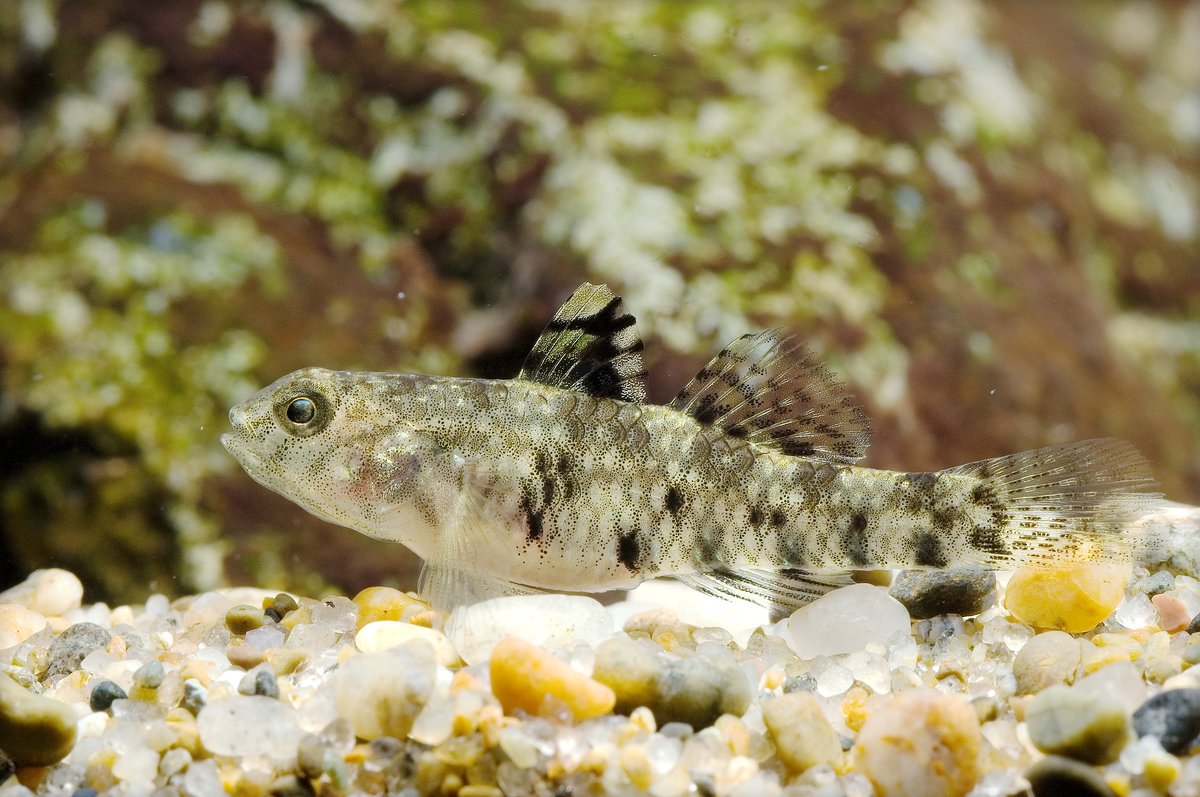
一番大きなニュースは、海外から来た魚が、本州の川で初めて見つかったことだ。コウライオヤニラミという魚で、群馬県の鮎川の水からこの魚のDNAが出たので、人が川にもぐって探した。そして、2024年10月29日、鮎川でこの魚を1匹捕まえた。
この魚が増えると、もとから日本の川にいる魚に悪い影響が出るかもしれない。そこで国は、2026年9月1日から、この魚を育てたり、川に放したりすることを禁止した。今、群馬県などが、この魚を捕まえる調査をしている。
今は、水を少し取るだけで、そこにどんな魚がいるかが分かる。小さな変化に早く気づくことは、川の自然を守るために、とても大切だ。
Words in this article
The 40 words at JLPT N3 or above, and the specialist words that are on no JLPT list.
| Word | Reading | Meaning | JLPT |
|---|---|---|---|
| すむ | to live (of animals: 住む) | Not on JLPT lists | |
| 調査 | ちょうさ | survey | N3 |
| 結果 | けっか | result | N3 |
| 発表 | はっぴょう | announcement; publication (発表する = to announce) | N3 |
| 全国 | ぜんこく | the whole country; nationwide | N3 |
| もの | thing; one | Not on JLPT lists | |
| 対象 | たいしょう | subject; target (of a survey) | N3 |
| 種類 | しゅるい | kind; type | N3 |
| すんで | living (from すむ) | Not on JLPT lists | |
| 地域 | ちいき | area; region | N3 |
| 確認できた | かくにんできた | could be confirmed (from 確認できる) | Not on JLPT lists |
| 情報 | じょうほう | information | N3 |
| なかった | there was not | Not on JLPT lists | |
| DNA | ディーエヌエー | DNA (genetic material) | Not on JLPT lists |
| 広がって | ひろがって | spreading; widening (from 広がる) | N3 from 広がる |
| 温かい | あたたかい | warm | Not on JLPT lists |
| 本州 | ほんしゅう | Honshu (Japan's main island) | Not on JLPT lists |
| 気候 | きこう | climate | N3 |
| 温度 | おんど | temperature | N3 |
| 地方 | ちほう | the regions; rural areas | N3 |
| ゼゼラ | zezera (a small freshwater carp) | Not on JLPT lists | |
| もともと | originally; from the start | Not on JLPT lists | |
| 琵琶湖 | びわこ | Lake Biwa | Not on JLPT lists |
| 今回 | こんかい | this time | N3 |
| 県 | けん | prefecture | N3 |
| 海外 | かいがい | overseas; abroad | N3 |
| 来た | きた | came (past of 来る) | Not on JLPT lists |
| コウライオヤニラミ | Korean aucha perch (a fish from Korea) | Not on JLPT lists | |
| 鮎川 | あゆかわ | the Ayu River (in Gunma) | Not on JLPT lists |
| もぐって | diving (from もぐる) | Not on JLPT lists | |
| もと | origin (もとから = from the start) | Not on JLPT lists | |
| 影響 | えいきょう | effect; influence | N3 |
| そこで | so; thereupon | N3 | |
| どんな | what kind of | N3 | |
| 変化 | へんか | change | N3 |
| 気づく | きづく | to notice | N3 |
| 自然 | しぜん | nature | N3 |
| 守る | まもる | to protect | N3 |
| 放したり | はなしたり | releasing, and so on | N3 from 放す |
| 禁止した | きんしした | banned | N3 from 禁止 |
83 more words from lower levels, plus names, numbers and grammar
| Word | Reading | Meaning | JLPT |
|---|---|---|---|
| 日本 | にほん | Japan | Name |
| の | of; 's | Grammar | |
| 川 | かわ | river | N5 |
| や | and (listing examples) | Grammar | |
| 池 | いけ | pond | N5 |
| に | to; at; in | Grammar | |
| 魚 | さかな | fish | N5 |
| について | about; regarding | Grammar | |
| 環境省 | かんきょうしょう | the Ministry of the Environment | Name |
| 大きな | おおきな | big | N5 |
| が | (subject marker) | Grammar | |
| 終わった | おわった | ended; was finished (past of 終わる) | N5 from 終わる |
| された | was done (passive past of する) | N5 from する | |
| から | from | Grammar | |
| まで | until; up to | Grammar | |
| かけて | spending (time) (from かける) | N5 from かける | |
| で | in; at; by | Grammar | |
| 調べた | しらべた | looked into; surveyed (past of 調べる) | N4 from 調べる |
| だ | is (plain) | Grammar | |
| は | (topic marker) | Grammar | |
| その | that | N5 | |
| うち | of; among | N4 | |
| いる | is (doing) | Grammar | |
| 今 | いま | now | N5 |
| 水 | みず | water | N5 |
| を | (object marker) | Grammar | |
| 少し | すこし | a little | N5 |
| 取って | とって | taking, and (from 取る) | N5 from 取る |
| 中 | なか | inside | N5 |
| 残った | のこった | remained | N4 from 残る |
| も | also | Grammar | |
| 捕まえなくて | つかまえなくて | without catching (from 捕まえる) | N4 from 捕まえる |
| どう | how | N5 | |
| 分かる | わかる | to know; to find out | N5 |
| 分かった | わかった | became clear; was found out | N5 from 分かる |
| こと | (makes a verb into a noun) | Grammar | |
| 一つ | ひとつ | one | N5 |
| 場所 | ばしょ | place | N4 |
| 北 | きた | north | N5 |
| へ | to; toward | Grammar | |
| という | that (quoting) | Grammar | |
| 小さな | ちいさな | small | N5 |
| して | doing, and ... (from する) | Grammar | |
| 海 | うみ | sea; ocean | N5 |
| 見つかる | みつかる | to be found | N4 |
| 増えて | ふえて | increasing (from 増える) | N4 from 増える |
| 理由 | りゆう | reason | N4 |
| 変わって | かわって | changing (from 変わる) | N4 from 変わる |
| 上がった | あがった | rose (from 上がる) | N4 from 上がる |
| と | and; with | Grammar | |
| 考えられて | かんがえられて | being thought (passive of 考える) | N4 from 考える |
| ほか | other | N5 | |
| 運ばれて | はこばれて | being carried (passive of 運ぶ) | N4 from 運ぶ |
| きた | came (past of 来る); 〜てきた = has come to | N5 | |
| など | and so on | Grammar | |
| 新しく | あたらしく | newly (from 新しい) | N5 from 新しい |
| 見つかった | みつかった | was found (past of 見つかる) | N4 from 見つかる |
| 一番 | いちばん | the most; number one | N5 |
| ニュース | news | N5 | |
| 初めて | はじめて | for the first time | N5 |
| 群馬県 | ぐんまけん | Gunma Prefecture | Name |
| この | this | N5 | |
| 出た | でた | came out (from 出る) | N5 from 出る |
| ので | because; so | Grammar | |
| 探した | さがした | searched; looked for (past of 探す) | N4 from 探す |
| そして | and then | N5 | |
| 1匹 | いっぴき | one (fish) | Number |
| 捕まえた | つかまえた | caught (past of 捕まえる) | N4 from 捕まえる |
| 悪い | わるい | bad | N5 |
| 出る | でる | to come out | N5 |
| かもしれない | may; might | Grammar | |
| 国 | くに | country | N5 |
| 捕まえる | つかまえる | to catch | N4 |
| 外 | そと | outside | N5 |
| 取る | とる | to take | N5 |
| だけ | only | Grammar | |
| そこ | there | N5 | |
| 早く | はやく | early | N5 from 早い |
| ため | for (the sake of); in order to | Grammar | |
| とても | very | N5 | |
| 大切 | たいせつ | important | N5 |
| 増える | ふえる | to increase | N4 |
| 育てたり | そだてたり | raising, and so on | N4 from 育てる |
Questions
Try answering in Japanese, then open the answer to check yourself. In the reader, your answers and score are saved.
- 環境省の調査は、いつからいつまで、何年かけて行われましたか。
Show answer
2022年度から2025年度まで、4年かけて行われました。
From fiscal 2022 to fiscal 2025, over four years.
- 今まで情報がなかった地域では、どんな方法で魚を調べましたか。
Show answer
川の水を少し取って、水の中に残った魚のDNAを調べました。
They took a little river water and tested it for fish DNA left in the water.
- ゼゼラという魚は、今回の調査で、いくつの県で新しく見つかりましたか。
Show answer
14の県で新しく見つかりました。
It was newly found in 14 prefectures.
- 温かい海や川にすむ魚が北で見つかるようになったのは、なぜだと考えられていますか。
Show answer
気候が変わって、海の水の温度が上がったことが、理由の一つだと考えられています。
One reason is thought to be that the climate changed and the sea became warmer.
- コウライオヤニラミは、いつ、どこで捕まえられましたか。
Show answer
2024年10月29日に、群馬県の鮎川で捕まえられました。
On October 29, 2024, in the Ayu River in Gunma Prefecture.
- 水の中のDNAで魚を調べる方法について、あなたはどう思いますか。
Example answer
とてもいい方法だと思います。魚を捕まえなくても分かるので、魚にもやさしいからです。
I think it is a very good method, because you can find out without catching the fish, so it is kind to them too.
If you're new to Japanese, the Textbook teaches it step by step from zero. If you can't read kana yet, start with Starter.
Start from zero Lesson 1 (N5)More N3 reading
- 未来の乗り物、空飛ぶクルマを近くで見よう 2026年10月30日
- 優れた技術を持つ39人が「東京マイスター」に 2026年10月29日
- 火事が増える季節の前に、火の使い方を確かめよう 2026年10月28日
- 毒きのこで食中毒、今年は早く起きた 2026年10月27日
- 多摩動物公園のチーター「コハク」が死んだ 2026年10月26日
- 家の中で、子どもの感電に注意 2026年10月25日