Reading › N4 › 今年の夏、熱中症で運ばれた人は、去年より少なくなりました
今年の夏、熱中症で運ばれた人は、去年より少なくなりました
Written for learners with AI assistance, based on: 総務省消防庁 · original source ↗
Read it interactively: tap any word for its reading, meaning and JLPT level, save the ones you don't know, and quiz yourself.
Open in the reader夏の暑い日には、「熱中症」になる人がいます。体が熱くなりすぎて、気分が悪くなったり、たおれたりする病気です。
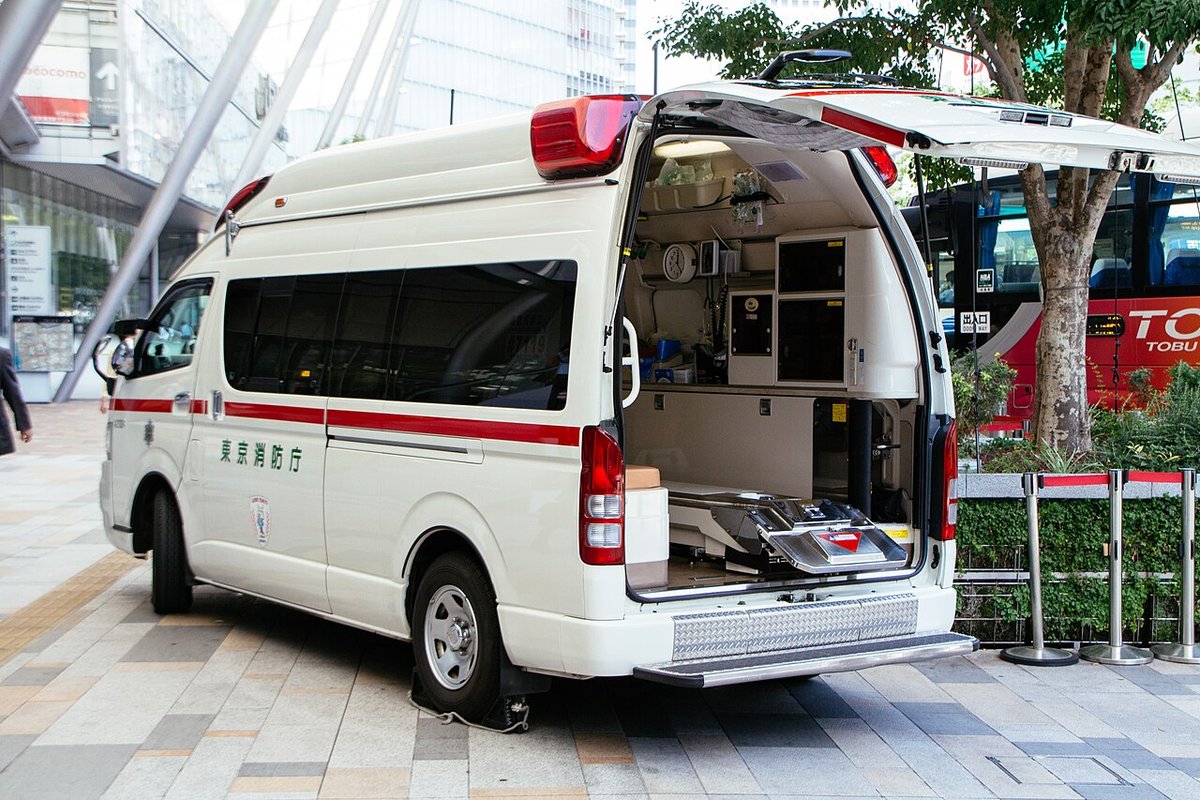
総務省消防庁によると、今年の5月1日から9月27日までに、熱中症で救急車で病院に運ばれた人は、7万7442人でした。去年の同じころは10万350人でしたから、少なくなりました。
運ばれた人の59.7%は、65歳以上のお年寄りでした。お年寄りは、暑さに気がつきにくいので、特に気をつけなければなりません。
熱中症になった場所を見ると、いちばん多かったのは「住居」、つまり家の中で、39.6%でした。道路の20.7%より、ずっと多いです。外だけでなく、家の中でも熱中症になるのです。
9月21日から27日までの1週間に運ばれた人は、441人でした。去年の同じ週は644人でした。暑い日は、だんだん少なくなっています。
でも、来年の夏も、きっと暑くなるでしょう。家の中にいるときも、水をよく飲んだり、エアコンを使ったりすることが大切です。
Words in this article
| Word | Reading | Meaning | JLPT |
|---|---|---|---|
| 今年 | ことし | this year | N5 |
| 夏 | なつ | summer | N5 |
| 熱中症 | ねっちゅうしょう | heatstroke; heat illness | |
| 運ばれた | はこばれた | was carried; was taken (passive past of 運ぶ) | |
| 去年 | きょねん | last year | N5 |
| より | than | ||
| 少なく | すくなく | few; fewer (from 少ない) | |
| なりました | became (polite past of なる) | ||
| 暑い | あつい | hot (weather) | N5 |
| なる | to become | ||
| います | there are (people) | ||
| 体 | からだ | body | N5 |
| 熱く | あつく | hot (from 熱い, for things and bodies) | |
| なりすぎて | becoming too (hot), and ... | ||
| 気分 | きぶん | feeling; mood | N4 |
| 悪く | わるく | bad (from 悪い; 気分が悪くなる = to feel sick) | |
| なったり | becoming, and so on | ||
| たおれたり | collapsing, and so on | ||
| 病気 | びょうき | illness | N5 |
| 総務省消防庁 | そうむしょうしょうぼうちょう | Fire and Disaster Management Agency | |
| によると | according to | ||
| までに | by; up to (a date) | ||
| 救急車 | きゅうきゅうしゃ | ambulance | |
| 病院 | びょういん | hospital | N5 |
| でした | was (polite past) | ||
| 同じ | おなじ | same | N5 |
| ころ | time; around (a time) | ||
| から | so; because | ||
| 65歳以上 | ろくじゅうごさいいじょう | aged 65 or over | |
| お年寄り | おとしより | elderly people | |
| 暑さ | あつさ | heat | |
| 気がつきにくい | きがつきにくい | hard to notice | |
| ので | because; so | ||
| 特に | とくに | especially | N4 |
| 気 | き | attention (気をつける = to be careful) | N4 |
| つけなければなりません | must (気をつける = to take care) | ||
| 場所 | ばしょ | place | N4 |
| 見ると | みると | when you look at | |
| いちばん | the most | ||
| 多かった | おおかった | were many; was the most (past of 多い) | |
| 住居 | じゅうきょ | residence; home | N2 |
| つまり | in other words | ||
| 家 | いえ | house; home | N5 |
| 中 | なか | inside | N5 |
| 道路 | どうろ | road | N3 |
| ずっと | much (more) | ||
| 多い | おおい | many; a lot | N5 |
| 外 | そと | outside | N5 |
| だけでなく | not only | ||
| のです | it is that ... (explanation) | ||
| まで | until | ||
| 1週間 | いっしゅうかん | one week | |
| 週 | しゅう | week | N3 |
| だんだん | gradually | ||
| 少なくなっています | すくなくなっています | are becoming fewer | |
| でも | but | ||
| 来年 | らいねん | next year | N5 |
| きっと | surely | ||
| 暑く | あつく | hot (from 暑い) | |
| なるでしょう | will probably become | ||
| いる | to be (somewhere) | ||
| とき | when; time | ||
| 水 | みず | water | N5 |
| よく | often; well | ||
| 飲んだり | のんだり | drinking, and so on | |
| エアコン | air conditioner | ||
| 使ったり | つかったり | using, and so on | |
| こと | thing; (doing) something | ||
| 大切 | たいせつ | important | N5 |
| 道 | みち | street; road | N5 |
| 悪くなった | わるくなった | became bad; felt sick |
Questions
Answer in Japanese, then check yourself. The reader saves your answers and keeps score.
- 熱中症は、どんな病気ですか。
Show answer
体が熱くなりすぎて、気分が悪くなったり、たおれたりする病気です。
An illness where the body gets too hot and you feel sick or collapse.
- 今年の5月1日から9月27日までに、熱中症で運ばれた人は何人でしたか。去年とくらべて、どうでしたか。
Show answer
7万7442人でした。去年の同じころは10万350人でしたから、少なくなりました。
77,442 people. That is fewer than the 100,350 at the same time last year.
- 運ばれた人の中で、いちばん多かったのは、どんな人たちですか。
Show answer
65歳以上のお年寄りです。運ばれた人の59.7%でした。
Elderly people aged 65 or over: 59.7% of those taken to the hospital.
- 熱中症になった場所で、いちばん多かったのはどこですか。それは、なぜ大切なことですか。
Show answer
家の中(住居)で、39.6%でした。外だけでなく、家の中でも熱中症になるからです。
Inside the home, at 39.6%. It matters because you can get heatstroke indoors, not only outside.
- 家の中で熱中症にならないために、何をしたらいいですか。
Show answer
水をよく飲んだり、エアコンを使ったりすることが大切です。
Drink plenty of water and use the air conditioner.
- あなたの国では、夏の暑さに気をつけるために、どんなことをしますか。
Example answer
わたしの国では、帽子をかぶったり、水をたくさん飲んだりします。
In my country, people wear hats and drink lots of water.
New to Japanese? The Lessons are a step-by-step textbook from zero. Lesson 1 is free, no sign-up.
Start Lesson 1More N4 reading
- 今年は、台風が多い年です 2026年10月5日
- 札幌に、秋が来ました 2026年10月2日
- 8月の外国人旅行者 中国から減って、韓国から増えた 2026年9月25日
- お米の値段が、約2年ぶりに3000円より安くなりました 2026年9月19日
- 日本に来る外国人が、今までで一番多くなりました 2026年9月19日
- 大阪・関西万博に、約2557万人が来ました 2026年9月19日