Reading › N3 › 丸の内に、全国の農家が集まるお祭り
丸の内に、全国の農家が集まるお祭り
Written for learners with AI assistance, based on: 農林水産省 · original source ↗
In the reader you can tap any word to see its reading, meaning and JLPT level, save the ones you don't know, and quiz yourself on them.
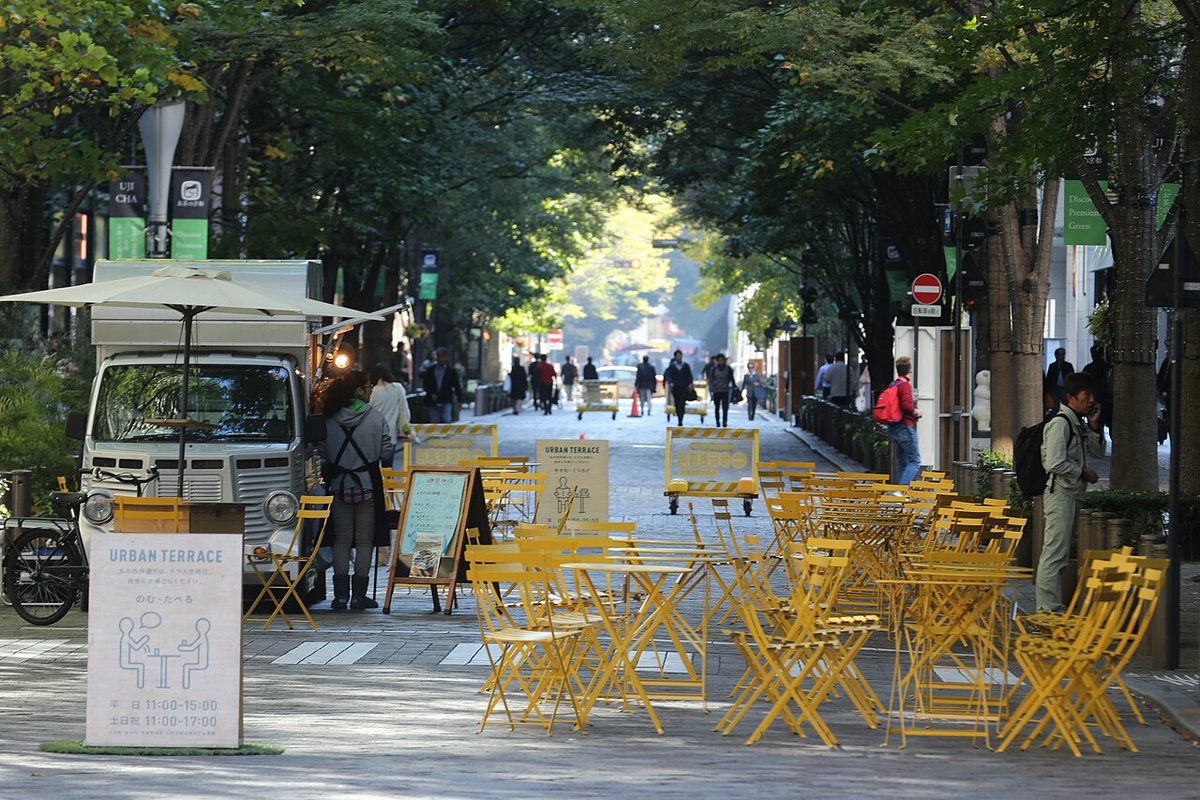
Open in the reader11月1日の日曜日、東京の丸の内で、日本の食べ物と農業について考えるお祭りが開かれる。国の農林水産省が開くお祭りで、時間は11時から17時まで。だれでも無料で参加できる。
全国から、農家などが集まる。会場では、京都のお茶を使ったお菓子や、石川県輪島市の魚の料理など、いろいろな種類の商品を買うことができる。農家と直接話して、それぞれの土地の味を知ることもできる。東京でとれたきのこが、どのように作られているのかも、わかりやすく紹介する。
地震などのあと、もう一度元気になろうとしている地域の店も出る。石川県の能登や、熊本県、福島県から来る店だ。熊本県では、10年前の大きな地震のあと、今年も地震があった。会場で物を買うことが、そこで暮らす人たちを支えることにもなる。
家で食べきれない食べ物を持っていく「フードドライブ」の場所もある。まだ開けていない食べ物を持っていくと、食べ物が必要な人たちに届けてくれる。食べられる物を捨てるのは、もったいないからだ。
子どもも楽しめる。親子で、機械を使って、遠くの畑の野菜を実際に収穫してみることもできる。高校生などが、食べ物と農業の未来について話す時間もある。
毎日食べている物が、どこで、だれによって作られているのか。普段はあまり考えないことを、考えてみるいい日になりそうだ。でも、天気によって、内容が変わる場合もあるので、注意してほしい。
Words in this article
The 40 words at JLPT N3 or above, and the specialist words that are on no JLPT list.
| Word | Reading | Meaning | JLPT |
|---|---|---|---|
| 丸の内 | まるのうち | Marunouchi (business district by Tokyo Station) | Not on JLPT lists |
| 農業 | のうぎょう | agriculture; farming | N3 |
| だれでも | anyone | Not on JLPT lists | |
| 無料 | むりょう | free (of charge) | N3 |
| 参加できる | さんかできる | can take part (from 参加する) | Not on JLPT lists |
| 全国 | ぜんこく | the whole country; all over Japan | N3 |
| 農家 | のうか | farmer; farming household | N3 |
| いろいろな | various | Not on JLPT lists | |
| 土地 | とち | place; region | N3 |
| 種類 | しゅるい | kind; type | N3 |
| 商品 | しょうひん | goods; products | N3 |
| 直接 | ちょくせつ | directly; in person | N3 |
| それぞれ | each | N3 | |
| 暮らす | くらす | to live | N3 |
| 支える | ささえる | to support | N3 |
| 実際に | じっさいに | actually; for real | N3 from 実際 |
| とれた | grown; harvested (past of とれる) | Not on JLPT lists | |
| きのこ | mushroom | Not on JLPT lists | |
| どのように | how | Not on JLPT lists | |
| わかりやすく | in an easy-to-understand way (from わかりやすい) | Not on JLPT lists | |
| なろう | let's become; try to become (from なる) | Not on JLPT lists | |
| 地域 | ちいき | area; region | N3 |
| 能登 | のと | Noto (peninsula in Ishikawa) | Not on JLPT lists |
| 人たち | ひとたち | people | Not on JLPT lists |
| 食べきれない | たべきれない | cannot finish eating (from 食べきる) | Not on JLPT lists |
| フードドライブ | food drive | Not on JLPT lists | |
| 持っていく | もっていく | to take (something) along | Not on JLPT lists |
| もったいない | wasteful; a waste | Not on JLPT lists | |
| 子ども | こども | child | Not on JLPT lists |
| 楽しめる | たのしめる | can enjoy (from 楽しむ) | Not on JLPT lists |
| 親子 | おやこ | parent and child | Not on JLPT lists |
| 機械 | きかい | machine | N3 |
| 畑 | はたけ | field (for crops) | N3 |
| 収穫して | しゅうかくして | harvesting (te-form of 収穫する) | N3 from 収穫 |
| みる | to try (doing) | Not on JLPT lists | |
| 未来 | みらい | future | N3 |
| だれ | who | Not on JLPT lists | |
| 普段 | ふだん | usually | N3 |
| なり | become (stem of なる) | Not on JLPT lists | |
| 内容 | ないよう | contents; program | N3 |
102 more words from lower levels, plus names, numbers and grammar
| Word | Reading | Meaning | JLPT |
|---|---|---|---|
| の | of; 's | Grammar | |
| 日曜日 | にちようび | Sunday | N5 |
| 東京 | とうきょう | Tokyo | Name |
| で | in; at; with | Grammar | |
| 日本 | にほん | Japan | Name |
| 食べ物 | たべもの | food | N5 |
| と | and | Grammar | |
| について | about | Grammar | |
| 考える | かんがえる | to think about | N4 |
| お祭り | おまつり | festival | N4 |
| が | (subject marker) | Grammar | |
| 開かれる | ひらかれる | to be held (passive of 開く) | N4 from 開く |
| 国 | くに | the country; the national government | N5 |
| 農林水産省 | のうりんすいさんしょう | Ministry of Agriculture, Forestry and Fisheries | Name |
| 開く | ひらく | to hold (an event) | N4 |
| 時間 | じかん | hours; time | Number |
| は | (topic marker) | Grammar | |
| から | from | Grammar | |
| まで | until | Grammar | |
| 会場 | かいじょう | venue; event site | N4 |
| など | and others; such as | Grammar | |
| 集まる | あつまる | to gather; to come together | N4 |
| 京都 | きょうと | Kyoto | Name |
| お茶 | おちゃ | tea | N5 |
| を | (object marker) | Grammar | |
| 使った | つかった | using; made with (past of 使う) | N5 from 使う |
| お菓子 | おかし | sweets; snacks | N5 |
| や | and (among others) | Grammar | |
| 石川県 | いしかわけん | Ishikawa Prefecture | Name |
| 輪島市 | わじまし | Wajima City (in Ishikawa) | Name |
| 魚 | さかな | fish | N5 |
| 料理 | りょうり | dish; cooking | N5 |
| 話して | はなして | talking (te-form of 話す) | N5 from 話す |
| 知る | しる | to get to know | N5 |
| 味 | あじ | taste; flavor | N4 |
| 買う | かう | to buy | N5 |
| ことができる | can (do) | Grammar | |
| 作られて | つくられて | being made; grown (passive te-form of 作る) | N5 from 作る |
| いる | is (doing) | Grammar | |
| のか | (whether; how) (question in a sentence) | Grammar | |
| も | also; too | Grammar | |
| 紹介する | しょうかいする | to introduce; to show | N4 from 紹介 |
| 地震 | じしん | earthquake | N4 |
| などの | and other such | N5 from など | |
| あと | after | N5 | |
| もう一度 | もういちど | once more; again | N5 |
| 元気 | げんき | lively; healthy | N5 |
| に | to; into; in | Grammar | |
| として | trying to (〜ようとする) | Grammar | |
| 店 | みせ | shop; stall | N5 |
| 出る | でる | to take part; to appear | N5 |
| 熊本県 | くまもとけん | Kumamoto Prefecture | Name |
| 福島県 | ふくしまけん | Fukushima Prefecture | Name |
| 来る | くる | to come | N5 |
| だ | is (plain) | Grammar | |
| では | in (a place) | N5 | |
| 前 | まえ | ago; before | N5 |
| 大きな | おおきな | big | N5 |
| 今年 | ことし | this year | N5 |
| あった | there was (past of ある) | N5 from ある | |
| 物 | もの | thing; goods | N5 |
| こと | (doing) (makes a verb a noun) | Grammar | |
| そこ | there | N5 | |
| にも | also (to) | N5 from に | |
| なる | to become; to turn out | N5 | |
| 家 | いえ | home; house | N5 |
| 持って | もって | taking (te-form of 持つ) | N5 from 持つ |
| いく | to go | Grammar | |
| 場所 | ばしょ | place; spot | N4 |
| ある | there is | N5 | |
| まだ | still; (not) yet | N5 | |
| 開けて | あけて | opened (te-form of 開ける) | N5 from 開ける |
| いない | has not (done) | Grammar | |
| 必要な | ひつような | necessary; in need of | N4 from 必要 |
| 届けて | とどけて | delivering (te-form of 届ける) | N4 from 届ける |
| くれる | to do (for someone) | N4 | |
| 食べられる | たべられる | can be eaten; edible | N5 from 食べる |
| 捨てる | すてる | to throw away | N4 |
| のは | (doing) ... is | Grammar | |
| からだ | it is because | N5 | |
| 使って | つかって | using (te-form of 使う) | N5 from 使う |
| 遠く | とおく | far away | N4 |
| 野菜 | やさい | vegetable | N5 |
| できる | can do | N5 | |
| 高校生 | こうこうせい | high school student | N4 |
| 話す | はなす | to talk | N5 |
| 毎日 | まいにち | every day | N5 |
| 食べて | たべて | eating (te-form of 食べる) | N5 from 食べる |
| どこ | where | N5 | |
| によって | by (someone); depending on | Grammar | |
| あまり | (not) much | N5 | |
| 考えない | かんがえない | do not think about (from 考える) | N4 from 考える |
| 考えて | かんがえて | thinking (te-form of 考える) | N4 from 考える |
| いい | good | N5 | |
| そうだ | looks like; seems | Grammar | |
| でも | but | N5 | |
| 天気 | てんき | weather | N5 |
| 変わる | かわる | to change | N4 |
| 場合 | ばあい | case | N4 |
| ので | so; because | Grammar | |
| 注意して | ちゅういして | paying attention (te-form of 注意する) | N4 from 注意 |
| ほしい | want (someone to do) | N5 |
Questions
Try answering in Japanese, then open the answer to check yourself. In the reader, your answers and score are saved.
- このお祭りは、いつ、どこで開かれますか。
Show answer
11月1日の日曜日に、東京の丸の内で開かれます。
It is held on Sunday, November 1, in Marunouchi, Tokyo.
- 会場では、どんな物を買うことができますか。
Show answer
京都のお茶を使ったお菓子や、石川県輪島市の魚の料理など、いろいろな種類の商品を買うことができます。
You can buy many kinds of goods, such as sweets made with Kyoto tea and fish dishes from Wajima in Ishikawa.
- 会場で物を買うことが、どうして人を助けることになるのですか。
Show answer
地震などのあと、もう一度元気になろうとしている地域の店も出るからです。物を買うことが、そこで暮らす人たちを支えることにもなります。
Because shops from regions trying to recover after earthquakes and other disasters take part. Buying their goods also supports the people who live there.
- 「フードドライブ」では、どんなことをしますか。
Show answer
家で食べきれない、まだ開けていない食べ物を持っていくと、食べ物が必要な人たちに届けてくれます。
You bring unopened food you can't finish at home, and it is delivered to people who need food.
- 子どもは、会場でどんなことができますか。
Show answer
親子で、機械を使って、遠くの畑の野菜を実際に収穫してみることができます。
With their parents, they can try harvesting vegetables in a faraway field by using a machine.
- あなたは、毎日食べている物が、どこで作られているか、考えたことがありますか。
Example answer
あまり考えたことはありません。でも、スーパーで野菜を買うとき、どこの土地でとれたか見てみたいと思います。
I haven't thought about it much. But when I buy vegetables at the supermarket, I'd like to check where they were grown.
If you're new to Japanese, the Textbook teaches it step by step from zero. If you can't read kana yet, start with Starter.
Start from zero Lesson 1 (N5)More N3 reading
- 白菜が高い、鍋の季節なのに 2026年11月17日
- インフルエンザが、今年は早くから広がっている 2026年11月11日
- 寒い季節の前に、火事に注意しよう 2026年11月10日
- 紅葉の様子を、情報で確かめてから公園へ 2026年11月9日
- AIが、ごみの瓶を分ける 2026年11月8日
- 風邪に、抗菌薬は効きません 2026年11月7日