Reading › N2 › 「名工」に141人――職人の技能を、次の時代へ
「名工」に141人――職人の技能を、次の時代へ
Written for learners with AI assistance, based on: 厚生労働省「令和8年度 卓越した技能者を決定しました」 · original source ↗
In the reader you can tap any word to see its reading, meaning and JLPT level, save the ones you don't know, and quiz yourself on them.
Open in the reader141人の「現代の名工」
厚生労働省は毎年、すぐれた技能を持つ職人の表彰を行っている。「現代の名工」と呼ばれるこの表彰に、今年度は141人が選ばれた。11月9日には東京のホテルで表彰が行われ、名工には賞状のほかに、賞金10万円が贈られた。
この制度は昭和42年度に始まり、今回で60回目になる。これまでに表彰を受けた名工は、合わせて7,517人だ。目的は、職人の地位を高めることだけではない。職人を目指す若者に目標を示し、すぐれた技能を次の時代に残していくことも、大きな目的だという。
機械の部品から、お菓子まで
選ばれた人の仕事は、さまざまだ。とても正確な機械の部品を作る職人もいれば、着物の着付けをする職人もいる。寺院や神社を建てたり直したりする大工、屋根に瓦をのせる職人、日本の伝統的なお菓子を作る職人も選ばれた。
84歳の名工は、秋田県で、山桜の木の皮に小刀で模様を刻み、美しい工芸品を作っている。83歳の名工は、50年以上、ガラスを吹いて形を作ってきた。若いころは先輩に厳しくしかられたが、工夫を重ねて技能を高め、ガラスの楽器も作った。子どものころ、家の大きな花瓶を割ってしまい、「いつか自分の手で作ってみたい」と思ったのが、この仕事を始めたきっかけだそうだ。
48歳の女性の職人は、花や鳥を、まるで本物のようにお菓子で作る技能が高く評価された。お菓子の店の一人娘で、職人の父を見て育ったという。
技能を、どうつなぐか
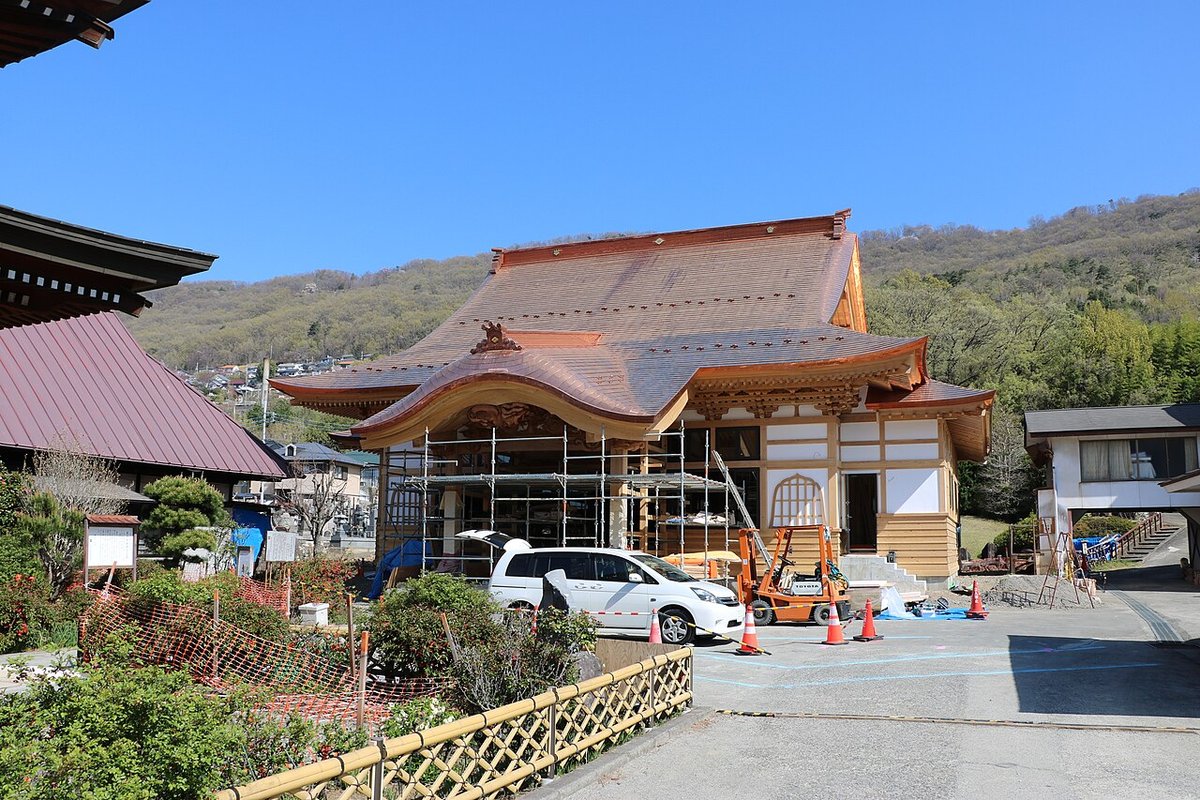
名工の多くは、自分の仕事だけでなく、後輩を育てることにも力を入れている。寺院や神社を建てる54歳の大工は、木の性質を読み、伝統的な建て方と今の計算の方法を合わせて、地震に強い建物を作ってきた。若い職人や学生、海外の人にも技能を教えて、建物と技能を「100年、200年先」までつなぎたいと考えている。
その一方で、伝統的な技能の担い手は減っている。この大工も、建物がどれも同じようになり、担い手が減って、技能が失われていくことを強く心配しているという。名工は、これからも職人の技能をつないでいく。
Words in this article
The 47 words at JLPT N2 or above, and the specialist words that are on no JLPT list.
| Word | Reading | Meaning | JLPT |
|---|---|---|---|
| すぐれた | excellent; outstanding | Not on JLPT lists | |
| 技能 | ぎのう | skill; technical skill | N1 |
| 職人 | しょくにん | craftsman; artisan | N2 |
| 表彰 | ひょうしょう | official commendation; award | Not on JLPT lists |
| 名工 | めいこう | master craftsman | Not on JLPT lists |
| 今年度 | こんねんど | this fiscal year | Not on JLPT lists |
| 行われ | おこなわれ | was held (from 行う) | Not on JLPT lists |
| 賞状 | しょうじょう | certificate of merit | Not on JLPT lists |
| 賞金 | しょうきん | prize money | N2 |
| これまで | until now; so far | Not on JLPT lists | |
| 高める | たかめる | to raise; to improve | N2 |
| 目指す | めざす | to aim for | N2 |
| 若者 | わかもの | young people | Not on JLPT lists |
| 示し | しめし | show, and (from 示す) | Not on JLPT lists |
| 残していく | のこしていく | to keep passing on; to preserve (from 残す) | Not on JLPT lists |
| 部品 | ぶひん | part; component | N2 |
| 着付け | きつけ | dressing someone in a kimono | Not on JLPT lists |
| 寺院 | じいん | Buddhist temple | N2 |
| 直したり | なおしたり | repairing (and so on) (from 直す) | Not on JLPT lists |
| 大工 | だいく | carpenter | N2 |
| 瓦 | かわら | roof tile | N2 |
| のせる | to put on; to lay on top | Not on JLPT lists | |
| 伝統的 | でんとうてき | traditional | Not on JLPT lists |
| 山桜 | やまざくら | mountain cherry tree | Not on JLPT lists |
| 小刀 | こがたな | small knife | Not on JLPT lists |
| 刻み | きざみ | carving, and (from 刻む) | Not on JLPT lists |
| 若いころ | わかいころ | in one's youth | Not on JLPT lists |
| しかられた | was scolded (from しかる) | Not on JLPT lists | |
| 工夫 | くふう | ingenuity; finding better ways | N2 |
| 重ねて | かさねて | piling up; repeating (from 重ねる) | N2 from 重ねる |
| 高め | たかめ | raising, and (from 高める) | Not on JLPT lists |
| 工芸品 | こうげいひん | craft item; handicraft | Not on JLPT lists |
| 楽器 | がっき | musical instrument | N2 |
| 子ども | こども | child | Not on JLPT lists |
| 作ってみたい | つくってみたい | want to try making (from 作る) | Not on JLPT lists |
| きっかけ | trigger; what got something started | N2 | |
| まるで | just like; as if | Not on JLPT lists | |
| 一人娘 | ひとりむすめ | only daughter | Not on JLPT lists |
| 父 | ちち | (my/one's) father | Not on JLPT lists |
| つなぐ | to connect; to carry forward | Not on JLPT lists | |
| 後輩 | こうはい | junior colleague | N2 |
| 性質 | せいしつ | nature; properties | N2 |
| 建て方 | たてかた | way of building | Not on JLPT lists |
| つなぎたい | want to carry forward (from つなぐ) | Not on JLPT lists | |
| 担い手 | にないて | person who carries something on; successor | Not on JLPT lists |
| 失われていく | うしなわれていく | to be gradually lost (from 失う) | Not on JLPT lists |
| つないでいく | will keep carrying forward (from つなぐ) | Not on JLPT lists |
89 more words from lower levels, plus names, numbers and grammar
| Word | Reading | Meaning | JLPT |
|---|---|---|---|
| 厚生労働省 | こうせいろうどうしょう | Ministry of Health, Labour and Welfare | Name |
| 持つ | もつ | to have; to hold | N5 |
| 毎年 | まいとし | every year | N5 |
| 行っている | おこなっている | carries out; holds (from 行う) | N4 from 行う |
| 受けた | うけた | received (from 受ける) | N4 from 受ける |
| 現代 | げんだい | modern times; the present day | N3 |
| 呼ばれる | よばれる | to be called (from 呼ぶ) | N5 from 呼ぶ |
| 選ばれた | えらばれた | were chosen (from 選ぶ) | N4 from 選ぶ |
| 東京 | とうきょう | Tokyo | Name |
| ホテル | hotel | N5 | |
| 贈られた | おくられた | was presented; was given (from 贈る) | N3 from 贈る |
| 制度 | せいど | system; program | N3 |
| 昭和42年度 | しょうわよんじゅうにねんど | fiscal year Showa 42 (1967) | Number |
| 始まり | はじまり | began, and (from 始まる) | N3 |
| 今回 | こんかい | this time | N3 |
| 60回目 | ろくじゅっかいめ | the 60th time | Number |
| 合わせて | あわせて | in total; altogether | N3 from 合わせる |
| 目的 | もくてき | purpose; aim | N3 |
| 地位 | ちい | status; position | N3 |
| 目標 | もくひょう | goal; target | N3 |
| 次 | つぎ | next | N5 |
| 時代 | じだい | era; age | N4 |
| 大きな | おおきな | big; major | N5 |
| 機械 | きかい | machine | N3 |
| お菓子 | おかし | sweets; confectionery | N5 |
| 仕事 | しごと | work; job | N5 |
| さまざま | various; all kinds | N3 | |
| 正確 | せいかく | precise; accurate | N3 |
| 作る | つくる | to make | N5 |
| 着物 | きもの | kimono | N4 |
| 神社 | じんじゃ | Shinto shrine | N4 |
| 建てたり | たてたり | building (and so on) (from 建てる) | N4 from 建てる |
| 屋根 | やね | roof | N3 |
| 日本 | にほん | Japan | Name |
| 秋田県 | あきたけん | Akita Prefecture | Name |
| 木 | き | tree; wood | N5 |
| 皮 | かわ | bark; skin | N3 |
| 模様 | もよう | pattern; design | N3 |
| 美しい | うつくしい | beautiful | N4 |
| 先輩 | せんぱい | senior colleague | N4 |
| 厳しく | きびしく | strictly; harshly (from 厳しい) | N4 from 厳しい |
| 以上 | いじょう | or more; more than | N4 |
| ガラス | glass | N4 | |
| 吹いて | ふいて | blowing (from 吹く) | N5 from 吹く |
| 形 | かたち | shape | N4 |
| 作ってきた | つくってきた | has been making (from 作る) | N5 from 作る |
| 作っている | つくっている | is making (from 作る) | N5 from 作る |
| 建てる | たてる | to build | N4 |
| 作った | つくった | made (from 作る) | N5 from 作る |
| 家 | いえ | house; home | N5 |
| 花瓶 | かびん | flower vase | N5 |
| 割って | わって | breaking (from 割る) | N3 from 割る |
| 自分 | じぶん | oneself | N5 |
| 手 | て | hand | N5 |
| 思った | おもった | thought (from 思う) | N4 from 思う |
| 始めた | はじめた | started (from 始める) | N4 from 始める |
| 女性 | じょせい | woman | N4 |
| 花 | はな | flower | N5 |
| 鳥 | とり | bird | N5 |
| 本物 | ほんもの | the real thing | N3 |
| 高く | たかく | highly (from 高い) | N5 from 高い |
| 評価された | ひょうかされた | was valued; was praised (from 評価する) | N3 from 評価 |
| 店 | みせ | shop; store | N5 |
| 見て | みて | watching (from 見る) | N5 from 見る |
| 育った | そだった | grew up (from 育つ) | N3 from 育つ |
| 多く | おおく | many; most | N5 from 多い |
| 育てる | そだてる | to raise; to train | N4 |
| 力 | ちから | effort; strength (力を入れる = to put effort into) | N4 |
| 入れている | いれている | are putting in (from 入れる) | N5 from 入れる |
| 読み | よみ | reading, and (from 読む; 木の性質を読む = to judge how the wood will behave) | N3 |
| 今 | いま | now; today's | N5 |
| 計算 | けいさん | calculation | N3 |
| 方法 | ほうほう | method | N3 |
| 合わせて | あわせて | combining (from 合わせる) | N3 from 合わせる |
| 地震 | じしん | earthquake | N4 |
| 強い | つよい | strong | N5 |
| 建物 | たてもの | building | N5 |
| 若い | わかい | young | N5 |
| 学生 | がくせい | student | N5 |
| 海外 | かいがい | overseas | N3 |
| 教えて | おしえて | teaching, and (from 教える) | N5 from 教える |
| 先 | さき | ahead; the future | N5 |
| 考えている | かんがえている | is thinking; intends (from 考える) | N4 from 考える |
| 一方 | いっぽう | on the other hand | N3 |
| 減っている | へっている | is decreasing (from 減る) | N3 from 減る |
| 同じ | おなじ | same | N5 |
| 減って | へって | decreasing, and (from 減る) | N3 from 減る |
| 強く | つよく | strongly (from 強い) | N5 from 強い |
| 心配している | しんぱいしている | is worried (from 心配する) | N4 from 心配 |
Questions
Try answering in Japanese, then open the answer to check yourself. In the reader, your answers and score are saved.
- 今年度、「現代の名工」に選ばれたのは何人ですか。名工には何が贈られましたか。
Show answer
141人です。賞状のほかに、賞金10万円が贈られました。
141 people. Besides a certificate, each received 100,000 yen in prize money.
- この表彰の制度は、いつ始まりましたか。これまでに何人が表彰されましたか。
Show answer
昭和42年度に始まりました。これまでに合わせて7,517人が表彰されました。
It began in fiscal 1967 (Showa 42). So far 7,517 people have been honored in total.
- この表彰には、職人の地位を高めること以外に、どんな目的がありますか。
Show answer
職人を目指す若者に目標を示し、すぐれた技能を次の時代に残していくことです。
To give young people who aim to become craftsmen a goal, and to pass excellent skills on to the next era.
- 選ばれた人の仕事には、どんなものがありますか。三つ挙げてください。
Show answer
機械の部品を作る仕事、着物の着付け、寺院や神社を建てる大工などです。
For example making machine parts, dressing people in kimono, and carpentry for temples and shrines.
- 83歳の名工がガラスの仕事を始めたきっかけは何ですか。
Show answer
子どものころ家の大きな花瓶を割ってしまい、「いつか自分の手で作ってみたい」と思ったことです。
As a child he broke a big vase at home and thought, "Someday I want to try making one with my own hands."
- 54歳の大工は、なぜ若い人や海外の人にも技能を教えているのですか。
Show answer
伝統的な技能の担い手が減って、技能が失われていくことを強く心配しているからです。建物と技能を100年、200年先までつなぎたいと考えています。
Because he is deeply worried that the people carrying on traditional skills are decreasing and the skills will be lost. He wants to carry buildings and skills 100 or 200 years into the future.
- あなたは、伝統的な技能を次の時代に残すために、何が必要だと思いますか。
Example answer
(例)若者が職人の仕事を見たり、やってみたりできる場所が必要だと思います。仕事の楽しさが伝われば、目指す人も増えると思います。
(Example) I think young people need places where they can watch craftsmen work and try it themselves. If they see how enjoyable the work is, more of them will aim for it.
If you're new to Japanese, the Textbook teaches it step by step from zero. If you can't read kana yet, start with Starter.
Start from zero Lesson 1 (N5)More N2 reading
- 9月の宿泊、2.6%減――外国からの客は地方で増えた県も 2026年11月19日
- 宅配便、1年で51億6178万個に――増える荷物と足りない運転手 2026年11月17日
- 鳥インフルエンザ、今シーズンも野鳥から――国は監視を「レベル3」に 2026年11月11日
- 南極観測へ「しらせ」があす出発――冬を越すのは29人 2026年11月10日
- 夏のボーナス、平均44万8765円に――仕事の種類で金額に大きな差 2026年11月9日
- 「手書きの習慣は大切」が8割――縦書きを最も大事にするのは10代 2026年11月8日