Reading › N2 › 南極観測へ「しらせ」があす出発――冬を越すのは29人
南極観測へ「しらせ」があす出発――冬を越すのは29人
Written for learners with AI assistance, based on: 文部科学省(南極地域観測統合推進本部)「第68次南極地域観測行動計画」(2026年10月28日) · original source ↗
In the reader you can tap any word to see its reading, meaning and JLPT level, save the ones you don't know, and quiz yourself on them.
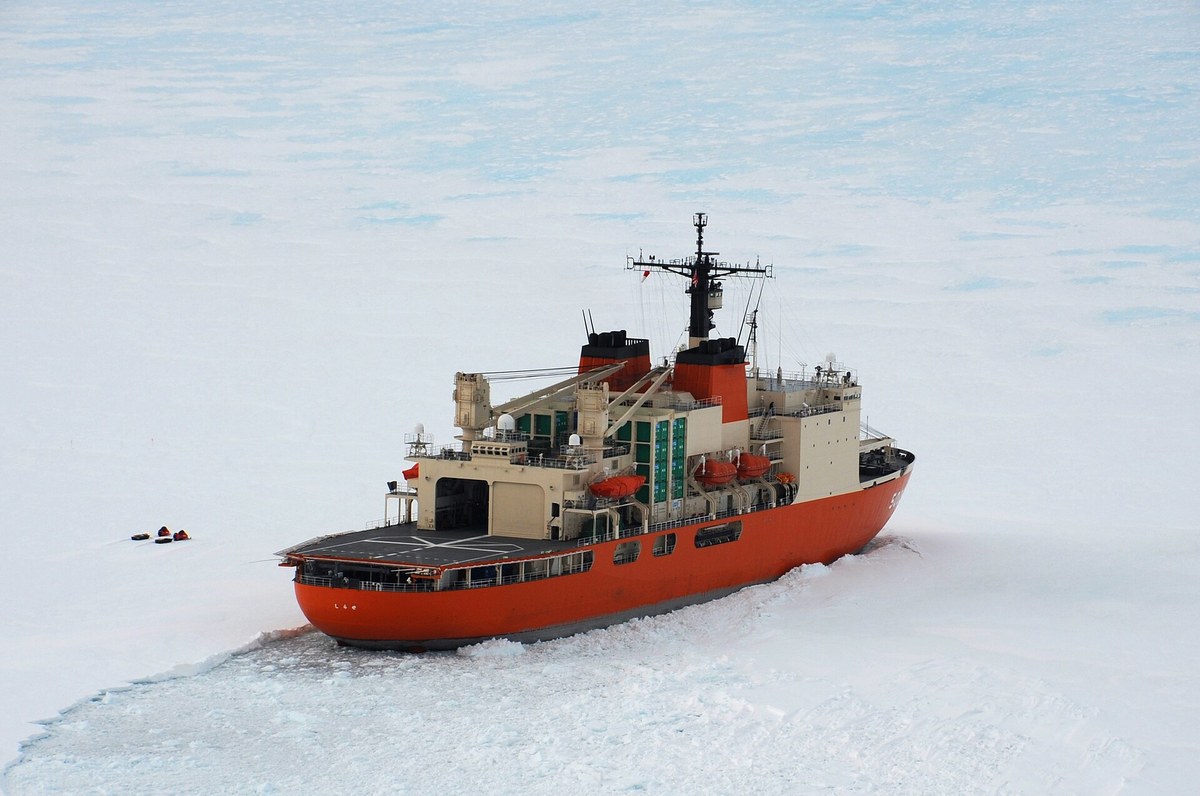
Open in the reader日本の南極観測を支える観測船「しらせ」が、あす11月11日、神奈川県の横須賀を出発する。国の南極観測の本部は10月28日に会議を開き、第68次の観測隊の計画を決めた。観測隊は73人で、そのうち44人は夏の間だけ南極で活動し、残りの29人は昭和基地で冬を越して、観測を続ける。ほかに、技術者や大学院の学生、記者など13人が同行する。
船と飛行機で、南極へ
ただし、観測隊のメンバーは、しらせに乗って日本から出発するわけではない。まず、しらせだけが横須賀を出て、赤道を越えて、オーストラリアへ向かう。メンバーは11月25日に飛行機で日本を離れ、オーストラリアのフリーマントルでしらせに乗る。船は12月上旬にフリーマントルを出て、厚い氷を割りながら南へ進んで、12月25日に昭和基地に着く予定だ。しらせは、基地で使う食べ物や荷物もたくさん載せている。
もっと早く南極に入ったメンバーもいる。このグループは10月19日に日本を出て、南アフリカのケープタウンから飛行機で南極へ向かい、10月28日には昭和基地に着いた。2月まで、雪の上を車で進んで、南極大陸の奥で調査をする。さらに、別の船に乗って、南の海で海洋の観測をするグループもあり、この船は11月26日に東京を出発する。
帰りに、トッテン氷河付近で集中観測
今回の日程で特に注目されるのは、帰りの観測だ。しらせは、2月15日に昭和基地から最後の便が出た後、トッテン氷河付近の海で、2月27日から3月11日まで、2週間ほど集中して観測を行う。
トッテン氷河は、南極でも特に大きな氷河の一つだ。温かい海水が氷河の下に流れ込んで、氷を下から溶かしていると考えられている。氷河の氷が溶けて海に流れ出すと、世界の海面が上がるため、各国の研究者がこの付近の海洋に注目している。
しらせが横須賀に戻るのは、4月10日の予定だ。日本と南極を往復する旅は全部で151日、そのうち南極で活動する日数は99日になる。メンバーは途中のフリーマントルで船を降り、3月23日に飛行機で日本に帰る。
冬を越すメンバーと、これからの観測
南極の基地では、どんな観測をするのだろうか。昭和基地では、毎年、冬を越すメンバーが交替する。6月に決まった計画では、冬を越すメンバーのうち5人が天気の担当で、毎日の気温や気圧、風などを測る。ほかに、基地の機械や通信の担当、料理を作る人が2人、医療の担当が2人いて、厳しい寒さの中で一緒に暮らしながら、観測を支えるのが役目だ。
一方で、南極観測の進め方も変わろうとしている。国は9月、南極への輸送の方法が変わることを受けて、これからの観測の方針を話し合う委員会を開いた。10月の会議では、来年出発する第69次の観測隊のリーダーも決まった。南極の氷や海洋の変化は、地球全体の環境と深く関係している。長く続いてきた日本の南極観測が、これからどんな形になるのか、注目したい。
Words in this article
The 56 words at JLPT N2 or above, and the specialist words that are on no JLPT list.
| Word | Reading | Meaning | JLPT |
|---|---|---|---|
| 南極 | なんきょく | the Antarctic; Antarctica | N2 |
| 観測 | かんそく | observation; scientific measurement | N2 |
| 観測船 | かんそくせん | research ship; observation ship | Not on JLPT lists |
| しらせ | Shirase (Japan's Antarctic icebreaker) | Not on JLPT lists | |
| あす | tomorrow | Not on JLPT lists | |
| 横須賀 | よこすか | Yokosuka (port city in Kanagawa) | Not on JLPT lists |
| 本部 | ほんぶ | headquarters | N2 |
| 開き | ひらき | held (and) (from 開く) | Not on JLPT lists |
| 観測隊 | かんそくたい | research expedition team | Not on JLPT lists |
| 活動し | かつどうし | is active; works (and) (from 活動する) | Not on JLPT lists |
| 昭和基地 | しょうわきち | Showa Station (Japan's Antarctic base) | Not on JLPT lists |
| 技術者 | ぎじゅつしゃ | engineer; technician | Not on JLPT lists |
| 大学院 | だいがくいん | graduate school | N2 |
| 同行する | どうこうする | to go along with; to accompany | Not on JLPT lists |
| 離れ | はなれ | leaving (and) (from 離れる) | Not on JLPT lists |
| オーストラリア | Australia | Not on JLPT lists | |
| フリーマントル | Fremantle (port city in Western Australia) | Not on JLPT lists | |
| 上旬 | じょうじゅん | the first ten days of a month; early (in the month) | N2 |
| 赤道 | せきどう | the equator | N2 |
| まず | first; to begin with | Not on JLPT lists | |
| 基地 | きち | base; station | N2 |
| 載せている | のせている | is carrying (cargo) (from 載せる) | N2 from 載せる |
| 南アフリカ | みなみアフリカ | South Africa | Not on JLPT lists |
| ケープタウン | Cape Town (city in South Africa) | Not on JLPT lists | |
| 南極大陸 | なんきょくたいりく | the Antarctic continent | Not on JLPT lists |
| 海洋 | かいよう | the ocean; marine | N2 |
| トッテン氷河 | トッテンひょうが | Totten Glacier (in East Antarctica) | Not on JLPT lists |
| 付近 | ふきん | the area around; vicinity | N2 |
| 日程 | にってい | schedule; itinerary | N2 |
| 氷河 | ひょうが | glacier | Not on JLPT lists |
| 温かい | あたたかい | warm | Not on JLPT lists |
| 海水 | かいすい | seawater | Not on JLPT lists |
| 流れ込んで | ながれこんで | flowing in, and (from 流れ込む) | Not on JLPT lists |
| 溶かしている | とかしている | is melting (something) (from 溶かす) | N2 from 溶かす |
| 溶けて | とけて | melting, and (from 溶ける) | N2 from 溶ける |
| 流れ出す | ながれだす | to flow out | Not on JLPT lists |
| 海面 | かいめん | sea level; sea surface | Not on JLPT lists |
| 各国 | かっこく | every country; countries around the world | Not on JLPT lists |
| 研究者 | けんきゅうしゃ | researcher; scientist | Not on JLPT lists |
| 往復する | おうふくする | to make a round trip | N2 from 往復 |
| そのうち | of those; among them | Not on JLPT lists | |
| 日数 | にっすう | number of days | Not on JLPT lists |
| 降り | おり | getting off (and) (from 降りる) | Not on JLPT lists |
| 交替する | こうたいする | to take turns; to be replaced (by the next group) | N2 from 交替 |
| 気圧 | きあつ | air pressure | N2 |
| 進め方 | すすめかた | the way (something) is carried out | Not on JLPT lists |
| 変わろうとしている | かわろうとしている | is about to change (from 変わる) | Not on JLPT lists |
| 輸送 | ゆそう | transport; shipping | N2 |
| 方針 | ほうしん | policy; course of action | N2 |
| 測る | はかる | to measure | N2 |
| 役目 | やくめ | role; duty | N2 |
| への | to; toward (へ + の) | Not on JLPT lists | |
| 委員会 | いいんかい | committee | Not on JLPT lists |
| リーダー | leader | Not on JLPT lists | |
| ただし | however | N2 | |
| のが | (nominalizer + subject marker) | Not on JLPT lists |
125 more words from lower levels, plus names, numbers and grammar
| Word | Reading | Meaning | JLPT |
|---|---|---|---|
| 日本 | にほん | Japan | Name |
| 支える | ささえる | to support | N3 |
| 神奈川県 | かながわけん | Kanagawa Prefecture | Name |
| 出発する | しゅっぱつする | to set off; to depart | N4 from 出発 |
| 出発 | しゅっぱつ | departure | N4 |
| 国 | くに | country; the national government | N5 |
| 会議 | かいぎ | meeting; conference | N4 |
| 第68次 | だいろくじゅうはちじ | the 68th (expedition) | Number |
| 計画 | けいかく | plan | N4 |
| 決めた | きめた | decided (from 決める) | N4 from 決める |
| 夏 | なつ | summer | N5 |
| 間 | あいだ | while; during | N4 |
| 活動する | かつどうする | to be active; to work | N3 from 活動 |
| 残り | のこり | the rest; the remaining | N3 |
| 冬 | ふゆ | winter | N5 |
| 越して | こして | spending (the winter), and (from 越す) | N3 from 越す |
| 越す | こす | to pass (a season); to spend (the winter) | N3 |
| 続ける | つづける | to continue | N4 |
| 学生 | がくせい | student | N5 |
| 記者 | きしゃ | reporter; journalist | N3 |
| 船 | ふね | ship; boat | N4 |
| 飛行機 | ひこうき | airplane | N5 |
| メンバー | member | N3 | |
| 乗って | のって | riding; getting on (from 乗る) | N5 from 乗る |
| 乗る | のる | to get on; to board | N5 |
| わけではない | it is not (necessarily) the case that | Grammar | |
| 出て | でて | leaving (and) (from 出る) | N5 from 出る |
| 厚い | あつい | thick | N5 |
| 氷 | こおり | ice | N3 |
| 割りながら | わりながら | while breaking (from 割る) | N3 from 割る |
| 南 | みなみ | south | N5 |
| 進んで | すすんで | moving forward, and (from 進む) | N4 from 進む |
| 越えて | こえて | crossing, and (from 越える) | N3 from 越える |
| だけ | only; alone | Grammar | |
| 着く | つく | to arrive | N5 |
| 予定 | よてい | plan; schedule (予定だ = is expected to) | N4 |
| 使う | つかう | to use | N5 |
| 食べ物 | たべもの | food | N5 |
| 荷物 | にもつ | baggage; goods; cargo | N5 |
| 早く | はやく | early (from 早い) | N5 from 早い |
| 入った | はいった | entered; went into (from 入る) | N5 from 入る |
| グループ | group | N3 | |
| 向かい | むかい | heading for (and) (from 向かう) | N3 |
| 向かう | むかう | to head for; to go toward | N4 |
| 出た | でた | left; departed (from 出る) | N5 from 出る |
| 着いた | ついた | arrived (from 着く) | N5 from 着く |
| 雪 | ゆき | snow | N5 |
| 上 | うえ | top; on | N5 |
| 車 | くるま | car; vehicle | N5 |
| 大陸 | たいりく | continent | N3 |
| 奥 | おく | the interior; deep inside | N3 |
| 調査 | ちょうさ | investigation; survey | N3 |
| さらに | furthermore; in addition | N3 | |
| 別 | べつ | another; separate (別の = another) | N4 |
| 海 | うみ | sea | N5 |
| 東京 | とうきょう | Tokyo | Name |
| 帰り | かえり | the way back; return trip | N4 |
| 集中 | しゅうちゅう | concentration; focus (集中する = to focus) | N3 |
| 今回 | こんかい | this time | N3 |
| 特に | とくに | especially | N4 |
| 注目される | ちゅうもくされる | to attract attention (from 注目する) | N3 from 注目 |
| 最後 | さいご | last | N4 |
| 便 | びん | flight; transport run | N3 |
| 後 | あと | after | N5 |
| 2週間 | にしゅうかん | two weeks | Number |
| ほど | about; roughly | Grammar | |
| 集中して | しゅうちゅうして | intensively; in a concentrated way (from 集中する) | N3 from 集中 |
| 行う | おこなう | to carry out; to do | N4 |
| 大きな | おおきな | big; large | N5 |
| 一つ | ひとつ | one | N5 |
| 下 | した | under; below | N5 |
| 考えられている | かんがえられている | is thought; is believed (from 考える) | N4 from 考える |
| 世界 | せかい | the world | N4 |
| 上がる | あがる | to rise; to go up | N4 |
| ため | because; so | Grammar | |
| 注目している | ちゅうもくしている | is paying close attention (from 注目する) | N3 from 注目 |
| 戻る | もどる | to return; to come back | N4 |
| 旅 | たび | journey; trip | N3 |
| 全部 | ぜんぶ | all; in total | N5 |
| なる | to become; to come to (a total) | N5 | |
| 途中 | とちゅう | on the way; midway | N4 |
| 帰る | かえる | to go home; to return | N5 |
| どんな | what kind of | N3 | |
| だろうか | I wonder (whether) | Grammar | |
| 毎年 | まいとし | every year | N5 |
| 決まった | きまった | was decided (from 決まる) | N4 from 決まる |
| うち | among; of (the group) | N4 | |
| 天気 | てんき | weather | N5 |
| 担当 | たんとう | person in charge; being in charge of | N3 |
| 毎日 | まいにち | every day | N5 |
| 気温 | きおん | air temperature | N3 |
| 風 | かぜ | wind | N5 |
| など | and so on; such as | Grammar | |
| ほか | other; besides | N5 | |
| 機械 | きかい | machine; machinery | N3 |
| 通信 | つうしん | communications | N3 |
| 料理 | りょうり | cooking; dishes | N5 |
| 作る | つくる | to make | N5 |
| 医療 | いりょう | medical care | N3 |
| 厳しい | きびしい | severe; harsh | N4 |
| 寒さ | さむさ | cold; coldness | N5 from 寒い |
| 中 | なか | in; in the middle of | N5 |
| 一緒 | いっしょ | together (一緒に = together) | N5 |
| 暮らしながら | くらしながら | while living (from 暮らす) | N3 from 暮らす |
| 一方 | いっぽう | on the other hand (一方で = meanwhile) | N3 |
| 方法 | ほうほう | method; way | N3 |
| 変わる | かわる | to change | N4 |
| 受けて | うけて | in response to (from 受ける; を受けて = in response to) | N4 from 受ける |
| これから | from now on; the future | N4 | |
| 話し合う | はなしあう | to discuss; to talk over | N3 |
| 開いた | ひらいた | held (from 開く) | N4 from 開く |
| 来年 | らいねん | next year | N5 |
| 第69次 | だいろくじゅうきゅうじ | the 69th (expedition) | Number |
| 変化 | へんか | change | N3 |
| 地球 | ちきゅう | the earth | N3 |
| 全体 | ぜんたい | whole; entire | N3 |
| 環境 | かんきょう | environment | N3 |
| 深く | ふかく | deeply (from 深い) | N4 from 深い |
| 関係している | かんけいしている | is connected; is related (from 関係する) | N4 from 関係 |
| 長く | ながく | for a long time (from 長い) | N5 from 長い |
| 続いてきた | つづいてきた | has continued (from 続く) | N4 from 続く |
| 形 | かたち | form; shape | N4 |
| 注目したい | ちゅうもくしたい | want to watch closely (from 注目する) | N3 from 注目 |
| もっと | more | N5 | |
| この | this | N5 |
Questions
Try answering in Japanese, then open the answer to check yourself. In the reader, your answers and score are saved.
- 第68次の観測隊は何人ですか。昭和基地で冬を越すのは何人ですか。
Show answer
観測隊は73人です。そのうち29人が昭和基地で冬を越します。
The team has 73 members, and 29 of them will spend the winter at Showa Station.
- 観測隊のメンバーは、どこでしらせに乗りますか。
Show answer
11月25日に飛行機で日本を離れ、オーストラリアのフリーマントルでしらせに乗ります。
They leave Japan by plane on November 25 and board the Shirase at Fremantle, Australia.
- 早く南極に入ったグループは、南極で何をしますか。
Show answer
2月まで、雪の上を車で進んで、南極大陸の奥で調査をします。
Until February, they travel over the snow by vehicle and carry out surveys deep inside the Antarctic continent.
- しらせは帰りに、どこで、いつからいつまで観測を行いますか。
Show answer
トッテン氷河付近の海で、2月27日から3月11日まで、2週間ほど集中して観測を行います。
In the sea near Totten Glacier, intensively for about two weeks, from February 27 to March 11.
- 各国の研究者がトッテン氷河付近の海洋に注目しているのは、なぜですか。
Show answer
温かい海水が氷河の氷を下から溶かしていると考えられていて、氷河の氷が溶けて海に流れ出すと、世界の海面が上がるからです。
Because warm seawater is thought to be melting the glacier from below, and when glacier ice melts and flows into the sea, sea levels around the world rise.
- 冬を越すメンバーには、どんな担当の人がいますか。
Show answer
天気の担当が5人いて、毎日の気温や気圧、風などを測ります。ほかに、機械や通信の担当、料理を作る人が2人、医療の担当が2人います。
Five people are in charge of the weather and measure temperature, air pressure, wind and so on every day. There are also people in charge of machinery and communications, 2 cooks, and 2 people for medical care.
- 国は9月に、どんな委員会を開きましたか。
Show answer
南極への輸送の方法が変わることを受けて、これからの観測の方針を話し合う委員会です。
A committee to discuss the future course of the observations, now that the way things are transported to Antarctica is changing.
- あなたは、南極の基地で冬を越してみたいと思いますか。それはなぜですか。
Example answer
(例)わたしは、一度は冬を越してみたいと思います。厳しい寒さの中で、みんなと一緒に暮らしながら観測を支えるのは、大変ですが、ほかではできない経験だと思うからです。
(Example) I would like to try spending a winter there once. Living together in the harsh cold and supporting the observations would be hard, but I think it is an experience you cannot have anywhere else.
If you're new to Japanese, the Textbook teaches it step by step from zero. If you can't read kana yet, start with Starter.
Start from zero Lesson 1 (N5)More N2 reading
- 宅配便、1年で51億6178万個に――増える荷物と足りない運転手 2026年11月17日
- 鳥インフルエンザ、今シーズンも野鳥から――国は監視を「レベル3」に 2026年11月11日
- 夏のボーナス、平均44万8765円に――仕事の種類で金額に大きな差 2026年11月9日
- 「手書きの習慣は大切」が8割――縦書きを最も大事にするのは10代 2026年11月8日
- パックご飯やラムネの輸出も、貿易統計で正確に――9つの品目を新しく分ける 2026年11月7日
- 医療費、48兆8100億円でこれまでで最も多く――6割は65歳以上の人 2026年11月6日