Reading › N2 › シカは約310万頭、まだ多いまま――作物の被害はシカだけで76億円
シカは約310万頭、まだ多いまま――作物の被害はシカだけで76億円
Written for learners with AI assistance, based on: 環境省・農林水産省 · original source ↗
In the reader you can tap any word to see its reading, meaning and JLPT level, save the ones you don't know, and quiz yourself on them.
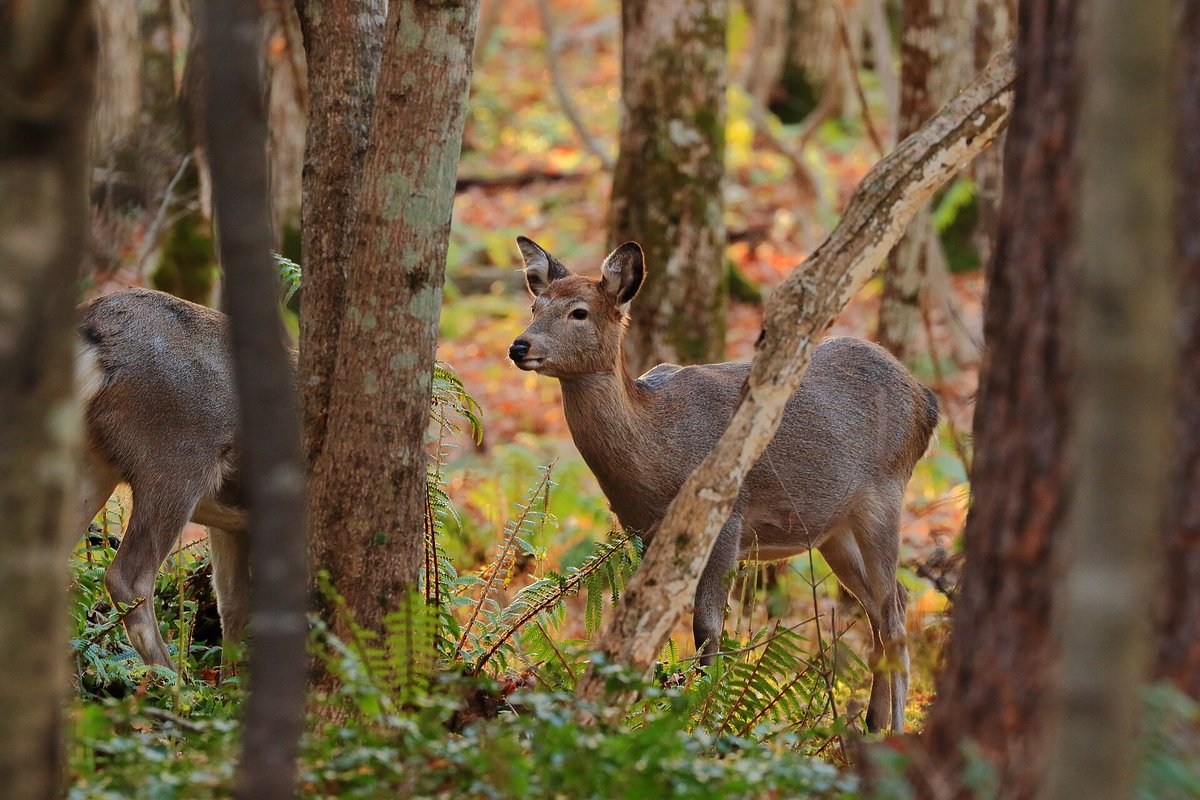
Open in the reader環境省は10月30日、全国にニホンジカとイノシシがどのくらいいるかを推定した結果を発表した。令和6年度末の時点で、シカは北海道を含めた全国で約310万頭、イノシシは約157万頭とされた。これまで北海道のシカは別々に計算されていたが、今回は北海道を含めて、全国の数が出された。北海道を除いた地域だけでは、シカは約236万頭だった。
「10年で半分に」は間に合わなかった
シカやイノシシは、数が増え、住む場所も広がったため、農業や森林、自然、人の暮らしに深刻な被害を与えている。そこで国は平成25年、二つの動物の数を10年後の令和5年度までに半分に減らすという目標を立てた。環境省と農林水産省が一緒にまとめた方針だ。
しかし、令和4年度までの調査で、数はまだ高い水準にあり、期限までに目標に届くのは難しいことが分かった。このため国は令和5年9月、目標の期限を令和10年度まで延ばすことを決めた。今回の結果でも、数は相変わらず高い水準のままで、環境省は、捕まえる取り組みの強化を続けるとしている。
ただし、この数は一頭ずつ数えたものではない。各地で捕まえた数などをもとに、統計の方法で計算した推定の数字だ。約310万頭というのは真ん中の数字で、実際の数は約114万頭から約843万頭の間にある確率が90%とされ、幅はかなり大きい。また、捕まえた数がまとまるのは次の年度になるため、結果が出るまでに時間がかかる。
作物の被害、シカだけで76億円
農林水産省がまとめた資料によると、令和7年度に山の動物や鳥が作物に与えた被害は、全国で183億円だった。前の年度とほぼ同じ金額だ。被害を受けた畑などの面積は2万9千ヘクタールで、前の年度より7千ヘクタール減った。
ただし、動物の種類ごとに見ると、増えたものと減ったものがある。シカの被害は76億円で、前の年度より2.2億円増えた。鳥以外の動物による被害の48.6%がシカによるもので、ほぼ半分を占める。イノシシは44億円、クマは9億円で、クマは4.2億円増えた。一方、ヒヨドリなど鳥による被害は減った。
なかでも、シカの被害は深刻だ。被害が特に大きいのは、牛などのえさにする飼料作物で、田んぼの稲がそれに続く。被害は畑だけでなく、森林や自然にも広がっている。
期限まで、残りは数年
半分を目指す期限の令和10年度まで、残された時間は長くない。被害を防ぐ対策としては、畑を守るだけでなく、数そのものを減らすことが必要だというのが国の考えだ。ただ、今回の推定は令和6年度末のもので、その後の取り組みの効果が数字に表れるのは、まだ先になる。
Words in this article
The 43 words at JLPT N2 or above, and the specialist words that are on no JLPT list.
| Word | Reading | Meaning | JLPT |
|---|---|---|---|
| シカ | しか | deer | Not on JLPT lists |
| ニホンジカ | にほんじか | sika deer (Japanese deer) | Not on JLPT lists |
| イノシシ | いのしし | wild boar | Not on JLPT lists |
| どのくらい | how many; how much | Not on JLPT lists | |
| 推定した | すいていした | estimated (past of 推定する) | N2 from 推定 |
| 推定 | すいてい | estimate; estimation | N2 |
| 令和 | れいわ | Reiwa (Japan's era name since 2019) | Not on JLPT lists |
| 末 | まつ | end (of a period) | Not on JLPT lists |
| 時点 | じてん | point in time | Not on JLPT lists |
| 含めた | ふくめた | including (past of 含める) | N2 from 含める |
| 含めて | ふくめて | including (te-form of 含める) | N2 from 含める |
| これまで | until now; so far | Not on JLPT lists | |
| 別々 | べつべつ | separately | N2 |
| 増え | ふえ | increase, and (from 増える) | Not on JLPT lists |
| 森林 | しんりん | forest; woodland | N2 |
| 平成 | へいせい | Heisei (Japan's era name 1989-2019) | Not on JLPT lists |
| まとめた | put together; drew up (from まとめる) | N2 from まとめる | |
| 方針 | ほうしん | policy; course of action | N2 |
| 期限 | きげん | deadline; time limit | N2 |
| 延ばす | のばす | to extend; to postpone | N2 |
| 相変わらず | あいかわらず | as before; as usual; still | N2 |
| 取り組み | とりくみ | effort; initiative | Not on JLPT lists |
| 強化 | きょうか | strengthening | N2 |
| ただし | however; but (adds a condition) | N2 | |
| 一頭 | いっとう | one (animal) | Not on JLPT lists |
| 各地 | かくち | various places; around the country | N2 |
| 統計 | とうけい | statistics | N2 |
| 確率 | かくりつ | probability | N2 |
| まとまる | to be gathered; to be compiled | Not on JLPT lists | |
| 資料 | しりょう | materials; data | N2 |
| 面積 | めんせき | area (size) | N2 |
| クマ | くま | bear | Not on JLPT lists |
| ヒヨドリ | ひよどり | brown-eared bulbul (a bird) | Not on JLPT lists |
| なかでも | above all; among them | Not on JLPT lists | |
| えさ | feed; animal food | Not on JLPT lists | |
| 飼料作物 | しりょうさくもつ | feed crops (grown to feed livestock) | Not on JLPT lists |
| 田んぼ | たんぼ | rice paddy | N2 |
| 数年 | すうねん | a few years | Not on JLPT lists |
| 目指す | めざす | to aim for | N2 |
| 対策 | たいさく | measures; countermeasures | N2 |
| そのもの | itself | Not on JLPT lists | |
| その後 | そのご | after that | Not on JLPT lists |
| 表れる | あらわれる | to show up; to appear | Not on JLPT lists |
99 more words from lower levels, plus names, numbers and grammar
| Word | Reading | Meaning | JLPT |
|---|---|---|---|
| 多い | おおい | many; a lot | N5 |
| まま | as it is; still (unchanged) | Grammar | |
| 作物 | さくもつ | crops | N3 |
| 被害 | ひがい | damage; harm | N3 |
| だけ | only; alone | Grammar | |
| 約 | やく | about; approximately | N3 |
| 310万頭 | さんびゃくじゅうまんとう | 3.1 million (animals) | Number |
| 環境省 | かんきょうしょう | Ministry of the Environment | Name |
| 全国 | ぜんこく | the whole country; nationwide | N3 |
| 結果 | けっか | result | N3 |
| 発表した | はっぴょうした | announced (past of 発表する) | N3 from 発表 |
| 発表 | はっぴょう | announcement | N3 |
| 北海道 | ほっかいどう | Hokkaido | Name |
| 157万頭 | ひゃくごじゅうななまんとう | 1.57 million (animals) | Number |
| 計算されていた | けいさんされていた | had been calculated (from 計算する) | N3 from 計算 |
| 計算した | けいさんした | calculated (past of 計算する) | N3 from 計算 |
| 計算 | けいさん | calculation | N3 |
| 今回 | こんかい | this time | N3 |
| 数 | かず | number | N3 |
| 出された | だされた | was put out; was given (from 出す) | N5 from 出す |
| 除いた | のぞいた | leaving out; excluding (from 除く) | N3 from 除く |
| 地域 | ちいき | area; region | N3 |
| 236万頭 | にひゃくさんじゅうろくまんとう | 2.36 million (animals) | Number |
| 半分 | はんぶん | half | N5 |
| 間に合わなかった | まにあわなかった | did not make it in time (from 間に合う) | N4 from 間に合う |
| 増えた | ふえた | increased (from 増える) | N4 from 増える |
| 住む | すむ | to live | N5 |
| 場所 | ばしょ | place | N4 |
| 広がった | ひろがった | spread; widened (from 広がる) | N3 from 広がる |
| 広がっている | ひろがっている | is spreading (from 広がる) | N3 from 広がる |
| 農業 | のうぎょう | farming; agriculture | N3 |
| 自然 | しぜん | nature | N3 |
| 暮らし | くらし | daily life; living | N3 |
| 深刻 | しんこく | serious | N3 |
| 与えている | あたえている | is causing; is giving (from 与える) | N3 from 与える |
| 与えた | あたえた | caused; gave (from 与える) | N3 from 与える |
| 国 | くに | the country; the national government | N5 |
| 二つ | ふたつ | two | N5 |
| 動物 | どうぶつ | animal | N5 |
| 10年後 | じゅうねんご | 10 years later | Number |
| 減らす | へらす | to reduce | N3 |
| 目標 | もくひょう | goal; target | N3 |
| 立てた | たてた | set up (a goal) (from 立てる) | N4 from 立てる |
| 農林水産省 | のうりんすいさんしょう | Ministry of Agriculture, Forestry and Fisheries | Name |
| 一緒に | いっしょに | together | N5 from 一緒 |
| 調査 | ちょうさ | survey; investigation | N3 |
| 高い | たかい | high | N5 |
| 水準 | すいじゅん | level; standard | N3 |
| 届く | とどく | to reach | N3 |
| 難しい | むずかしい | difficult | N5 |
| 分かった | わかった | became clear; was found (from 分かる) | N5 from 分かる |
| 決めた | きめた | decided (from 決める) | N4 from 決める |
| 捕まえる | つかまえる | to catch | N4 |
| 捕まえた | つかまえた | caught (from 捕まえる) | N4 from 捕まえる |
| 続ける | つづける | to continue | N4 |
| 数えた | かぞえた | counted (from 数える) | N3 from 数える |
| 方法 | ほうほう | method; way | N3 |
| 真ん中 | まんなか | middle; center | N4 |
| 実際 | じっさい | actual; in reality | N3 |
| 114万頭 | ひゃくじゅうよんまんとう | 1.14 million (animals) | Number |
| 843万頭 | はっぴゃくよんじゅうさんまんとう | 8.43 million (animals) | Number |
| 間 | あいだ | between | N4 |
| 幅 | はば | range; width | N3 |
| 大きい | おおきい | big; large | N5 |
| 次 | つぎ | next | N5 |
| 出る | でる | to come out | N5 |
| 時間 | じかん | time | Number |
| 山 | やま | mountain; hills | N5 |
| 鳥 | とり | bird | N5 |
| 前 | まえ | previous; before | N5 |
| ほぼ | almost; nearly | N3 | |
| 同じ | おなじ | same | N5 |
| 金額 | きんがく | amount of money | N3 |
| 受けた | うけた | received; suffered (from 受ける) | N4 from 受ける |
| 畑 | はたけ | field (for crops) | N3 |
| 2万9千ヘクタール | にまんきゅうせんヘクタール | 29,000 hectares | Number |
| 7千ヘクタール | ななせんヘクタール | 7,000 hectares | Number |
| 減った | へった | decreased (from 減る) | N3 from 減る |
| 種類 | しゅるい | kind; type | N3 |
| 見る | みる | to look at | N5 |
| 以外 | いがい | other than; except | N4 |
| 占める | しめる | to make up; to account for | N3 |
| 一方 | いっぽう | on the other hand | N3 |
| 特に | とくに | especially | N4 |
| 牛 | うし | cattle; cow | N3 |
| 稲 | いね | rice plant | N3 |
| 続く | つづく | to follow; to come next | N4 |
| 残り | のこり | the rest; what remains | N3 |
| 残された | のこされた | left; remaining (from 残す) | N3 from 残す |
| 長く | ながく | long (長くない = not long) | N5 from 長い |
| 防ぐ | ふせぐ | to prevent | N3 |
| 守る | まもる | to protect | N3 |
| 必要 | ひつよう | necessary | N4 |
| 考え | かんがえ | idea; view | N3 |
| ただ | but; however | N3 | |
| 効果 | こうか | effect | N3 |
| 数字 | すうじ | figures; numbers | N3 |
| 先 | さき | the future; ahead | N5 |
| まだ | still; not yet | N5 |
Questions
Try answering in Japanese, then open the answer to check yourself. In the reader, your answers and score are saved.
- 環境省の発表によると、令和6年度末の時点で、シカとイノシシはそれぞれ全国に約何頭いるとされましたか。
Show answer
シカは北海道を含めた全国で約310万頭、イノシシは約157万頭とされました。
About 3.1 million deer nationwide including Hokkaido, and about 1.57 million wild boar.
- 国は平成25年に、どんな目標を立てましたか。
Show answer
二つの動物の数を、10年後の令和5年度までに半分に減らすという目標を立てました。
A goal of halving the number of the two animals within 10 years, by fiscal 2023.
- 国が目標の期限を令和10年度まで延ばしたのは、なぜですか。
Show answer
令和4年度までの調査で、数はまだ高い水準にあり、期限までに目標に届くのは難しいことが分かったからです。
Because surveys up to fiscal 2022 showed the numbers were still high and the goal could not be reached by the deadline.
- 約310万頭という数は、どのように出された数字ですか。
Show answer
一頭ずつ数えたものではなく、各地で捕まえた数などをもとに、統計の方法で計算した推定の数字です。
It was not counted animal by animal; it is an estimate calculated with statistical methods from the numbers caught around the country and other data.
- 令和7年度の作物の被害は全国でいくらで、前の年度と比べてどうでしたか。
Show answer
183億円で、前の年度とほぼ同じ金額でした。
18.3 billion yen, almost the same as the year before.
- シカの被害が特に大きいのは、どんな作物ですか。
Show answer
牛などのえさにする飼料作物で、田んぼの稲がそれに続きます。
Feed crops grown to feed cattle and other livestock, followed by rice in the paddies.
- あなたの国や町では、山の動物による被害がありますか。被害を防ぐには、どうすればよいと思いますか。
Example answer
(例)わたしの町でも、イノシシが畑を荒らすことがあります。畑を守る対策も大切ですが、捕まえる人を増やして、数そのものを減らすことが必要だと思います。
(Example) In my town too, wild boar sometimes damage fields. Protecting fields matters, but I think we need more people to catch them and to reduce their numbers themselves.
If you're new to Japanese, the Textbook teaches it step by step from zero. If you can't read kana yet, start with Starter.
Start from zero Lesson 1 (N5)More N2 reading
- 宅配便、1年で51億6178万個に――増える荷物と足りない運転手 2026年11月17日
- 鳥インフルエンザ、今シーズンも野鳥から――国は監視を「レベル3」に 2026年11月11日
- 南極観測へ「しらせ」があす出発――冬を越すのは29人 2026年11月10日
- 夏のボーナス、平均44万8765円に――仕事の種類で金額に大きな差 2026年11月9日
- 「手書きの習慣は大切」が8割――縦書きを最も大事にするのは10代 2026年11月8日
- パックご飯やラムネの輸出も、貿易統計で正確に――9つの品目を新しく分ける 2026年11月7日