Reading › N2 › 新幹線が時速260キロに――青函トンネルで貨物列車と時間を分ける
新幹線が時速260キロに――青函トンネルで貨物列車と時間を分ける
Written for learners with AI assistance, based on: 国土交通省 · original source ↗
In the reader you can tap any word to see its reading, meaning and JLPT level, save the ones you don't know, and quiz yourself on them.
Open in the reader国土交通省は10月22日、北海道新幹線が年末年始の6日間、青函トンネルの中を時速260キロで走ると発表した。期間は12月30日から1月4日までで、朝の最初の列車から15時半ごろまでの間にトンネルを通る新幹線が対象になる。ただし、12月30日は12時ごろまでだ。ふだんの時速160キロより、ずっと速い。
なぜ、ふだんは速く走れないのか
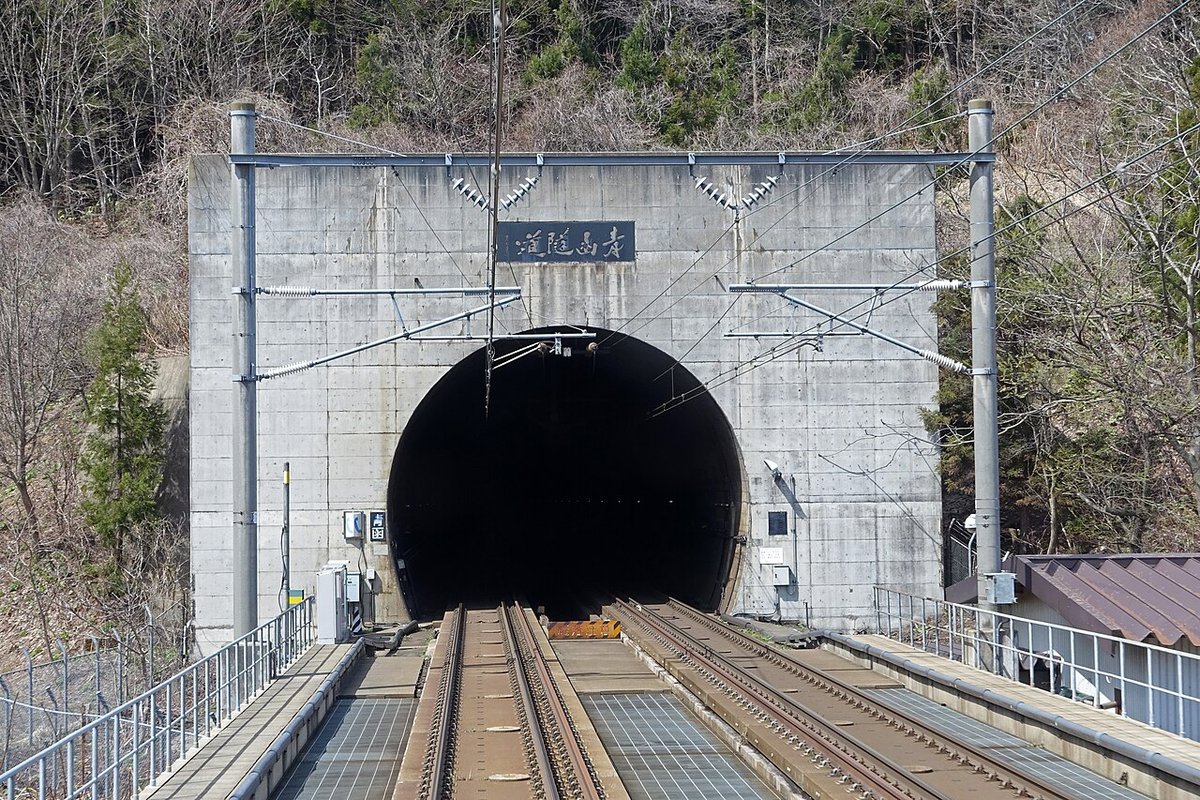
本州と北海道を海の下で結ぶ青函トンネルは、新幹線が走る部分の長さがおよそ54キロある。このトンネルの線路は、新幹線だけでなく、貨物列車も使っている。貨物列車は、北海道と本州の間で多くの荷物を運んでいて、この輸送は北海道の物流に欠かせない。
新幹線は、貨物列車とすれ違うことがある。そのとき、新幹線が速く走っていると、強い風が起きて、積んである荷物が崩れる心配がある。そのため、トンネルの中では、新幹線は時速160キロまで速度を落として走っている。
走る時間帯を分ける工夫
そこで考え出されたのが、新幹線と貨物列車が走る時間帯を区分するやり方だ。貨物列車が少ない時間に限って、新幹線だけが速く走れるようにする。年末年始は貨物列車の本数が少ないため、このやり方が使える。
この取り組みは、令和2年度の年末年始に、時速210キロで始まった。その後、段階的に速さを上げ、令和6年度のゴールデンウィークからは時速260キロで走っている。今回も、この取り組みを継続する。東京と新函館北斗の間は、ふだん最も速い列車で3時間57分かかる。速く走るのはトンネルの中だけなので、短くなる時間は数分だが、帰省する人が増える時期に、少しでも早く着けるのはうれしいことだ。
ただ、少なくとも今は、速く走れるのは貨物列車が少ない特別な期間だけだ。速く走れる日を増やすには、貨物をどう運ぶかという問題を解決しなければならない。新幹線と貨物列車の両方を大切にしながら、便利さを高めることを目指して、工夫が続いている。
Words in this article
The 53 words at JLPT N2 or above, and the specialist words that are on no JLPT list.
| Word | Reading | Meaning | JLPT |
|---|---|---|---|
| 北海道新幹線 | ほっかいどうしんかんせん | Hokkaido Shinkansen (bullet train line) | Not on JLPT lists |
| 新幹線 | しんかんせん | Shinkansen; bullet train | N2 |
| 年末年始 | ねんまつねんし | the year-end and New Year holidays | Not on JLPT lists |
| 青函トンネル | せいかんトンネル | Seikan Tunnel (between Honshu and Hokkaido) | Not on JLPT lists |
| 時速 | じそく | speed per hour (時速260キロ = 260 km/h) | N2 |
| ただし | however; but (a condition) | N2 | |
| 走れない | はしれない | cannot run (from 走る) | Not on JLPT lists |
| 本州 | ほんしゅう | Honshu (Japan's main island) | Not on JLPT lists |
| およそ | about; roughly | Not on JLPT lists | |
| 線路 | せんろ | railway track | N2 |
| 貨物列車 | かもつれっしゃ | freight train | Not on JLPT lists |
| 貨物 | かもつ | freight; cargo | N2 |
| 運んでいて | はこんでいて | is carrying, and (from 運ぶ) | Not on JLPT lists |
| 物流 | ぶつりゅう | distribution of goods; logistics | Not on JLPT lists |
| 欠かせない | かかせない | essential; indispensable | Not on JLPT lists |
| すれ違う | すれちがう | to pass each other (going opposite ways) | N2 |
| ことがある | sometimes (happens) | Not on JLPT lists | |
| そのとき | at that time; then | Not on JLPT lists | |
| 走っていると | はしっていると | when (it) is running (from 走る) | Not on JLPT lists |
| 積んである | つんである | has been loaded (from 積む) | Not on JLPT lists |
| 崩れる | くずれる | to collapse; to fall out of place | N2 |
| そのため | for that reason | Not on JLPT lists | |
| 時間帯 | じかんたい | time slot; time of day | Not on JLPT lists |
| 工夫 | くふう | device; clever idea | N2 |
| 考え出された | かんがえだされた | was thought up (from 考え出す) | Not on JLPT lists |
| やり方 | やりかた | way (of doing) | Not on JLPT lists |
| ようにする | to make it so that | Not on JLPT lists | |
| 本数 | ほんすう | number (of trains) | Not on JLPT lists |
| 使える | つかえる | can be used (from 使う) | Not on JLPT lists |
| 取り組み | とりくみ | effort; initiative | Not on JLPT lists |
| ゴールデンウィーク | Golden Week (holidays in early May) | Not on JLPT lists | |
| 新函館北斗 | しんはこだてほくと | Shin-Hakodate-Hokuto (station) | Not on JLPT lists |
| 数分 | すうふん | a few minutes | Not on JLPT lists |
| 帰省する | きせいする | to go back to one's hometown | Not on JLPT lists |
| 少しでも | すこしでも | even a little | Not on JLPT lists |
| 着ける | つける | can arrive (from 着く) | N2 |
| 解決しなければならない | かいけつしなければならない | must solve (from 解決する) | Not on JLPT lists |
| 大切にしながら | たいせつにしながら | while valuing (from 大切にする) | Not on JLPT lists |
| 輸送 | ゆそう | transport; shipping | N2 |
| 区分する | くぶんする | to divide; to separate into sections | N2 from 区分 |
| 区分 | くぶん | division; classification | N2 |
| その後 | そのご | after that | Not on JLPT lists |
| 段階的 | だんかいてき | step by step; gradual | Not on JLPT lists |
| 段階 | だんかい | stage; step | N2 |
| 上げ | あげ | raised, and (from 上げる) | Not on JLPT lists |
| 継続する | けいぞくする | to continue | N2 from 継続 |
| 継続 | けいぞく | continuation | N2 |
| 少なくとも | すくなくとも | at least | N2 |
| 走れる | はしれる | can run (from 走る) | Not on JLPT lists |
| 増やす | ふやす | to increase (something) | N2 |
| 便利さ | べんりさ | convenience | Not on JLPT lists |
| 高める | たかめる | to raise; to improve | N2 |
| 目指して | めざして | aiming at, and (from 目指す) | N2 from 目指す |
81 more words from lower levels, plus names, numbers and grammar
| Word | Reading | Meaning | JLPT |
|---|---|---|---|
| 国土交通省 | こくどこうつうしょう | Ministry of Land, Infrastructure, Transport and Tourism | Name |
| 6日間 | むいかかん | six days | Number |
| トンネル | tunnel | N3 | |
| 中 | なか | inside | N5 |
| 260キロ | にひゃくろくじゅっキロ | 260 kilometers | Number |
| 走る | はしる | to run (of a train) | N5 |
| 発表した | はっぴょうした | announced (past of 発表する) | N3 from 発表 |
| 期間 | きかん | period | N3 |
| まで | until; as far as | Grammar | |
| 朝 | あさ | morning | N5 |
| 最初 | さいしょ | first | N4 |
| 列車 | れっしゃ | train | N3 |
| 15時半ごろ | じゅうごじはんごろ | around 3:30 p.m. | Number |
| 間 | あいだ | while; during; between | N4 |
| 通る | とおる | to pass through | N4 |
| 対象 | たいしょう | subject; those covered | N3 |
| なる | to become | N5 | |
| 12時ごろ | じゅうにじごろ | around noon | Number |
| ふだん | usually; normally | N3 | |
| 160キロ | ひゃくろくじゅっキロ | 160 kilometers | Number |
| より | than | Grammar | |
| ずっと | much (more) | N3 | |
| 速い | はやい | fast | N5 |
| なぜ | why | N5 | |
| 速く | はやく | fast; quickly (from 速い) | N5 from 速い |
| 北海道 | ほっかいどう | Hokkaido | Name |
| 海 | うみ | sea | N5 |
| 下 | した | under; below | N5 |
| 結ぶ | むすぶ | to connect; to link | N3 |
| 部分 | ぶぶん | part; section | N3 |
| 長さ | ながさ | length | N5 from 長い |
| 54キロ | ごじゅうよんキロ | 54 kilometers | Number |
| ある | to be; to have | N5 | |
| この | this | N5 | |
| だけでなく | not only | Grammar | |
| 使っている | つかっている | is using (from 使う) | N5 from 使う |
| 多く | おおく | many; a lot of | N5 from 多い |
| 荷物 | にもつ | load; goods; baggage | N5 |
| 運ぶ | はこぶ | to carry; to transport | N4 |
| 強い | つよい | strong | N5 |
| 風 | かぜ | wind | N5 |
| 起きて | おきて | occurs, and (from 起きる) | N5 from 起きる |
| 心配 | しんぱい | worry; concern | N4 |
| 速度 | そくど | speed | N3 |
| 落として | おとして | lowering, and (from 落とす) | N4 from 落とす |
| 走っている | はしっている | is running (from 走る) | N5 from 走る |
| 分ける | わける | to separate; to divide | N3 |
| そこで | so; therefore | N3 | |
| 少ない | すくない | few | N5 |
| 時間 | じかん | time | Number |
| 限って | かぎって | limited to; only (from 限る) | N3 from 限る |
| だけ | only | Grammar | |
| ため | because | Grammar | |
| 令和2年度 | れいわにねんど | fiscal year Reiwa 2 (2020) | Number |
| 210キロ | にひゃくじゅっキロ | 210 kilometers | Number |
| 始まった | はじまった | began (past of 始まる) | N5 from 始まる |
| 令和6年度 | れいわろくねんど | fiscal year Reiwa 6 (2024) | Number |
| から | from | Grammar | |
| 今回 | こんかい | this time | N3 |
| 速さ | はやさ | speed | N5 from 速い |
| 東京 | とうきょう | Tokyo | Name |
| 最も | もっとも | most | N4 |
| 3時間57分 | さんじかんごじゅうななふん | 3 hours and 57 minutes | Number |
| かかる | to take (time) | N5 | |
| 短くなる | みじかくなる | to become shorter (from 短い) | N5 from 短い |
| 帰省 | きせい | returning home (for the holidays) | Name |
| 増える | ふえる | to increase | N4 |
| 時期 | じき | time; season | N3 |
| 早く | はやく | early; sooner (from 早い) | N5 from 早い |
| うれしい | happy; welcome | N4 | |
| こと | thing; matter | Grammar | |
| ただ | however; but | N3 | |
| 特別 | とくべつ | special | N4 |
| どう | how | N5 | |
| という | called; that | Grammar | |
| 問題 | もんだい | problem | N5 |
| 解決 | かいけつ | solution; settlement | N3 |
| 両方 | りょうほう | both | N4 |
| 大切 | たいせつ | important | N5 |
| 続いている | つづいている | is continuing (from 続く) | N4 from 続く |
| 今 | いま | now | N5 |
Questions
Try answering in Japanese, then open the answer to check yourself. In the reader, your answers and score are saved.
- 年末年始、青函トンネルの中で、新幹線は時速何キロで走りますか。ふだんは何キロですか。
Show answer
時速260キロで走ります。ふだんは時速160キロです。
It runs at 260 km/h. Normally it runs at 160 km/h.
- 速く走るのは、いつからいつまでですか。どの新幹線が対象になりますか。
Show answer
12月30日から1月4日までの6日間です。朝の最初の列車から15時半ごろまでの間にトンネルを通る新幹線が対象です。
For the six days from December 30 to January 4. The trains covered are the Shinkansen that pass through the tunnel from the first morning train until around 3:30 p.m.
- 青函トンネルの線路は、新幹線のほかに、何が使っていますか。
Show answer
貨物列車も使っています。
Freight trains use them too.
- ふだん、トンネルの中で新幹線が速度を落として走っているのは、なぜですか。
Show answer
貨物列車とすれ違うとき、新幹線が速く走っていると、強い風が起きて、積んである荷物が崩れる心配があるからです。
Because passing a freight train causes a strong wind, and the cargo loaded on it could collapse.
- 年末年始にこのやり方が使えるのは、なぜですか。
Show answer
年末年始は貨物列車の本数が少ないからです。
Because there are few freight trains over the New Year holidays.
- この取り組みは、いつ、どのように始まりましたか。
Show answer
令和2年度の年末年始に、時速210キロで始まりました。
It began over the New Year holidays of fiscal Reiwa 2, at 210 km/h.
- あなたは、遠くへ旅行するとき、新幹線と飛行機のどちらを使いたいですか。それはなぜですか。
Example answer
新幹線を使いたいです。駅が町の中にあって便利ですし、窓から景色を見ながら旅行できるからです。
I want to take the Shinkansen, because the stations are in the middle of town and convenient, and I can enjoy the view from the window while I travel.
If you're new to Japanese, the Textbook teaches it step by step from zero. If you can't read kana yet, start with Starter.
Start from zero Lesson 1 (N5)More N2 reading
- 宅配便、1年で51億6178万個に――増える荷物と足りない運転手 2026年11月17日
- 鳥インフルエンザ、今シーズンも野鳥から――国は監視を「レベル3」に 2026年11月11日
- 南極観測へ「しらせ」があす出発――冬を越すのは29人 2026年11月10日
- 夏のボーナス、平均44万8765円に――仕事の種類で金額に大きな差 2026年11月9日
- 「手書きの習慣は大切」が8割――縦書きを最も大事にするのは10代 2026年11月8日
- パックご飯やラムネの輸出も、貿易統計で正確に――9つの品目を新しく分ける 2026年11月7日