Reading › N2 › 渡り鳥の季節、鳥インフルエンザに注意――韓国の野鳥からウイルス
渡り鳥の季節、鳥インフルエンザに注意――韓国の野鳥からウイルス
Written for learners with AI assistance, based on: 環境省 · original source ↗
In the reader you can tap any word to see its reading, meaning and JLPT level, save the ones you don't know, and quiz yourself on them.
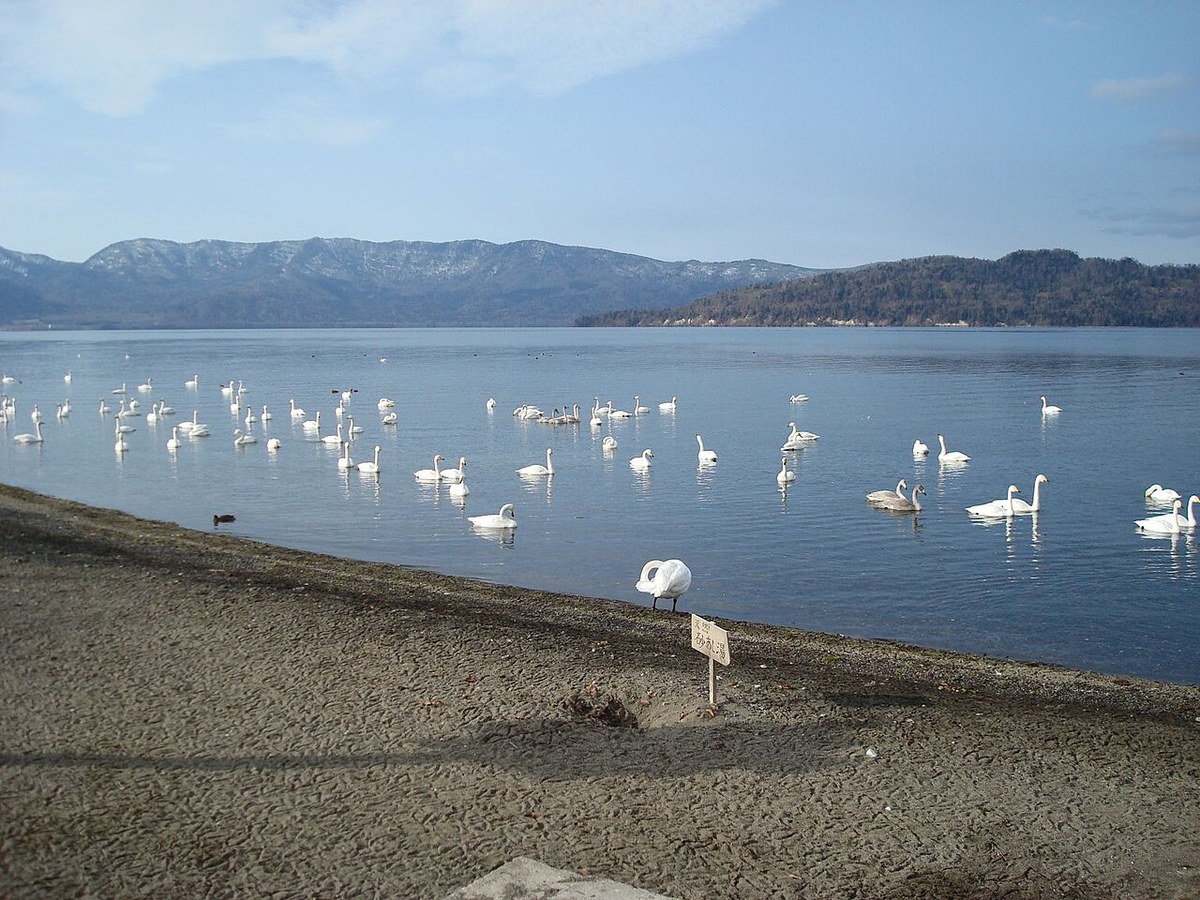
Open in the reader冬の渡り鳥が、日本にやって来る季節になった。それと一緒に心配されるのが、鳥インフルエンザだ。10月20日、韓国の南の海岸で10月12日に採った野鳥のふんから、このウイルスが見つかったと発表された。韓国では、渡り鳥が来始める9月以降、初めてのことだ。
韓国は日本のすぐ近くにあり、ウイルスを持った渡り鳥が日本にも飛んでくるかもしれない。そこで環境省は10月21日、全国の野鳥の対策のレベルを、普段の1から2に上げた。鳥インフルエンザの対策が、強化された。死んだ野鳥を調べるときの基準も、いくつかの鳥では厳しくなる。ただし、国内の野鳥からは、5月22日以降、ウイルスは見つかっていない。
前のシーズンは、10月から4月まで続いた
農林水産省によると、前のシーズンには、16の道府県の24か所で、ニワトリなどの鳥に鳥インフルエンザが出た。最初は10月22日、最後は4月22日で、とても長い間続いた。日本でニワトリなどに鳥インフルエンザが出たのは、6シーズン連続だった。
ウイルスが出たところでは、病気が広がるのを防ぐため、飼っている鳥をすべて殺さなければならない。前のシーズンにその対象になった鳥は、約576万羽だった。今までで最も多かったシーズンの1,771万羽より少ないが、その多くは卵を取るためのニワトリだった。国は、鳥インフルエンザが出たときにも、卵を安定して届けられるように、保存しやすい液体の卵を使うことを進めるなど、対策をまとめている。
死んだ鳥を見つけても、触らないで
世界でも、ウイルスが見つかる数が増えている。韓国の発表によると、外国の野鳥でウイルスが見つかった件数は、1月から8月までで、去年の1,432件から今年は2,957件に増えた。韓国は、ウイルスが見つかった地点から半径10キロの中で、ニワトリなどの移動を制限している。
環境省は、死んだ野鳥を見つけたら、自分では触らずに、県や市町村の役所に知らせるように呼びかけている。鳥インフルエンザは、病気の鳥とずっと一緒にいるような場合でなければ、人にはうつらないと考えられている。鳥のふんなどに触ったあとに、手洗いをして、うがいをすれば、必要以上に心配することはないという。
Words in this article
The 39 words at JLPT N2 or above, and the specialist words that are on no JLPT list.
| Word | Reading | Meaning | JLPT |
|---|---|---|---|
| 渡り鳥 | わたりどり | migratory bird | N1 |
| やって来る | やってくる | to come along; to arrive | Not on JLPT lists |
| なった | became (past of なる) | Not on JLPT lists | |
| 鳥インフルエンザ | とりインフルエンザ | bird flu; avian influenza | Not on JLPT lists |
| 採った | とった | collected (past of 採る) | N2 from 採る |
| 野鳥 | やちょう | wild bird | Not on JLPT lists |
| ふん | droppings | Not on JLPT lists | |
| ウイルス | virus | Not on JLPT lists | |
| 来始める | きはじめる | to begin to come | Not on JLPT lists |
| 以降 | いこう | since; from ... onward | N2 |
| すぐ | right; immediately | Not on JLPT lists | |
| 飛んでくる | とんでくる | to come flying | Not on JLPT lists |
| 対策 | たいさく | measures; countermeasures | N2 |
| レベル | level | N2 | |
| 強化された | きょうかされた | was strengthened (from 強化する) | N2 from 強化 |
| 強化 | きょうか | strengthening; reinforcement | N2 |
| 基準 | きじゅん | standard; criterion | N2 |
| ただし | however; but | N2 | |
| 国内 | こくない | within the country; domestic | Not on JLPT lists |
| シーズン | season | N2 | |
| ニワトリ | chicken | Not on JLPT lists | |
| 長い間 | ながいあいだ | for a long time | Not on JLPT lists |
| 殺さなければならない | ころさなければならない | must kill (from 殺す) | Not on JLPT lists |
| 今まで | いままで | until now | Not on JLPT lists |
| 保存しやすい | ほぞんしやすい | easy to store; keeps well | Not on JLPT lists |
| 液体 | えきたい | liquid | N2 |
| まとめている | has put together (from まとめる) | N2 from まとめる | |
| 見つけても | みつけても | even if (you) find (from 見つける) | Not on JLPT lists |
| 触らないで | さわらないで | don't touch (from 触る) | Not on JLPT lists |
| 件数 | けんすう | number of cases | Not on JLPT lists |
| 地点 | ちてん | spot; point | N2 |
| 半径 | はんけい | radius | N2 |
| 見つけたら | みつけたら | if (you) find (from 見つける) | Not on JLPT lists |
| 触らずに | さわらずに | without touching (from 触る) | Not on JLPT lists |
| 役所 | やくしょ | government office | N2 |
| 呼びかけている | よびかけている | is calling on (people) (from 呼びかける) | N2 from 呼びかける |
| うつらない | does not pass (to someone) (from うつる, to be infected) | Not on JLPT lists | |
| 手洗い | てあらい | hand washing | N2 |
| 必要以上に | ひつよういじょうに | more than necessary | Not on JLPT lists |
80 more words from lower levels, plus names, numbers and grammar
| Word | Reading | Meaning | JLPT |
|---|---|---|---|
| 冬 | ふゆ | winter | N5 |
| 日本 | にほん | Japan | Name |
| 季節 | きせつ | season | N4 |
| なる | to become | N5 | |
| 一緒に | いっしょに | together; along with | N5 from 一緒 |
| 心配される | しんぱいされる | is worried about (passive of 心配する) | N4 from 心配 |
| 心配する | しんぱいする | to worry | N4 from 心配 |
| 韓国 | かんこく | South Korea | Name |
| 南 | みなみ | south | N5 |
| 海岸 | かいがん | coast; seashore | N4 |
| 見つかった | みつかった | was found (past of 見つかる) | N4 from 見つかる |
| 見つかる | みつかる | to be found | N4 |
| 発表された | はっぴょうされた | was announced (from 発表する) | N3 from 発表 |
| 発表 | はっぴょう | announcement | N3 |
| 初めて | はじめて | for the first time | N5 |
| 近く | ちかく | near; close by | N5 |
| 持った | もった | carrying; having (past of 持つ) | N5 from 持つ |
| 環境省 | かんきょうしょう | Ministry of the Environment | Name |
| 全国 | ぜんこく | the whole country; nationwide | N3 |
| 普段 | ふだん | usually; normally | N3 |
| 上げた | あげた | raised (past of 上げる) | N5 from 上げる |
| 死んだ | しんだ | dead (past of 死ぬ) | N5 from 死ぬ |
| 調べる | しらべる | to examine; to check | N4 |
| 厳しく | きびしく | strict (adverb form of 厳しい) | N4 from 厳しい |
| 見つかっていない | みつかっていない | has not been found (from 見つかる) | N4 from 見つかる |
| 前 | まえ | previous; before | N5 |
| 続いた | つづいた | continued (past of 続く) | N4 from 続く |
| 農林水産省 | のうりんすいさんしょう | Ministry of Agriculture, Forestry and Fisheries | Name |
| よると | according to (によると) | N3 from よる | |
| 道府県 | どうふけん | prefectures (Hokkaido, Osaka, Kyoto and the rest) | Name |
| 24か所 | にじゅうよんかしょ | 24 places | Number |
| 出た | でた | broke out (past of 出る) | N5 from 出る |
| 最初 | さいしょ | first; the beginning | N4 |
| 最後 | さいご | last; the end | N4 |
| 連続 | れんぞく | in a row; consecutive | N3 |
| 広がる | ひろがる | to spread | N3 |
| 防ぐ | ふせぐ | to prevent | N3 |
| 飼っている | かっている | keep; raise (animals) (from 飼う) | N3 from 飼う |
| すべて | all | N3 | |
| 対象 | たいしょう | target; subject (of) | N3 |
| 約 | やく | about; approximately | N3 |
| 576万羽 | ごひゃくななじゅうろくまんわ | 5.76 million birds | Number |
| 最も | もっとも | most | N4 |
| 多かった | おおかった | was the most; was many (past of 多い) | N5 from 多い |
| 1,771万羽 | せんななひゃくななじゅういちまんわ | 17.71 million birds | Number |
| 少ない | すくない | few; fewer | N5 |
| 卵 | たまご | egg | N5 |
| 取る | とる | to get; to take | N5 |
| 多く | おおく | many | N5 from 多い |
| 国 | くに | country; the national government | N5 |
| 安定して | あんていして | steadily; in a stable way | N3 from 安定 |
| 届けられる | とどけられる | can deliver (from 届ける) | N4 from 届ける |
| 使う | つかう | to use | N5 |
| 進める | すすめる | to promote; to push forward | N3 |
| 世界 | せかい | the world | N4 |
| 数 | かず | number | N3 |
| 増えている | ふえている | is increasing (from 増える) | N4 from 増える |
| 外国 | がいこく | foreign countries | N5 |
| 去年 | きょねん | last year | N5 |
| 1,432件 | せんよんひゃくさんじゅうにけん | 1,432 cases | Number |
| 今年 | ことし | this year | N5 |
| 2,957件 | にせんきゅうひゃくごじゅうななけん | 2,957 cases | Number |
| 増えた | ふえた | increased (past of 増える) | N4 from 増える |
| 10キロ | じゅっキロ | 10 kilometers | Number |
| 中 | なか | inside; within | N5 |
| 移動 | いどう | movement; moving | N3 |
| 制限している | せいげんしている | is restricting (from 制限する) | N3 from 制限 |
| 自分 | じぶん | oneself | N5 |
| 県 | けん | prefecture | N3 |
| 市町村 | しちょうそん | cities, towns and villages | Name |
| 知らせる | しらせる | to inform; to report | N4 |
| 病気 | びょうき | illness; disease | N5 |
| 鳥 | とり | bird | N5 |
| ずっと | all the time; continuously | N3 | |
| 場合 | ばあい | case; situation | N4 |
| 考えられている | かんがえられている | is thought (from 考える) | N4 from 考える |
| 触った | さわった | touched (past of 触る) | N4 from 触る |
| うがい | gargling | N3 | |
| 注意 | ちゅうい | caution; attention | N4 |
| 必要 | ひつよう | necessary | N4 |
Questions
Try answering in Japanese, then open the answer to check yourself. In the reader, your answers and score are saved.
- 韓国では、何からウイルスが見つかりましたか。
Show answer
韓国の南の海岸で採った野鳥のふんから見つかりました。
It was found in droppings from wild birds collected on the southern coast of South Korea.
- 環境省は、10月21日に何をしましたか。
Show answer
全国の野鳥の対策のレベルを、普段の1から2に上げました。
It raised the nationwide response level for wild birds from the usual 1 to 2.
- なぜ韓国でウイルスが見つかると、日本も注意する必要があるのですか。
Show answer
韓国は日本のすぐ近くにあり、ウイルスを持った渡り鳥が日本にも飛んでくるかもしれないからです。
Because South Korea is very close to Japan, and migratory birds carrying the virus may fly to Japan too.
- 前のシーズン、日本で鳥インフルエンザが出たのは、いつからいつまでですか。
Show answer
最初は10月22日、最後は4月22日です。
From October 22 (the first case) to April 22 (the last case).
- 卵を安定して届けるために、国はどんなことを進めていますか。
Show answer
保存しやすい液体の卵を使うことを進めています。
It is promoting the use of liquid egg, which keeps more easily.
- 死んだ野鳥を見つけたら、どうすればいいですか。
Show answer
自分では触らずに、県や市町村の役所に知らせます。
Don't touch it yourself; tell the prefectural or city, town or village office.
- あなたの国では、鳥インフルエンザのような動物の病気を防ぐために、どんな対策がありますか。
Example answer
(例)私の国では、鳥インフルエンザが出ると、ニワトリを飼っているところの周りで、車の消毒をします。
(Example) In my country, when bird flu breaks out, cars are disinfected around the farm.
If you're new to Japanese, the Textbook teaches it step by step from zero. If you can't read kana yet, start with Starter.
Start from zero Lesson 1 (N5)More N2 reading
- 宅配便、1年で51億6178万個に――増える荷物と足りない運転手 2026年11月17日
- 鳥インフルエンザ、今シーズンも野鳥から――国は監視を「レベル3」に 2026年11月11日
- 南極観測へ「しらせ」があす出発――冬を越すのは29人 2026年11月10日
- 夏のボーナス、平均44万8765円に――仕事の種類で金額に大きな差 2026年11月9日
- 「手書きの習慣は大切」が8割――縦書きを最も大事にするのは10代 2026年11月8日
- パックご飯やラムネの輸出も、貿易統計で正確に――9つの品目を新しく分ける 2026年11月7日