Reading › N5 › 動物園で、トラの子どもが生まれました
動物園で、トラの子どもが生まれました
Written for learners with AI assistance, based on: 多摩動物公園(東京ズーネット) · original source ↗
In the reader you can tap any word to see its reading, meaning and JLPT level, save the ones you don't know, and quiz yourself on them.
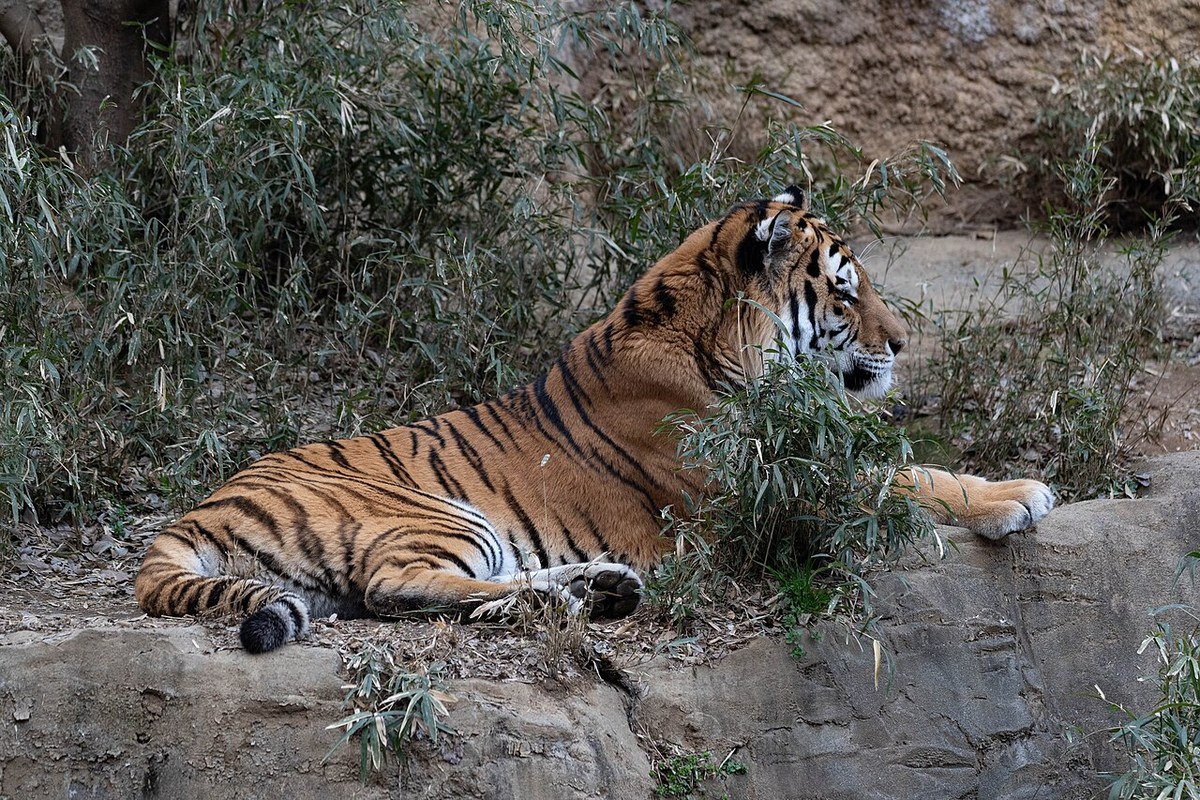
Open in the reader東京に、多摩動物公園という動物園があります。この動物園で、トラの子どもが生まれました。5月2日の土曜日に、2頭生まれました。名前は「ヒバナ」と「ツボミ」です。
お母さんの名前は「イチ」で、お父さんは「アルチョム」です。お母さんもお父さんも、11歳です。アルチョムは、ドイツで生まれました。
ここで、トラの子どもが生まれたのは、2年ぶりです。子どもたちは、今まで、寝る部屋の中で、お母さんといっしょにいました。
11月1日の日曜日から、みんなが子どもたちを見ることができます。時間は、午前9時半から午後4時までです。でも、子どもたちは、ときどき寝る部屋へ帰ります。そのときは、見ることができません。
トラの子どもを見るときは、静かにしてください。同じところで、長い時間、写真を撮らないでください。
多摩動物公園には、トラが全部で5頭います。去年の12月、日本の23の動物園に、トラは47頭いました。
Words in this article
The 43 words at JLPT N5 or above, and the specialist words that are on no JLPT list.
| Word | Reading | Meaning | JLPT |
|---|---|---|---|
| 多摩動物公園 | たまどうぶつこうえん | Tama Zoological Park (zoo in Tokyo) | Not on JLPT lists |
| 動物園 | どうぶつえん | zoo | N4 |
| あります | there is (polite of ある) | N5 from ある | |
| この | this | N5 | |
| トラ | tiger | Not on JLPT lists | |
| 子ども | こども | child; young animal; cub | Not on JLPT lists |
| 生まれました | うまれました | was born (past; polite of 生まれる) | N5 from 生まれる |
| 土曜日 | どようび | Saturday | N5 |
| 名前 | なまえ | name | N5 |
| お母さん | おかあさん | mother | N5 |
| お父さん | おとうさん | father | N5 |
| ドイツ | Germany | Not on JLPT lists | |
| ここ | here | N5 | |
| 子どもたち | こどもたち | children; the cubs | Not on JLPT lists |
| 今まで | いままで | until now | Not on JLPT lists |
| 寝る | ねる | to sleep | N5 |
| 部屋 | へや | room | N5 |
| 中 | なか | inside; in | N5 |
| いっしょに | together | N5 from いっしょ | |
| 日曜日 | にちようび | Sunday | N5 |
| みんな | everyone | N5 | |
| 見る | みる | to see; to look at | N5 |
| 午前 | ごぜん | morning; a.m. | N5 |
| 半 | はん | half; half past | N5 |
| 午後 | ごご | afternoon; p.m. | N5 |
| でも | but | N5 | |
| ときどき | sometimes | N5 | |
| 帰ります | かえります | go back (polite of 帰る) | N5 from 帰る |
| その | that | N5 | |
| とき | time; when | Not on JLPT lists | |
| ことができません | cannot (do) | Not on JLPT lists | |
| 静か | しずか | quiet | N5 |
| 静かに | しずかに | quietly | N5 from 静か |
| 生まれた | うまれた | was born (from 生まれる) | Not on JLPT lists |
| 同じ | おなじ | same | N5 |
| ところ | place | N5 | |
| 長い | ながい | long | N5 |
| 写真 | しゃしん | photo | N5 |
| 撮らないでください | とらないでください | please do not take (a photo) (from 撮る) | Not on JLPT lists |
| には | in; at (with emphasis) | Not on JLPT lists | |
| 全部で | ぜんぶで | in all; in total | N5 from 全部 |
| 去年 | きょねん | last year | N5 |
| 動物 | どうぶつ | animal | N5 |
27 more words from lower levels, plus names, numbers and grammar
| Word | Reading | Meaning | JLPT |
|---|---|---|---|
| 東京 | とうきょう | Tokyo | Name |
| に | in; at; on; to | Grammar | |
| という | called; named | Grammar | |
| が | (subject marker) | Grammar | |
| で | at; in; is, and | Grammar | |
| の | 's; of | Grammar | |
| 2頭 | にとう | 2 (animals) | Number |
| は | (topic marker) | Grammar | |
| と | and; with | Grammar | |
| です | is; am; are (polite) | Grammar | |
| も | also; too | Grammar | |
| のは | the fact that (turns a clause into the topic) | Grammar | |
| ぶり | for the first time in (a period) | Grammar | |
| いました | was; were (animals, people) (polite past of いる) | Grammar | |
| から | from; because | Grammar | |
| を | (object marker) | Grammar | |
| ことができます | can (do) | Grammar | |
| 時間 | じかん | time; hours | Number |
| まで | until; to | Grammar | |
| へ | to; toward | Grammar | |
| 9時半 | くじはん | half past 9 | Number |
| して | doing (from する) | Grammar | |
| ください | please | Grammar | |
| 5頭 | ごとう | 5 (animals) | Number |
| います | there is; there are (animals, people) (polite of いる) | Grammar | |
| 日本 | にほん | Japan | Name |
| 47頭 | よんじゅうななとう | 47 (animals) | Number |
Questions
Try answering in Japanese, then open the answer to check yourself. In the reader, your answers and score are saved.
- トラの子どもは、いつ生まれましたか。
Show answer
5月2日の土曜日に生まれました。
They were born on Saturday, May 2.
- 子どもたちの名前は、何ですか。
Show answer
「ヒバナ」と「ツボミ」です。
Hibana and Tsubomi.
- 11月1日から、何ができますか。時間は、何時から何時までですか。
Show answer
みんなが子どもたちを見ることができます。午前9時半から午後4時までです。
Everyone can see the cubs. From 9:30 a.m. to 4 p.m.
- どうして、子どもたちを見ることができないときがありますか。
Show answer
子どもたちは、ときどき寝る部屋へ帰るからです。
Because the cubs sometimes go back to their sleeping room.
- あなたは、動物園で、どの動物を見たいですか。どうしてですか。
Example answer
わたしは、トラの子どもを見たいです。トラが好きだからです。
I want to see the tiger cubs, because I like tigers.
If you're new to Japanese, the Textbook teaches it step by step from zero. If you can't read kana yet, start with Starter.
Start from zero Lesson 1 (N5)More N5 reading
- 18日の朝、流れ星を見ませんか 2026年11月17日
- 夜の東の空で、火星と木星が近くに 2026年11月11日
- 冬のカニを取る仕事が始まりました 2026年11月10日
- 11月9日は「119番の日」です 2026年11月9日
- 11月8日は「いい歯の日」です 2026年11月8日
- 七五三で、子どもが神社へ行きます 2026年11月7日