Reading › N5 › 冬のカニを取る仕事が始まりました
冬のカニを取る仕事が始まりました
Written for learners with AI assistance, based on: サンテレビニュース · original source ↗
In the reader you can tap any word to see its reading, meaning and JLPT level, save the ones you don't know, and quiz yourself on them.
Open in the reader11月6日、日本海でカニを取る仕事が始まりました。カニは、冬のおいしい食べ物です。
兵庫県の浜坂では、夜に海へ出た人たちが、朝、帰ってきました。大きいカニが、たくさんありました。
この海の大きいカニは、「マツバガニ」と言います。冬の、高い食べ物です。
その朝、店の人たちが、大きい声でカニを買いました。一番高いカニは、1匹50万円でした。
マツバガニを取る仕事は、来年の3月20日までです。メスのカニの「セコガニ」を取る仕事は、もっと早く終わります。
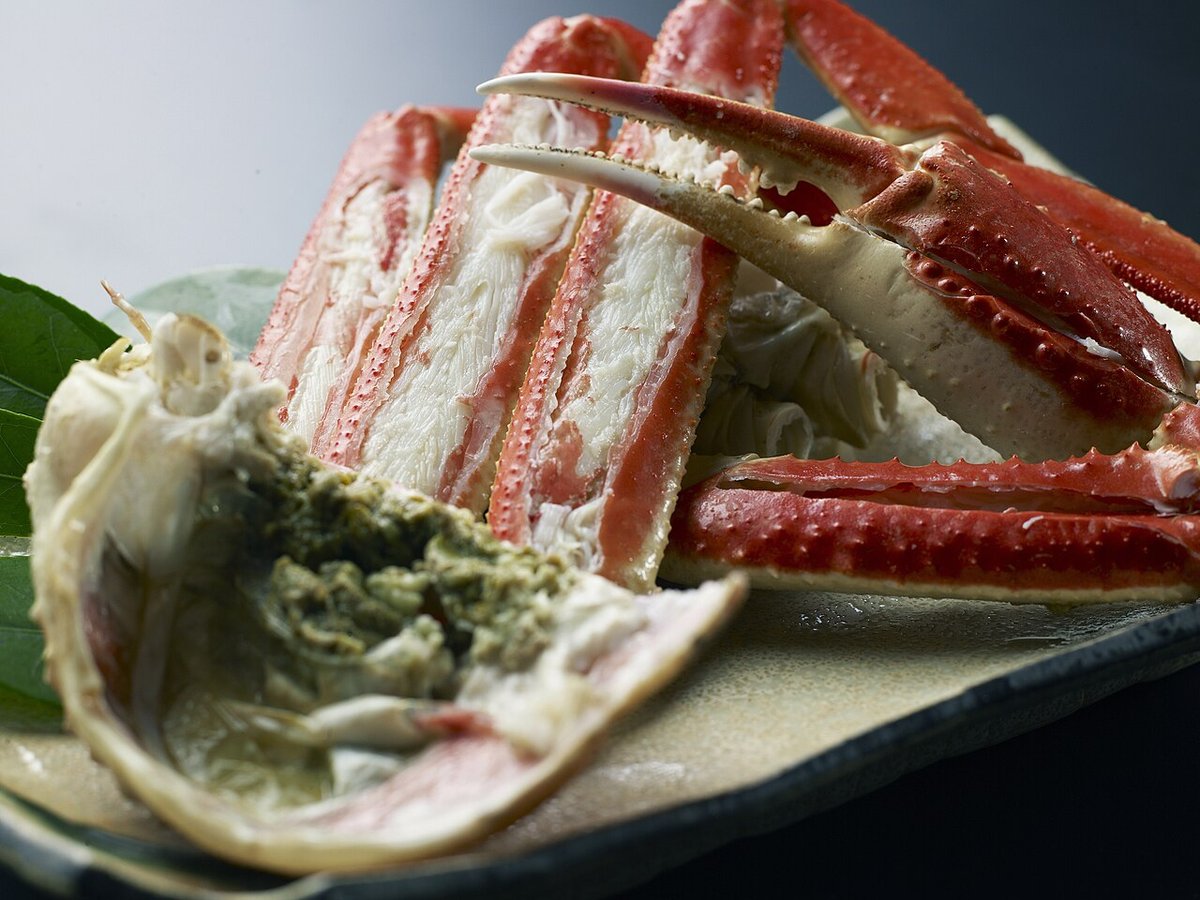
カニは、ゆでると、赤くなります。大きいお皿に赤いカニがあると、とてもきれいです。冬は、家庭でカニを食べる人も多いです。
Words in this article
The 48 words at JLPT N5 or above, and the specialist words that are on no JLPT list.
| Word | Reading | Meaning | JLPT |
|---|---|---|---|
| 日本海 | にほんかい | the Sea of Japan | Not on JLPT lists |
| カニ | crab | Not on JLPT lists | |
| 取る | とる | to catch; to take | N5 |
| 仕事 | しごと | work; job | N5 |
| 始まりました | はじまりました | began; started (polite past of 始まる) | N5 from 始まる |
| 冬 | ふゆ | winter | N5 |
| おいしい | delicious; tasty | N5 | |
| 食べ物 | たべもの | food | N5 |
| 浜坂 | はまさか | Hamasaka (a fishing town in Hyogo) | Not on JLPT lists |
| では | in; at (topic) | N5 | |
| 夜 | よる | night | N5 |
| 海 | うみ | sea | N5 |
| 出た | でた | went out (plain past of 出る) | N5 from 出る |
| 人たち | ひとたち | people | Not on JLPT lists |
| 朝 | あさ | morning | N5 |
| 帰ってきました | かえってきました | came back (polite past of 帰ってくる) | Not on JLPT lists |
| 大きい | おおきい | big | N5 |
| たくさん | a lot; many | N5 | |
| ありました | there were (polite past of ある) | N5 from ある | |
| ある | to be; to exist (things) | N5 | |
| この | this | N5 | |
| 「マツバガニ」 | マツバガニ | Matsuba crab (male snow crab caught off western Japan) | Not on JLPT lists |
| マツバガニ | Matsuba crab (male snow crab caught off western Japan) | Not on JLPT lists | |
| 言います | いいます | is called; says (polite of 言う) | N5 from 言う |
| 高い | たかい | expensive; high | N5 |
| その | that | N5 | |
| 店 | みせ | shop; store | N5 |
| 声 | こえ | voice | N5 |
| 買いました | かいました | bought (polite past of 買う) | N5 from 買う |
| 一番 | いちばん | the most; number one | N5 |
| 来年 | らいねん | next year | N5 |
| メス | female (animal) | Not on JLPT lists | |
| 「セコガニ」 | セコガニ | Seko crab (female snow crab) | Not on JLPT lists |
| セコガニ | Seko crab (female snow crab) | Not on JLPT lists | |
| もっと | more | N5 | |
| 早く | はやく | earlier; early (from 早い) | N5 from 早い |
| 終わります | おわります | ends (polite of 終わる) | N5 from 終わる |
| ゆでる | to boil (food) | Not on JLPT lists | |
| 赤く | あかく | red (adverb form of 赤い) | N5 from 赤い |
| なります | becomes (polite of なる) | N5 from なる | |
| お皿 | おさら | plate; dish | N5 |
| 赤い | あかい | red | N5 |
| とても | very | N5 | |
| きれい | pretty; beautiful | N5 | |
| 家庭 | かてい | home; household | N5 |
| 食べる | たべる | to eat | N5 |
| 多い | おおい | many; a lot | N5 |
| 多いです | おおいです | are many (polite) | N5 from 多い |
14 more words from lower levels, plus names, numbers and grammar
| Word | Reading | Meaning | JLPT |
|---|---|---|---|
| で | in; at; with | Grammar | |
| を | (object marker) | Grammar | |
| が | (subject marker) | Grammar | |
| は | (topic marker) | Grammar | |
| の | 's; of | Grammar | |
| です | is; am; are (polite) | Grammar | |
| 兵庫県 | ひょうごけん | Hyogo Prefecture | Name |
| に | at; in; on | Grammar | |
| へ | to; toward | Grammar | |
| と | (quoting) that; as | Grammar | |
| 1匹 | いっぴき | one (animal) | Number |
| でした | was (polite past of です) | Grammar | |
| まで | until | Grammar | |
| も | also; too | Grammar |
Questions
Try answering in Japanese, then open the answer to check yourself. In the reader, your answers and score are saved.
- カニを取る仕事は、いつ始まりましたか。
Show answer
11月6日に始まりました。
It began on November 6.
- 浜坂では、朝、何がありましたか。
Show answer
大きいカニが、たくさんありました。
There were a lot of big crabs.
- 一番高いカニは、いくらでしたか。
Show answer
1匹50万円でした。
It was 500,000 yen for one crab.
- マツバガニを取る仕事は、いつまでですか。
Show answer
来年の3月20日までです。
Until March 20 next year.
- カニは、ゆでると、どうなりますか。
Show answer
赤くなります。
It turns red.
- あなたはカニを食べたことがありますか。どうでしたか。
Example answer
はい、あります。家族と食べました。とてもおいしかったです。
Yes. I ate it with my family. It was very delicious.
If you're new to Japanese, the Textbook teaches it step by step from zero. If you can't read kana yet, start with Starter.
Start from zero Lesson 1 (N5)More N5 reading
- 18日の朝、流れ星を見ませんか 2026年11月17日
- 夜の東の空で、火星と木星が近くに 2026年11月11日
- 11月9日は「119番の日」です 2026年11月9日
- 11月8日は「いい歯の日」です 2026年11月8日
- 七五三で、子どもが神社へ行きます 2026年11月7日
- いちょうの道で、お祭りがあります 2026年11月6日