古い服で、京都の町を歩きます
Written for learners with AI assistance, based on: 京都市観光協会(京都観光Navi) · original source ↗
In the reader you can tap any word to see its reading, meaning and JLPT level, save the ones you don't know, and quiz yourself on them.
Open in the reader10月22日に、京都で「時代祭」があります。時代祭は、平安神宮の大きいお祭りです。
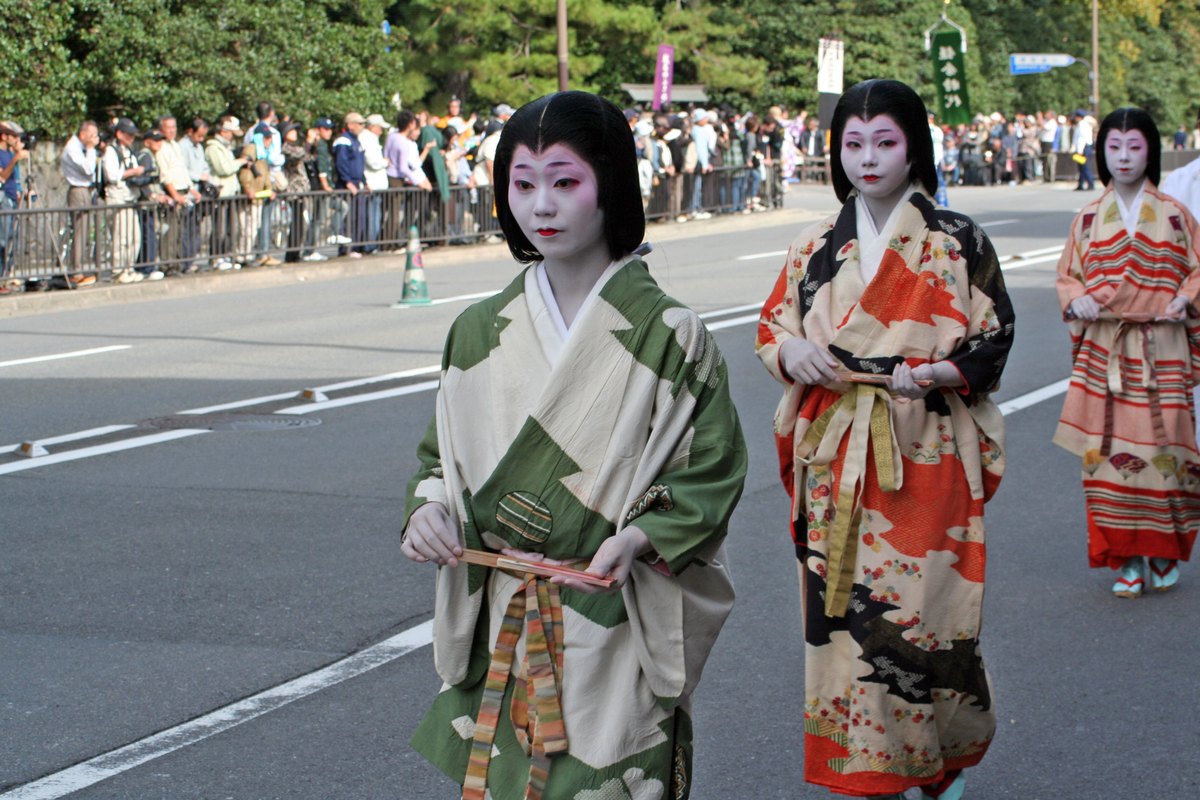
時代祭では、2000人ぐらいの京都の人が、町を歩きます。みんな、古い服を着ています。今の洋服ではありません。京都の1000年の服です。
時代祭は、1895年に始まりました。1895年は、京都が日本の一番大切な町になって、1100年の年でした。その年の秋に、はじめて、古い服の人たちが町を歩きました。
歩く人たちの前のほうは、新しい服です。後ろへ行くと、服がだんだん古くなります。学校の本に出る有名な人の服を着て、歩く人もいます。
歩く人たちは、12時に京都御所を出ます。そして、午後2時30分ごろ、平安神宮に着きます。全部を見ると、2時間ぐらいかかります。雨のときは、お祭りは一日遅くなります。
時代祭を見ると、京都の1000年が、目でわかります。秋の京都で、古い服の人たちを見ませんか。
Words in this article
The 52 words at JLPT N5 or above, and the specialist words that are on no JLPT list.
| Word | Reading | Meaning | JLPT |
|---|---|---|---|
| 時代祭 | じだいまつり | Jidai Matsuri (Festival of the Ages, Kyoto) | Not on JLPT lists |
| あります | there is; is held (polite of ある) | N5 from ある | |
| 平安神宮 | へいあんじんぐう | Heian Shrine (in Kyoto) | Not on JLPT lists |
| 大きい | おおきい | big | N5 |
| お祭り | おまつり | festival | N4 |
| 有名 | ゆうめい | famous | N5 |
| その | that; its | N5 | |
| では | at; in (as the topic) | N5 | |
| 町 | まち | town; city streets | N5 |
| 歩きます | あるきます | walk (polite of 歩く) | N5 from 歩く |
| 歩く | あるく | to walk | N5 |
| みんな | everyone; all | N5 | |
| 古い | ふるい | old | N5 |
| 服 | ふく | clothes | N5 |
| 着ています | きています | is wearing (polite of 着る) | N5 from 着る |
| 今 | いま | now; today | N5 |
| 洋服 | ようふく | Western-style clothes | N5 |
| ではありません | is not | Not on JLPT lists | |
| 始まりました | はじまりました | began (polite of 始まる) | N5 from 始まる |
| 一番 | いちばん | most; number one | N5 |
| 大切 | たいせつ | important | N5 |
| になって | became, and (from になる) | Not on JLPT lists | |
| 秋 | あき | autumn; fall | N5 |
| はじめて | for the first time | N5 | |
| 人たち | ひとたち | people | Not on JLPT lists |
| 歩きました | あるきました | walked (polite of 歩く) | N5 from 歩く |
| 前 | まえ | front | N5 |
| ほう | side; part | N5 | |
| 新しい | あたらしい | new | N5 |
| 後ろ | うしろ | back; behind | N5 |
| 行く | いく | to go | N5 |
| だんだん | little by little | N5 | |
| 古く | ふるく | old (adverb form of 古い) | N5 from 古い |
| なります | become (polite of なる) | N5 from なる | |
| 学校 | がっこう | school | N5 |
| 本 | ほん | book | N5 |
| 出る | でる | to appear; to come out | N5 |
| 着て | きて | wearing, and (te-form of 着る) | N5 from 着る |
| 京都御所 | きょうとごしょ | Kyoto Imperial Palace | Not on JLPT lists |
| 出ます | でます | leave (polite of 出る) | N5 from 出る |
| そして | and then | N5 | |
| 午後 | ごご | p.m.; afternoon | N5 |
| 着きます | つきます | arrive (polite of 着く) | N5 from 着く |
| 全部 | ぜんぶ | all; everything | N5 |
| 見る | みる | to see; to watch | N5 |
| かかります | takes (time) (polite of かかる) | N5 from かかる | |
| 雨 | あめ | rain | N5 |
| とき | when; time | Not on JLPT lists | |
| 遅く | おそく | late (adverb form of 遅い) | N5 from 遅い |
| 目 | め | eye; eyes | N5 |
| 見ませんか | みませんか | won't you see? (an invitation) | N5 from 見る |
| わかります | can tell; understand (polite of わかる) | N5 from わかる |
19 more words from lower levels, plus names, numbers and grammar
| Word | Reading | Meaning | JLPT |
|---|---|---|---|
| に | on; at; to | Grammar | |
| 京都 | きょうと | Kyoto | Name |
| で | in; at; by | Grammar | |
| が | (subject marker) | Grammar | |
| は | (topic marker) | Grammar | |
| の | of; 's | Grammar | |
| です | is | Grammar | |
| な | (links an adjective) | Grammar | |
| も | also; too | Grammar | |
| ぐらい | about; around | Grammar | |
| を | (object marker; through) | Grammar | |
| 日本 | にほん | Japan | Name |
| でした | was (polite past of です) | Grammar | |
| へ | to; toward | Grammar | |
| と | when; if; and; with | Grammar | |
| います | there are (people) (polite of いる) | Grammar | |
| ごろ | around (a time) | Grammar | |
| 2時間 | にじかん | two hours | Number |
| 一日 | いちにち | one day | Number |
Questions
Try answering in Japanese, then open the answer to check yourself. In the reader, your answers and score are saved.
- 時代祭は、何月何日にありますか。
Show answer
10月22日にあります。
On October 22.
- 時代祭では、何人ぐらいの人が町を歩きますか。
Show answer
2000人ぐらいの人が歩きます。
About 2,000 people.
- 時代祭は、何年に始まりましたか。
Show answer
1895年に始まりました。
It began in 1895.
- 歩く人たちの服は、前から後ろへ、どうなりますか。
Show answer
前のほうは新しい服で、後ろへ行くと、服がだんだん古くなります。
The people at the front wear newer clothes, and the clothes get older and older toward the back.
- あなたは、時代祭で、何の服を見たいですか。どうしてですか。
Example answer
わたしは、一番古い服を見たいです。とても古い日本の服を、見たことがありませんから。
I want to see the oldest clothes, because I have never seen very old Japanese clothes.
If you're new to Japanese, the Textbook teaches it step by step from zero. If you can't read kana yet, start with Starter.
Start from zero Lesson 1 (N5)More N5 reading
- 唐津の町で、大きな曳山を引きます 2026年10月30日
- 自転車で、海の上の橋を走ります 2026年10月29日
- 神保町の道に、古本がたくさん並びます 2026年10月28日
- 富士山の初冠雪、今年から新しいやり方で 2026年10月27日
- 文化の日に、博物館へ行きませんか 2026年10月26日
- サケが、あまり帰ってきません 2026年10月25日