Reading › N4 › 舞鶴の古い町並みが、国に選ばれます
舞鶴の古い町並みが、国に選ばれます
Written for learners with AI assistance, based on: 文化庁 · original source ↗
In the reader you can tap any word to see its reading, meaning and JLPT level, save the ones you don't know, and quiz yourself on them.
Open in the reader京都府の舞鶴市に、吉原という古い町があります。海の近くの町で、昔から、魚をとる人たちが住んでいます。
10月16日に、文化庁が知らせました。国は、この町並みを選びます。国は、古い家や道がよく残っている町を選んで、大切にしています。吉原が入ると、このような町は、日本に131か所になります。
吉原の町は、1727年の大きな火事で焼けました。その次の年に、町の人たちは、今の場所に引っ越しました。それから、町は少しずつ大きくなりました。
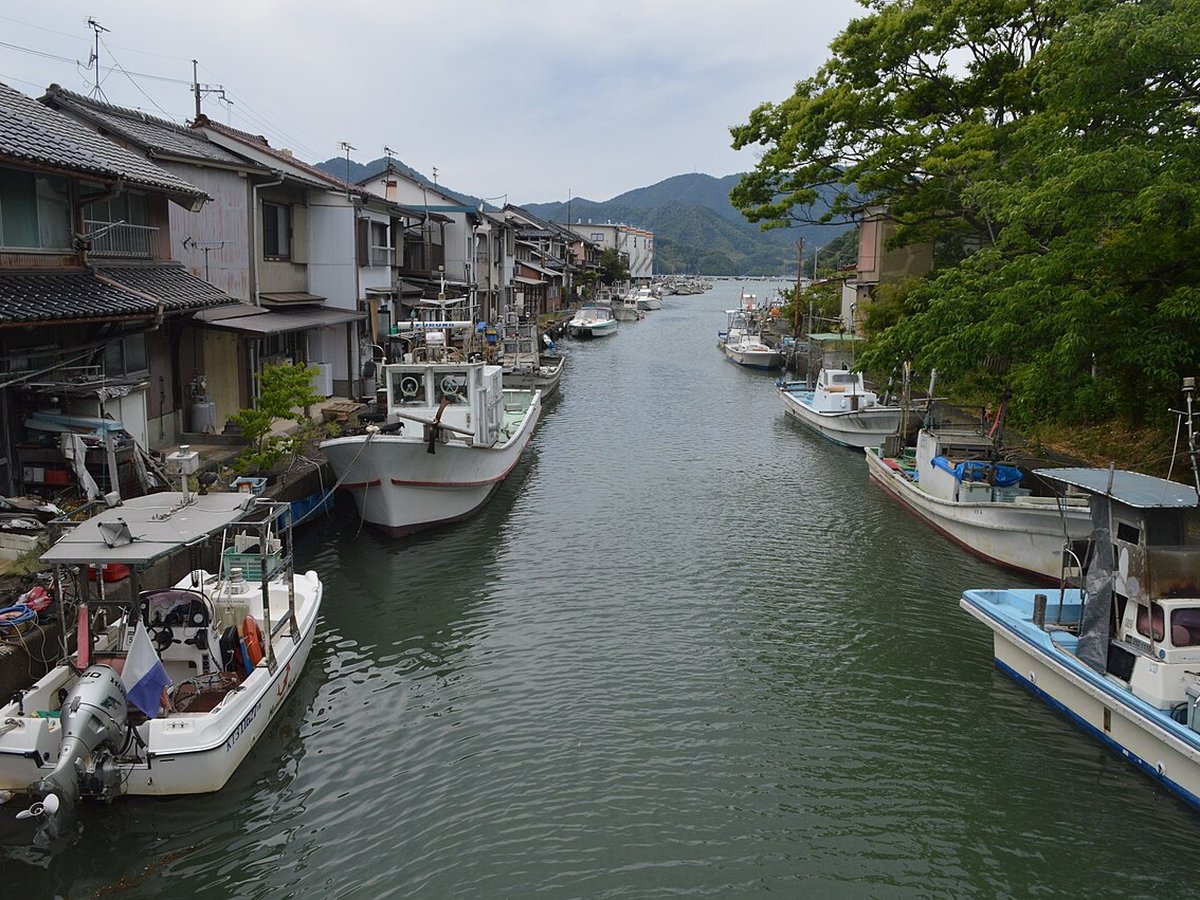
町の真ん中には、海の水が入ってくる、細長い川のようなところがあります。表の道には、同じような形の古い家が並んでいます。家の後ろには、船を入れる「舟屋」があります。
町の長さは、北から南まで550メートルぐらい、東から西まで130メートルぐらいです。そこに、古い建物が165あります。昔の道の形も、今までよく残っています。
細い道を歩いて、船や舟屋を見ると、魚をとる町の昔の生活がよく分かります。
Words in this article
The 32 words at JLPT N4 or above, and the specialist words that are on no JLPT list.
| Word | Reading | Meaning | JLPT |
|---|---|---|---|
| 吉原 | よしはら | Yoshihara (old district of Maizuru) | Not on JLPT lists |
| があります | there is | Not on JLPT lists | |
| 昔 | むかし | long ago; old times | N4 |
| とる | to catch; to take | Not on JLPT lists | |
| 人たち | ひとたち | people | Not on JLPT lists |
| 住んでいます | すんでいます | live (polite of 住む) | Not on JLPT lists |
| 知らせました | しらせました | announced; let (people) know (polite past of 知らせる) | N4 from 知らせる |
| 町並み | まちなみ | townscape; row of houses along a street | Not on JLPT lists |
| 選ばれます | えらばれます | will be chosen (polite passive of 選ぶ) | Not on JLPT lists |
| 選びます | えらびます | will choose (polite of 選ぶ) | N4 from 選ぶ |
| 残っている | のこっている | remaining; still left (from 残る) | N4 from 残る |
| 選んで | えらんで | choosing (te-form of 選ぶ) | N4 from 選ぶ |
| 大切にしています | たいせつにしています | takes good care of (from 大切にする) | Not on JLPT lists |
| このような | like this; this kind of | Not on JLPT lists | |
| 火事 | かじ | fire (in a building) | N4 |
| 焼けました | やけました | burned (polite past of 焼ける) | N4 from 焼ける |
| 場所 | ばしょ | place | N4 |
| 引っ越しました | ひっこしました | moved (house) (polite past of 引っ越す) | N4 from 引っ越す |
| 少しずつ | すこしずつ | little by little | Not on JLPT lists |
| 大きくなりました | おおきくなりました | became bigger | Not on JLPT lists |
| 真ん中 | まんなか | middle; center | N4 |
| には | in; at (with emphasis) | Not on JLPT lists | |
| 入ってくる | はいってくる | to come in | Not on JLPT lists |
| 細長い | ほそながい | long and narrow | Not on JLPT lists |
| 表 | おもて | front; the front side | N4 |
| 形 | かたち | shape; form | N4 |
| 並んでいます | ならんでいます | stand in a row (from 並ぶ) | Not on JLPT lists |
| 船 | ふね | boat; ship | N4 |
| 舟屋 | ふなや | boathouse (a shed over the water for keeping boats) | Not on JLPT lists |
| 今まで | いままで | until now; so far | Not on JLPT lists |
| 残っています | のこっています | remains; is still left (from 残る) | N4 from 残る |
| 生活 | せいかつ | life; daily life | N4 |
58 more words from lower levels, plus names, numbers and grammar
| Word | Reading | Meaning | JLPT |
|---|---|---|---|
| 京都府 | きょうとふ | Kyoto Prefecture | Name |
| の | of; 's | Grammar | |
| 舞鶴市 | まいづるし | Maizuru City | Name |
| に | in; at; to | Grammar | |
| という | called; named | Grammar | |
| 古い | ふるい | old | N5 |
| 町 | まち | town | N5 |
| あります | there is (polite of ある) | N5 from ある | |
| 海 | うみ | sea | N5 |
| 近く | ちかく | near; nearby | N5 |
| で | and (connecting); at; by | Grammar | |
| から | from; since; because | Grammar | |
| 魚 | さかな | fish | N5 |
| を | (object marker) | Grammar | |
| が | (subject marker) | Grammar | |
| 文化庁 | ぶんかちょう | Agency for Cultural Affairs | Name |
| この | this | N5 | |
| 国 | くに | country; the national government | N5 |
| は | (topic marker) | Grammar | |
| 家 | いえ | house; home | N5 |
| や | and (among others) | Grammar | |
| 道 | みち | road; street | N5 |
| よく | well | N5 | |
| 大切 | たいせつ | important; precious | N5 |
| 入る | はいる | to enter; to join | N5 |
| と | when; if; and | Grammar | |
| 日本 | にほん | Japan | Name |
| 131か所 | ひゃくさんじゅういっかしょ | 131 places | Number |
| なります | becomes (polite of なる) | N5 from なる | |
| 大きな | おおきな | big | N5 |
| その | that | N5 | |
| 次 | つぎ | next | N5 |
| 今 | いま | now; present | N5 |
| それから | after that | N5 | |
| 水 | みず | water | N5 |
| 川 | かわ | river | N5 |
| ような | like; similar to | Grammar | |
| ところ | place; spot | N5 | |
| 同じ | おなじ | same | N5 |
| 後ろ | うしろ | back; behind | N5 |
| 入れる | いれる | to put in | N5 |
| 長さ | ながさ | length | N5 from 長い |
| 北 | きた | north | N5 |
| 南 | みなみ | south | N5 |
| まで | to; until | Grammar | |
| 550メートル | ごひゃくごじゅうメートル | 550 meters | Number |
| ぐらい | about; around | Grammar | |
| 東 | ひがし | east | N5 |
| 西 | にし | west | N5 |
| 130メートル | ひゃくさんじゅうメートル | 130 meters | Number |
| です | is; are | Grammar | |
| そこ | there | N5 | |
| 建物 | たてもの | building | N5 |
| も | also; too | Grammar | |
| 細い | ほそい | narrow; thin | N5 |
| 歩いて | あるいて | walking (te-form of 歩く) | N5 from 歩く |
| 見る | みる | to see; to look | N5 |
| 分かります | わかります | can understand (polite of 分かる) | N5 from 分かる |
Questions
Try answering in Japanese, then open the answer to check yourself. In the reader, your answers and score are saved.
- 吉原には、昔から、何をする人たちが住んでいますか。
Show answer
魚をとる人たちが住んでいます。
People who catch fish (fishermen) live there.
- 吉原の町は、どうして今の場所に引っ越しましたか。
Show answer
1727年の大きな火事で、町が焼けたからです。その次の年に、今の場所に引っ越しました。
Because the town burned in a big fire in 1727. The next year, they moved to the present place.
- 「舟屋」には、何を入れますか。
Show answer
船を入れます。
Boats are kept in them.
- 吉原が入ると、国が選んだこのような町は、日本に何か所になりますか。
Show answer
日本に131か所になります。
There will be 131 such places in Japan.
- あなたの町にも、古い町並みが残っていますか。古い町が残っていることを、あなたはどう思いますか。
Example answer
はい、わたしの町にも古い道が残っています。古い町が残っていると、昔の生活が分かるので、いいと思います。
Yes, there is an old street left in my town too. I think it is good that old towns remain, because you can understand how people lived long ago.
If you're new to Japanese, the Textbook teaches it step by step from zero. If you can't read kana yet, start with Starter.
Start from zero Lesson 1 (N5)More N4 reading
- 渋谷で、車が通れない道があります 2026年10月30日
- 11月の朝の空で、火星と木星が近くに見えます 2026年10月29日
- 九州の北で、雨が少ない日が続いています 2026年10月28日
- 黒部のトロッコ電車が、また欅平まで走ります 2026年10月27日
- 駅での「歩きスマホ」を、やめましょう 2026年10月26日
- 中古の物を、もっと上手に使いましょう 2026年10月25日