Reading › N1 › コメの相場が42%下落 民間在庫は最も高い255万トンに
コメの相場が42%下落 民間在庫は最も高い255万トンに
Written for learners with AI assistance, based on: 農林水産省 · original source ↗
In the reader you can tap any word to see its reading, meaning and JLPT level, save the ones you don't know, and quiz yourself on them.
Open in the reader昨年は品薄で価格が高騰したコメをめぐる状況が、一変しつつある。農林水産省が10月30日に公表した調査によると、9月末時点の全国の民間在庫は255万玄米トンと、前年同月を58万トン上回り、最も高い水準に達した。
在庫を段階別にみると、産地の農協などが抱える出荷段階が206万トンと、前年同月より61万トン多い。一方、卸売業者などの販売段階は50万トンと、3万トン減少した。新米の集荷数量は98.9万トンと前年同月を4.1万トン上回ったものの、9月末までに結ばれた契約数量は66.9万トンにとどまり、前年同月を57.3万トンも下回った。値下がりを見越して、買い手が仕入れを控えていることがうかがえる。
新米の取引価格、前年同月比42%安
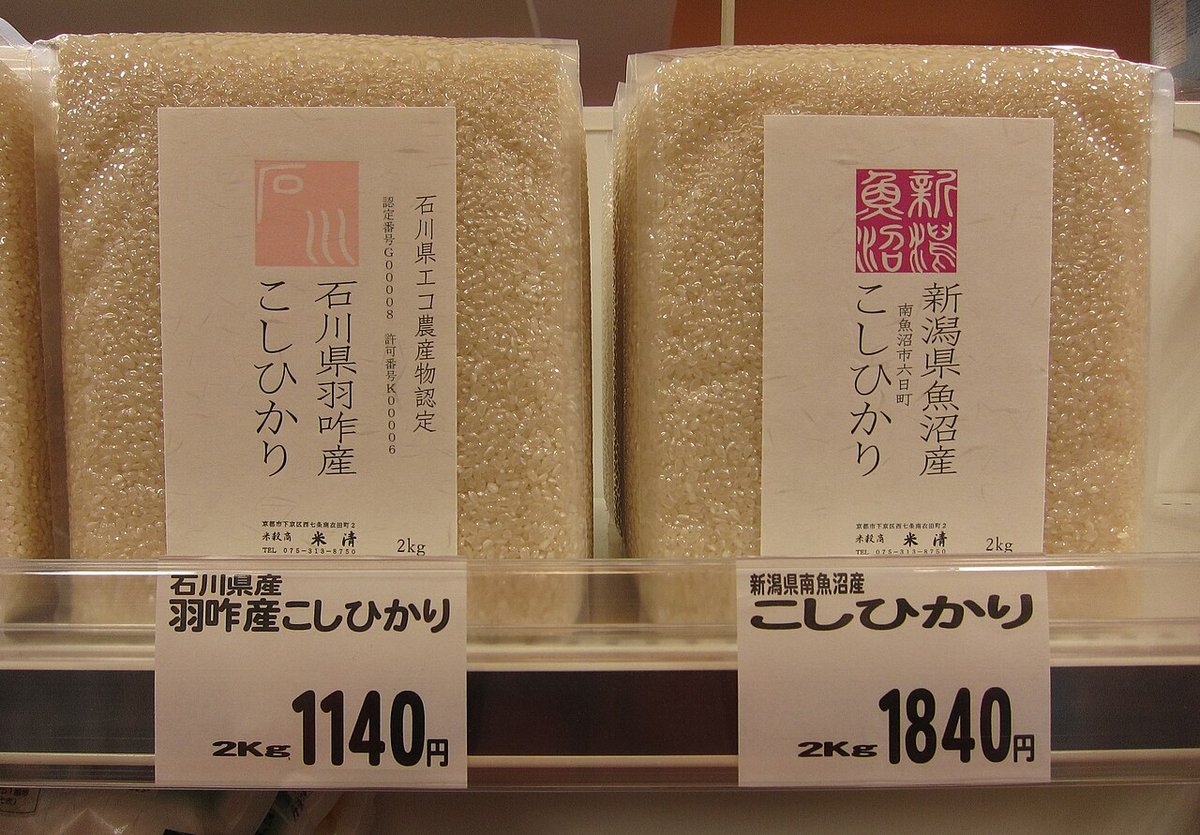
コメの相場が、下落している。産地と卸売業者の間で取引される価格(相対取引価格)は、9月に全銘柄平均で玄米60キロ当たり2万1293円となり、前年同月より1万5602円、率にして42%安くなった。新潟県産コシヒカリ(一般)も2万2261円と、前年同月の3万8613円の6割弱にとどまる。
もっとも、価格がもとの水準に戻ったわけではない。前々年同月と比べると、下落幅は1407円、率にして6%にすぎない。年産ごとの平均価格をたどると、令和5年産の1万5315円から、6年産は2万5179円、7年産は3万5174円と、2年で2倍以上に跳ね上がっていた。今回の下落は、行き過ぎた高騰がようやく是正され始めた段階とみるべきだろう。
取引の量も細っている。9月の取引数量は5.4万トンと、前年同月より66%少なかった。農林水産省は、7年産のコメの取引がなお続いていることなどを理由に挙げている。
店頭向けは値下がり、外食向けはなお高値
卸売業者が販売する精米の価格を指数でみると、9月はスーパーなど小売事業者向けが前年同月比81.4%と、2割近く下落した。販売数量も104.4%と前年を上回り、値下がりが消費者の購入を後押ししている様子がうかがえる。
他方、弁当店や飲食店などの中食・外食事業者向けは、価格が109.5%と依然として前年を上回り、販売数量は91.4%にとどまった。店頭のコメが安くなっても、外食の値段がすぐに下がるとは限らない。
生産者の収入減は免れず
在庫の多さは、需要と比べても際立つ。農林水産省は、令和8年7月から翌年6月までの需要を695万~712万トンと見通しており、9月末の在庫はその36~37%に相当する。
消費者にとって値下がりは歓迎すべき変化だが、生産者にとっては収入の減少を免れない。品薄から一転して在庫が積み上がるという需給の大きな振れが、価格の乱高下を招いている。安定した供給と、生産者が生産を続けられる価格をいかに両立させるか。コメ政策のあり方が、改めて問われている。
Words in this article
The 82 words at JLPT N1 or above, and the specialist words that are on no JLPT list.
| Word | Reading | Meaning | JLPT |
|---|---|---|---|
| 昨年 | さくねん | last year | Not on JLPT lists |
| 品薄 | しなうす | short supply; scarcity | Not on JLPT lists |
| 高騰した | こうとうした | soared; jumped sharply (高騰する) | Not on JLPT lists |
| 高騰 | こうとう | sharp rise (in prices) | Not on JLPT lists |
| コメ | こめ | rice | Not on JLPT lists |
| 一変 | いっぺん | complete change (一変しつつある = is changing completely) | N1 |
| 末 | まつ | end (of a month) | Not on JLPT lists |
| 時点 | じてん | point in time (9月末時点 = as of the end of September) | Not on JLPT lists |
| 在庫 | ざいこ | stock; inventory | N1 |
| 玄米 | げんまい | brown rice (unpolished rice; the unit rice stocks are measured in) | Not on JLPT lists |
| 前年同月 | ぜんねんどうげつ | the same month of the previous year | Not on JLPT lists |
| 上回り | うわまわり | exceeding; surpassing (上回る) | Not on JLPT lists |
| 農協 | のうきょう | agricultural cooperative (JA) | Not on JLPT lists |
| 出荷 | しゅっか | shipping; sending to market | Not on JLPT lists |
| 卸売 | おろしうり | wholesale | Not on JLPT lists |
| 業者 | ぎょうしゃ | trader; dealer; company | N1 |
| 減少した | げんしょうした | decreased (減少する) | N1 from 減少 |
| 新米 | しんまい | new-crop rice; this year's rice | Not on JLPT lists |
| 集荷 | しゅうか | collection (of crops from farmers) | Not on JLPT lists |
| 数量 | すうりょう | quantity; volume | Not on JLPT lists |
| 上回った | うわまわった | exceeded; was above (上回る) | N1 from 上回る |
| 下回った | したまわった | fell below; was lower than (下回る) | Not on JLPT lists |
| 値下がり | ねさがり | fall in price | Not on JLPT lists |
| 見越して | みこして | anticipating; expecting (見越す) | Not on JLPT lists |
| 買い手 | かいて | buyer | Not on JLPT lists |
| 仕入れ | しいれ | purchasing stock; buying for resale | Not on JLPT lists |
| 控えて | ひかえて | holding back from (控える) | N1 from 控える |
| 取引 | とりひき | transaction; trade; dealings | N1 |
| 前年同月比 | ぜんねんどうげつひ | compared with the same month of the previous year | Not on JLPT lists |
| 安 | やす | cheaper (42%安 = 42 percent cheaper) | Not on JLPT lists |
| 相場 | そうば | market price | N1 |
| 下落 | げらく | fall (in price) (下落している = is falling) | Not on JLPT lists |
| 下落した | げらくした | fell (下落する) | Not on JLPT lists |
| 取引される | とりひきされる | to be traded (取引する) | N1 from 取引 |
| 相対 | あいたい | face to face; direct between two parties (相対取引 = negotiated trading) | N1 |
| 銘柄 | めいがら | brand; variety | Not on JLPT lists |
| 当たり | あたり | per | N1 |
| 前年 | ぜんねん | the previous year | Not on JLPT lists |
| 産 | さん | produced in; crop of (新潟県産 = grown in Niigata; 5年産 = the Reiwa 5 crop) | Not on JLPT lists |
| コシヒカリ | こしひかり | Koshihikari (a rice variety) | Not on JLPT lists |
| 弱 | じゃく | a little under (6割弱 = a little under 60 percent) | N1 |
| 前々年同月 | ぜんぜんねんどうげつ | the same month two years earlier | Not on JLPT lists |
| 比べても | くらべても | even when compared (比べる) | Not on JLPT lists |
| あり方 | ありかた | the way things should be; the form something takes | Not on JLPT lists |
| 年産 | ねんさん | crop year | Not on JLPT lists |
| 跳ね上がって | はねあがって | jumping up (跳ね上がる) | Not on JLPT lists |
| 行き過ぎた | いきすぎた | excessive; gone too far (行き過ぎる) | Not on JLPT lists |
| 是正され | ぜせいされ | being corrected (是正する) | Not on JLPT lists |
| 細って | ほそって | thinning; shrinking (細る) | Not on JLPT lists |
| 店頭 | てんとう | store shelves; in stores | Not on JLPT lists |
| 向け | むけ | for; aimed at | N1 |
| 外食 | がいしょく | eating out; the restaurant trade | Not on JLPT lists |
| 高値 | たかね | high price | Not on JLPT lists |
| 精米 | せいまい | polished (white) rice | Not on JLPT lists |
| 指数 | しすう | index (number) | Not on JLPT lists |
| 小売 | こうり | retail | N1 |
| 事業者 | じぎょうしゃ | business operator | Not on JLPT lists |
| 消費者 | しょうひしゃ | consumer | Not on JLPT lists |
| 購入 | こうにゅう | purchase | N1 |
| 後押し | あとおし | boost; backing | Not on JLPT lists |
| 他方 | たほう | on the other hand | N1 |
| 弁当店 | べんとうてん | boxed-lunch shop | Not on JLPT lists |
| 飲食店 | いんしょくてん | restaurant; eatery | Not on JLPT lists |
| 中食 | なかしょく | ready-made meals bought to eat at home | Not on JLPT lists |
| 依然として | いぜんとして | still; as before | Not on JLPT lists |
| 安くなって | やすくなって | becoming cheaper | Not on JLPT lists |
| 生産者 | せいさんしゃ | producer; farmer | Not on JLPT lists |
| 減 | げん | decrease (収入減 = loss of income) | Not on JLPT lists |
| 免れず | まぬかれず | cannot escape (免れる) | Not on JLPT lists |
| 際立つ | きわだつ | to stand out | Not on JLPT lists |
| 翌年 | よくねん | the following year | Not on JLPT lists |
| 見通して | みとおして | forecasting (見通す) | Not on JLPT lists |
| 減少 | げんしょう | decrease | N1 |
| 免れない | まぬかれない | cannot escape; is unavoidable (免れる) | Not on JLPT lists |
| 一転して | いってんして | turning around completely (一転する) | Not on JLPT lists |
| 積み上がる | つみあがる | to pile up | Not on JLPT lists |
| 需給 | じゅきゅう | supply and demand | Not on JLPT lists |
| 振れ | ふれ | swing; fluctuation | Not on JLPT lists |
| 乱高下 | らんこうげ | violent ups and downs (of prices) | Not on JLPT lists |
| 両立させる | りょうりつさせる | to make (two things) compatible; to balance | Not on JLPT lists |
| 政策 | せいさく | policy | N1 |
| 問われて | とわれて | being questioned (問う) | N1 from 問う |
72 more words from lower levels, plus names, numbers and grammar
| Word | Reading | Meaning | JLPT |
|---|---|---|---|
| 価格 | かかく | price | N3 |
| 状況 | じょうきょう | situation; state of affairs | N3 |
| 農林水産省 | のうりんすいさんしょう | Ministry of Agriculture, Forestry and Fisheries | Name |
| 公表した | こうひょうした | made public; announced (公表する) | N2 from 公表 |
| 調査 | ちょうさ | survey; investigation | N3 |
| 月末 | げつまつ | the end of the month (9月末 = the end of September) | N2 |
| 全国 | ぜんこく | the whole country; nationwide | N3 |
| 民間 | みんかん | private (not government) | N2 |
| トン | とん | ton (metric) | Number |
| 最も | もっとも | most | N4 |
| 高い | たかい | high | N5 |
| 水準 | すいじゅん | level; standard | N3 |
| 達した | たっした | reached (達する) | N3 from 達する |
| 段階 | だんかい | stage; level (出荷段階 = the shipping stage) | N2 |
| 別 | べつ | by; according to (段階別 = by stage) | N4 |
| 産地 | さんち | producing area; growing region | N2 |
| 抱える | かかえる | to hold; to have on hand | N3 |
| 多い | おおい | many; much | N5 |
| 一方 | いっぽう | on the other hand; meanwhile | N3 |
| 販売 | はんばい | sales; selling | N3 |
| 結ばれた | むすばれた | were concluded (契約を結ぶ = to sign a contract) | N3 from 結ぶ |
| 契約 | けいやく | contract | N3 |
| 42% | よんじゅうにパーセント | 42 percent | Number |
| 間 | あいだ | between | N4 |
| 全 | ぜん | all | N3 |
| 平均 | へいきん | average | N3 |
| 60キロ | ろくじっきろ | 60 kilograms | Number |
| 率 | りつ | rate; percentage (率にして = in percentage terms) | N3 |
| 安く | やすく | cheap (安い) | N5 from 安い |
| 新潟県 | にいがたけん | Niigata Prefecture | Name |
| 一般 | いっぱん | general; ordinary | N3 |
| 6割 | ろくわり | 60 percent | Number |
| 戻った | もどった | returned (戻る) | N4 from 戻る |
| 比べる | くらべる | to compare | N4 |
| 多さ | おおさ | large amount; abundance | N5 from 多い |
| 幅 | はば | range; margin (下落幅 = size of the fall) | N3 |
| 6% | ろくパーセント | 6 percent | Number |
| 令和5 | れいわご | Reiwa 5 (2023) (令和5年産 = the Reiwa 5 crop) | Number |
| 2倍 | にばい | twice; double | Number |
| 以上 | いじょう | or more | N4 |
| 今回 | こんかい | this time | N3 |
| 始めた | はじめた | began (始める) | N4 from 始める |
| 量 | りょう | quantity; amount | N3 |
| 66% | ろくじゅうろくパーセント | 66 percent | Number |
| 少なかった | すくなかった | was less (少ない) | N5 from 少ない |
| 続いて | つづいて | continuing (続く) | N4 from 続く |
| 理由 | りゆう | reason | N4 |
| 挙げて | あげて | citing; giving (挙げる) | N2 from 挙げる |
| 81.4% | はちじゅういってんよんパーセント | 81.4 percent | Number |
| 2割 | にわり | 20 percent | Number |
| 近く | ちかく | nearly; close to | N5 |
| 104.4% | ひゃくよんてんよんパーセント | 104.4 percent | Number |
| 様子 | ようす | appearance; signs | N3 |
| 109.5% | ひゃくきゅうてんごパーセント | 109.5 percent | Number |
| 91.4% | きゅうじゅういってんよんパーセント | 91.4 percent | Number |
| 値段 | ねだん | price | N4 |
| 下がる | さがる | to go down; to fall | N4 |
| 限らない | かぎらない | not necessarily (とは限らない = is not always the case) | N3 from 限る |
| 収入 | しゅうにゅう | income | N3 |
| 令和8年 | れいわはちねん | Reiwa 8 (2026) | Number |
| 需要 | じゅよう | demand | N3 |
| 37% | さんじゅうななパーセント | 37 percent | Number |
| 相当する | そうとうする | to be equivalent to | N3 from 相当 |
| 歓迎 | かんげい | welcome | N3 |
| 変化 | へんか | change | N3 |
| 大きな | おおきな | big; large | N5 |
| 招いて | まねいて | bringing about; causing (招く) | N3 from 招く |
| 安定した | あんていした | stable (安定する) | N3 from 安定 |
| 供給 | きょうきゅう | supply | N3 |
| 生産 | せいさん | production | N4 |
| 続けられる | つづけられる | can continue (続ける) | N4 from 続ける |
| 改めて | あらためて | anew; once again | N2 |
Questions
Try answering in Japanese, then open the answer to check yourself. In the reader, your answers and score are saved.
- 9月末時点の全国の民間在庫はどのくらいで、前年同月と比べてどうなりましたか。
Show answer
255万玄米トンで、前年同月を58万トン上回り、最も高い水準に達しました。
2.55 million tons (as brown rice), 580,000 tons more than a year earlier and the highest level on record.
- 新米の契約数量が前年同月を大きく下回ったのはなぜだと、記事は見ていますか。
Show answer
値下がりを見越して、買い手が仕入れを控えているからだと見ています。
It sees buyers holding back their purchases because they expect prices to fall.
- 9月の新米の相対取引価格は、前年同月と比べてどう変わりましたか。
Show answer
全銘柄平均で玄米60キロ当たり2万1293円となり、前年同月より1万5602円、率にして42%安くなりました。
The average for all varieties was 21,293 yen per 60 kg of brown rice, 15,602 yen or 42 percent cheaper than a year earlier.
- 記事が、今回の下落を「行き過ぎた高騰が是正され始めた段階」とみるのはなぜですか。
Show answer
前々年同月と比べると下落幅は1407円、6%にすぎず、令和5年産から7年産までの2年で平均価格が2倍以上に跳ね上がっていたからです。
Because compared with two years earlier the fall is only 1,407 yen, or 6 percent, and the average price had more than doubled in the two years from the Reiwa 5 crop to the Reiwa 7 crop.
- 9月の取引数量が少なかった理由として、農林水産省は何を挙げていますか。
Show answer
7年産のコメの取引がなお続いていることなどを理由に挙げています。
It points out, among other things, that rice from the Reiwa 7 (2025) crop is still being traded.
- 小売事業者向けと中食・外食事業者向けとでは、精米の価格の動きにどのような違いがありますか。
Show answer
小売事業者向けは前年同月比81.4%と2割近く下落しましたが、中食・外食事業者向けは109.5%と依然として前年を上回っています。
Prices for retailers fell nearly 20 percent, to 81.4 percent of a year earlier, while prices for ready-meal makers and restaurants were still above last year, at 109.5 percent.
- コメの価格の乱高下を防ぐには、どのような取り組みが必要だと、あなたは考えますか。理由も述べてください。
Example answer
例:国が在庫の情報を早めに公表し、需要に合わせて生産を調整できるようにすることが大切だと思います。需給の振れが小さくなれば、消費者も生産者も安心できるからです。
Example: I think it is important for the government to publish stock information early so that production can be adjusted to demand. If supply and demand swing less, both consumers and farmers can feel secure.
If you're new to Japanese, the Textbook teaches it step by step from zero. If you can't read kana yet, start with Starter.
Start from zero Lesson 1 (N5)More N1 reading
- 個人消費の足踏み続き、GDPは4四半期ぶりマイナス 7~9月期速報 2026年11月17日
- 抑留で亡くなった10人、名簿の照合で身元判明 遺族に残された時間は 2026年11月11日
- 家計の悲観と警戒、なおぬぐえず 態度指数、2か月連続の低下 2026年11月10日
- 日本人の減少、加速の一途 1年で85万5千人減り、75歳以上は47万6千人増 2026年11月9日
- 国際線の冬ダイヤ、中国路線が49%減 韓国・台湾便は増加 2026年11月8日
- クマの出没、春から急増 人身被害は68人、緊急銃猟も38件に 2026年11月6日