Reading › N4 › オーストラリアから運んだ卵で、ペンギンが生まれました
オーストラリアから運んだ卵で、ペンギンが生まれました
Written for learners with AI assistance, based on: 東京動物園協会(葛西臨海水族園) · original source ↗
In the reader you can tap any word to see its reading, meaning and JLPT level, save the ones you don't know, and quiz yourself on them.
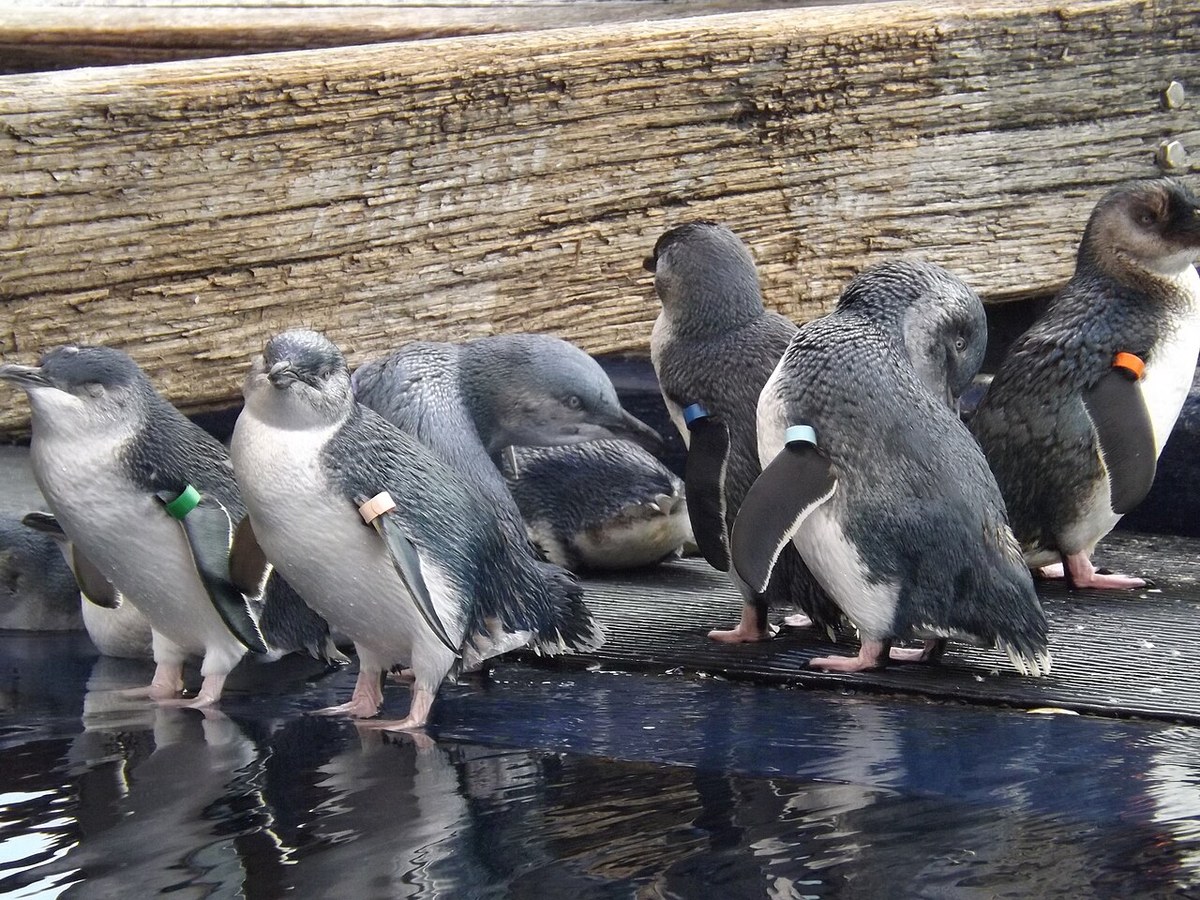
Open in the reader葛西臨海水族園で、11月5日から、フェアリーペンギンの子供が8羽、見られるようになりました。ほとんどが、オーストラリアから運んだ卵から生まれました。
日本には、フェアリーペンギンが4つの場所に、全部で50羽しかいません。そのうち26羽が、葛西臨海水族園にいます。しかし、日本のフェアリーペンギンは、血が近いものが多くなっていました。それで、外国から新しいペンギンを入れることが必要でした。
葛西臨海水族園は2017年から、オーストラリアの動物園と相談を続けてきました。去年の6月にも4個の卵を運びましたが、生まれたのは1羽だけでした。その子供も、3日で死んでしまいました。
今年は6月19日に、オーストラリアの動物園から12個の卵を送りました。卵は冷えないように、特別な箱に入れて運ばれ、次の日の夜に東京に着きました。そして、12個のうち8個から子供が生まれました。
大人のペンギンを運ぶと、長い時間がかかって、体に大変です。オーストラリアの動物園のペンギンも、少なくなってしまいます。それで、ペンギンではなく、卵を運びました。卵なら、そのような大変なことがありません。
子供たちは元気に大きくなって、今は大人と同じぐらいの大きさです。葛西臨海水族園は、これからも外国から新しいペンギンや卵を入れる予定です。
Words in this article
The 37 words at JLPT N4 or above, and the specialist words that are on no JLPT list.
| Word | Reading | Meaning | JLPT |
|---|---|---|---|
| 葛西臨海水族園 | かさいりんかいすいぞくえん | Kasai Rinkai Aquarium (Tokyo) | Not on JLPT lists |
| フェアリーペンギン | Fairy Penguin (Little Penguin) | Not on JLPT lists | |
| ペンギン | penguin | Not on JLPT lists | |
| ようになりました | has come to (be); now (can) | Not on JLPT lists | |
| ほとんど | most; almost all | N4 | |
| オーストラリア | Australia | Not on JLPT lists | |
| 運んだ | はこんだ | carried (past of 運ぶ) | N4 from 運ぶ |
| 運ぶ | はこぶ | to carry; to transport | N4 |
| 生まれた | うまれた | born; hatched (past of 生まれる) | Not on JLPT lists |
| には | in (as for) | Not on JLPT lists | |
| 場所 | ばしょ | place | N4 |
| そのうち | of those; among them | Not on JLPT lists | |
| 血 | ち | blood (血が近い = closely related) | N4 |
| もの | one; thing | Not on JLPT lists | |
| なっていました | had become (from なる) | Not on JLPT lists | |
| それで | so; because of that | N4 | |
| 必要 | ひつよう | necessary; needed | N4 |
| 動物園 | どうぶつえん | zoo | N4 |
| 相談 | そうだん | talks; discussion | N4 |
| 続けてきました | つづけてきました | have continued (from 続ける) | Not on JLPT lists |
| 運びました | はこびました | carried (polite past; polite of 運ぶ) | N4 from 運ぶ |
| 死んでしまいました | しんでしまいました | died (sadly) (from 死ぬ) | Not on JLPT lists |
| 送りました | おくりました | sent (polite past of 送る) | N4 from 送る |
| 冷えない | ひえない | not get cold (negative of 冷える) | N4 from 冷える |
| 特別 | とくべつ | special | N4 |
| 運ばれ | はこばれ | was carried, and (passive of 運ぶ) | Not on JLPT lists |
| 次の日 | つぎのひ | the next day | Not on JLPT lists |
| うち | among; out of | N4 | |
| かかって | taking (time) (te-form of かかる) | Not on JLPT lists | |
| なってしまいます | will end up becoming (from なる) | Not on JLPT lists | |
| ではなく | not ... but; instead of | Not on JLPT lists | |
| なら | if it is; in the case of | Not on JLPT lists | |
| そのような | that kind of; such | Not on JLPT lists | |
| たち | (plural for people and animals) | Not on JLPT lists | |
| なって | becoming (te-form of なる) | Not on JLPT lists | |
| これから | from now on | N4 | |
| 予定 | よてい | plan; schedule | N4 |
63 more words from lower levels, plus names, numbers and grammar
| Word | Reading | Meaning | JLPT |
|---|---|---|---|
| 東京 | とうきょう | Tokyo | Name |
| の | 's; of | Grammar | |
| で | at; in; with; by | Grammar | |
| から | from; since | Grammar | |
| 子供 | こども | child; children | N5 |
| が | (subject marker); but | Grammar | |
| 8羽 | はちわ | 8 (birds) | Number |
| 見られる | みられる | can be seen (potential of 見る) | N5 from 見る |
| 卵 | たまご | egg | N5 |
| です | is; am; are (polite) | Grammar | |
| 日本 | にほん | Japan | Name |
| 4つ | よっつ | four (things) | Number |
| に | in; at; to | Grammar | |
| 全部で | ぜんぶで | in all; in total | N5 from 全部 |
| 全部 | ぜんぶ | all; everything | N5 |
| 50羽 | ごじゅうわ | 50 (birds) | Number |
| しか | only (with a negative verb) | Grammar | |
| いません | there are not (polite negative of いる) | N5 from いる | |
| 26羽 | にじゅうろくわ | 26 (birds) | Number |
| います | there is; are (polite of いる) | Grammar | |
| しかし | however; but | N5 | |
| は | (topic marker) | Grammar | |
| 近い | ちかい | near; close | N5 |
| 多く | おおく | many (adverb form of 多い) | N5 from 多い |
| 外国 | がいこく | foreign country; abroad | N5 |
| 新しい | あたらしい | new | N5 |
| を | (object marker) | Grammar | |
| 入れる | いれる | to put in; to bring in | N5 |
| こと | thing; (making a verb a noun) | Grammar | |
| でした | was; were (polite) | Grammar | |
| と | with; and | Grammar | |
| 去年 | きょねん | last year | N5 |
| にも | also (in) | N5 from に | |
| 4個 | よんこ | 4 (pieces) | Number |
| のは | the one(s) that | Grammar | |
| 1羽 | いちわ | 1 (bird) | Number |
| だけ | only; just | Grammar | |
| その | that; its | N5 | |
| も | also; too; even | Grammar | |
| 今年 | ことし | this year | N5 |
| 12個 | じゅうにこ | 12 (pieces) | Number |
| ように | so that | Grammar | |
| な | (links a na-adjective to a noun) | Grammar | |
| 箱 | はこ | box | N5 |
| 入れて | いれて | putting in (te-form of 入れる) | N5 from 入れる |
| 夜 | よる | night; evening | N5 |
| 着きました | つきました | arrived (polite past of 着く) | N5 from 着く |
| 8個 | はっこ | 8 (pieces) | Number |
| 生まれました | うまれました | were born; hatched (polite past of 生まれる) | N5 from 生まれる |
| 大人 | おとな | adult; grown-up | N5 |
| 長い | ながい | long | N5 |
| 時間 | じかん | time | Number |
| 体 | からだ | body | N5 |
| 大変 | たいへん | hard; tough; terrible | N5 |
| 少なく | すくなく | few (adverb form of 少ない) | N5 from 少ない |
| ありません | there is not (polite negative of ある) | N5 from ある | |
| 元気 | げんき | healthy; lively | N5 |
| 大きく | おおきく | big (adverb form of 大きい) | N5 from 大きい |
| 今 | いま | now | N5 |
| 同じ | おなじ | same | N5 |
| ぐらい | about; as ... as | Grammar | |
| 大きさ | おおきさ | size | N5 from 大きい |
| や | and (among others) | Grammar |
Questions
Try answering in Japanese, then open the answer to check yourself. In the reader, your answers and score are saved.
- 11月5日から、葛西臨海水族園で、何が見られるようになりましたか。
Show answer
フェアリーペンギンの子供が8羽、見られるようになりました。
Eight Fairy Penguin chicks went on view.
- 日本には、フェアリーペンギンが全部でどのぐらいいますか。
Show answer
全部で50羽しかいません。
Only 50 in total.
- どうして、外国から新しいペンギンを入れることが必要でしたか。
Show answer
日本のフェアリーペンギンは、血が近いものが多くなっていたからです。
Because many of the Fairy Penguins in Japan had become closely related.
- 卵は、どのように東京まで運ばれましたか。
Show answer
冷えないように、特別な箱に入れて運ばれました。
They were carried in a special box so they would not get cold.
- どうして、大人のペンギンではなく、卵を運びましたか。
Show answer
大人のペンギンを運ぶと、長い時間がかかって、体に大変だからです。
Because carrying adult penguins takes a long time and is hard on their bodies.
- あなたは、ペンギンの子供を見に行きたいですか。どうしてですか。
Example answer
(例)はい、見に行きたいです。小さいペンギンの子供が、元気に泳ぐのを見たいからです。
(Example) Yes. I want to see the little chicks swimming happily.
If you're new to Japanese, the Textbook teaches it step by step from zero. If you can't read kana yet, start with Starter.
Start from zero Lesson 1 (N5)More N4 reading
- 象の形のカートが、上野動物園にやってきます 2026年11月17日
- 町の銭湯が、東京の大切な建物になりました 2026年11月11日
- 日本の「書道」が、世界の文化になりそうです 2026年11月9日
- 年賀状を書く人が、少なくなっています 2026年11月8日
- 列車の窓から、冬の流氷を見ませんか 2026年11月7日
- 雨の水をためる、地下の大きなトンネルに入ってみませんか 2026年11月6日